High-Quality Aromatic Content Definition Supplier & Manufacturers

Pioneering High-Boiling Point Hydrocarbon Separation, Strict Isomeric Control, and Regulatory Compliance for Advanced Industrial Formulations Globally.

Premium Hydrocarbon Solvents & Monomers

Explore our core selection of high-purity aromatics, solvents, and specialty chemicals engineered for stringent quality standards.
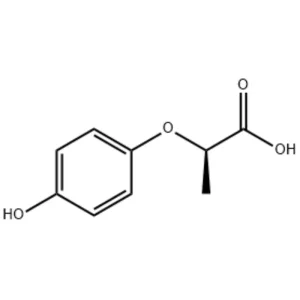
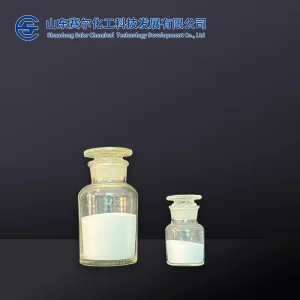
High-Quality (R)-(+)-2-(4-Hydroxyphenoxy)propionic acid

High-Quality (R)-(+)-2-(4-Hydroxyphenoxy)propionic acid CAS: 94050-90-5

View Details
Aromatic Solvent S150ND

Aromatic Solvent S150ND CAS No.: 64742-94-5 Suppliers

View Details
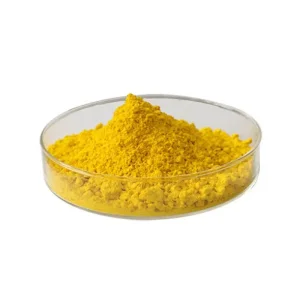
9-Fluorenone

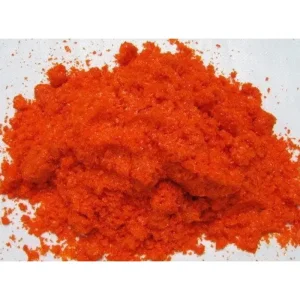
Wholesale 9-Fluorenone CAS: 486-25-9 Manufacturer & Factory

View Details
Aromatic Solvent S150

Buy Aromatic Solvent S150 CAS No.: 64742-94-5 Suppliers

View Details
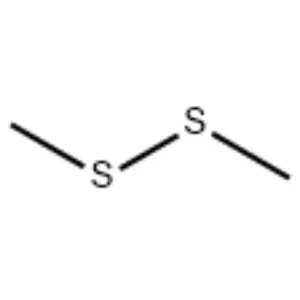
Dimethyl disulfide

Wholesale Dimethyl disulfide CAS: 624-92-0 Supplier

View Details
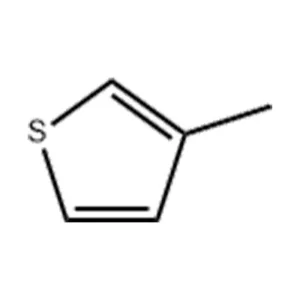
3-Methylthiophene

Wholesale 3-Methylthiophene CAS: 616-44-4 Factory & Exporter

View Details
Durene

OEM Durene / 1,2,4,5-Tetramethylbenzene CAS: 95-93-2 Exporters

View Details
Pyromellitic Dianhydride PMDA

Wholesale Pyromellitic Dianhydride (PMDA) CAS: 89-32-7 Supplier

View Details

Manufacturing Scale & Technical Strength

Delivering high-purity chemical solutions globally with scalable manufacturing capacities and certified standard operations.

720K+
Annual Tons Capacity
60M+
Registered Capital (RMB)
2004
Year of Establishment
100%
REACH & GHS Compliant

Demystifying Aromatic Content Definition in Industrial Applications

Within the chemical manufacturing sector, the term aromatic content definition represents the quantitative measure of planar, cyclic hydrocarbons characterized by a conjugated system of double bonds obeying Huckel’s rule (4n+2 π-electrons). High-boiling solvent mixtures, widely designated under commercial classifications (such as S100, S150, S150ND, and S200), are defined primarily by their percentage of these aromatic rings relative to aliphatic structures. The core value of aromatic solvents lies in their superior solvency power (measured by Kauri-Butanol values > 90) compared to paraffinic or naphthenic options. Managing this content precisely dictates key parameters such as dissolution rates of synthetic resins, evaporation kinetics, flash points, and environmental profile compliance.

1. Critical Performance Parameters Affected by Aromatic Levels

Understanding the precise aromatic content definition allows process engineers to select solvents that achieve perfect equilibrium between chemical capability and safety. The primary parameters affected include:

  • Solvency (Kauri-Butanol Value & Aniline Point): Aromatic solvents show extremely low aniline points (often below 15°C) and high KB values. This indicates an outstanding capability to dissolve binders, hard resins, synthetic rubbers, and polymer structures used in heavy-duty protective coatings and industrial printing inks.
  • Volatility and Evaporation Rate: High-boiling aromatic hydrocarbons (boiling ranges between 150°C and 290°C) allow long open-times in paint systems, preventing premature skinning and ensuring excellent surface leveling.
  • Toxicity & Environmental Metrics: Solvents containing monocyclic aromatics are scrutinized under global regulatory frameworks (EPA, REACH, GHS). Precise manufacturing allows the selective reduction of naphthalene (forming low-naphthalene or ND grades) to conform to occupational health parameters without sacrificing solvency.

2. Company Profile: Shandong Saier Chemical Technology Development Co., Ltd.

Founded in December 2004 and situated at No.207, WeiLiu Road, Qilu Chemical Industrial Park, Linzi, Zibo City, Shandong Province, Shandong Saier Chemical Technology Development Co., Ltd. has established itself as an industry leader in petrochemical fractioning and intermediate chemical synthesis. Backed by a solid registered capital of 60 million yuan, Saier Chemical started production focused on high-boiling aromatic solvents (including S-100, S-150, S-150ND, S-180, and S-200), heat transfer oils (L-QC320), and downstream chemical intermediates such as durene, thiophene, MIPK, TMOF, and pyromellitic dianhydride (PMDA).

Saier Chemical utilizes robust raw material networks sourced directly from China’s chemical giants (Sinopec, PetroChina, ChemChina, Zhejiang Petrochemical, and Hengli Petrochemical) to secure premium feedstocks. From an initial capacity focused on domestic chemical centers (Beijing, Shanghai, Tianjin, Hebei, Shandong, Henan), the company has evolved to possess an annual manufacturing output of 720,000 tons. Its reach extends dynamically to global markets across Asia, Europe, the Americas, and Southeast Asia.

3. Technological DNA: Innovation & Clean Manufacturing

In response to global demands for energy-saving, low-emission, and environmentally responsible chemical processing, Shandong Saier Chemical has optimized its production processes. The company operates continuous fractional distillation plants that precisely separate narrow boiling ranges. Designated as a National High-Tech Enterprise, the company consistently works to lower energy consumption, minimize process waste, and implement advanced VOC treatment systems. This technological focus ensures the high purity of special products like Durene (1,2,4,5-tetramethylbenzene) and Thiophene, establishing our role as a trusted supply chain partner for complex chemical syntheses.

4. Global Procurement Needs and Specifications

Global procurement teams in the agrochemical, coating, resin, and pharmaceutical sectors require suppliers capable of matching rigorous parameters. The demand matrix for high-quality aromatics includes:

  • Narrow Evaporation Ranges: Prevents dry-spraying and blistering in automotive and industrial bake coatings.
  • Ultra-Low Naphthalene Grades (ND Class): Industrial buyers in North America and Western Europe require naphthalene levels below 0.9% (and in some instances, below 0.1%) to mitigate carcinogenic labeling and protect operators.
  • Interfering Isomer Absence: High-end applications like durene oxidation to Pyromellitic Dianhydride (PMDA) demand ultra-purity levels exceeding 98.5% to prevent side reactions in polyimide production.

5. The China Supply Chain Edge: Scalability and Logistics

Located in the heart of the Qilu Chemical Industrial Park, Shandong Saier Chemical utilizes Zibo's advanced industrial infrastructure. Our strategic positioning offers specific advantages to global clients:

  1. Direct Pipeline Integration: Proximity to major Sinopec refining complexes ensures consistent feedstock supply, shielding customers from price volatility and product shortages.
  2. Intermodal Transport Efficiency: Convenient access to Qingdao Port allows fast loading of bulk liquid vessels, ISO Tanks, and standard IBC drums, ensuring timely global deliveries.
  3. Advanced Refining Facilities: High-efficiency fractioning towers provide flexible manufacturing, allowing us to adjust production outputs between S100, S150, and S200 classes to match shifting market demands.

6. Localization, Safety Standards & Regulatory Alignment

Cross-border chemical distribution demands adherence to strict regulatory environments. Shandong Saier Chemical implements complete compliance systems:

  • REACH Registration: Essential for hassle-free customs clearance in European ports, preventing supply bottlenecks.
  • Safety Data Sheet (SDS) Localization: Providing multi-lingual safety sheets compliant with the Globally Harmonized System of Classification and Labelling of Chemicals (GHS).
  • ISO Quality & Environmental Management: Operating under ISO 9001 (Quality) and ISO 14001 (Environmental) certifications to guarantee consistent batch-to-batch performance and trace-element management.

7. Key Industrial Application Scenarios

Aromatic solvents and fine chemical intermediates serve critical functions in several key industries:

  • Crop Protection & Agrochemicals: S150 and S200 are the primary solvents for Emulsifiable Concentrates (EC) formulations due to high herbicide and pesticide dissolution capacity, low phytotoxicity, and outstanding emulsion stability.
  • High-Performance Coatings: Used in automotive OEM coatings, coil coatings, and marine protective paints, promoting even drying and high gloss levels.
  • Polyimide Film Production: Purity-controlled durene is oxidized into Pyromellitic Dianhydride (PMDA), a key monomer for creating high-performance polyimide films used in electronics and aerospace insulation.
  • Closed-Loop Heat Transfer: Heat transfer oil L-QC320 provides thermal stability at high operating temperatures, reducing cracking and carbon buildup in heat exchange systems.

8. Future Outlook: Transition to Eco-Friendly Solvents

The chemical industry is pivoting toward reducing volatile organic compound (VOC) emissions and prioritizing worker safety. Key trends include the transition to ultra-low naphthalene formulations and the optimization of high-boiling solvents to match low-VOC targets. Saier Chemical is investing in research and development to explore cleaner refining routes, process integration, and bio-compatible solvent alternatives, ensuring we remain at the forefront of clean industrial chemistry.

Need Technical Assistance?

Contact our engineering team to receive detailed technical datasheets (TDS), safety data sheets (SDS), and custom product samples.

Call us: +86 15853357907

Industrial FAQ & Procurement Insights

Expert answers addressing regulatory, technical, and logistic queries regarding high-boiling aromatic solvents and intermediates.

What is the standard aromatic content definition for S150 and S200 solvents? +
Industrial aromatic solvents such as S150 (CAS No. 64742-94-5) and S200 are typically characterized by an aromatic hydrocarbon content of 99% or higher. These products are refined from narrow-boiling-point streams of C10 to C12 heavy aromatic hydrocarbons, containing minimal paraffinic or naphthenic fractions to ensure high solvency.
How does S150ND differ from standard S150? +
The primary difference is the naphthalene content. Standard S150 contains up to 10% naphthalene. The "ND" version (Naphthalene Depleted) goes through an additional processing step to reduce naphthalene levels to under 0.9% (or lower than 0.1% for specific markets), satisfying hazard labeling requirements and lowering occupational risk.
Why is Durene purity critical for Pyromellitic Dianhydride (PMDA) synthesis? +
Durene (1,2,4,5-tetramethylbenzene) must be highly pure (typically over 98.5%) because impurities like prehnitene or isodurene will oxidize into isomeric carboxylic dianhydrides. These impurities interfere with polycondensation, weakening the thermal and mechanical properties of the final polyimide films.
What are the primary transport standards for export shipments? +
High-boiling solvents are classified as Class 3 dangerous goods or Class 9 (marine pollutants) depending on their specific distillation profile. Saier Chemical ships under international IMDG regulations, utilizing pressure-tested steel drums, IBC totes, and ISO tanks with full GHS warning labels.
What raw feedstock channels does Shandong Saier Chemical utilize? +
We source raw materials directly from key domestic refineries, including Sinopec, PetroChina, ChemChina, Zhejiang Petrochemical, and Hengli Petrochemical. This direct supply ensures feedstock quality and consistent production parameters for all downstream products.
How does the Kauri-Butanol (KB) value affect solvent performance? +
The KB value measures the relative solvent power of hydrocarbon mixtures. A aromatic content definition showing KB values above 90 indicates strong solvency, allowing rapid dissolving of resins, high solid content in coating formulations, and reduced viscosity in final products.
Are Saier Chemical products registered under EU REACH? +
Yes, we maintain REACH compliance and work with designated Only Representatives (OR) in Europe to secure compliance for our key aromatic solvent ranges and chemical intermediates, ensuring smooth import clearance.
Can custom boiling point ranges be manufactured? +
Yes, utilizing our multi-column continuous rectification systems, we can tailor fraction profiles and flash points to match client-specific formulation needs, evaporation speeds, and regulatory conditions.

Specialized Intermediate Portfolio & Chemicals

A secondary selection of intermediates, thermal fluids, and specialty derivatives supporting global chemical manufacturing.
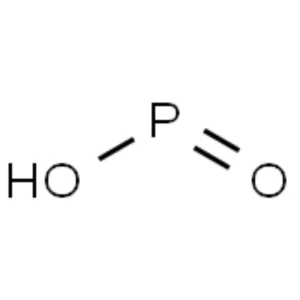
OEM Hypophosphorous acid

OEM Hypophosphorous acid HO2P CAS: 6303-21-5 Suppliers

View Details
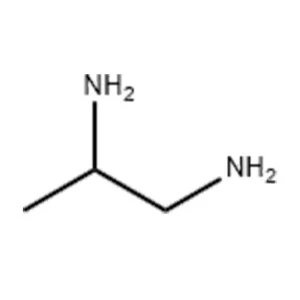
1,2-Diaminopropane

OEM 1,2-Diaminopropane CAS: 78-90-0 Manufacturers

View Details
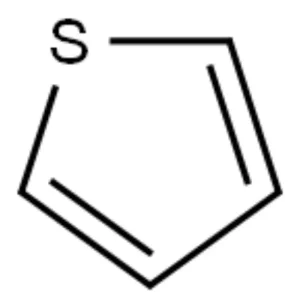
Thiophene C4H4S

Buy Thiophene C4H4S CAS: 110-02-1 Suppliers & Factory

View Details
Aromatic Solvent S100

Buy Aromatic Solvent S100 CAS: 64742-95-6 Suppliers

View Details
Methylnaphtalene

Wholesale β-Methylnaphtalene Supplier & Manufacturer

View Details
5-Chloro-2,3-difluoropyridine

High-Quality 5-Chloro-2,3-difluoropyridine CAS: 89402-43-7

View Details
DMSO

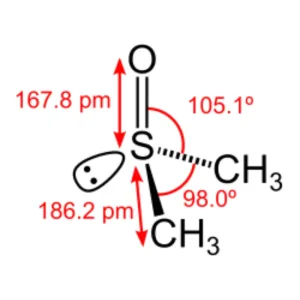
China Dimethyl sulfoxide (DMSO) CAS: 67-68-5 Manufacturers

View Details
2-Chloro-3-cyanopyridine

High-Quality 2-Chloro-3-cyanopyridine CAS: 6602-54-6

View Details