Saier Chemical
1 / 2
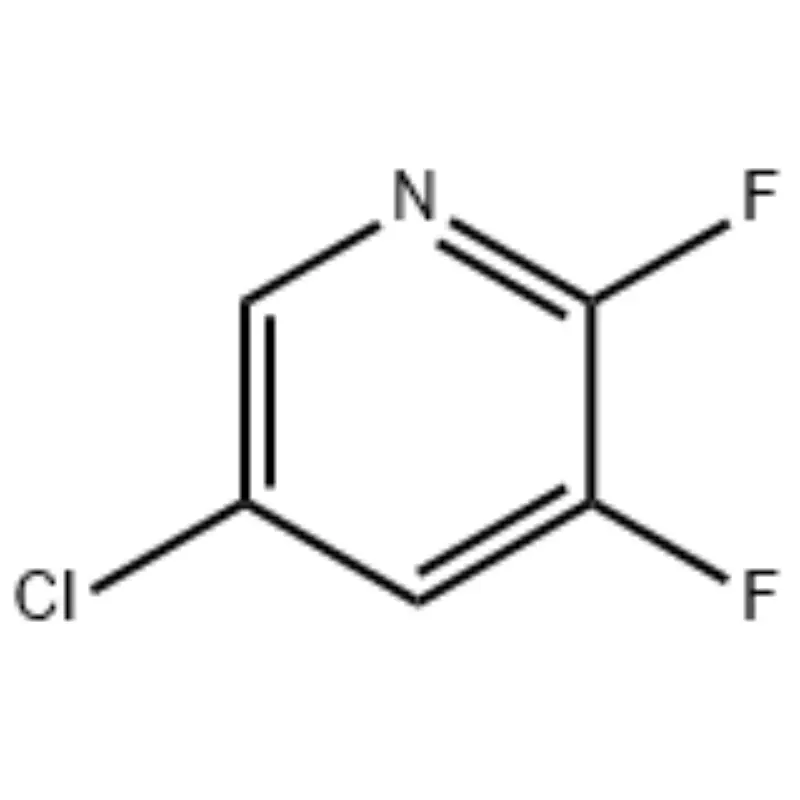
2,3-Difluoro-5-chloropyridine is an important intermediate for the synthesis of the highly efficient pesticide, cyantraniliprole. In the past decade, fluorinated pesticides have developed rapidly and have become the focus of the development of the world's pesticide industry. Among them, fluorinated pyrethroid and fluorinated benzoate urea insecticides have been developed and applied in large quantities.
Due to the small radius of the fluorine atom in 2,3-difluoro-5-chloropyridine and its large electronegativity, the C-F bond formed by it is much stronger than the C-H bond, significantly enhancing the stability and biological activity of organic fluorine compounds. Moreover, fluorine-containing organic compounds also have high lipid solubility and hydrophobicity, promoting their absorption and transport speed in biological organisms and causing changes in their physiological effects. Therefore, fluorine-containing pesticides have relatively characteristics such as small dosage, low toxicity, and high efficacy in performance. Currently, the development of fluorine-containing pesticides has become the main body of new pesticide creation.
Over the past decade, fluorine-containing pesticides have developed rapidly and have become the focus of the world's pesticide industry. Among them, fluorine-containing pyrethroid insecticides and fluorine-containing benzoate urea insecticides have been developed and applied in large quantities.
200L HDPE drums, 200L Iron drums.
A: It serves as an essential intermediate for manufacturing cyantraniliprole, a highly efficient pesticide.
A: The C-F bond is significantly stronger than C-H bonds due to the small radius and high electronegativity of fluorine. This enhances stability, biological activity, lipid solubility, and hydrophobicity, speeding up biological transport and absorption.
A: It is slightly soluble in chloroform, DMSO, and methanol.
A: It has a melting point of 47 - 49 °C, a boiling point of 135 °C, a density of 1.442 g/mL at 25 °C, a refractive index of 1.4738, and a flash point of 135 °C.
A: It must be stored in controlled conditions at temperatures between 2 - 8 °C.
A: It is packaged in 200L HDPE drums or 200L Iron drums.