Wholesale Sodium hypophosphite H2NaO2P CAS:7681-53-0 Manufacturers, Manufacturer

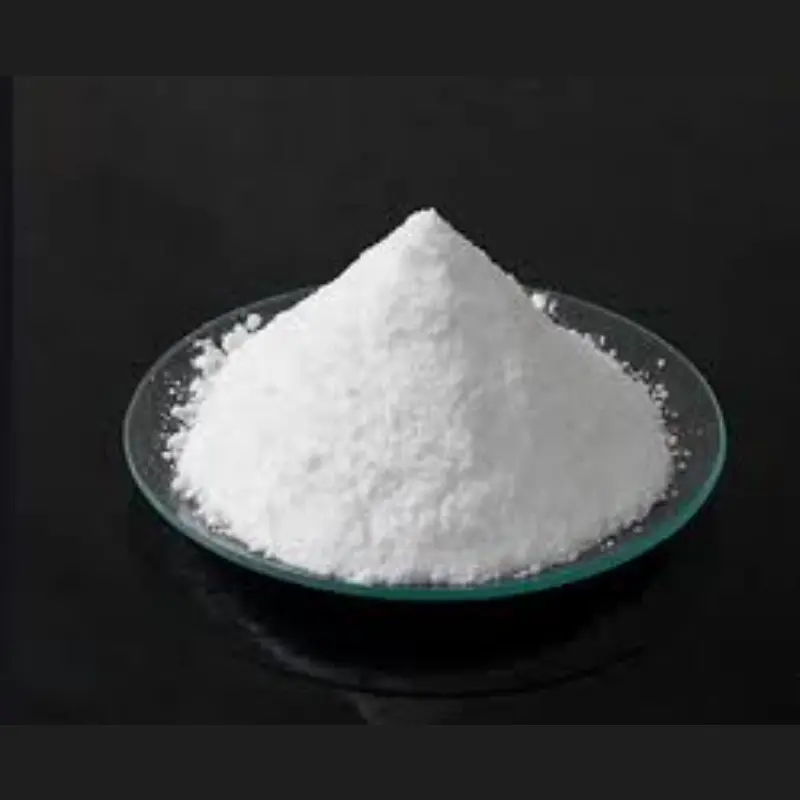
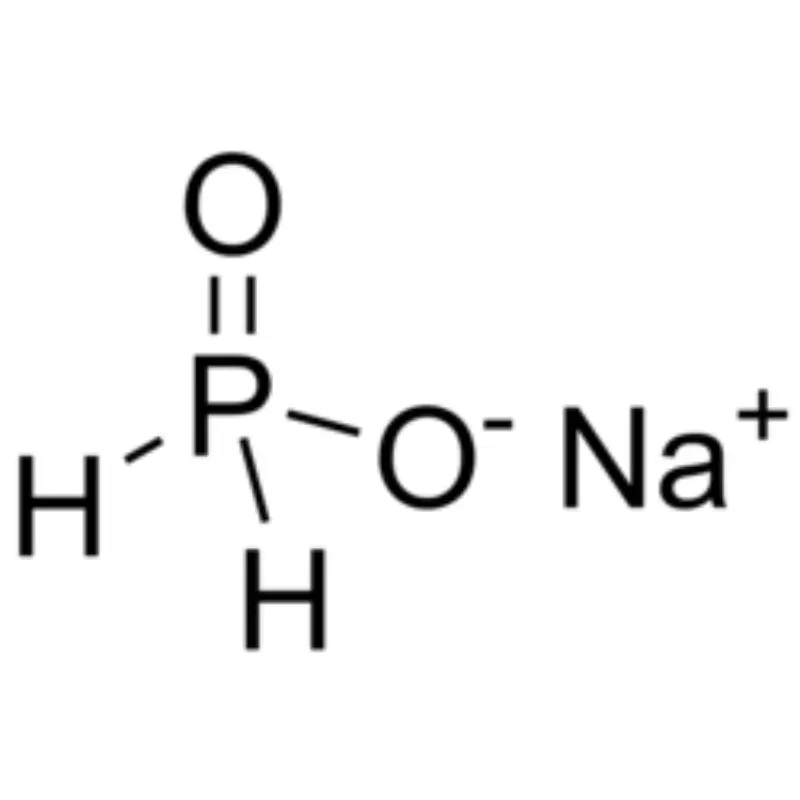
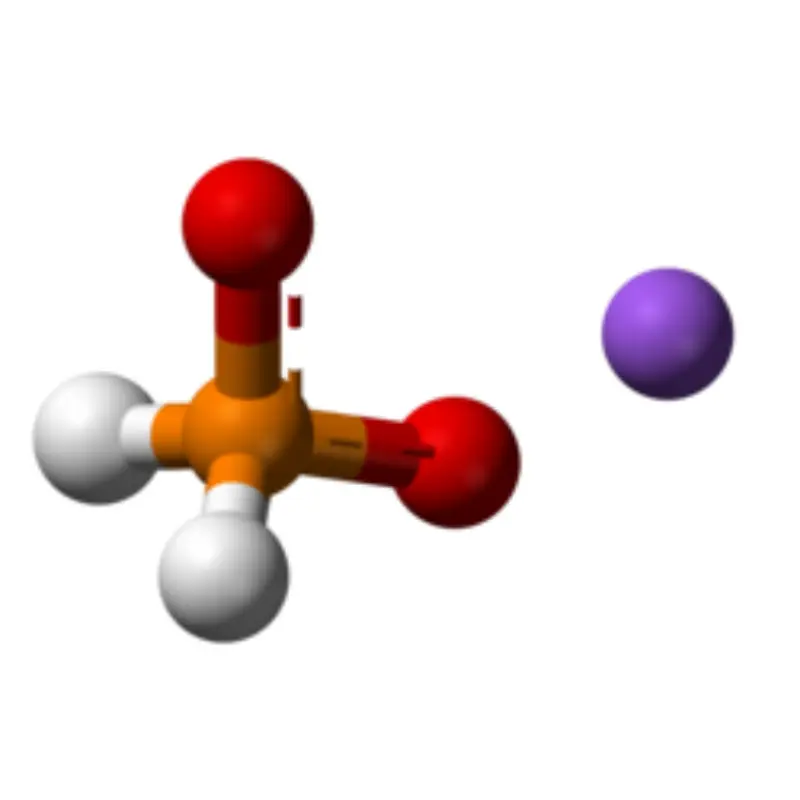
Sodium hypophosphite (NaPO2H2, also known as sodium phosphinate) is the sodium salt of hypophosphorous acid and is often encountered as the monohydrate, NaPO2H2·H2O. It is a solid at room temperature, appearing as odorless white crystals. It is soluble in water, and easily absorbs moisture from the air.
Sodium hypophosphite should be kept in a cool, dry place, isolated from oxidizing materials. It decomposes into phosphine which is irritating to the respiratory tract and disodium phosphate.

Product Description

Product Introduction

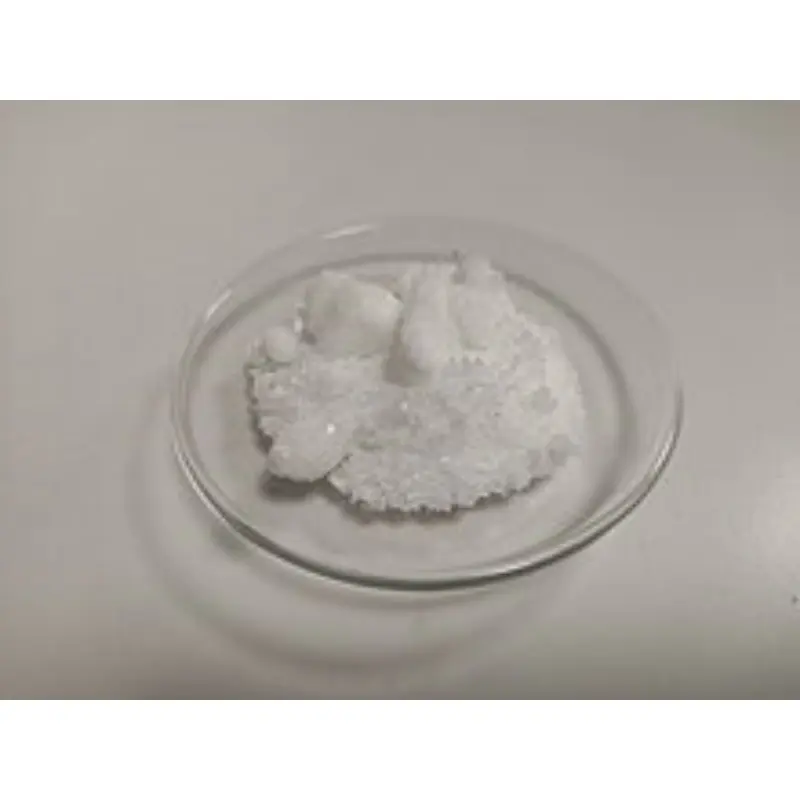
Sodium hypophosphite is a colorless monoclinic crystal or a pearl-like lustrous crystal or white crystalline powder. It is hygroscopic, odorless and salty in taste. It is soluble in water, ethanol, glycerol, slightly soluble in ammonia and ammonia water, and insoluble in ether. The aqueous solution is alkaline. In the dry state, it is relatively stable. When heated to above 200°C, it rapidly decomposes and releases phosphine hydrogen gas, which is highly toxic and self-igniting. It is a strong reducing agent and can reduce metals such as gold, silver, mercury, nickel, chromium, and cobalt from salts to their metallic states. It will explode when exposed to strong heat or mixed with oxidants such as potassium chlorate. At normal pressure, heating and evaporation of the sodium hypophosphite solution will also cause an explosion. Therefore, evaporation should be carried out under reduced pressure.

Regulatory Notice

In the United States, sodium hypophosphite, hypophosphorous acid and several other types of hypophosphates are classified as first-class controlled precursor chemicals and are subject to regulation.
Key Features

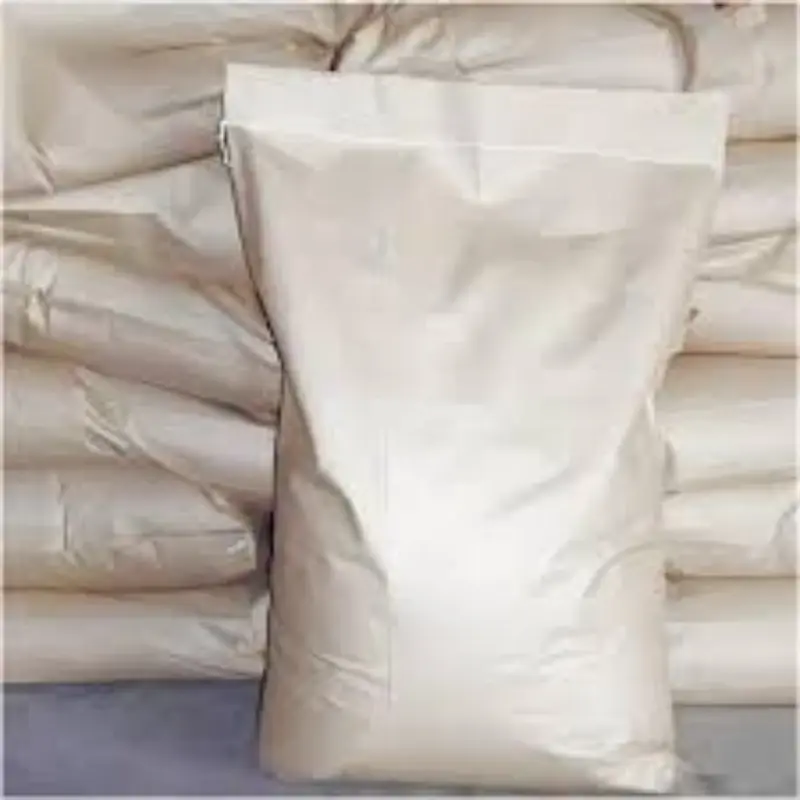
  • Physical Appearance Pearl-like lustrous crystal or white crystalline powder.
  • Solubility Profile Soluble in water, ethanol, and glycerol, but completely insoluble in ether.
  • Hygroscopic Nature Exhibits strong hygroscopic and deliquescent properties when exposed to air.
  • Thermal Stability & Reduction Acts as a strong reducing agent. Decomposes rapidly upon heating at 200°C.

Applications

Like other hypophosphites, sodium hypophosphite can reduce metal ions back into base metal. This forms the basis for electroless nickel plating (Ni-P), which is its main industrial application. With this method, a durable nickel-phosphorus film can coat objects with irregular surfaces, such as in avionics, aviation and the petroleum field.

Sodium hypophosphite is capable of reducing nickel ions in solution to metallic nickel on metal substrates as well as on plastic substrates. The latter requires that the substrate is activated with fine particles of palladium. The resulting nickel deposit contains up to 15% phosphorus. It has also been investigated as a food additive.
Packaging

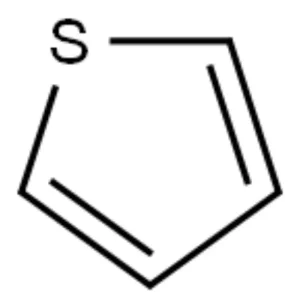
25KG Bag

Frequently Asked Questions

QWhat is the primary industrial use of Sodium Hypophosphite?
Its main industrial application is electroless nickel plating (Ni-P), which is used to coat components with irregular surfaces in industries such as avionics, aviation, and petroleum.
QIs Sodium Hypophosphite soluble in common solvents?
Yes, it is highly soluble in water, ethanol, and glycerol. It is only slightly soluble in ammonia and ammonia water, and completely insoluble in ether.
QWhat are the safety hazards associated with heating Sodium Hypophosphite?
When heated above 200°C, it rapidly decomposes and releases phosphine hydrogen gas, which is highly toxic and self-igniting. It can explode if exposed to strong heat, mixed with oxidants like potassium chlorate, or evaporated under normal pressure.
QHow does it reduce nickel onto non-metallic substrates like plastics?
To reduce nickel onto plastic substrates, the plastic surface must first be activated using fine particles of palladium, allowing the sodium hypophosphite to successfully deposit the metallic nickel-phosphorus coating.
QAre there regulations on purchasing Sodium Hypophosphite?
Yes, in the United States, sodium hypophosphite, hypophosphorous acid, and several other hypophosphates are classified as first-class controlled precursor chemicals and are subject to strict regulations.

Related Products