Saier Chemical
1 / 3
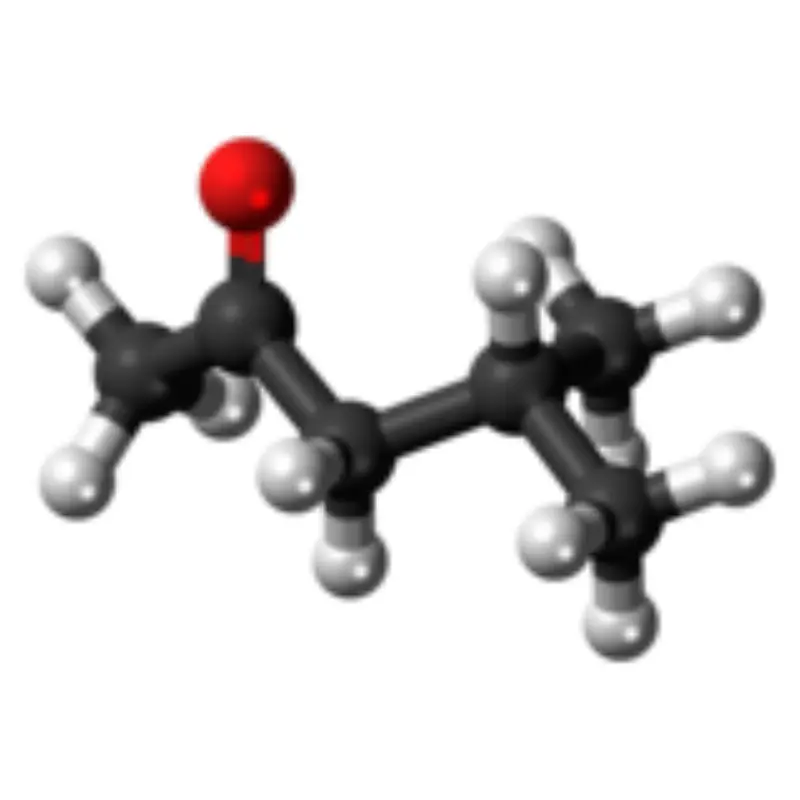
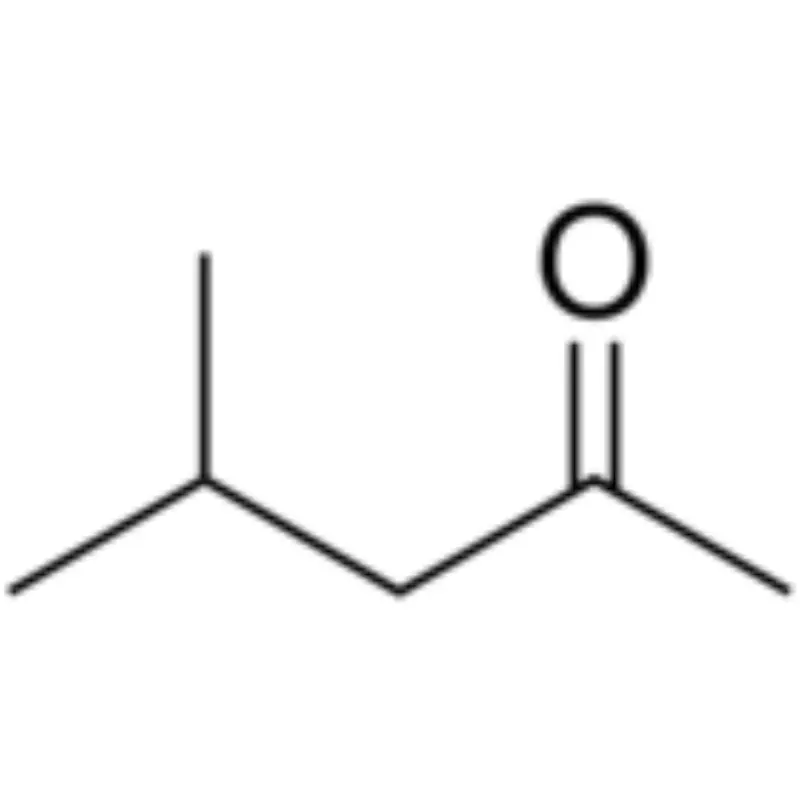
Methylisopropylketone (hereinafter referred to as Methylisopropylketone), with the chemical name 3-methyl-2-butanone, is a colorless transparent fine chemical intermediate and high-grade solvent with an aromatic odor. It is widely used in the synthesis of dyes, medicine, agriculture and organic solvents, etc.

Colorless and transparent fine chemical intermediate and high-grade solvent with an aromatic odor.
Category: Flammable Liquids.
Toxicity: Graded poisoning.
Acute toxicity: peritoneal - rat LD50: 800 mg/kg; Oral - Mouse LD50: 2572 mg/kg.
Stimulation data: Skin - rabbit 500 mg /24 h moderate; Eye - Rabbit 500 mg /24 hours light.
Flammability: Flammable with open fire, high heat, or oxidizers; burning produces irritating smoke. Explosive with air.
Methyl isopropyl ketone is mainly applied in the preparation of dye intermediates, dewaxing of lubricating oil, extraction and separation of precious metals such as tantalum and niobium, extraction of divalent cobalt, extraction of rosin, adhesives, sealants, wool shrinkage preventives, chromatographic separation agents, emulsion polymerization additives, organic synthesis raw materials, treatment of chromium-containing wastewater, etc. It is also widely used in industries such as perfumes, mineral processing, and electronics. It is synthesized into food additives such as cyclodextrin and pyrrolo ethoxy phosphobutyl adipate, which are used in information-related photosensitive and pressure-sensitive dyes, pesticides, especially new and highly efficient herbicides and pharmaceutical raw materials.
Methylisopropylketone (3-methyl-2-butanone) is a colorless, transparent fine chemical intermediate and high-grade solvent known for its distinctive aromatic odor.
It is primarily used in dye intermediates, lubricating oil dewaxing, precious metal extraction, adhesive formulations, electronics, food additives (like cyclodextrin), and as raw materials for pharmaceuticals and herbicides.
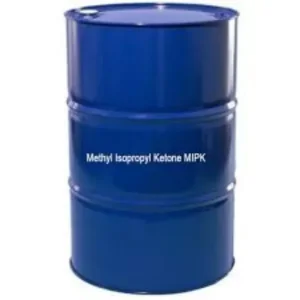
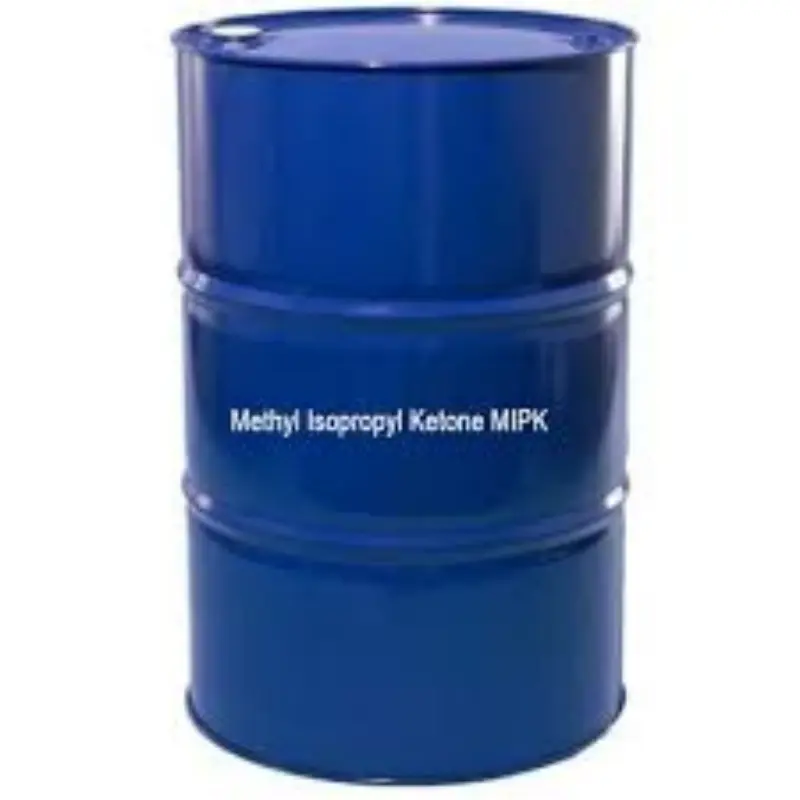
The product is commercially supplied and packaged in high-quality 200L HDPE drums and 200L Iron drums.
Yes, it falls under the Flammable Liquids category. It poses a flammability hazard in the presence of open flames, high heat, or oxidizing agents, and can form explosive mixtures with air.
It is classified as graded poisoning, with an acute oral toxicity (mouse) LD50 of 2572 mg/kg. It also exhibits moderate skin irritation and mild eye irritation upon direct contact.