Explore our core selection of high-grade chemicals manufactured to strict international quality standards.
Understanding the Chemistry, Applications, Global Trade Dynamics, and the Crucial Role of Shandong Saier Chemical Technology Development Co., Ltd.
In the modern industrial landscape, high-boiling aromatic solvents play an indispensable role in ensuring the efficacy, durability, and processing ease of high-performance formulations. Among these, Aromatic Solvent S-100 (primarily classified under CAS No. 64742-95-6, Light Aromatic Solvent Naphtha) is a key solvent used globally. Composed primarily of C9-C10 alkylbenzenes, Aromatic Solvent S-100 offers a unique combination of high solvency power (Kauri-Butanol value typically >90), an optimized evaporation rate, and a relatively high flashpoint compared to lighter hydrocarbons, making it the solvent of choice for agrochemical emulsifiable concentrates, heavy-duty protective coatings, and industrial resins.
As regulatory frameworks like European REACH and the United States EPA tighten limits on volatile organic compound (VOC) emissions and hazardous air pollutants (HAPs), the demand for high-purity, low-naphthalene, and custom-fractionated aromatic solvents has surged. Global buyers are transitioning from standard off-the-shelf solvents to tailored OEM solutions. This shifts the focus toward reliable manufacturers capable of maintaining structural isomer consistency, trace element control, and sustainable, energy-efficient production methods.
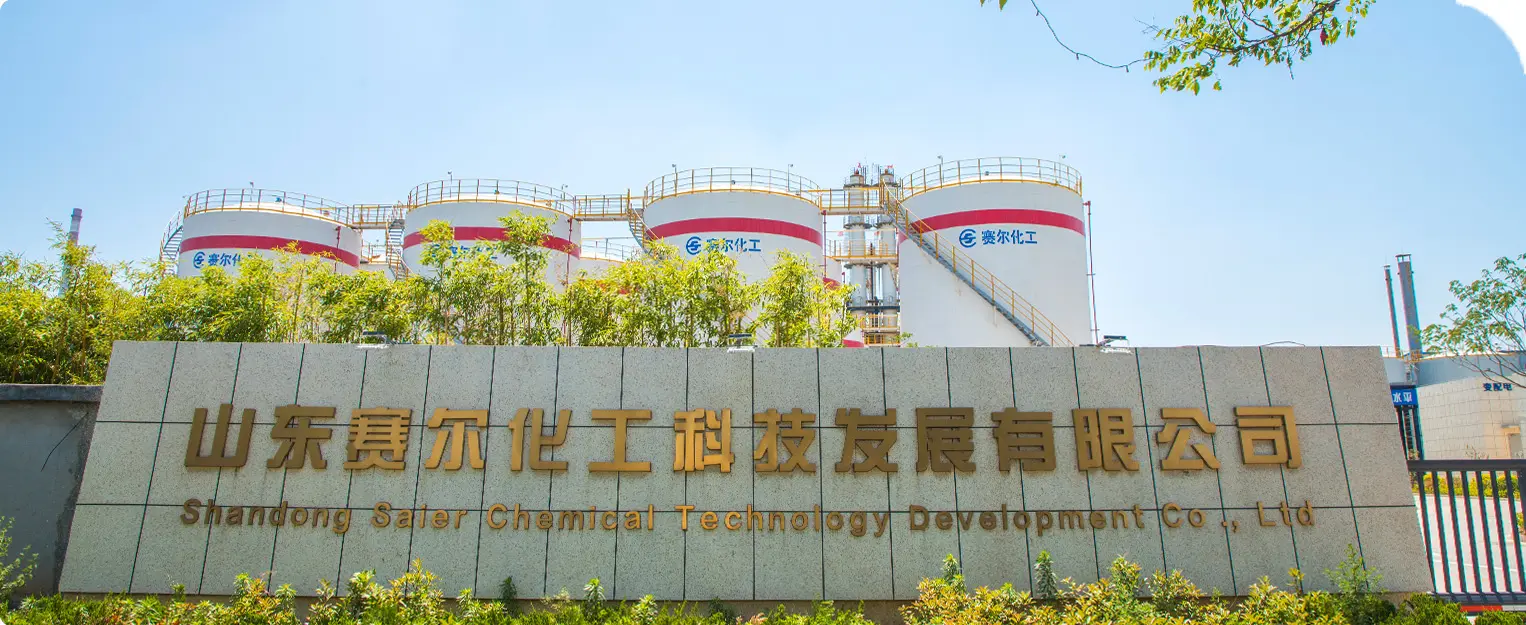
Delivering robust chemical refinement capacity and global logistics stability since 2004.
How macroeconomic pressures, environmental compliance, and regional shifts impact the demand for Aromatic Solvent S-100.
In crop protection, S-100 is widely used to formulate Emulsifiable Concentrates (EC) due to its exceptional solubility for active pharmaceutical and pesticide ingredients. While European and North American markets are increasing regulations on traditional aromatic solvents, South American and Asian agricultural hubs continue to show strong demand. Standardizing formulations with OEM-guided high-purity S-100 helps global brands clear regulatory hurdles across diverse regions.
Regulatory bodies classify naphthalene as a potential carcinogen, driving demand for "Naphthalene Depleted" (ND) hydrocarbon solvents. Under OEM specifications, distillation techniques remove naphthalene down to <0.9% or even <0.1% by weight. Shandong Saier has developed specialized fractionation columns to consistently supply these ultra-low naphthalene variants (like S-150ND and high-purity S-100 equivalents) to meet stringent import criteria in the EU and North America.
Large-scale chemical end-users require unique boiling point ranges, customized flash points, and controlled aromatic isomer distributions (such as selective enrichment of C9 components like trimethylbenzene and methylethylbenzene). OEM manufacturers must offer customized formulations, blending specified ratios of S-100, S-150, or aliphatic hydrocarbons to match precise process tolerances.
How geographic integration and feedstock security enable Shandong Saier to deliver stable supply chains and competitive pricing.
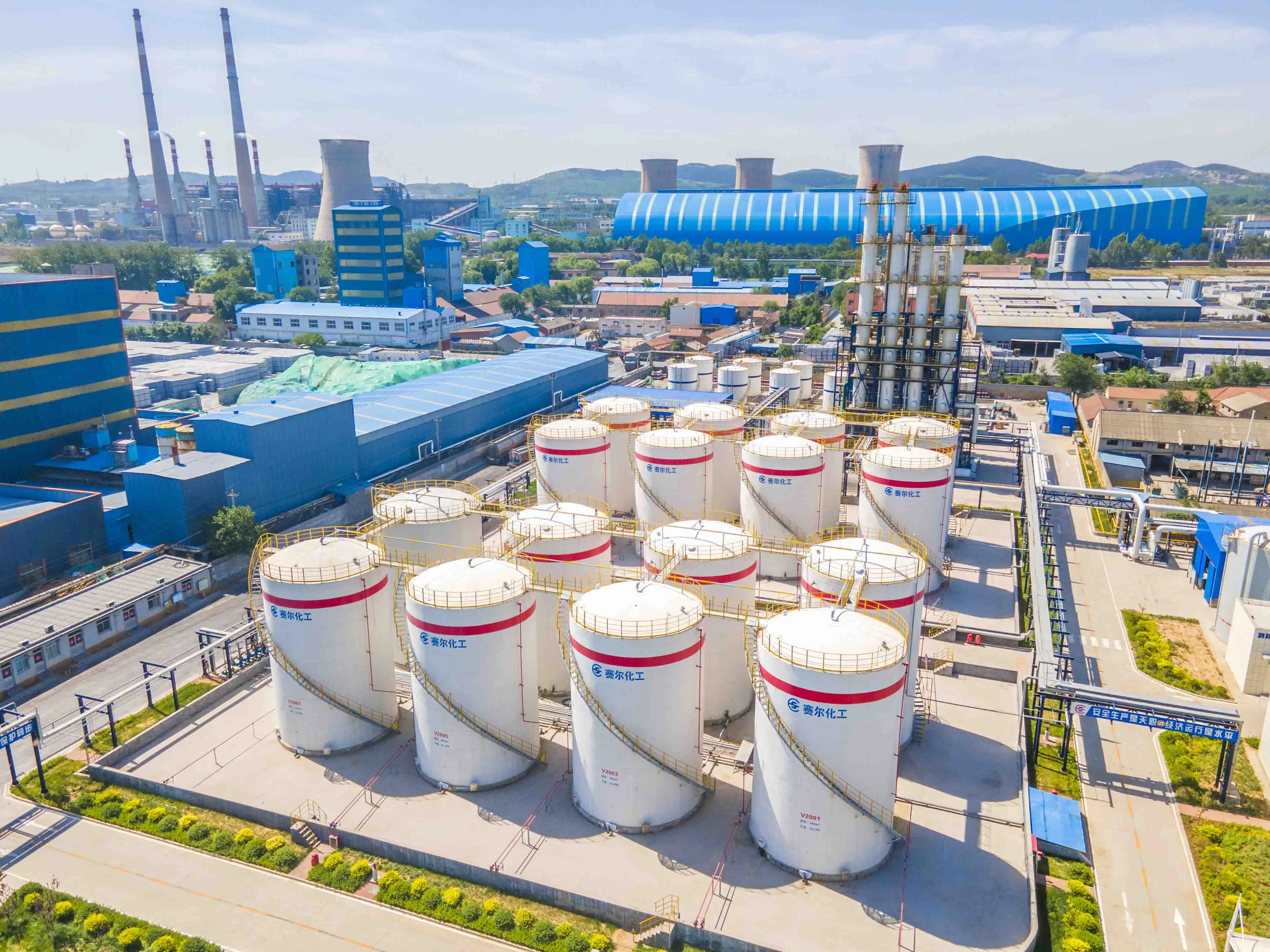
Based in Linzi, Zibo City, Shandong Province—the birth cradle of Qi culture and a leading modern chemical hub—Shandong Saier Chemical operates within the Qilu Chemical Industrial Park. This location provides access to direct pipeline connections and feedstock supplies from state-owned refineries and aromatic plants, including Sinopec Qilu Petrochemical, PetroChina, ChemChina, Zhejiang Petrochemical, and Hengli Petrochemical. This secure raw material supply minimizes price volatility and ensures stable operations, even during global supply chain disruptions.
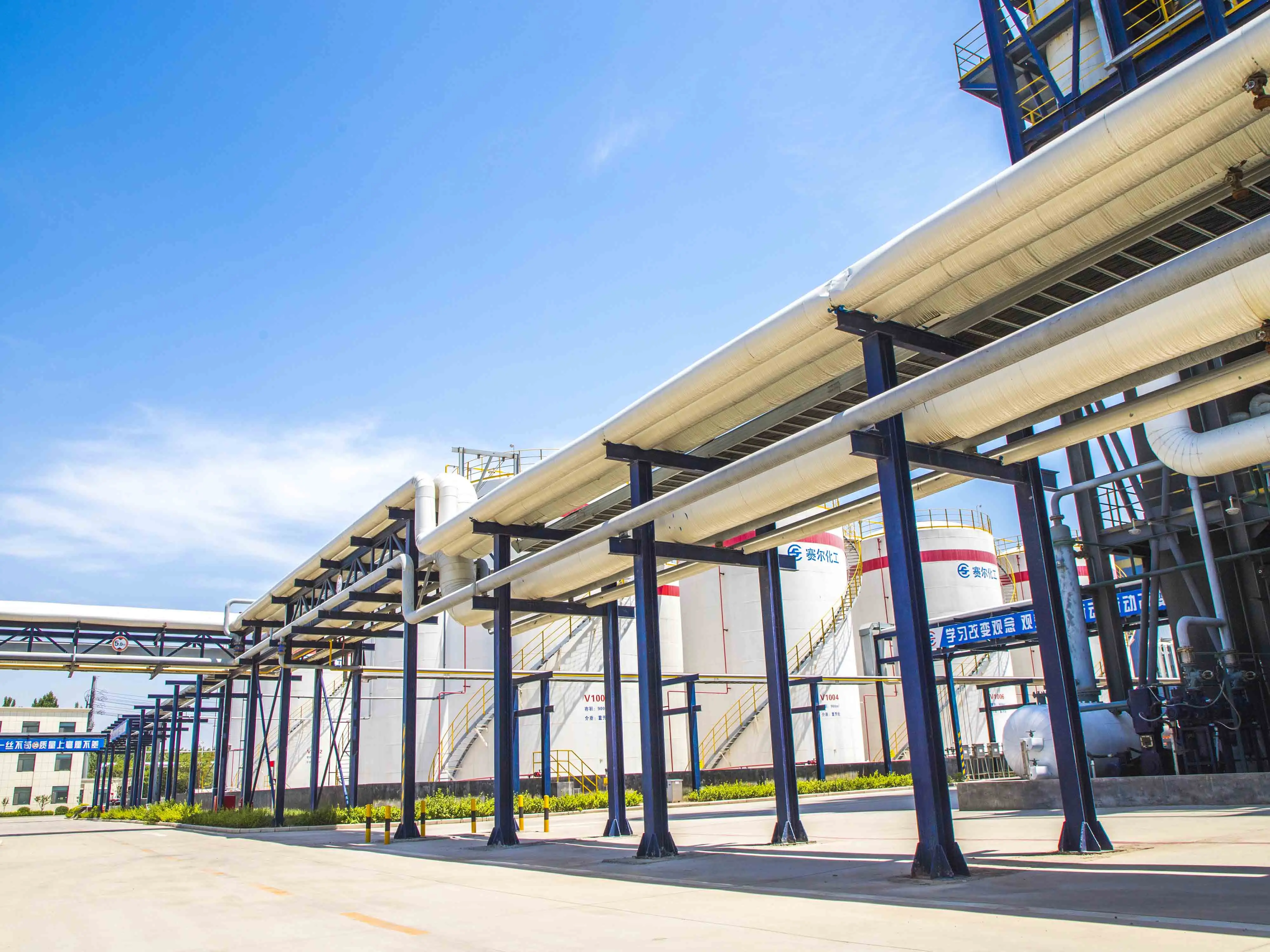
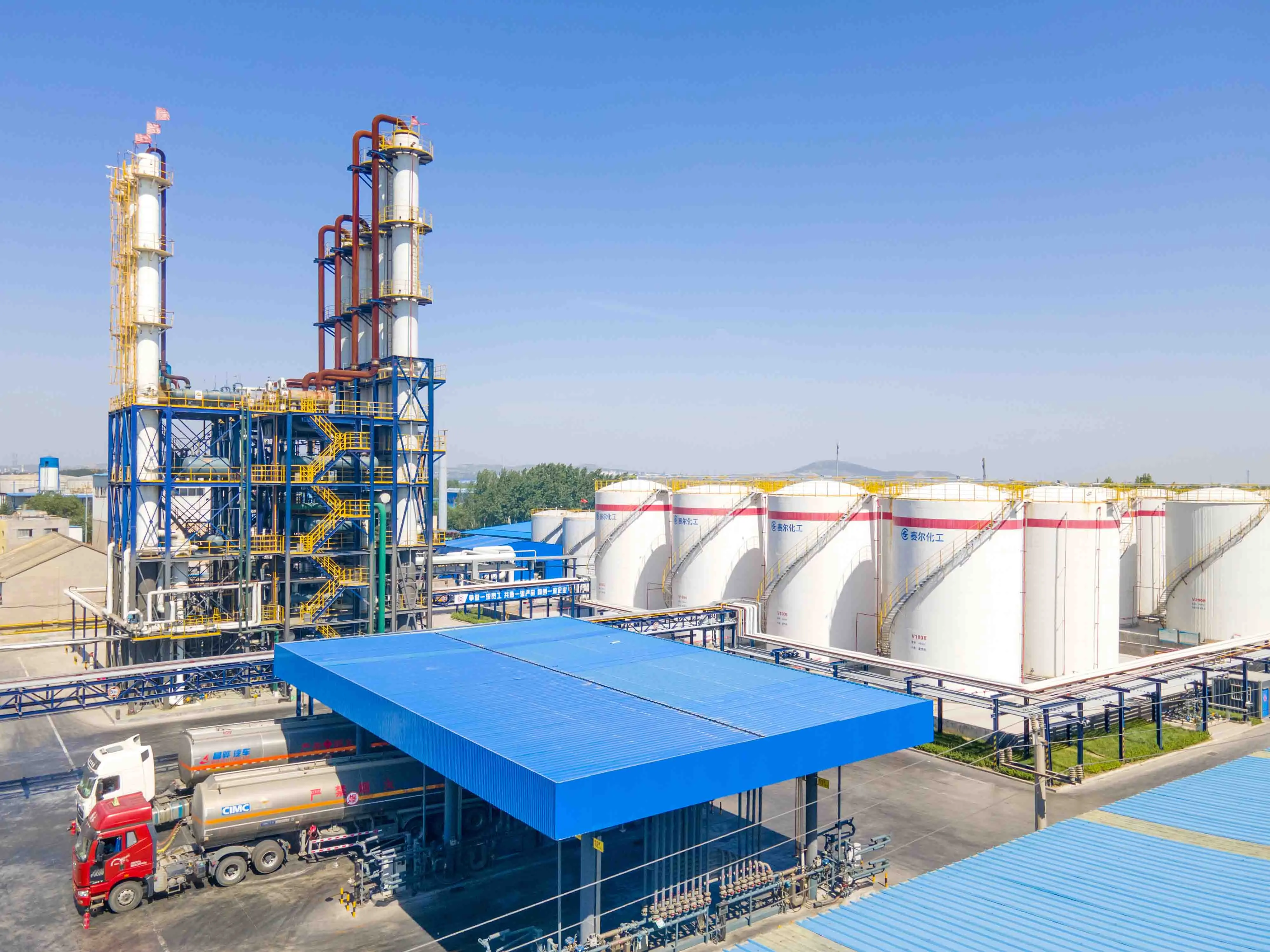
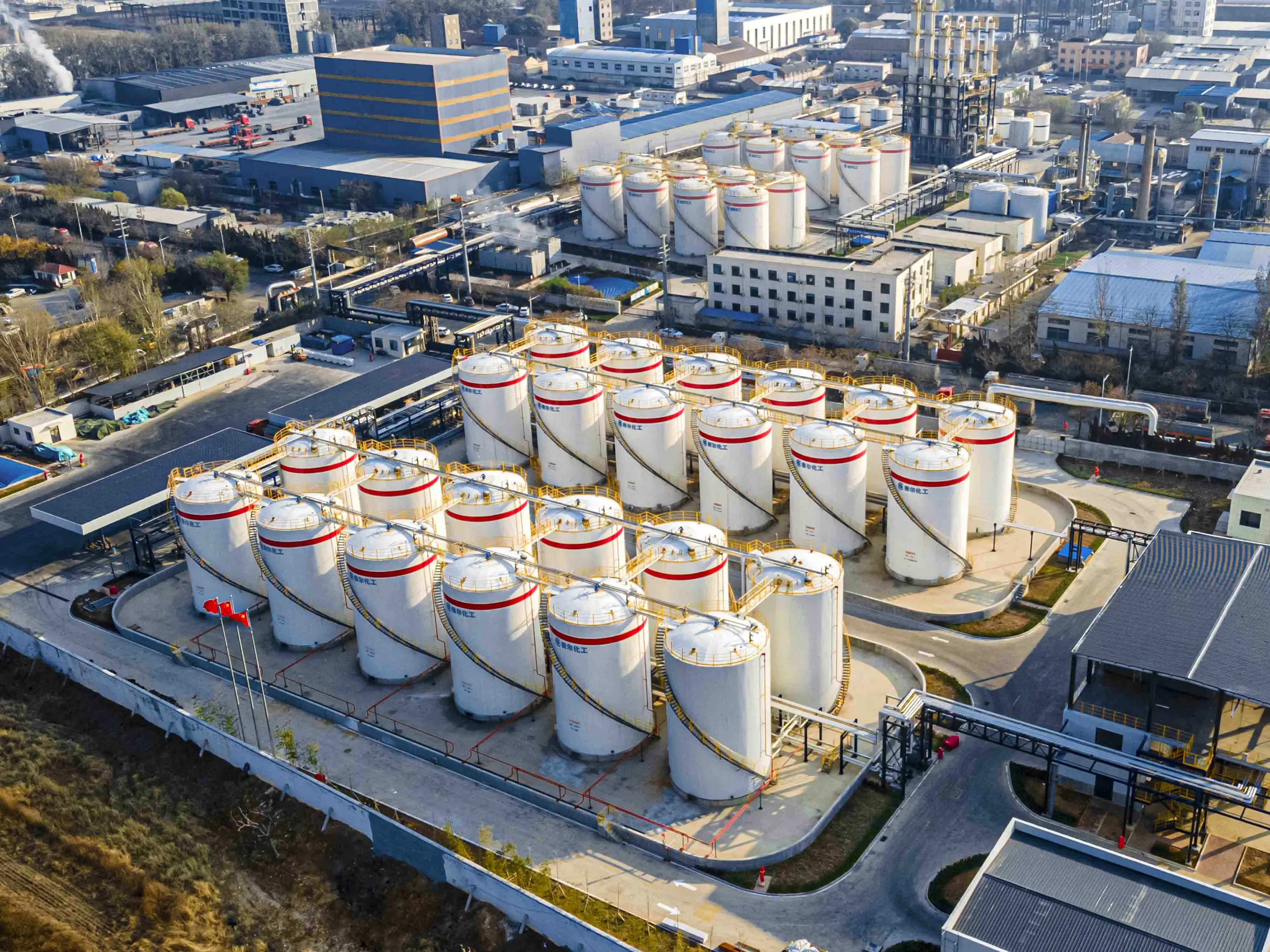
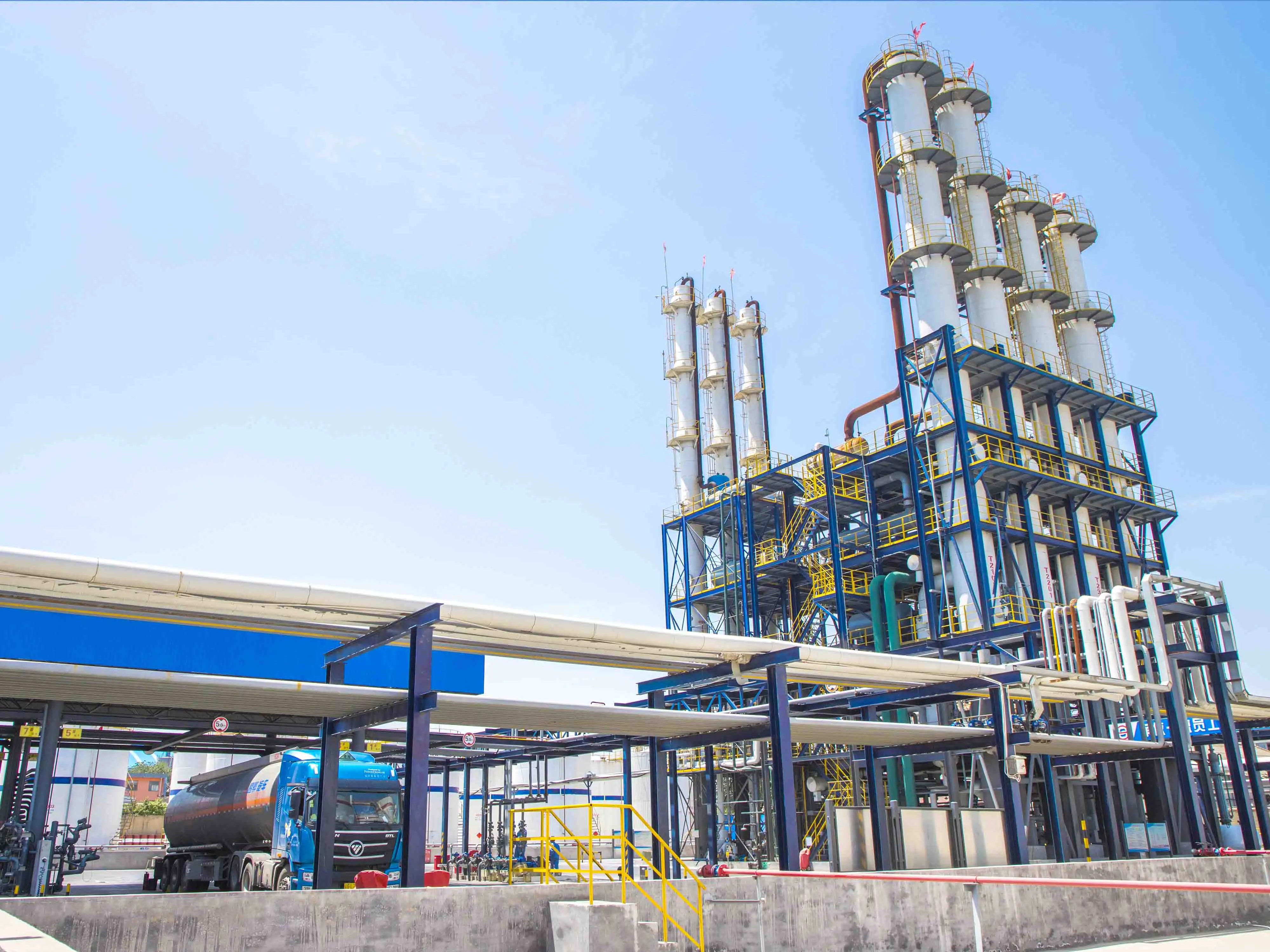
With an annual production capacity of 720,000 tons of refined solvents and chemical intermediates, Saier Chemical leverages economies of scale. Continuous multi-stage distillation columns, automated DCS control rooms, and dedicated storage tank farms ensure batch-to-batch consistency. Our proximity to the Port of Qingdao allows for streamlined bulk shipping, ISO tank loading, and rapid distribution to key global markets in Europe, the Americas, and Southeast Asia.
A comprehensive comparison of properties for standard industrial-grade and OEM-tailored S-100 formulations.
| Property / Parameter | Standard S-100 Value | OEM Custom / Premium Range | Typical Test Method |
|---|---|---|---|
| Appearance | Clear & Bright, Free of Haze | Colorless Liquid (Pt-Co Max 15) | Visual / ASTM D1209 |
| Density at 20°C (g/cm³) | 0.870 – 0.890 | 0.872 – 0.885 (Adjustable) | ASTM D4052 |
| Initial Boiling Point (°C) | ≥ 150 | 152 – 156 (Narrow range) | ASTM D86 |
| Dry Point (°C) | ≤ 185 | 178 – 182 (Reduced residue) | ASTM D86 |
| Flash Point (Closed Cup, °C) | ≥ 40 | 42 – 45 (Enhanced safety profile) | ASTM D93 |
| Kauri-Butanol (KB) Value | 90 – 95 | > 92 (High solubility index) | ASTM D1133 |
| Total Aromatics (% v/v) | ≥ 99.0 | ≥ 99.5 (Deeply refined) | GC-MS / ASTM D5134 |
| Naphthalene Content (% w/w) | 0.5 – 1.0 | < 0.1 (Naphthalene Depleted Grade) | Gas Chromatography |
Exploring the functional role of Aromatic Solvent S-100 in target downstream applications.
In the crop protection sector, Aromatic Solvent S-100 is widely used to dissolve active ingredients (AIs) like pyrethroids, organophosphates, and triazole fungicides. High active loading requires a solvent with excellent solvency across a range of storage temperatures. Utilizing S-100 prevents crystallization at low temperatures, ensuring formulation stability and uniform field application.
For industrial, automotive, and coil coatings, the solvent evaporation profile is critical for film formation. S-100's moderate boiling range allows for smooth leveling and gloss development without premature skinning or air entrapment (bubbling). Its high solvency makes it compatible with alkyds, acrylics, epoxies, and polyurethane resins, helping formulators optimize viscosity and solids content.
S-100 acts as a carrier and process diluent in the production of synthetic resins, printing inks, and organic chemical syntheses. Its chemical stability under processing conditions makes it suitable for high-temperature synthesis, helping to control viscosity and run-away reaction rates in industrial reactors.
A look at the distillation process that ensures high purity and batch consistency for Saier Chemical's OEM Aromatic Solvents.
Crude C9/C10 aromatics from Sinopec or PetroChina undergo testing for moisture, density, and chemical composition before entering the storage tanks.
The pre-treated raw material is fed into continuous vacuum distillation columns. Heavy residues, pitch, and light fractions are separated to isolate the C9-C10 rich stream.
Through specialized temperature controls, naphthalene is separated into a distinct side-draw, reducing naphthalene content to less than 0.1% for regulatory compliance.
The refined solvent fractions are customized by adjusting flashpoint and KB values. Each batch undergoes Gas Chromatography-Mass Spectrometry (GC-MS) testing before packaging.
Ensuring compliance with international standards through advanced analytical testing and quality management systems.
Shandong Saier Chemical operates a dedicated Quality Control center equipped with modern analytical instruments, including Agilent Gas Chromatographs, automated Karl Fischer titrators, ASTM distillation testers, and closed-cup flashpoint apparatus. Every batch of Aromatic Solvent S-100 is tested for compliance with specifications, and a Certificate of Analysis (COA) is generated for traceability.
As a national high-tech enterprise, Saier Chemical prioritizes sustainability and green manufacturing. We utilize waste-heat recovery systems in our fractionation columns and operate dry vacuum pumps to minimize VOC leakage. The factory holds ISO 9001:2015 (Quality Management), ISO 14001:2015 (Environmental Management), and ISO 45001:2018 (Occupational Health and Safety) certifications, ensuring reliable operations and supply security.
Detailed technical and commercial answers for chemical engineers, procurement officers, and formulators.
Aromatic Solvent S-100 (CAS No. 64742-95-6) is a complex mixture of light aromatic hydrocarbons, primarily C9-C10 alkylbenzenes. The main components include trimethylbenzenes (such as 1,2,4-trimethylbenzene and 1,3,5-trimethylbenzene), methylethylbenzenes, propylbenzenes, and small amounts of cumene. The total aromatic hydrocarbon content is maintained above 99% v/v to ensure strong solvency.
The primary difference lies in the distillation range, carbon number distribution, and flashpoints. S-100 consists mainly of C9-C10 hydrocarbons with a distillation range of 150–185°C and a flashpoint of ≥40°C. S-150 contains C10-C11 hydrocarbons, boiling between 180–210°C with a flashpoint of ≥62°C. S-200 comprises C11-C12+ hydrocarbons, boiling between 230–290°C with a flashpoint of ≥100°C. Formulators select the appropriate solvent grade based on the required drying speed, application temperature, and flashpoint constraints.
Aromatic Solvent S-100 has a significantly higher Kauri-Butanol (KB) value (typically >90) compared to aliphatic solvents, which usually have KB values below 40. This high solvency is necessary to dissolve complex active pesticide ingredients (such as pyrethroids and organophosphates) and keep them in solution at low storage temperatures, preventing recrystallization in emulsifiable concentrate (EC) formulations.
Yes. Saier Chemical uses fractional distillation columns to separate naphthalene from the C9-C10 stream. We supply standard grades as well as low-naphthalene variants with naphthalene levels below 1.0% or 0.1% by weight, helping clients meet environmental and regulatory requirements in North American and EU markets.
We offer versatile packaging options to accommodate various logistics requirements. These include standard 200L steel drums (net weight 180 kg/drum), 1000L IBC tanks, and bulk ISO tanks. For high-volume clients, we also facilitate direct bulk vessel shipments from the Port of Qingdao.
Every step, from feedstock inlet to final column distillation, is monitored via a centralized DCS automated control system. Each finished batch is sampled and tested in our laboratory using Gas Chromatography (GC-MS) to confirm isomer distribution and purity. We also run ASTM tests for distillation range, flashpoint, density, and color before shipping.
Our location in the Qilu Chemical Industrial Park provides access to direct pipeline connections and feedstock supplies from state-owned refineries. This geographic proximity reduces feedstock transportation costs, ensures a reliable raw material supply, and buffers our production schedules against external market shortages.
Aromatic Solvent S-100 is classified as a Class 3 flammable liquid with a flashpoint of approximately 42°C. It should be stored in a cool, well-ventilated area away from open flames, sparks, and static discharge. Storage tanks should be equipped with nitrogen blanket systems to prevent explosive atmospheres, and all transfer equipment must be grounded to mitigate static hazards.
Whether you require specific boiling point adjustments, low-naphthalene grades, or secure supply channels for large-scale production, Shandong Saier Chemical provides tailored OEM solvent manufacturing.
From high-performance aromatic solvents to fine chemical intermediates, explore our key products below.
 Saier Chemical