Explore our highly-rectified co-solvents, diagnostic intermediates, and structural monoblocks optimized for global chemical engineering.

Bridging Raw Hydrocarbons with Industrial Precision and Sustainable Chemistry since 2004.
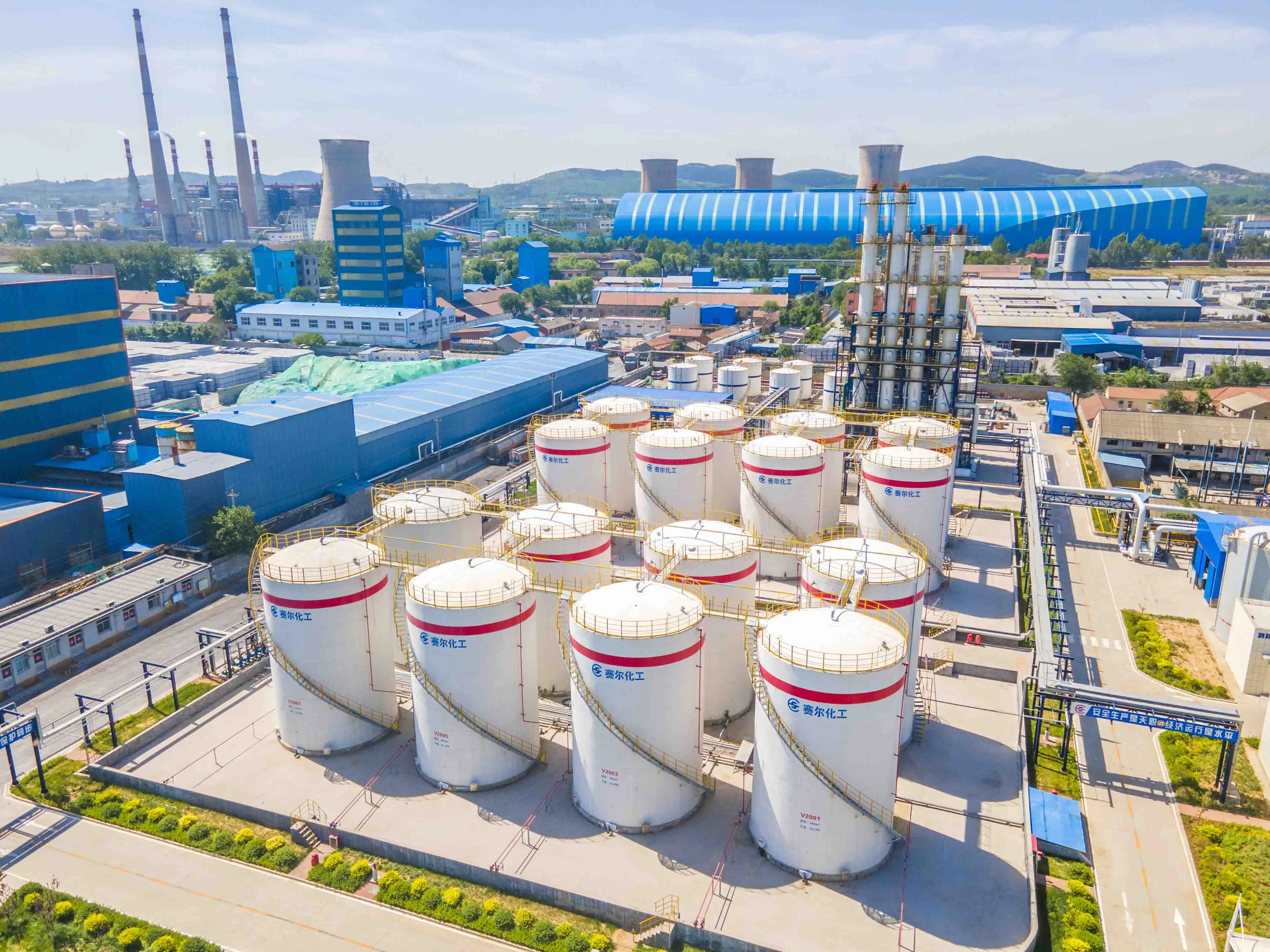
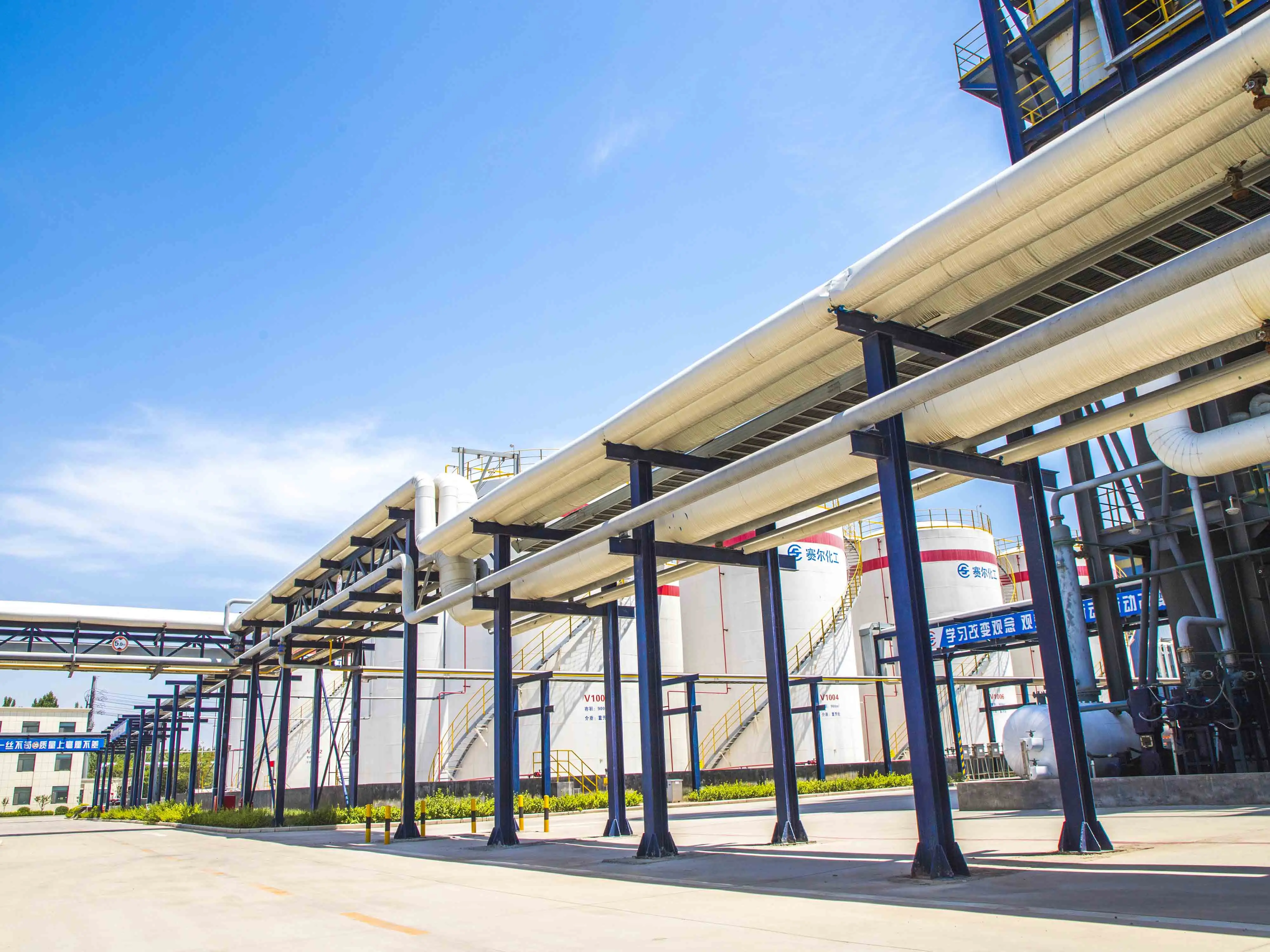
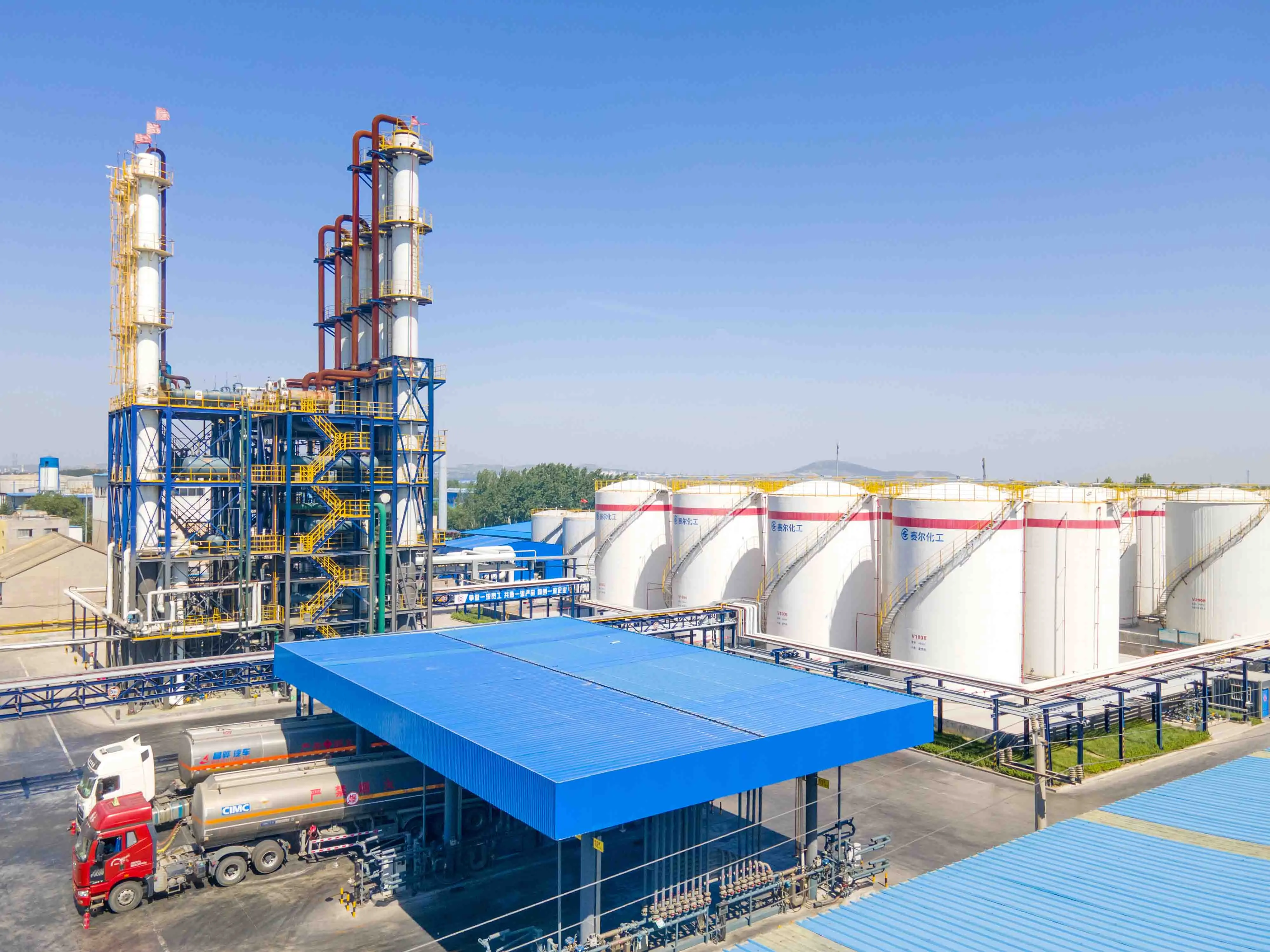
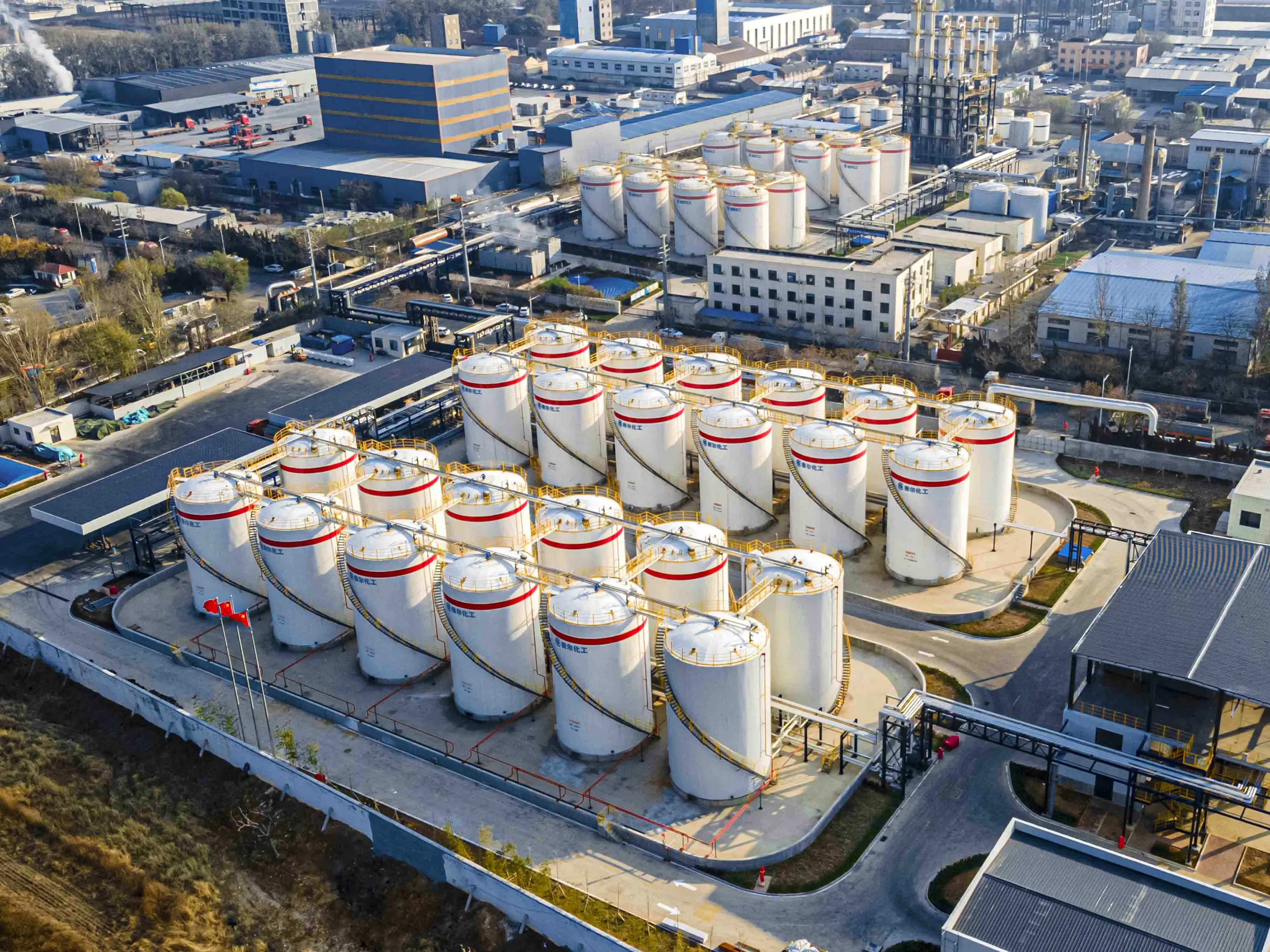
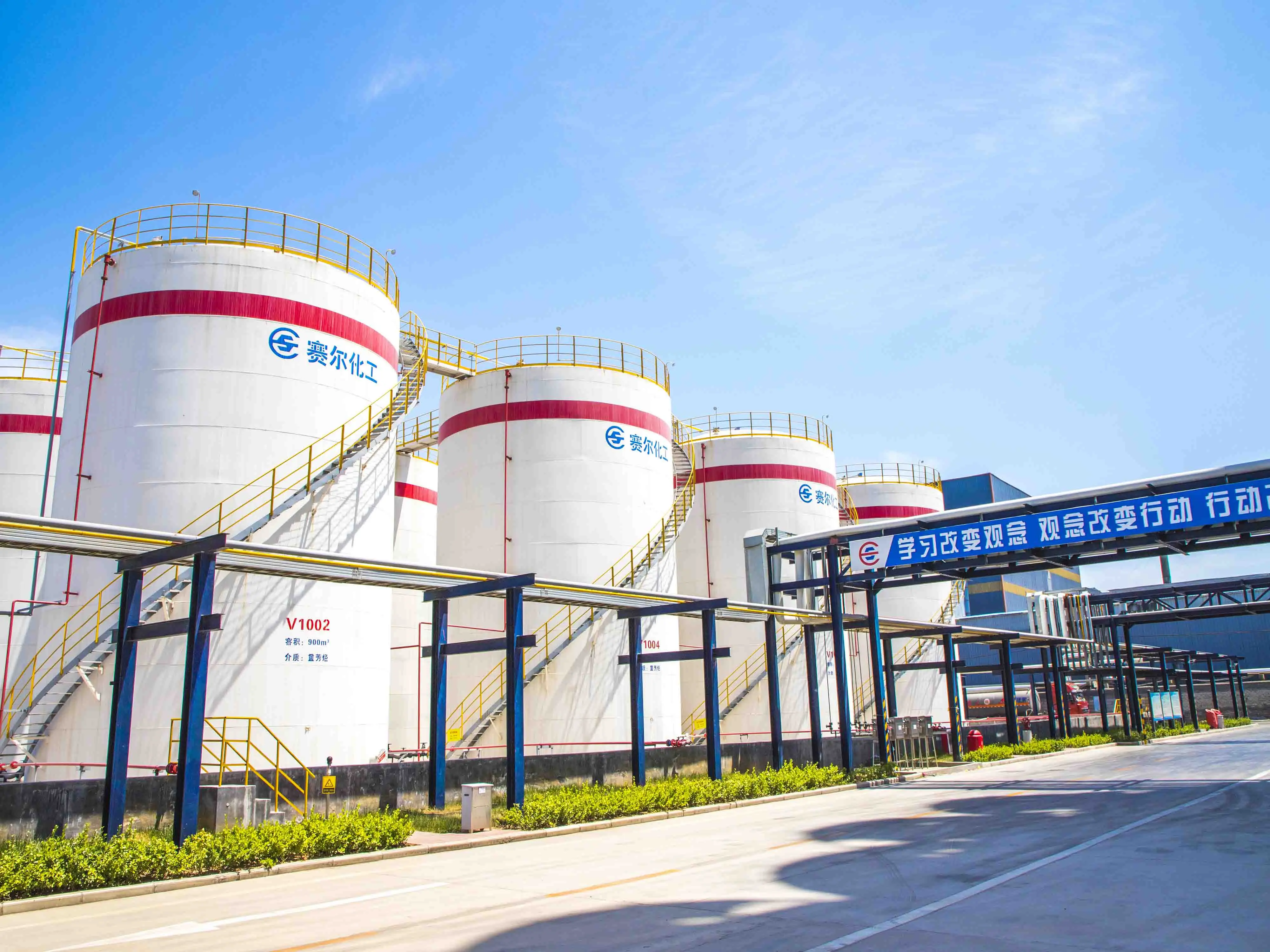
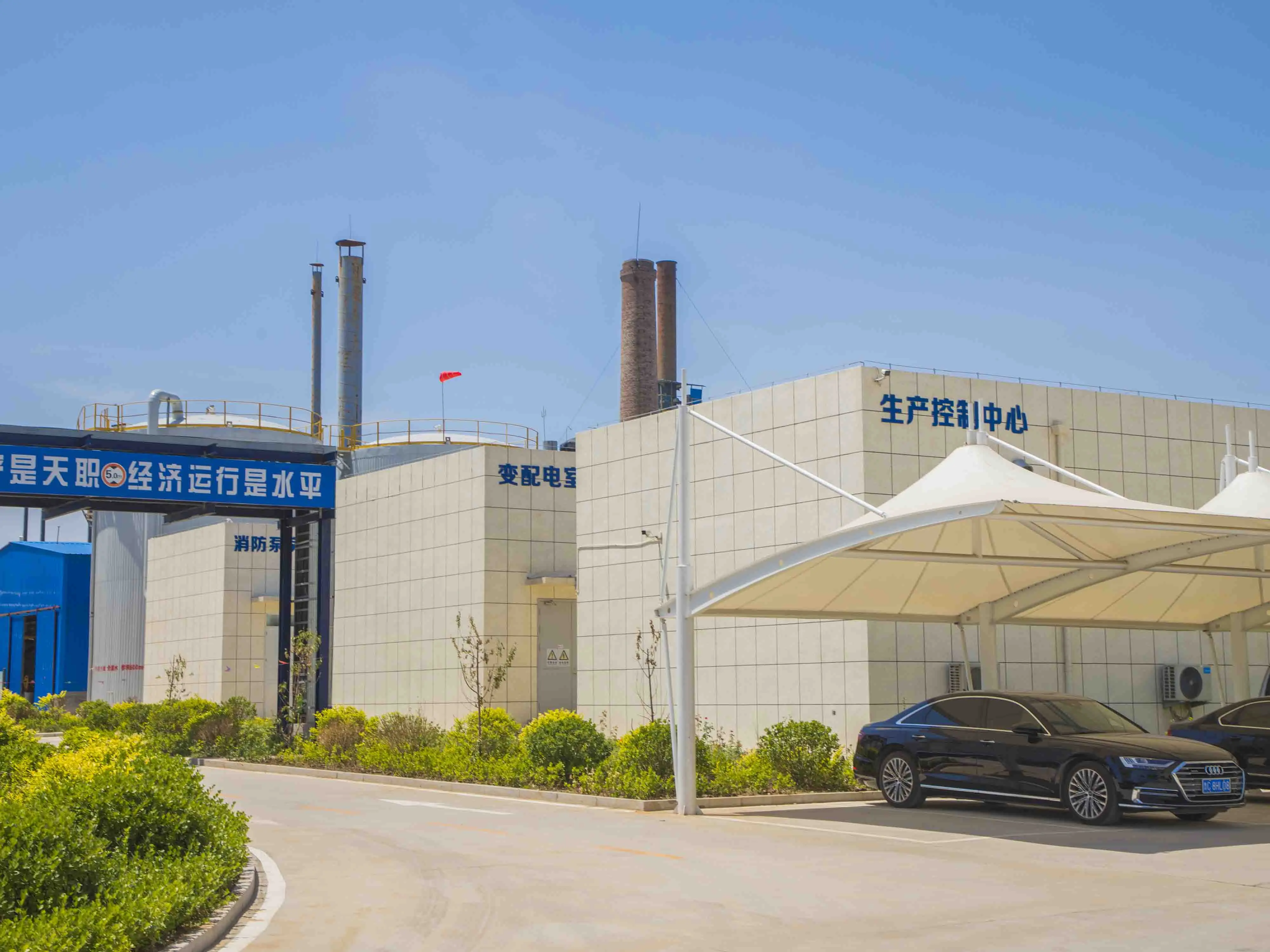
Founded in December 2004, Shandong Saier Chemical Technology Development Co., Ltd. has established a formidable presence in Zibo City, Shandong Province, specifically within the state-renowned Qilu Chemical Industrial Park. Backed by a robust registered capital of 60 million yuan, we have built a fully integrated ecosystem spanning chemical engineering, high-boiling rectification, and technical support. Our primary production facility spans modern fractional distillation systems capable of outputting a staggering 720,000 tons annually.
Through decades of strategic partnerships with industry giants including Sinopec, PetroChina, ChemChina, Zhejiang Petrochemical, and Hengli Petrochemical, we guarantee absolute supply chain integrity. By utilizing raw materials straight from major refineries and aromatics installations, we control purity indices from the raw distillation feed all the way to finalized custom aromatic solvents and fine chemical compounds.
An in-depth analysis of aromatic solubility parameters, thermodynamics of emulsion formulation, and structural intermediates.
In industrial paint, coating, and agrochemical systems, the selection of an optimized co-solvent is driven by its thermodynamics. According to the Hansen Solubility Parameter (HSP) theory, solubility is determined by three essential intermolecular forces: dispersion bonds ($D$), polar bonds ($P$), and hydrogen bonds ($H$).
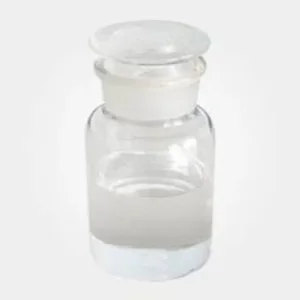
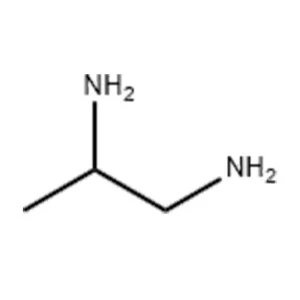
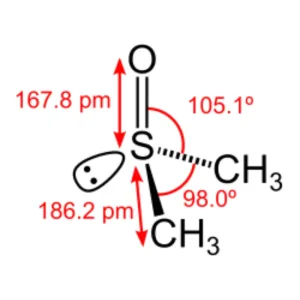
Industrial co-solvents such as Aromatic Solvent S100 (CAS 64742-95-6) and Aromatic Solvent S150 (CAS 64742-94-5) consist primarily of $C_{9}$ to $C_{12}$ aromatic hydrocarbons, displaying high dispersion forces and moderate polar interactions. When paired with secondary co-solvents like Dimethyl sulfoxide (DMSO) or 1,2-Diaminopropane, they form a synergistic binary or ternary system. This synergy lowers the critical micelle concentration (CMC), stabilizes active ingredients, and inhibits low-temperature crystallization during long-term storage.
A classic bottleneck for high-boiling aromatic solvents is the presence of naphthalene—a toxic, crystalline polycyclic aromatic hydrocarbon (PAH). In agriculture, strict European Union and North American regulations limit naphthalene content to under 1.0% or even 0.1% (naphthalene-depleted grades or S150ND/S200ND).
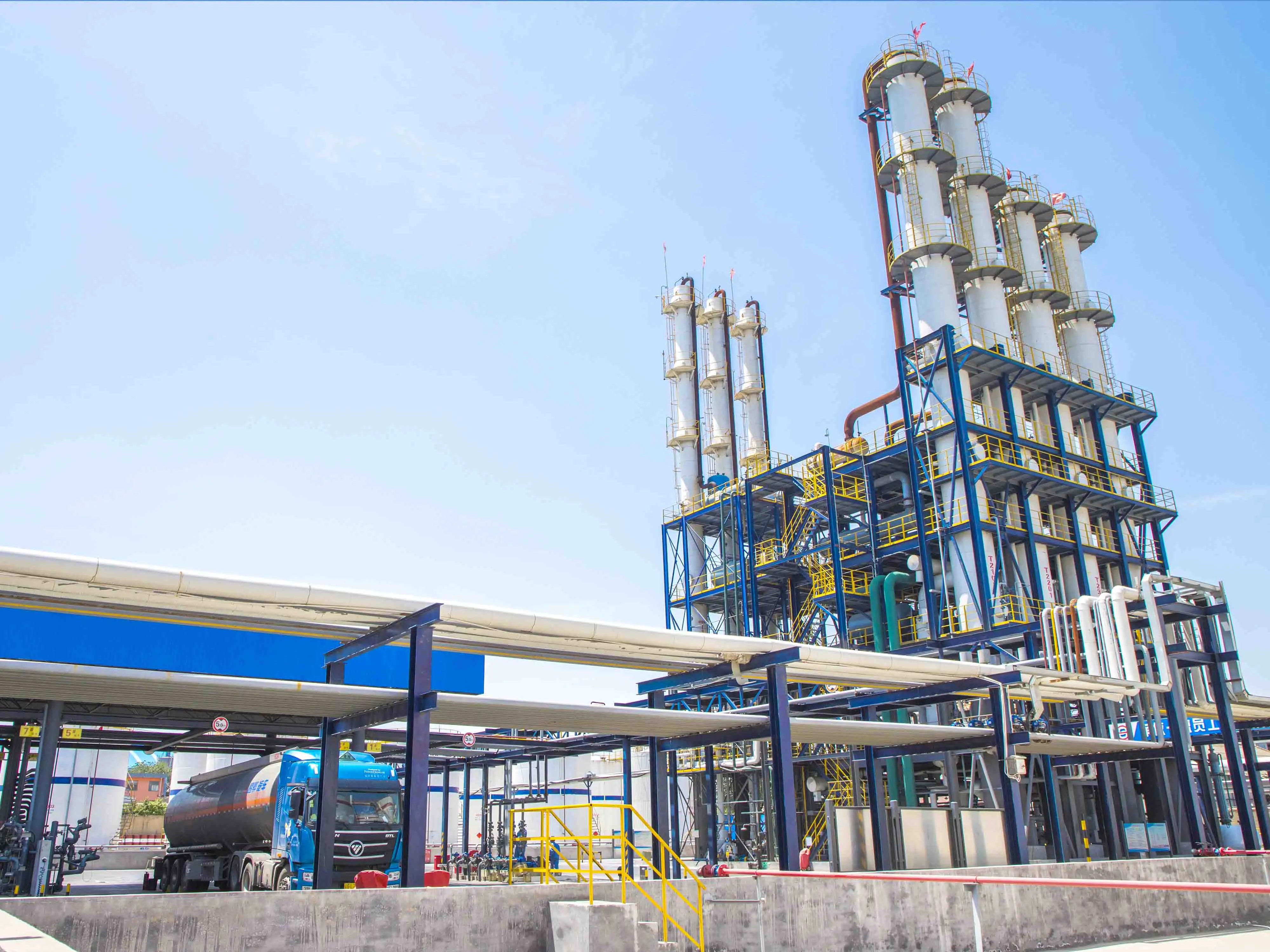
Shandong Saier utilizes advanced multi-stage continuous fractional rectification. Raw aromatic reformate or catalytic naphtha feeds are introduced into our high-efficiency vacuum columns. By regulating vapor-liquid equilibrium (VLE) curves at precise thermal gradient stages, we separate light-ends ($C_{8}$) and heavy crystallizing components ($C_{10}-C_{12}$) such as naphthalene and methylnaphthalene. The resulting solvents, such as S150ND, offer excellent KB (Kauri-Butanol) values exceeding 90 while maintaining compliance with international eco-toxicity standards.
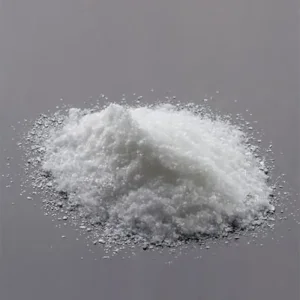
Co-solvent production exists in tandem with specialty fine chemical synthesis. High-value materials like Durene (1,2,4,5-Tetramethylbenzene) and Pyromellitic Dianhydride (PMDA) represent the pinnacle of modern polymer engineering. Durene is oxidized to form PMDA, which serves as a core monomer for high-performance polyimide films utilized in flexible copper-clad laminates (FCCL) and aerospace insulation.
Similarly, fluorinated building blocks such as 5-Chloro-2,3-difluoropyridine and heterocyclic cores like 1,2,4-Triazole act as critical precursors for the agricultural and pharmaceutical sectors. These molecules rely on precise solvent-mediated halogenations and nucleophilic substitutions where high-polar, high-boiling co-solvents determine yield optimization and isomer control.
Custom chemical formulations designed for key sectors including aerospace, crop science, automotive coatings, and thermal engineering.
Providing optimal dissolution capacity for complex emulsifiable concentrates (EC), oil dispersions (OD), and micro-emulsions (ME). Our low-naphthalene S150ND and S200 solvents maintain physical stability and eliminate cold-weather crystallization of active crop-protection chemicals.
Optimizing evaporation curves in automotive OEM coatings, industrial coil finishes, and protective marine paints. S100 and S150 regulate film-forming characteristics, preventing orange peel defects, pinholes, and blistering while ensuring excellent leveling and adhesion profiles.
Supplying specialized synthetic heat transfer media like L-QC320 oil. Designed for fluid temperature control systems operating at up to 320°C in chemical reactors, polymerization plants, and distillation units, maintaining high thermal efficiency and anti-coking properties.
Producing structural building blocks like Pyromellitic Dianhydride (PMDA), Pyromellitic Acid (PMA), and Durene for manufacturing polyimide films, electronic encapsulants, and epoxy curing agents requiring high thermal, chemical, and physical resistance.
Navigating REACH, TSCA, GHS, and international chemical transport logistics with total compliance and local technical assistance.
We provide localized engineering support directly to research facilities and production plants in the Americas, Europe, Asia-Pacific, and Southeast Asia. Our field engineers analyze localized variables—such as low seasonal ambient temperatures or specific regulatory flash-point thresholds—to tailor aromatic fractions accordingly. By altering solvent ratios, we optimize viscosity, evaporation rates, and solubility metrics to match client-specific processes.
Our analytical laboratories are equipped with high-resolution Gas Chromatography-Mass Spectrometry (GC-MS), automated ASTM distillation equipment, and Karl Fischer moisture titrators, allowing us to generate custom certificates of analysis (COAs) for every exported batch.
Navigating global chemical control regulations requires high-level corporate diligence and transparent documentation. Shandong Saier operates in full compliance with:
Charting the future of VOC reduction, bio-based solvent integration, and energy-efficient manufacturing.
As the international chemical community transitions toward carbon neutrality and low-emission operations, Shandong Saier is proactively aligning its infrastructure with eco-friendly chemical engineering. Our strategic technical roadmap centers on two primary goals: reducing operational emissions and pioneering the next generation of biodegradable green co-solvents.
Our plants are equipped with high-capacity zeolite rotor concentrators integrated with regenerative thermal oxidizers (RTO). This system captures and destroys 99.5% of volatile organic compound (VOC) emissions during our distillation and filling processes, preventing chemical release into the atmosphere.
We are investing in catalytic hydrogenation technologies to yield highly-refined, de-aromatized aliphatic solvents. These hydrocarbons feature extremely low toxicity, high flash points, and low odor profiles, meeting the requirements of consumer-facing paint, printing ink, and cosmetic formulations.
Our R&D team is screening bio-derived raw materials (such as alkyl lactates and fatty acid methyl esters) to create hybrid bio-synthetic solvent systems. These blends deliver high KB values while improving overall carbon neutrality profiles.
In-depth responses from our chief chemists and export managers regarding aromatic solvents and structural intermediates.
A look inside our state-of-the-art office spaces, testing facilities, and international industry exchanges.
Get in touch to request technical documentation, safety data sheets, samples, or customized quotes. We respond to all commercial inquiries within 24 hours.
Direct Hotline / WhatsApp Support: +86 15853357907
Inquire & Request SamplesFurther specialty intermediates, high-purity organosilicon compounds, and thermal engineering fluid alternatives.
 Saier Chemical