Saier Chemical
1 / 2
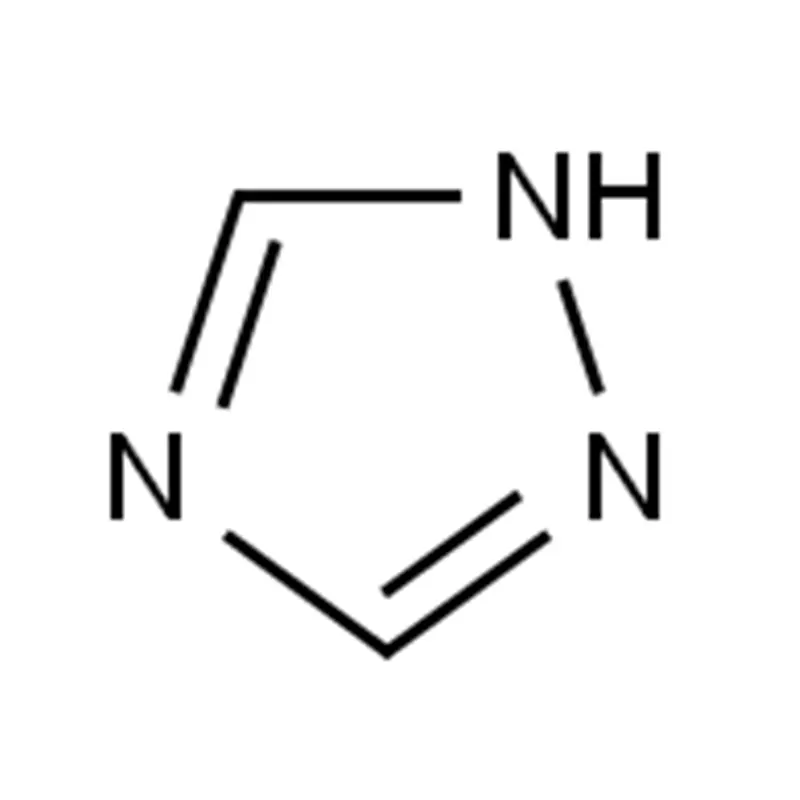
1,2,4-triazole has weak alkalinity and can form stable salts with strong acids. The nitrogen atom in its molecule has a lone pair of electrons and can participate in various chemical reactions as an electron donor, such as forming a complex with metal ions. At the same time, it can also undergo substitution reactions, addition reactions, etc. Under different reaction conditions, the hydrogen atoms on its ring can be replaced by different groups, thereby deriving various compounds with different properties and uses.
Triazole heterocyclic compounds have a wide range of biological activities, such as antibacterial, sedative, antianxiety, anti-inflammatory, weed control, insecticide, and plant growth regulation. 1,2,4-triazole is an organic chemical intermediate with a wide range of applications. The rapid development of triazole agricultural chemicals, especially triazole fungicides, has opened up new application areas for 1,2,4-triazole.
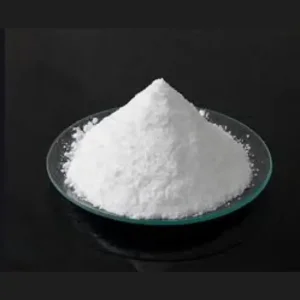
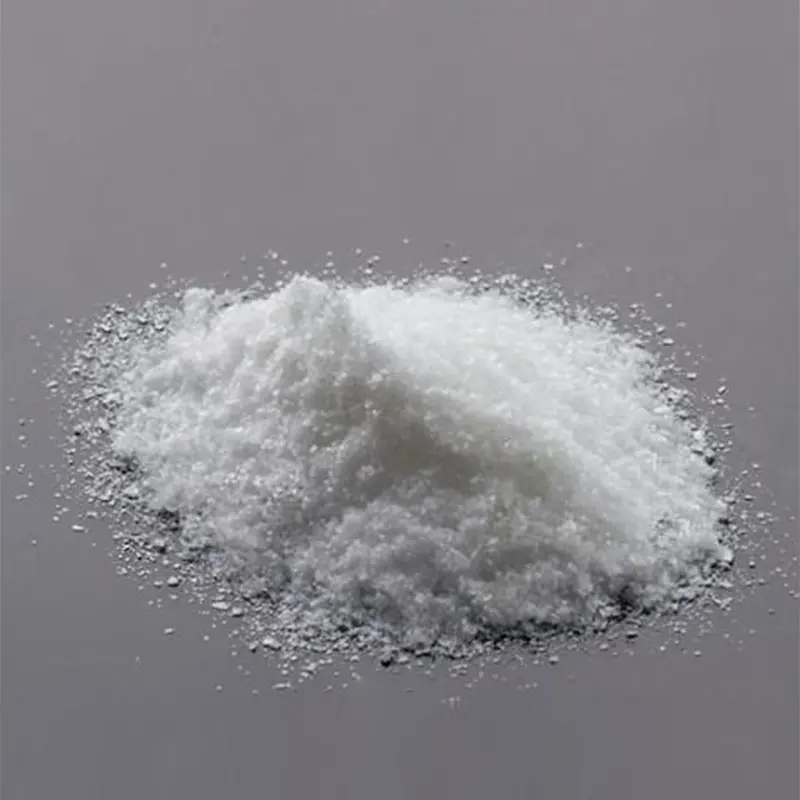
The pure product of 1,2,4-triazole is white needle-shaped crystals, and the industrial product is pink or brown solid, with a melting point of 120-121°C and a decomposition point above 220°C. It is easily soluble in water, slightly soluble in acetone and ethyl acetate, and insoluble in chloroform and benzene.
| Property / Parameter | Value / Specification |
|---|---|
| Melting Point | 119-121°C (lit.) |
| Boiling Point | 260°C (lit.) |
| Density | 1.15 g/cm³ (130°C) |
| Flash point | 140°C |
| Form | Crystalline powder and flakes |
| Packaging | 25KG Bag |
1,2,4-Triazole is an important intermediate for the synthesis of pesticide fungicides, plant growth regulators such as paclobutrazol, diniconazole, triadimefon, and triadimefon. It can also be used as an intermediate for a variety of pesticides, medicines, and dyes. Its demand is increasing as the scope of application expands. 1,2,4-Triazole is a very valuable five-membered nitrogen-containing heterocyclic skeleton that is widely present in many functional molecules and is used in organic catalysis, materials science and other fields.
It serves as a key intermediate for synthesis of many drugs. In antifungal drugs, it inhibits the synthesis of ergosterol on the fungal cell membrane to sterilize, which is key in drugs like fluconazole and itraconazole.
Used to synthesize highly efficient, low toxicity, and broad-spectrum fungicides, insecticides, and herbicides like triadimefon and tebuconazole to protect crop yields.
Used as a metal corrosion inhibitor by forming a protective surface film. Also introduces thermal stability and flame retardancy when integrated into polymer materials.
Utilized as a developer and fixer in the photographic industry and as an additive in the electroplating industry to improve electroplating layers.
Handling: 1,2,4-triazole is irritating to the eyes, skin, and respiratory tract. Avoid direct exposure. In case of accidental contact, rinse immediately with plenty of water and seek medical attention.
Storage: Store in a sealed container in a cool, dry, well-ventilated location. Keep away from sources of ignition, strong oxidants, strong acids, and strong alkalis.