Saier Chemical
1 / 2
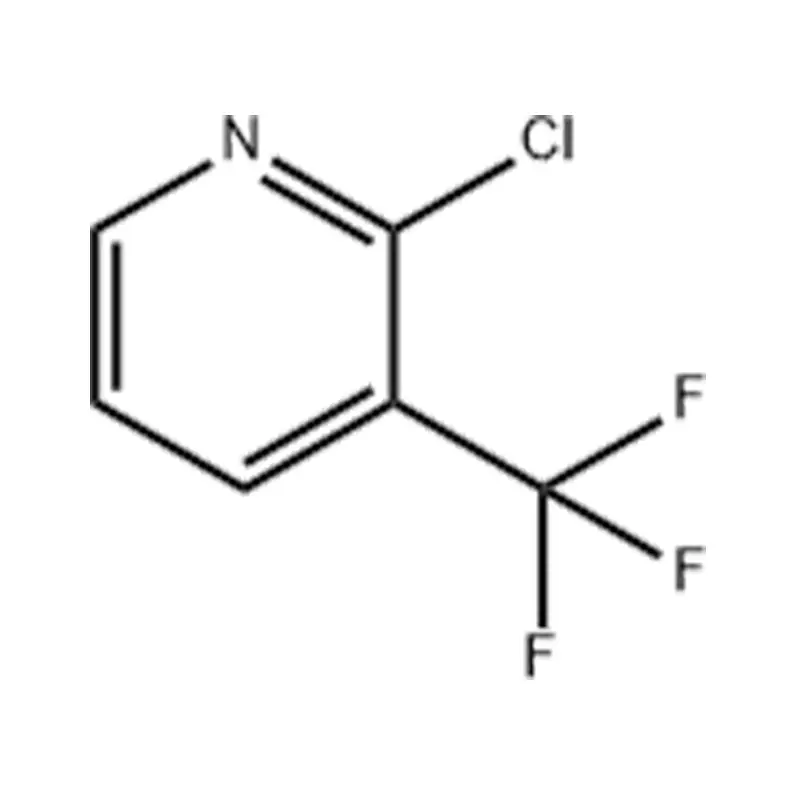
Since the pyridine ring contains chlorine atoms and trifluoromethyl groups, the compound has certain chemical activity. The chlorine atom can undergo substitution reactions, such as being replaced by a nucleophile under appropriate conditions; the trifluoromethyl group has strong electron-withdrawing properties, which will affect the electron cloud distribution on the pyridine ring, thereby affecting its reactivity and selectivity, making the hydrogen atoms on the pyridine ring have certain acidity, and can also participate in some specific organic reactions.
| Melting Point | 36-40 °C |
| Boiling Point | 166-168 °C |
| Density | 1.416 ± 0.06 g/cm³ (Predicted) |
| Flash point | 180 °F |
| Color | translucent |
| Solubility | Soluble in methanol |
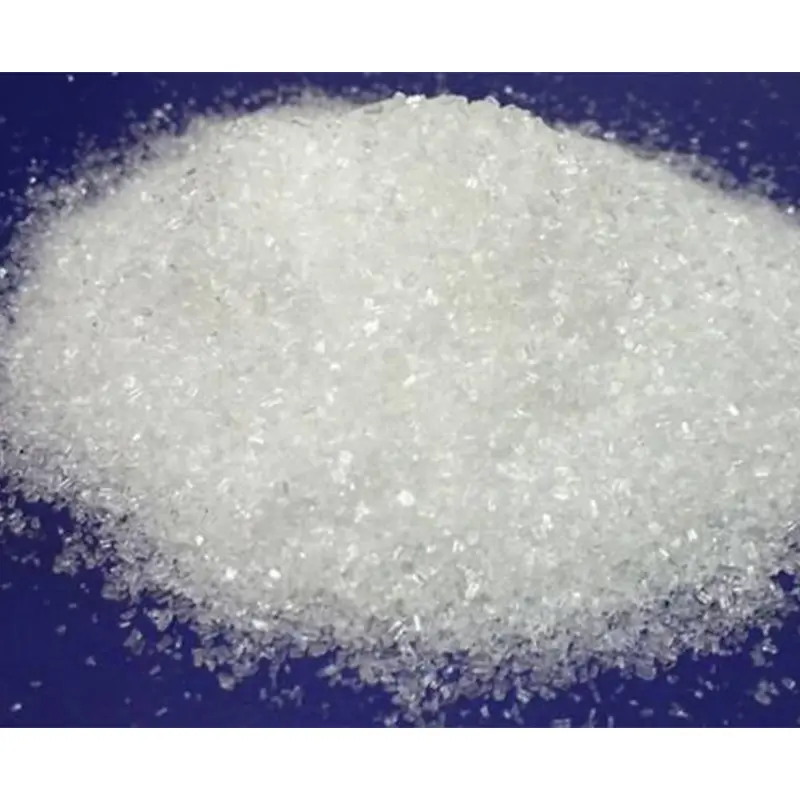
| Form | Crystal |
| Packaging | 25KG Bag |
2-Chloro-3-trifluoromethylpyridine has important applications in the fields of medicine and pesticides. It is an important intermediate for the synthesis of a variety of drugs and can be used to synthesize drugs for the treatment of cardiovascular diseases, nervous system diseases, etc. In terms of pesticides, it is a key intermediate for the production of the fluorinated sulfonylurea herbicide fluazifop-methyl and can also be used to synthesize other types of pesticides, such as insecticides and fungicides.
Pesticide field: It is an important intermediate for the synthesis of various fluorinated pyridine pesticides. Fluorinated pyridine pesticides have a unique and efficient mechanism of action and can be used to produce fungicides, herbicides and insecticides. For example, it can be used to synthesize high-efficiency insecticides such as chlorfenapyr, high-efficiency herbicides such as chlorfenapyr and high-efficiency fungicides such as fluazifop.
2-Chloro-3-trifluoromethylpyridine is irritating and toxic to the eyes, skin and respiratory tract. During use, storage and transportation, appropriate protective measures need to be taken to avoid contact with the skin and inhalation of vapor. It should be operated in a well-ventilated environment and comply with relevant safety regulations.
The trifluoromethyl group has strong electron-withdrawing properties. This significantly influences the electron cloud distribution on the pyridine ring, affecting its reactivity and selectivity, while giving the hydrogen atoms on the pyridine ring a certain level of acidity.
It is heavily utilized in the pharmaceutical and agricultural industries. In pharmaceuticals, it acts as an intermediate for synthesizing cardiovascular and nervous system drugs. In agriculture, it is a key building block for fluorinated pyridine herbicides, insecticides, and fungicides.
This compound is soluble in methanol. Its chemical activity is influenced by the chlorine atom on the pyridine ring, which allows it to undergo substitution reactions under appropriate conditions.
It is supplied in a crystal form, typically colored translucent, and standardly packaged in 25KG bags for safe and efficient transportation.
Due to its toxicity and irritation risks to the skin, eyes, and respiratory system, it must be handled in a well-ventilated environment. Operators should wear appropriate protective equipment, avoid vapor inhalation, and prevent direct skin contact.