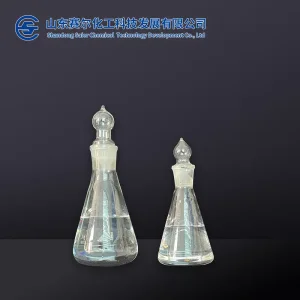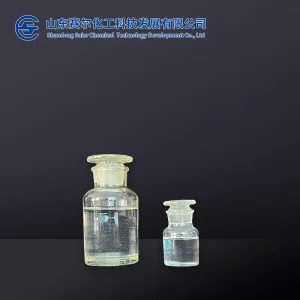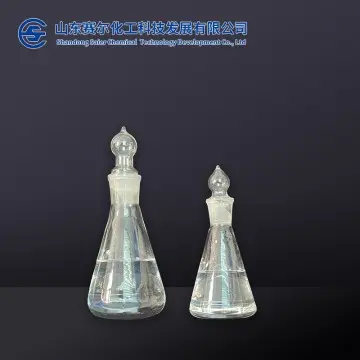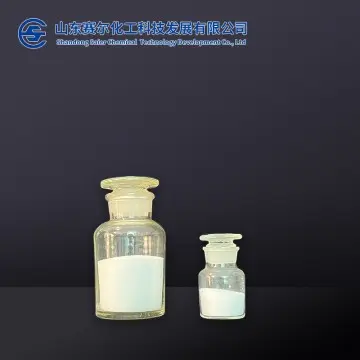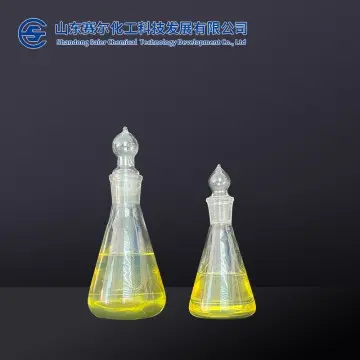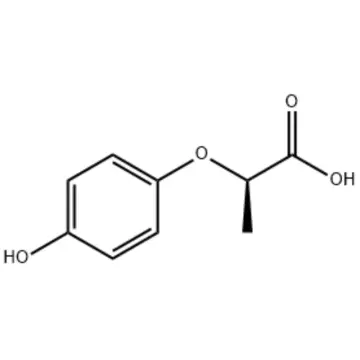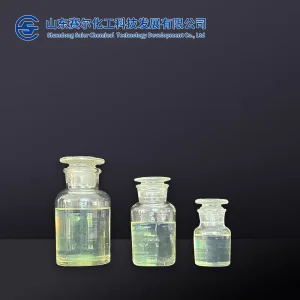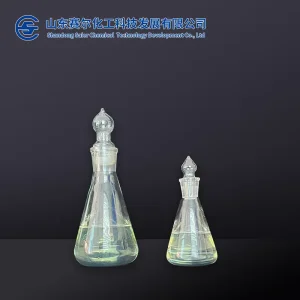
Diacetone Alcohol (DAA), chemically known as 4-hydroxy-4-methylpentan-2-one (CAS No. 123-42-2), is a clear, colorless liquid compound functioning as a dual-functional beta-hydroxy ketone. Possessing both a hydroxyl group and a ketone group within a single molecule structure, DAA exhibits unique solvency profiles and slow evaporation characteristics. This structural duality enables high solvency for a diverse range of polar and non-polar substances, rendering it a highly sought-after chemical agent across international production supply chains.
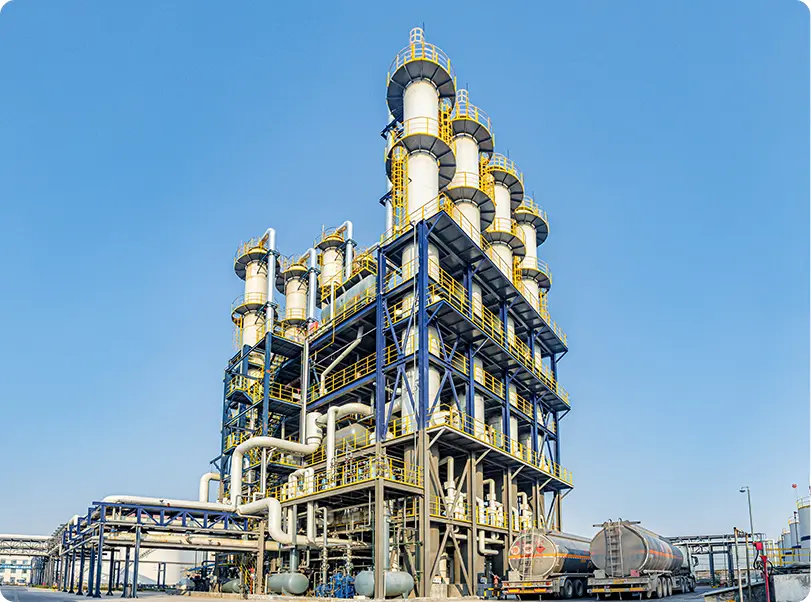
Synthesized via the liquid-phase aldol condensation of acetone in the presence of basic heterogeneous catalysts, modern refinement systems isolate high-grade Diacetone Alcohol through high-vacuum fractional distillation. This advanced engineering yields a low-odor, high-purity compound with stable physical properties. Diacetone Alcohol acts as a primary active solvent for nitrocellulose, acrylic esters, epoxy resins, alkyd resins, and various natural or synthetic binders.
| Property Parameter | Standard Metric Specification | Analytical Verification Method |
|---|---|---|
| CAS Registry Number | 123-42-2 | International Standard Index |
| Chemical Purity (wt%) | ≥ 99.5% | Gas Chromatography (GC) Analysis |
| Water Content (wt%) | ≤ 0.1% | Karl Fischer Coulometric Titration |
| Density (at 20°C) | 0.938 - 0.941 g/cm³ | ASTM D4052 Hydrometer |
| Flash Point (Closed Cup) | 58°C (136.4°F) | Setaflash Closed Cup Tester |
| Boiling Point Range | 160°C - 168°C | Standard Distillation Protocol |
| Acidity (calculated as Acetic Acid) | ≤ 0.01% | Acid-Base Indicator Titration |
Industries seeking to buy Diacetone Alcohol from verified suppliers and factories prioritize these metrics to ensure compatibility with delicate lacquer systems and agrochemical formulations. Even micro-quantities of moisture or residual alkaline catalyst can degrade storage stability, causing phase separation or unwanted polymerization in downstream chemical products.
Global trade analytics show that Chinese chemical factories represent a critical hub for high-purity organic solvent synthesis. Chinese chemical manufacturers, particularly those in dedicated heavy-industry corridors like the Zibo Qilu Chemical Industrial Park in Shandong, leverage unique systemic benefits to provide high-purity chemical components at a competitive cost structure.
Direct pipelines connect production units to upstream petrochemical refineries (Sinopec, PetroChina, Hengli Petrochemical), ensuring uninterrupted raw material supply.
Advanced multi-hundred-thousand-ton facilities enable continuous chemical process runs, stabilizing batch-to-batch quality while lowering operational costs.
Operations within state-level industrial zones assure safety and environmental compliance, preventing unexpected shutdowns due to local regulatory enforcement.
Diacetone Alcohol finds utility across diverse industrial sectors. Its physical properties are tailored for specific production formulations, addressing solvent vapor speed and active ingredient solubility:
In nitrocellulose, epoxy, and polyurethane lacquers, DAA prevents surface blushing, bubbling, and orange-peel defects. Its high boiling point and low evaporation rate maintain paint film fluidity during thermal curing, ensuring a glossy finish.
DAA serves as an eco-compatible solvent carrier for crop protection agents, fungicides, and insecticides. It improves emulsifiable concentrate (EC) formulation stability under varying temperature ranges without degrading plastic containers.
Through dehydration or selective hydrogenation, DAA acts as an intermediate for producing hexylene glycol and methyl isobutyl ketone (MIBK). Its low heavy-metal residue profile is valuable for fine organic synthesis.
The global industrial chemical sector is adapting to changing regulatory frameworks and environmental safety standards. Large-scale procurement teams are prioritizing supply chain risk management alongside cost control. Key industry trends shaping Diacetone Alcohol production and sourcing include:
Stricter environmental regulations on Volatile Organic Compounds (VOCs) are driving a shift toward high-boiling solvents like Diacetone Alcohol. Its low vapor pressure reduces ambient emissions during application, helping manufacturers meet regional air quality standards without sacrificing solvent performance.
R&D is focused on producing bio-based acetone from non-food agricultural waste, offering a lower carbon footprint for DAA synthesis. Large industrial customers are increasingly incorporating bio-derived criteria into their corporate social responsibility sourcing requirements.
Modern chemical logistics utilize ISO tanks and dedicated bulk cargo storage to minimize contaminant risks. Leading factories employ automated cleaning cycles to prevent cross-contamination, ensuring product purity from factory floor to end-user facility.
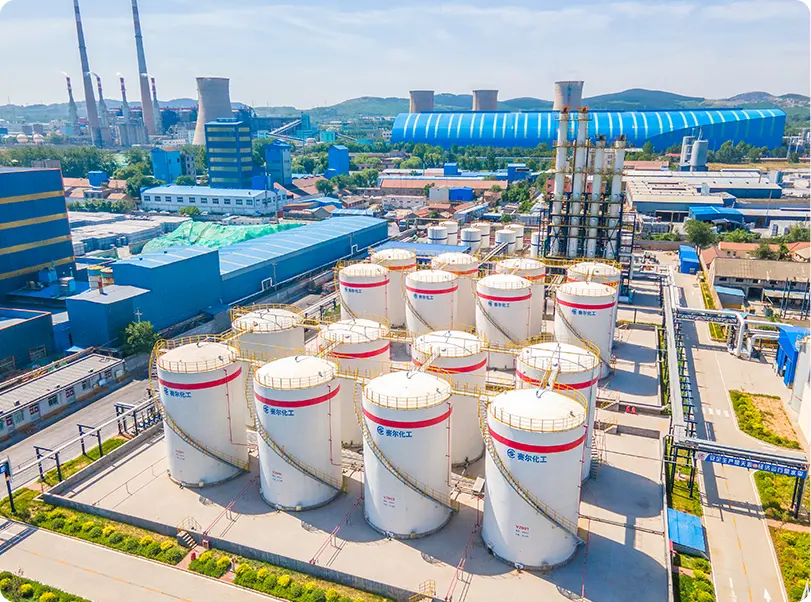
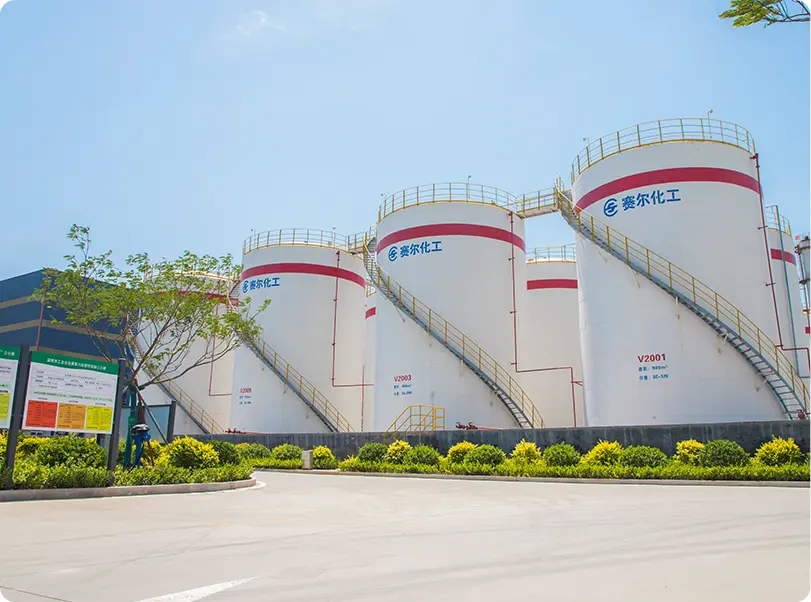
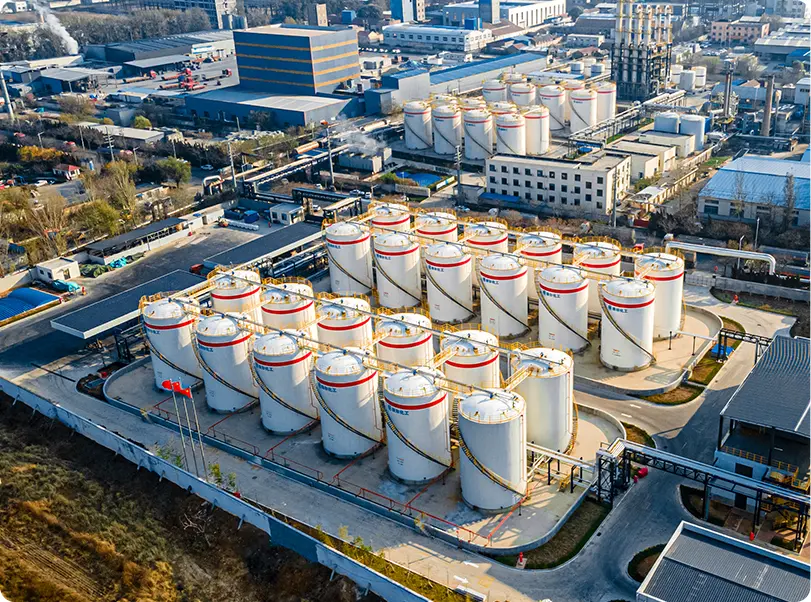
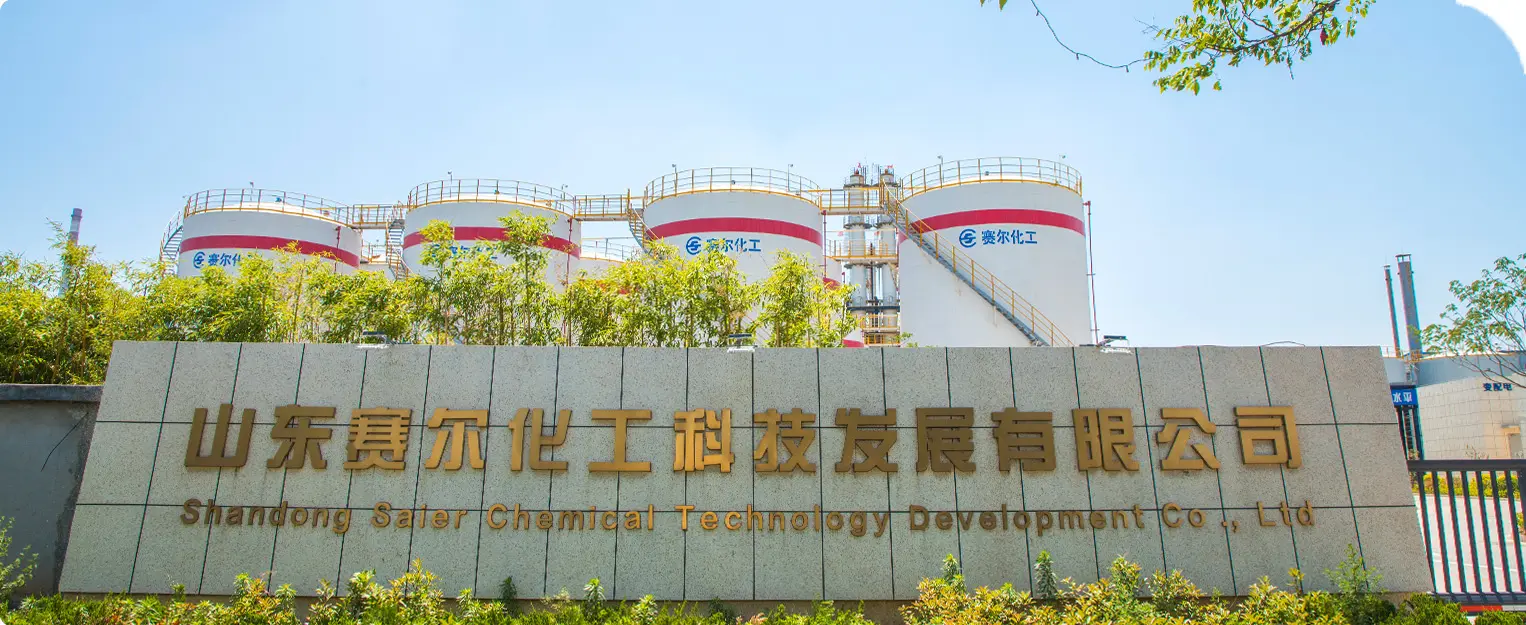
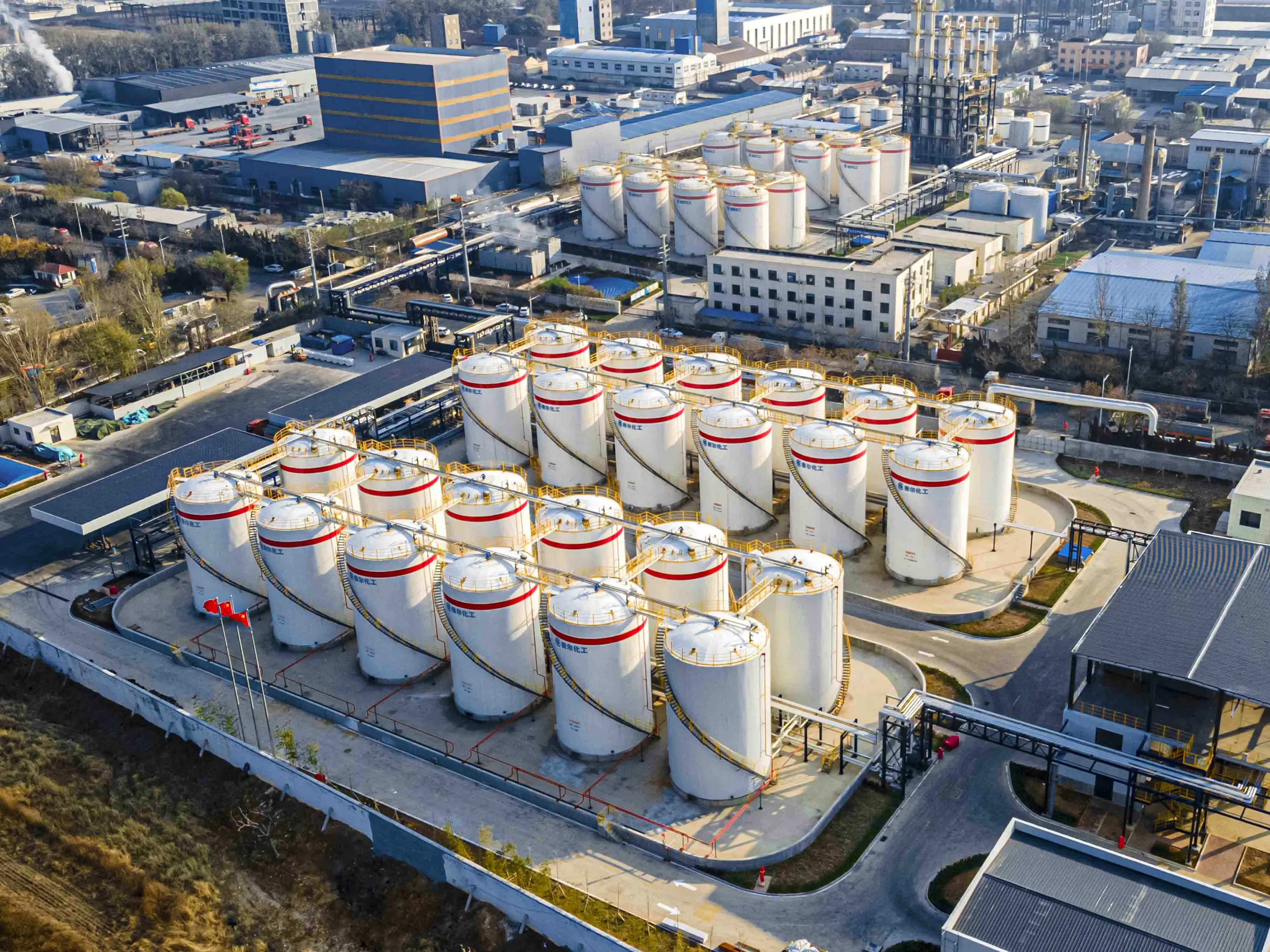
Founded in December 2004, Shandong Saier Chemical Technology Development Co., Ltd. has established a long-term presence in the competitive chemical industry. Located at No. 207, WeiLiu Road, Qilu Chemical Industrial Park, Linzi, Zibo City, Shandong Province, the company operates within one of China's major chemical refining hubs.
Operating with a registered capital of 60 million yuan, the company established a solid financial and operational foundation in its early phases. Shandong Saier initially focused on the production of basic chemical products. Its core portfolio includes environmentally friendly high-boiling aromatic solvents, such as S-100, S-150, S-150ND, S-180, and S-200. The company also manufactures heat transfer oils (such as L-QC320) along with intermediates like durene, PVC plasticizers, thiophene, 1,3-Cyclohexanedione, methyl isopropyl ketone (MIPK), TMOF, TMOA, HPA, and TMG.
To maintain product quality, Shandong Saier sources its primary raw materials from major regional refineries and aromatic plants, including Sinopec, PetroChina, ChemChina, Zhejiang Petrochemical, and Hengli Petrochemical. With an annual production capacity of 720,000 tons, the company serves major domestic industrial regions—including Beijing, Shanghai, Tianjin, Hebei, Shandong, and Henan—while supplying global markets in Asia, Europe, the Americas, and Southeast Asia.
Shandong Saier Chemical Technology Development Co., Ltd. continues to invest in process optimization and R&D. In response to industrial demand for energy-efficient and low-emission products, the company has updated its production processes to reduce energy consumption and process waste. These engineering initiatives earned the company recognition as a national high-tech enterprise, supporting its brand position in the international chemical market.
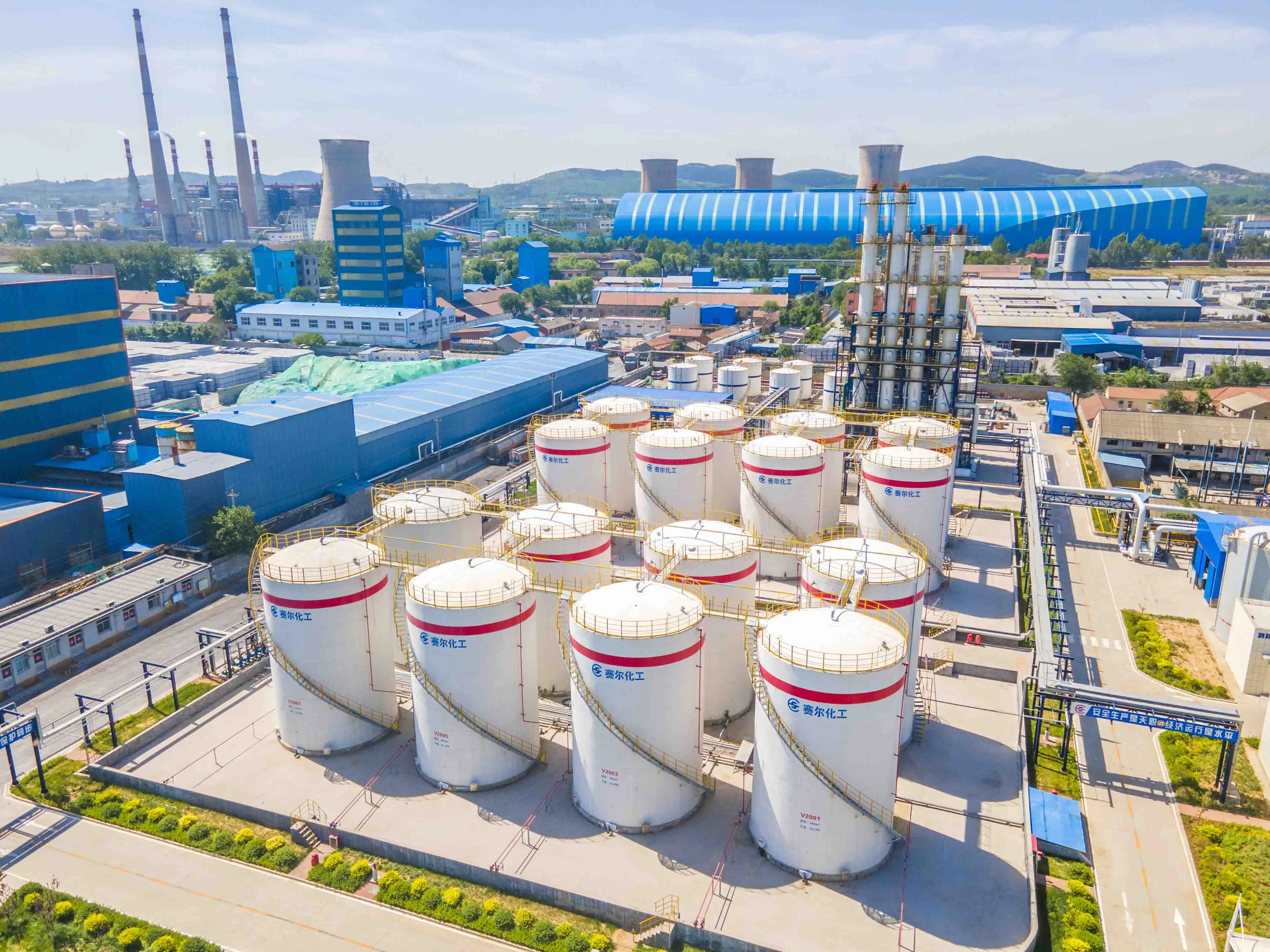
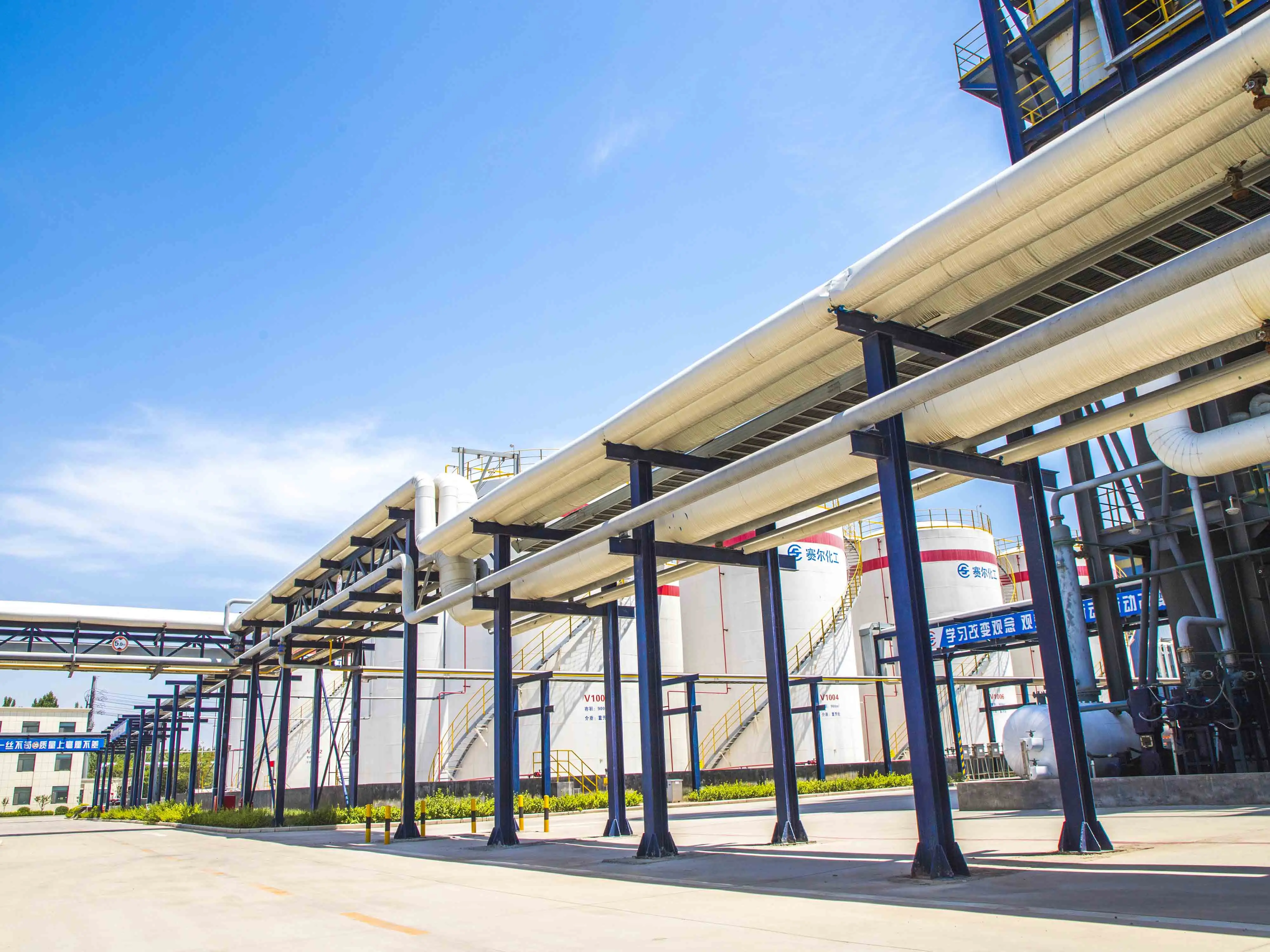
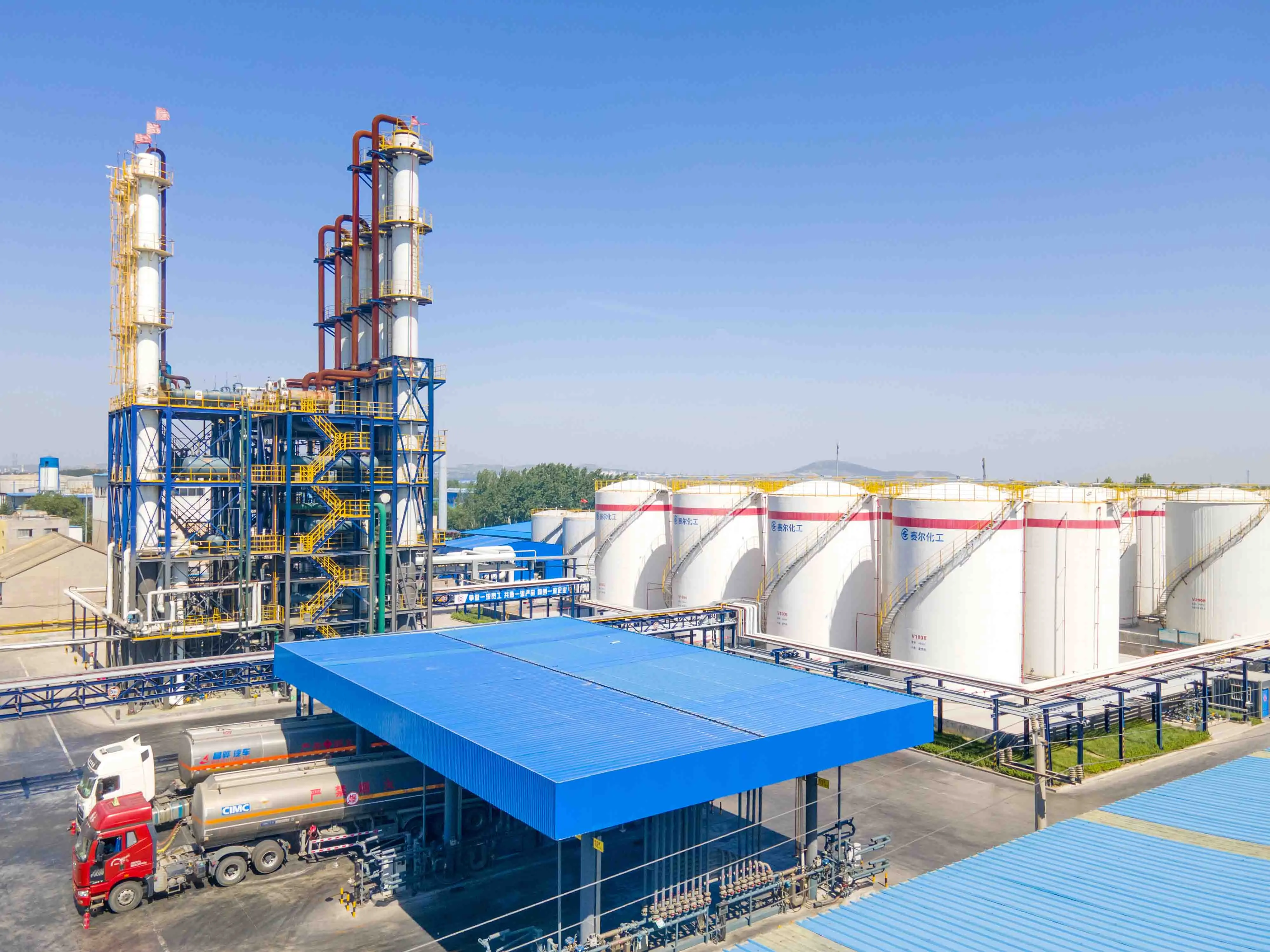
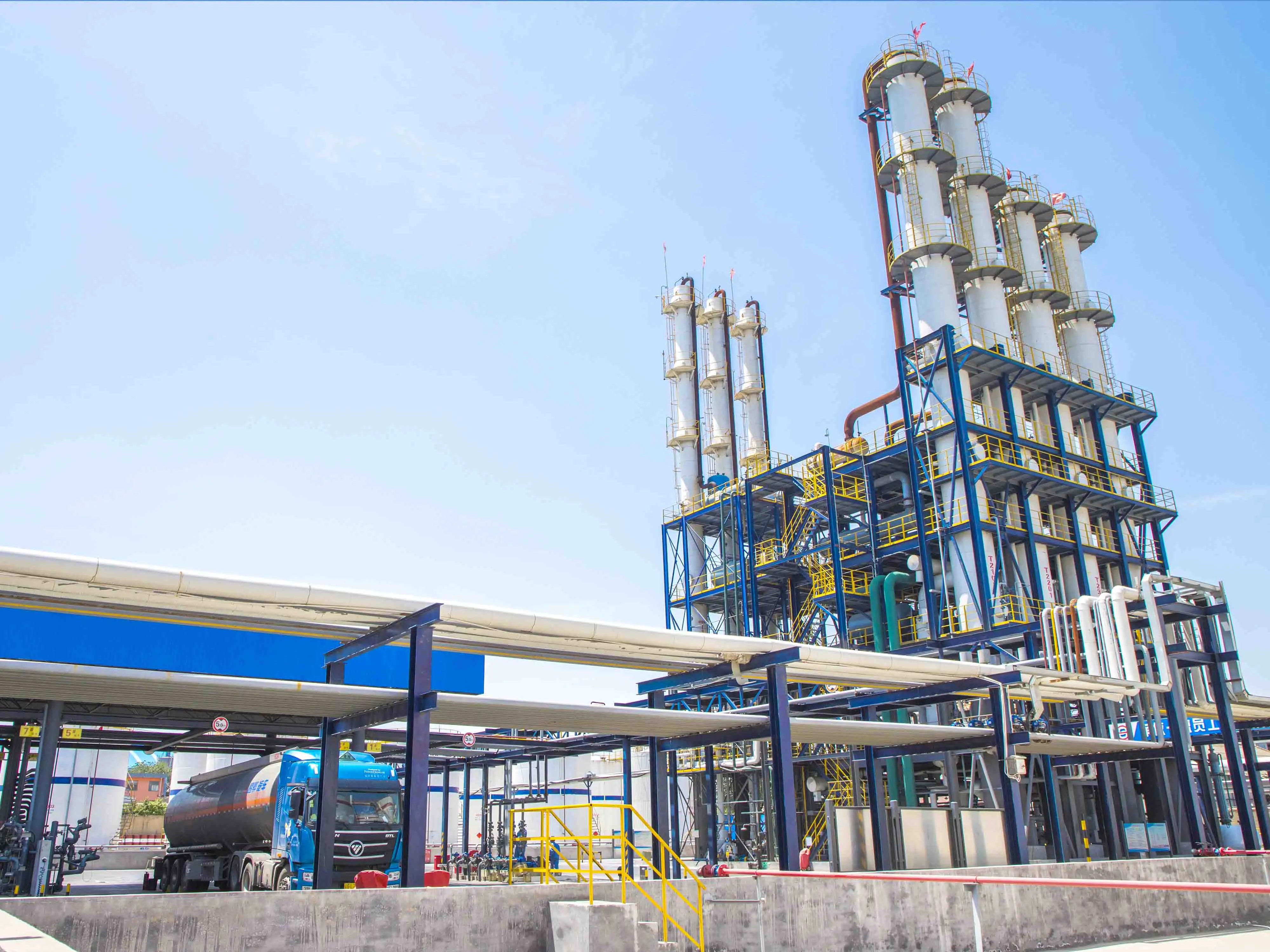
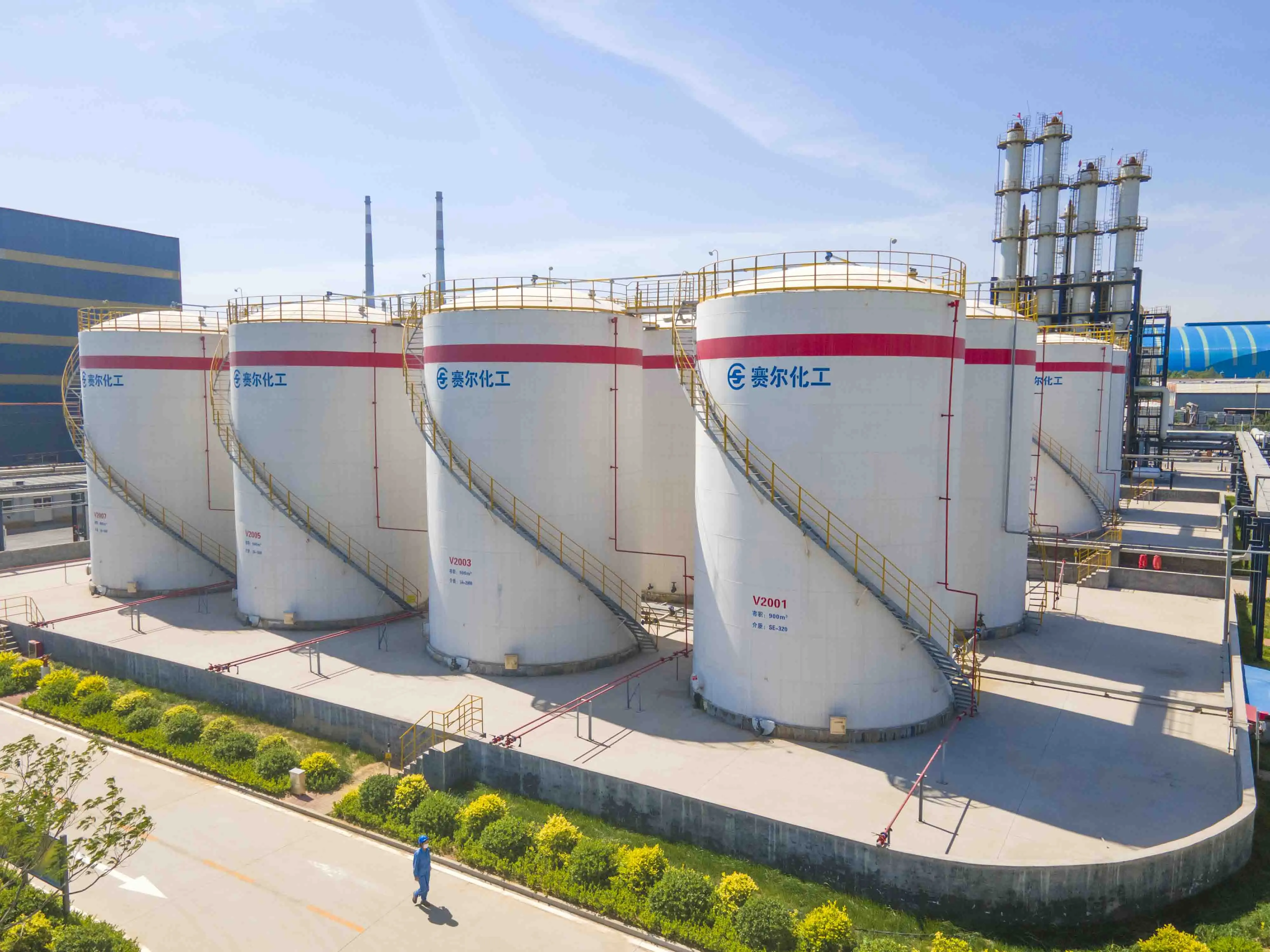
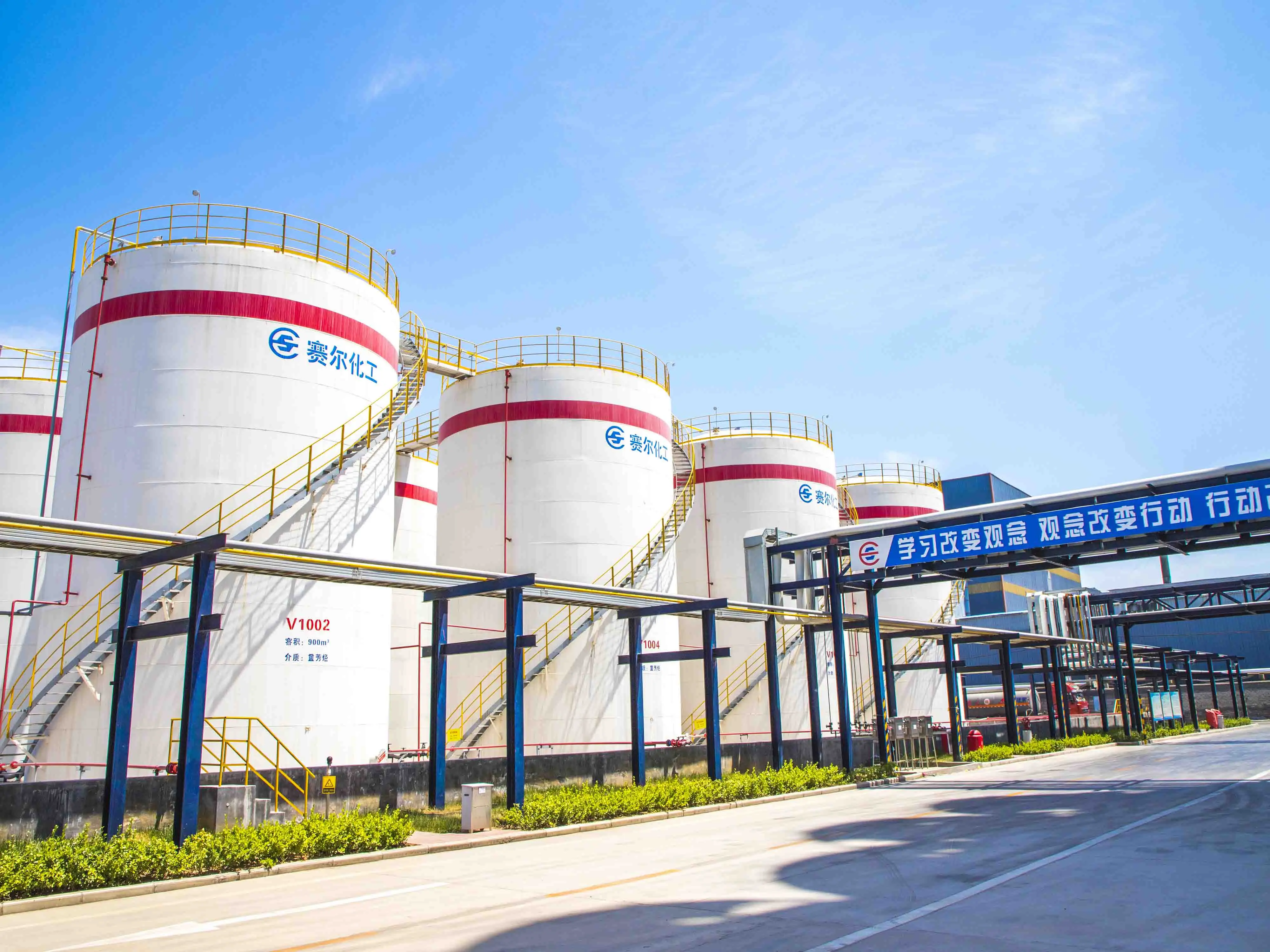
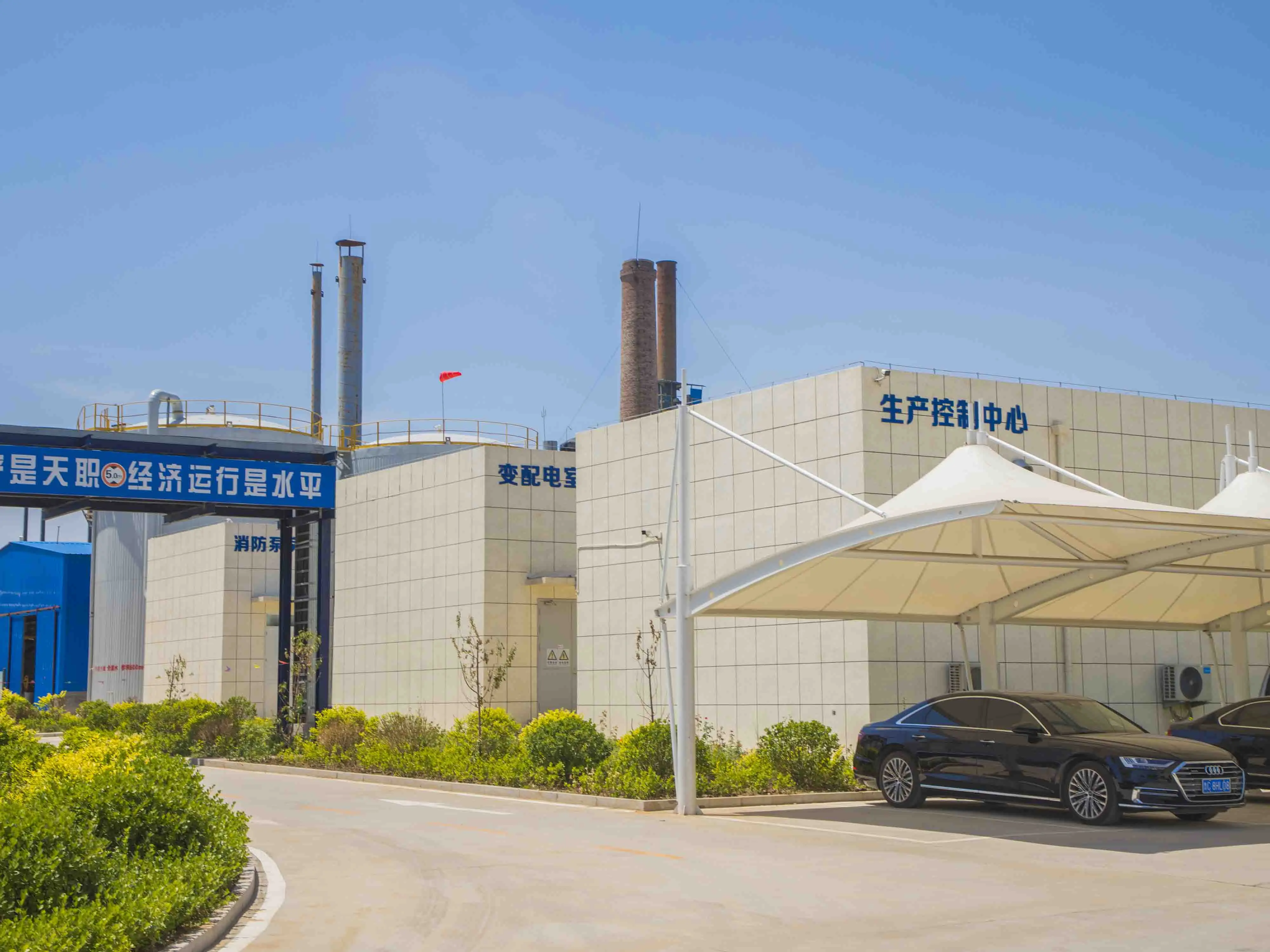
Maintaining high purity levels in bulk solvents like Diacetone Alcohol requires close control over every stage of the logistics process. Shandong Saier Chemical employs systematic quality testing for raw materials, in-process production, and finished products.
The company utilizes gas chromatography (GC) systems to verify purity and Karl Fischer titrators to monitor moisture levels before products are loaded for transport. To prevent contamination during shipping, logistics protocols include:
Packaged in 190kg net weight steel drums, with nitrogen-purged headspace to prevent oxidation and moisture ingress during storage.
Supplied in 950kg Composite Intermediate Bulk Containers (IBCs), which provide high structural integrity and simplified handling for mid-scale industrial facilities.
Delivered in dedicated ISO tank containers (20,000 to 24,000 liters) to streamline bulk offloading for large-scale production plants.
Under optimal storage conditions (cool, dry, and well-ventilated areas, away from direct sunlight and heat), Diacetone Alcohol has a shelf life of approximately 12 months. Because DAA can slowly undergo retrograde aldol cleavage back into acetone in the presence of trace acids, bases, or water, it is recommended to keep containers tightly sealed under a nitrogen blanket to maintain stability over time.
DAA has an evaporation rate of 0.15 (with n-butyl acetate = 1). This low evaporation rate allows the solvent to remain in the paint film during the initial drying stages, promoting leveling and preventing surface defects like pinholes or orange-peeling. It is commonly used in bake-curing finishes and high-end automotive coatings to ensure a smooth, uniform dry film.
Shandong Saier Chemical's facilities are located inside the Qilu Chemical Industrial Park, Zibo City. This location provides direct access to primary petrochemical feedstocks (specifically acetone and high-boiling aromatics) from regional refining installations of Sinopec and ChemChina. This localized integration reduces bulk transport costs for raw materials, helping stabilize production costs.
Yes, our export-destined product lines are registered and compliant with European REACH standards, GHS labeling guidelines, and relevant international regulatory requirements. We provide complete Safety Data Sheets (SDS) and Certificates of Analysis (COA) for every shipment to ensure smooth customs clearance and regulatory compliance at destination ports.
Yes, Diacetone Alcohol is used in the formulation of emulsifiable concentrates (EC) for crop protection. Its low toxicity profile and high solvency for active ingredients make it a suitable carrier solvent. Its high boiling point also helps minimize volatile loss of the solvent phase during storage and application.
For FCL drum orders, our standard MOQ is 80 steel drums (approx. 15.2 metric tons). For bulk liquid chemical shipments, we can configure ISO tanks with a typical capacity of 20 metric tons. The standard lead time for port-ready cargo dispatch is 14 to 21 days from the receipt of purchase confirmation, depending on current production scheduling at the Zibo factory.
Consult with our engineering and procurement team for bulk pricing, packaging configurations, and custom logistics coordination.
Have Any Question? Contact Us Directly: +86 15853357907
Request Technical Data Sheets Saier Chemical