Buy Hydrocarbon C9 Suppliers & Manufacturers

Global Wholesalers, High-Performance Aromatic Solvents & Industrial Monomer Resins

High-Purity Fine Chemicals & Aromatics

Premium grade hydrocarbons, solvents, and specialty chemical intermediates sourced directly from state-of-the-art refineries.
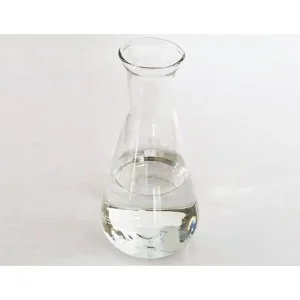
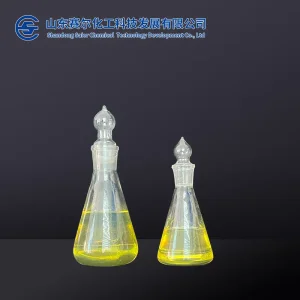
Aromatic Solvent S180

Buy Aromatic Solvent S180 Factories, Factory

View Details
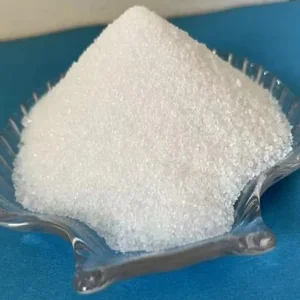
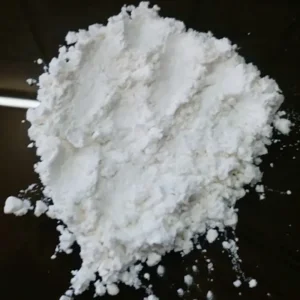
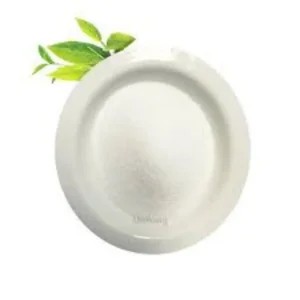
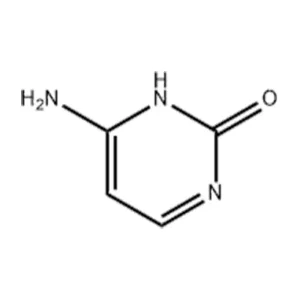
Cytosine CAS:71-30-7

Buy Cytosine CAS:71-30-7 Suppliers, Exporter

View Details
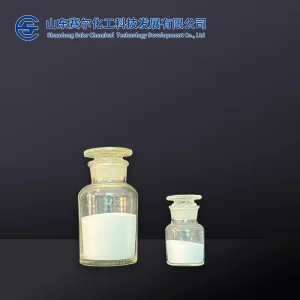
3-(1-Cyanoethyl)benzoic acid

High-Quality 3-(1-Cyanoethyl)benzoic acid Supplier, Manufacturer

View Details
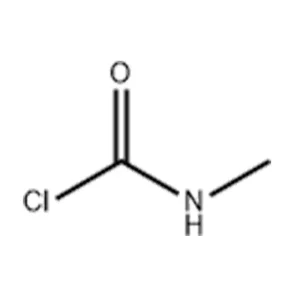
Methylaminoformyl chloride (MCC) C2H4ClNO

China Methylaminoformyl chloride(MCC)C2H4ClNO CAS:6452-47-7 Manufacturers

View Details
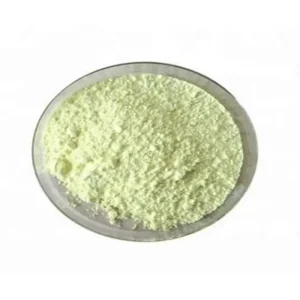
Pyromellitic Acid(PMA)

OEM Pyromellitic Acid(PMA) CAS No.: 89-05-4 Factory, Exporter

View Details
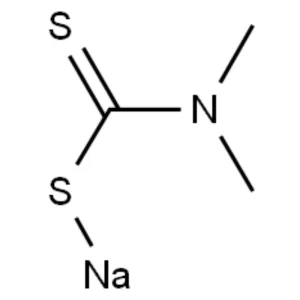
Sodium dimethyldithiocarbamate

China Sodium dimethyldithiocarbamate C3H6NNaS2 CAS:128-04-1

View Details
1,3-Dimethyladamantane

Buy 1,3-Dimethyladamantane CAS:702-79-4 Suppliers, Manufacturers

View Details
1,3-Cyclohexanedione

China 1,3-Cyclohexanedione CAS:504-02-9 Manufacturers, Exporters

View Details

The Global C9 Hydrocarbon Market: A Technical and Commercial Deep Dive

In the modern petrochemical ecosystem, the **C9 fraction** represents a critical family of aromatic compounds originating from the thermal cracking of naphtha or gas oil during ethylene manufacture. Known for their robust thermal properties, strong solvency, and dynamic polymerization potential, C9 aromatic fractions are refined into high-boiling solvents and thermoplastic resins that power billions of dollars of downstream products globally.

Key Chemical Distinction: Solvent vs Resin

Buyers often confuse **C9 Aromatic Solvents** (such as S100, S150, S180, and S200) with **C9 Petroleum Resins**. Aromatic solvents are pure liquid fractions comprising trimethylbenzenes, ethyltoluenes, and indenes. Resins, conversely, are polymerized solid thermoplastics formed through the catalytic reaction of these monomers, functioning primarily as tackifiers and modifiers.

1. Global Commercial and Industrial Landscape

The global demand for Hydrocarbon C9 derivatives is heavily driven by industrialization in developing economies and infrastructure renewal in developed nations. Major chemical hubs across North America, Western Europe, and East Asia rely on C9-derived tackifiers for high-performance adhesives, and high-boiling aromatic solvents for VOC-compliant coatings.

Historically, global supply was concentrated near Western crackers. However, over the past two decades, production capacity has rapidly shifted to East Asia, primarily due to the rise of massive, integrated chemical industrial zones in China. Today, procurement officers globally seek integrated manufacturers that can guarantee both scale and structural quality, insulating B2B supply chains from raw material price volatility.

2. Localized Application Scenarios

Because C9 hydrocarbons possess a unique structure characterized by alkylated aromatic rings, they provide distinct advantages across localized industrial application scenarios:

  • Hot Melt & Pressure Sensitive Adhesives (PSA): C9 resins act as tackifiers, optimizing the glass transition temperature (Tg) and viscoelastic profiles of EVA and block copolymers (SBS, SIS) for packaging and tapes.
  • Industrial Coatings & Anti-Corrosion Paints: High-boiling C9 solvents (S100, S150, S180, S200) offer high solvency, slow evaporation rates, and high flash points, rendering them ideal carriers for marine, automotive, and architectural coatings.
  • Printing Ink Formulations: C9 resins are utilized as binders in offset and gravure inks, enhancing gloss, fast-drying properties, and resistance to water and dilute acids.
  • Pesticides & Agrochemicals: Emulsifiable concentrates (EC) utilize specialty ultra-low naphthalene C9 solvents to keep active pesticide ingredients dissolved without causing crystallization during transportation.
720k
Annual Tons Capacity
2004
Established Year
60M
Registered Capital (RMB)
50+
Global Trade Regions

3. Production Efficiency & Supply Integration: The Chinese Factory Advantage

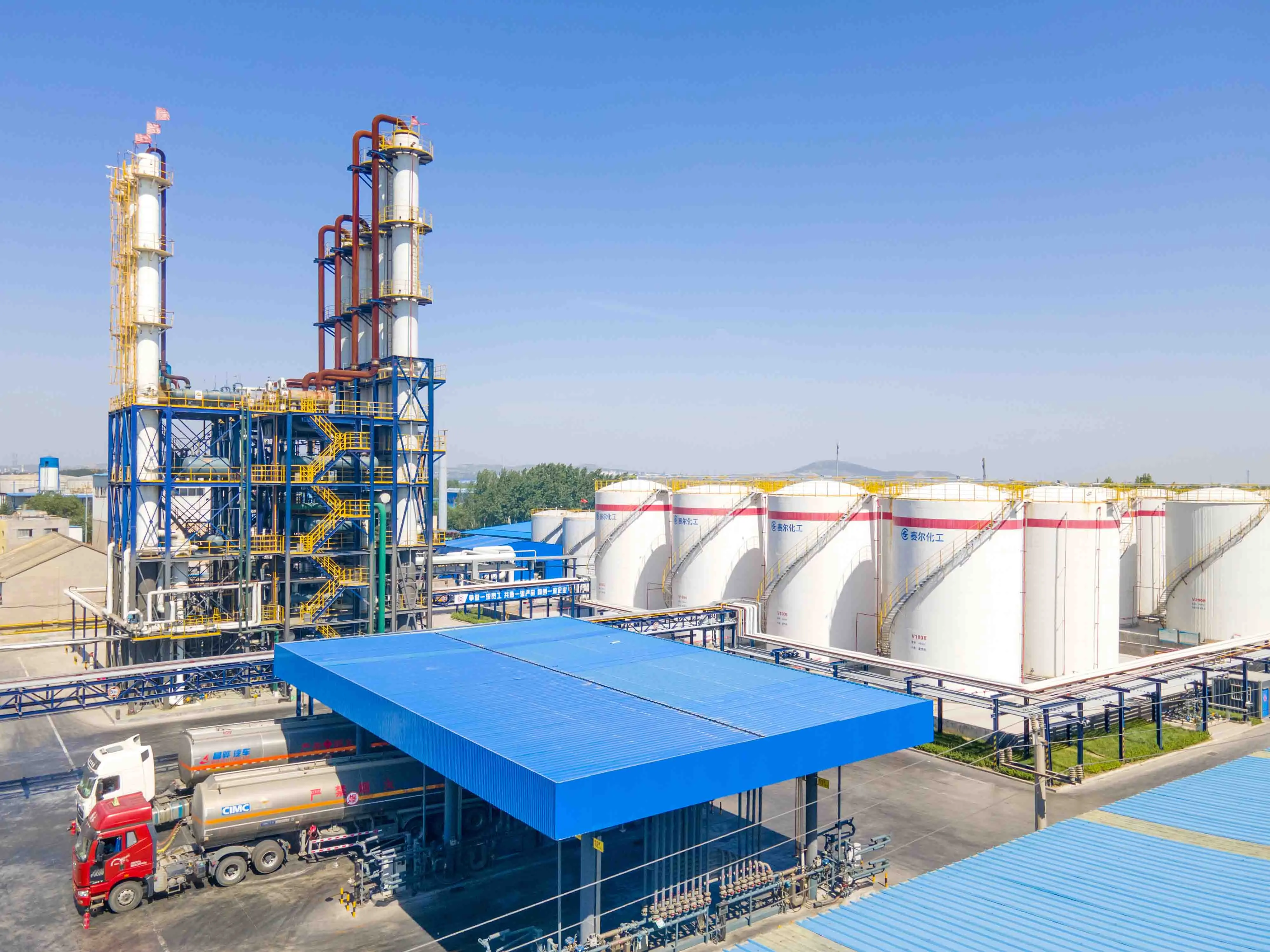
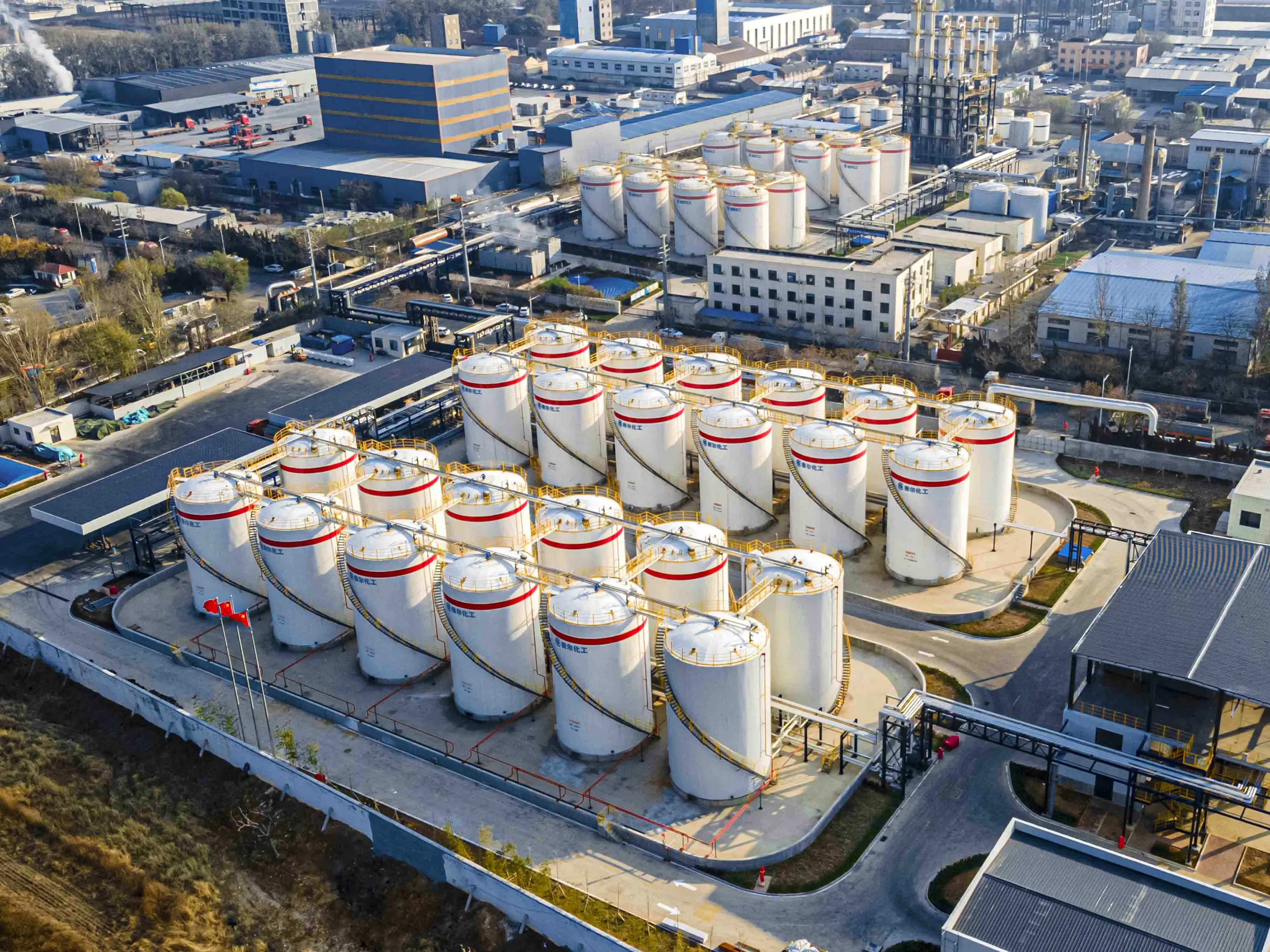
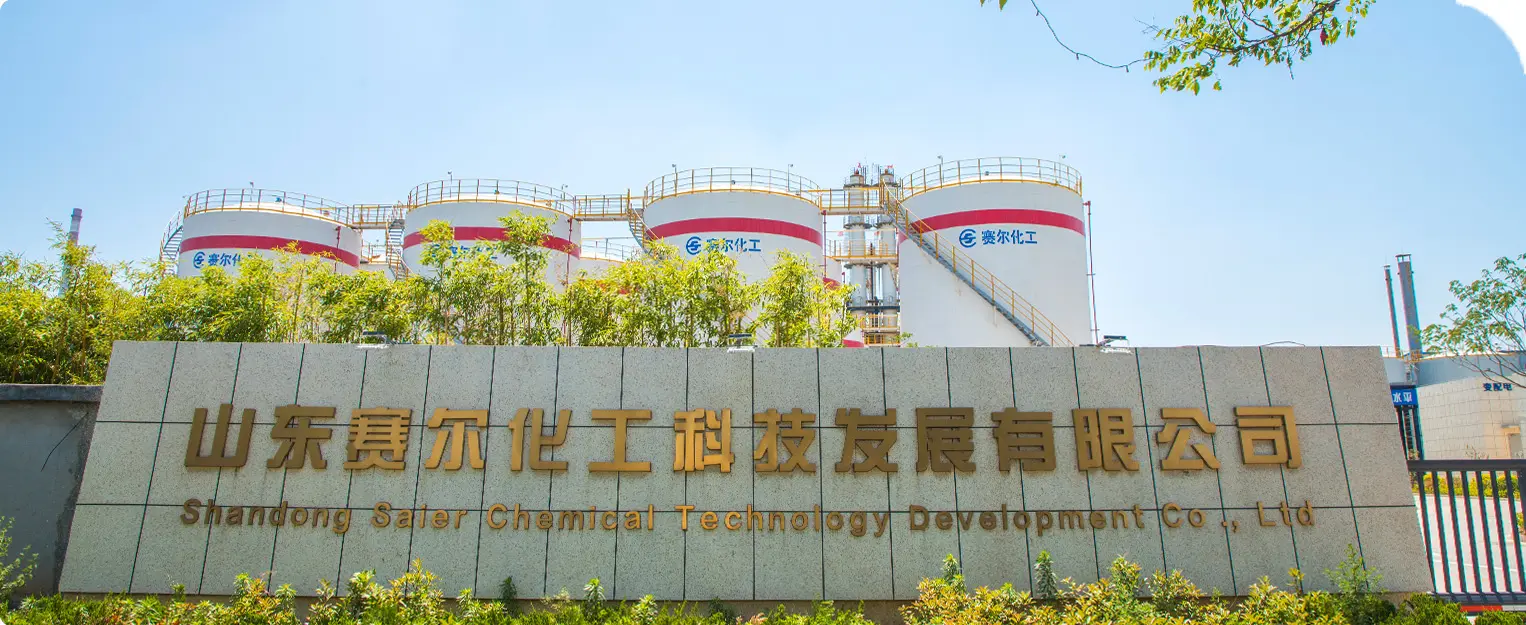
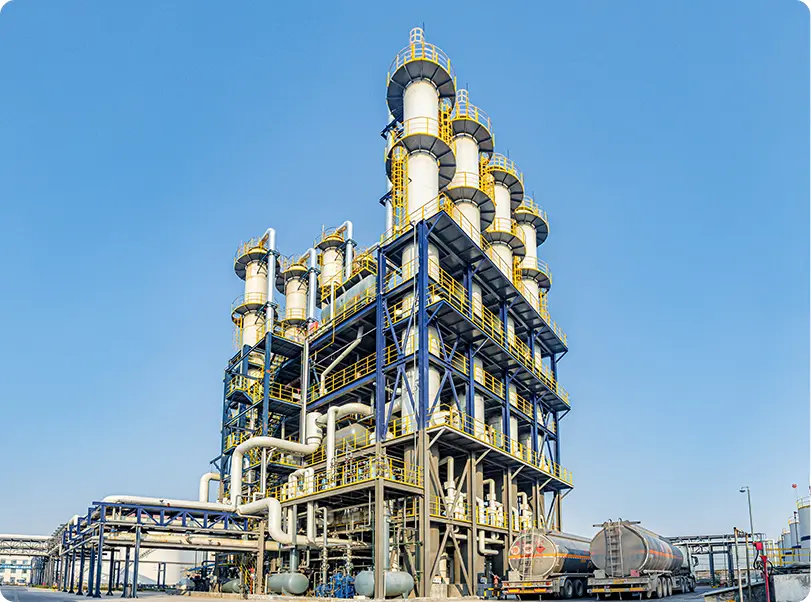
The Chinese chemical manufacturing sector owes its market dominance to high integration. A prime example is **Shandong Saier Chemical Technology Development Co., Ltd.**, established in December 2004 with a registered capital of 60 million yuan. Situated at No.207, WeiLiu Road, Qilu Chemical Industrial Park, Linzi, Zibo City, Shandong Province, the company sits directly in the heart of China’s most prominent chemical cluster.

Operating in close proximity to massive petrochemical installations enables Shandong Saier to secure premium raw materials from major state-owned and private refineries, including **Sinopec, PetroChina, ChemChina, Zhejiang Petrochemical, and Hengli Petrochemical**. By using direct pipelines and dedicated logistics networks, Saier eliminates raw material transportation bottlenecks and guarantees quality from the very first chemical cracking stage.

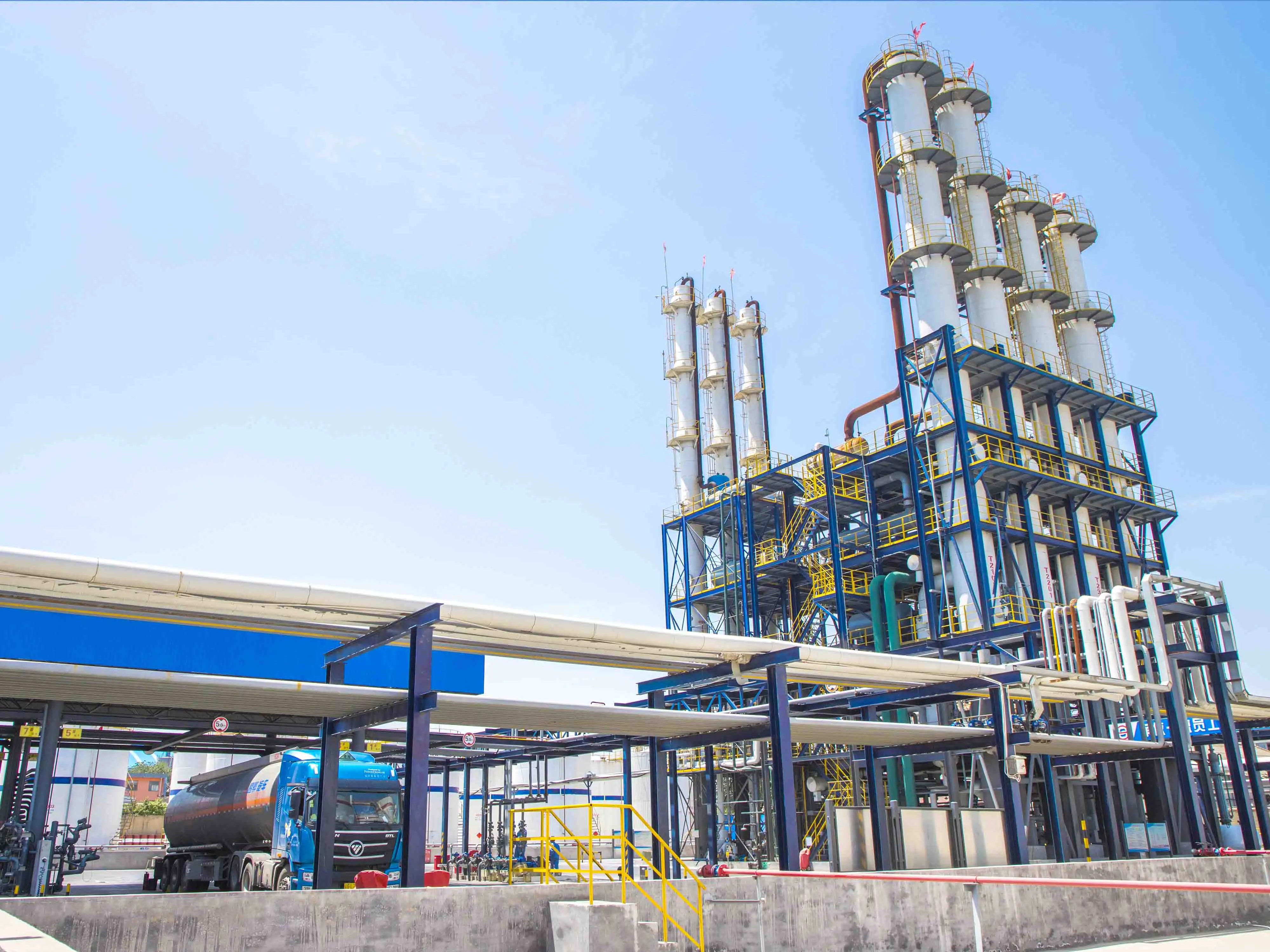
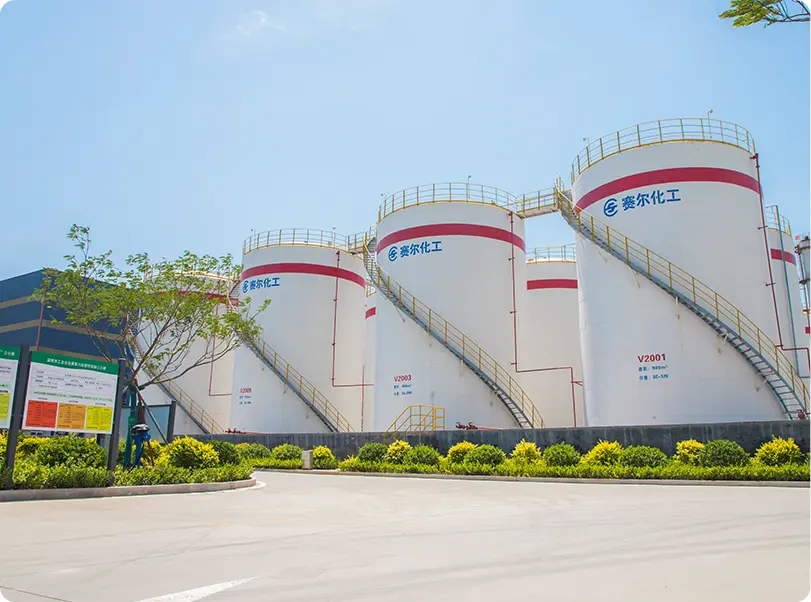
With an impressive annual capacity of **720,000 tons**, Saier utilizes continuous fractional distillation and state-of-the-art rectification columns to manufacture high-boiling aromatic solvents and intermediates. This scale not only minimizes production costs but also ensures batch-to-batch consistency that complies with international regulations, including REACH, RoHS, and strict VOC limitations.

4. Future Trends: Hydrogenation, Green Chemistry, and Low-Naphthalene Solvents

As regulatory authorities tighten rules on volatile organic compound emissions, the C9 chemical sector is undergoing an environmental evolution:

  • Hydrogenation Technology: The demand for water-white, odorless tackifiers is steering manufacturers to replace crude C9 resins with hydrogenated variations. This process removes double bonds and aromatic structures, improving UV stability and compatibility with polar polymers.
  • Naphthalene Reduction: In pesticide and coating formulations, naphthalene is flagged as a hazardous air pollutant (HAP). The development of low-naphthalene (and ultra-low-naphthalene, <1% or even <0.1%) S150 and S180 solvents represents the pinnacle of high-efficiency rectification technology, opening doors to previously restricted consumer goods and indoor applications.
  • Sustainable Feedstocks: R&D efforts are actively exploring partial bio-based aromatic alternatives to reduce the carbon footprint of structural plastics and rubbers.

Technical Analysis

Typical properties for premium industrial C9 Hydrocarbon solvents and structural components.

Property S-100 S-150
CAS Number 64742-95-6 64742-94-5
Boiling Range (°C) 160 - 180 180 - 210
Flash Point (°C) > 42 > 62
Aromatics (wt%) > 99.0 > 99.0
Mixed Aniline Pt. < 15 < 16
Compliance Standards:

All Saier products conform to ISO 9001:2015 Quality Management Systems and REACH registrations for the European Economic Area.

Global Supply Grid

Distributing through major ports directly to global partners:

  • Port of Qingdao: Direct pipeline and express freight from Zibo.
  • Port of Tianjin: Primary shipping lane for Northern global routes.
  • European Hubs: Rotterdam and Antwerp distribution channels.
  • Americas Route: Direct routes serving Houston, Los Angeles, and Santos.

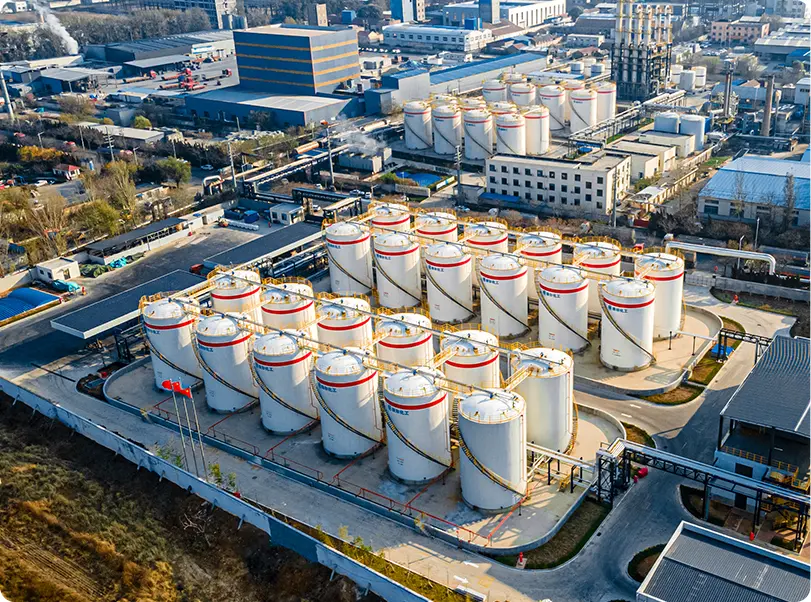
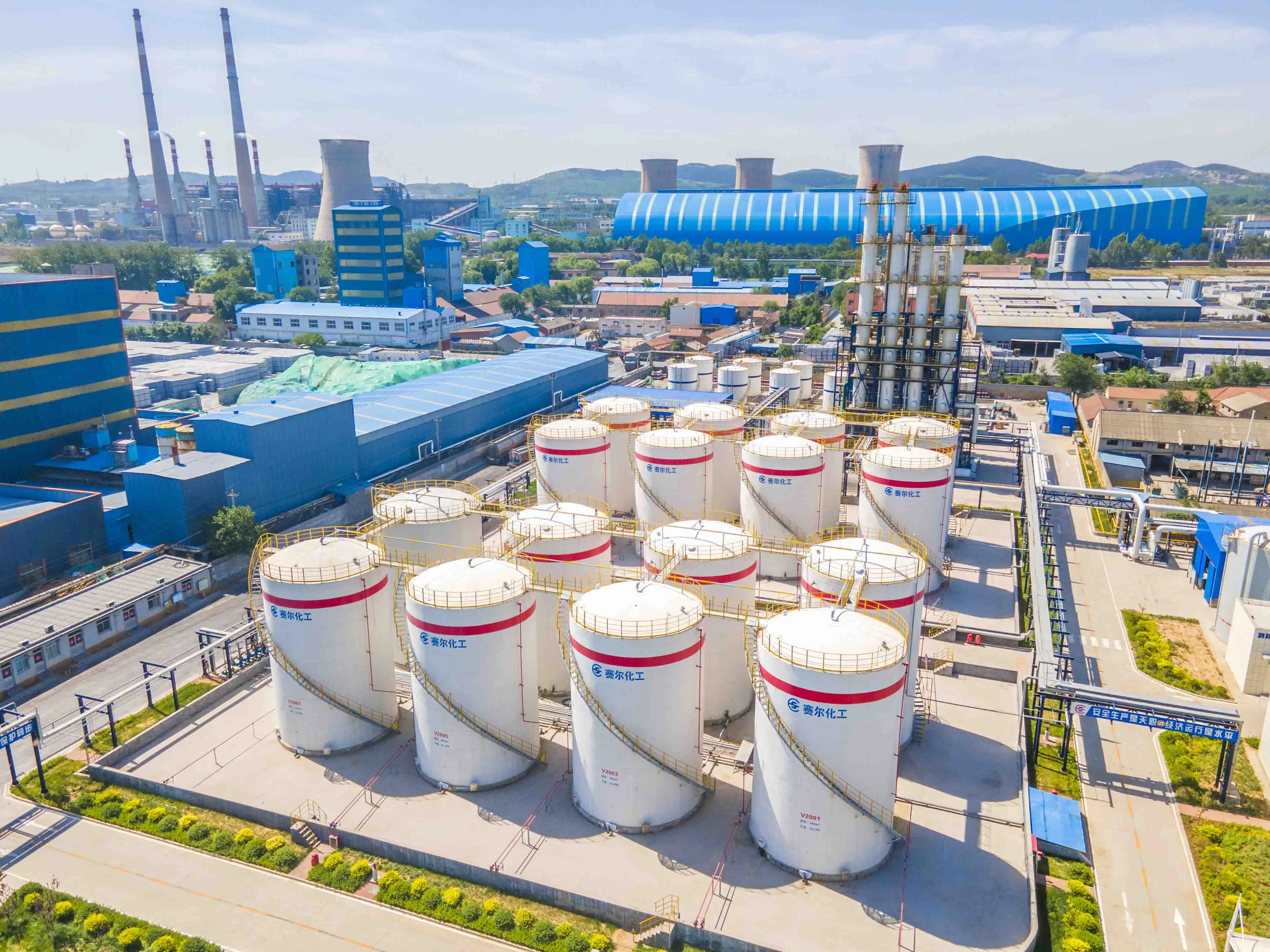
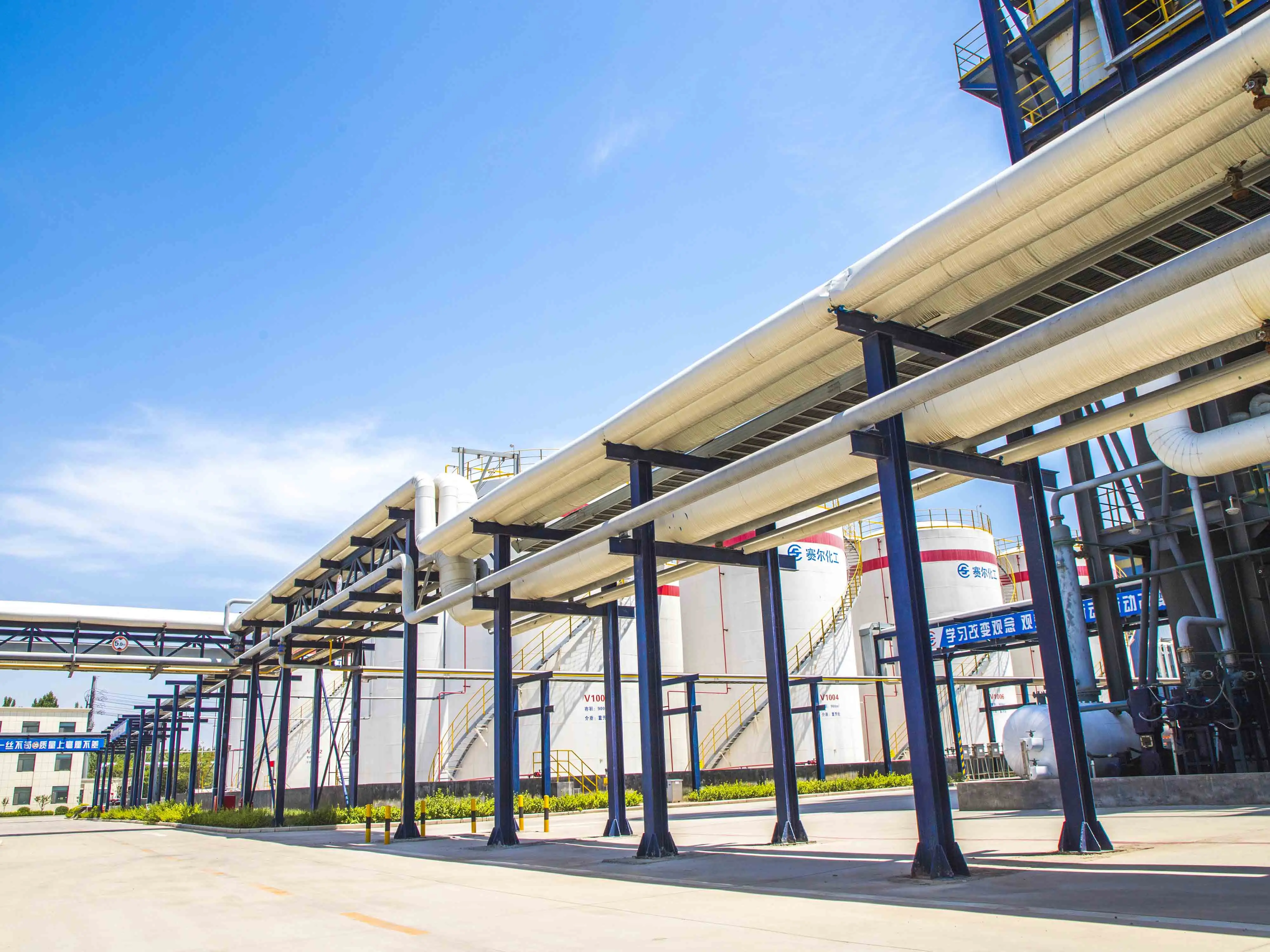
Work Environment & Production Facilities

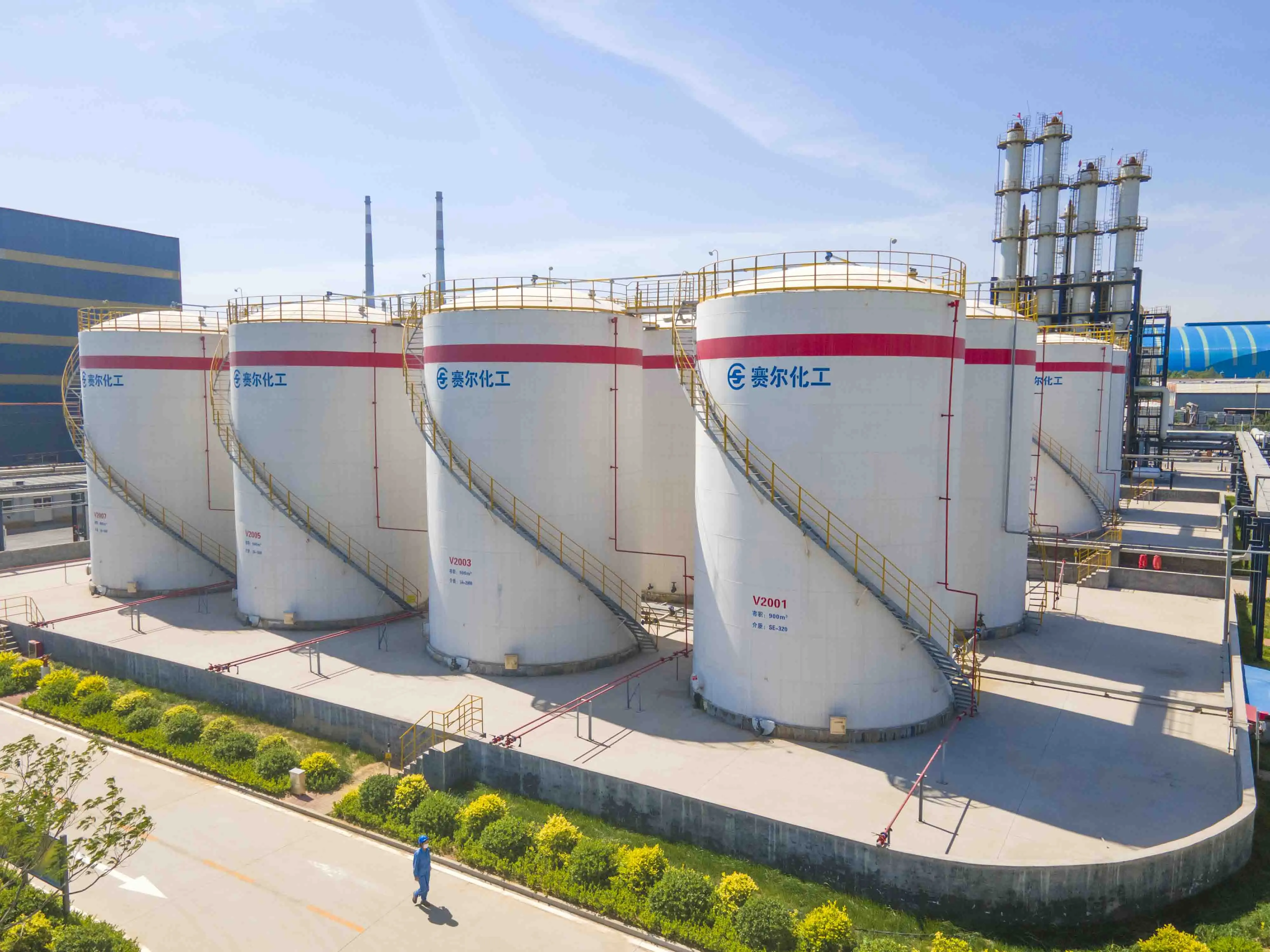
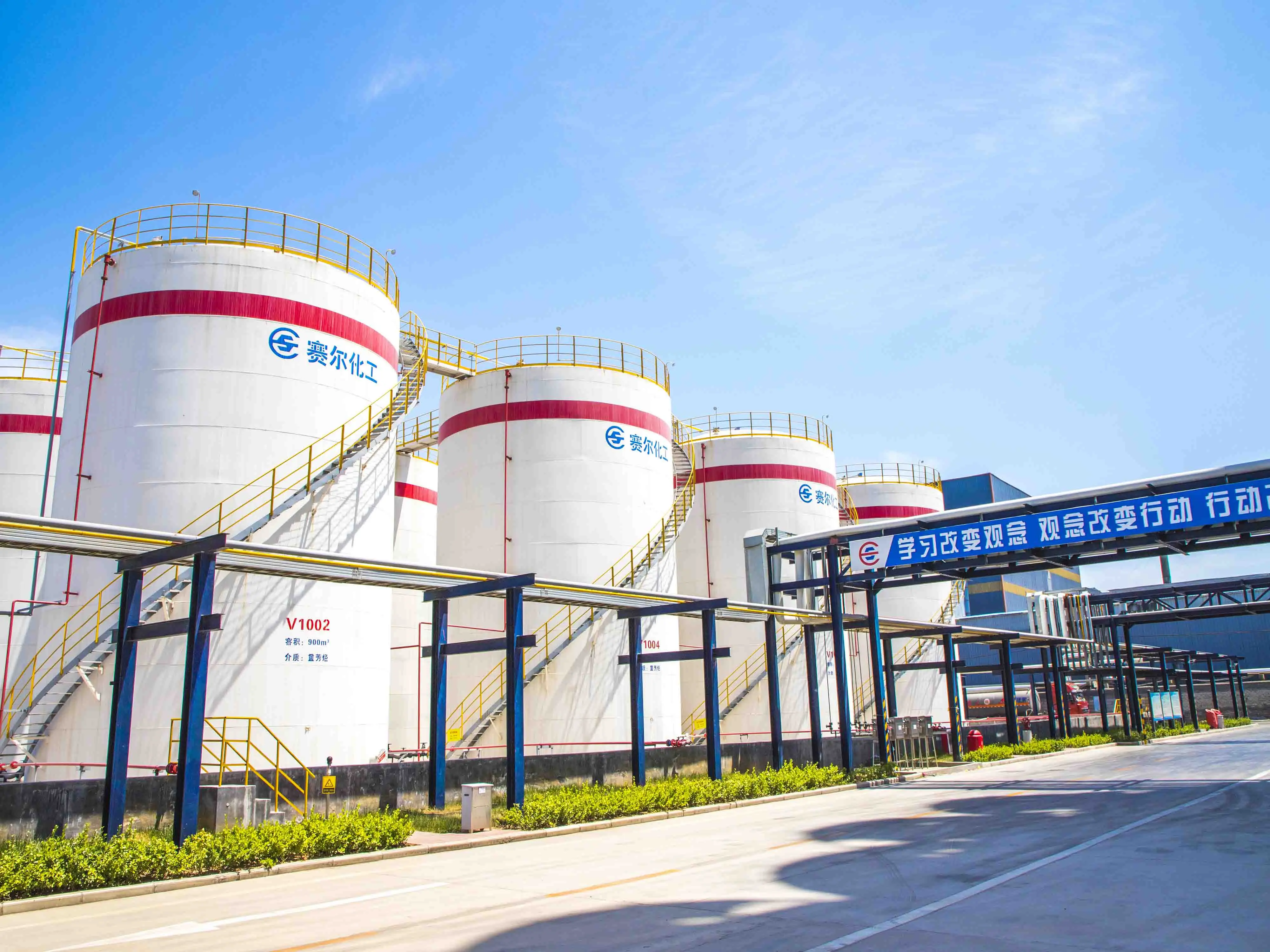
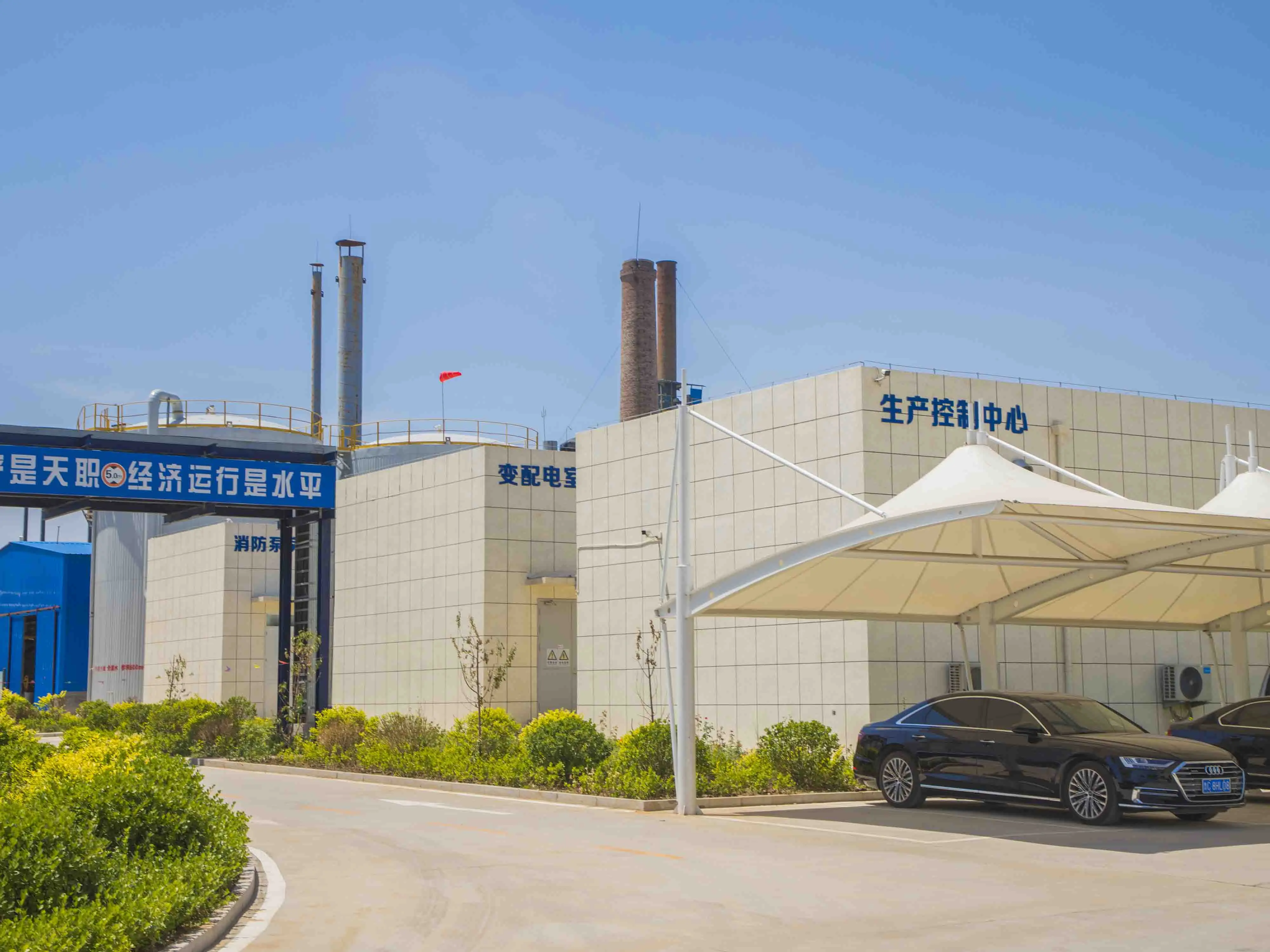
A visual walk-through of Shandong Saier Chemical's advanced office environment, manufacturing floors, and research laboratories.
Explore Projects & Industrial Applications

Saier chemical supplies various key industries with hydrocarbon streams and solvents.
Uncompromised Quality & Strategic Operations

Discover the foundational pillars that allow us to provide premium chemical products with consistent delivery globally.

Strategic Industrial Location

Located within the Linzi Qilu Chemical Industrial Park in Zibo, Shandong Province, we sit directly beside some of China's most significant raw material refineries, ensuring secure, consistent, and direct feedstock supply chains.

Strong Financial Foundation

Backed by a registered capital of 60 million RMB, Saier Chemical consistently invests in production hardware upgrades, environmentally friendly emission treatment units, and next-generation R&D processes.

Premium Raw Material Supply

By leveraging deep partnerships with industry giants like Sinopec, PetroChina, ChemChina, Zhejiang Petrochemical, and Hengli Petrochemical, we ensure that our crude C9 and C10 feedstock remains top-tier.

720,000 Tons Production & Distribution

Our large-scale plant operations support a production capacity of 720,000 tons per year. Our robust chemical fleet and pipeline logistics ensure that we fulfill orders quickly for domestic markets and major ports for global export.

Technological Innovation Edge

Recognized as a National High-Tech Enterprise in China, Saier Chemical optimizes its production processes continuously, successfully developing low-odor, low-naphthalene, and high-purity chemical streams for specialized demands.

Frequently Asked Questions on Hydrocarbon C9

Providing clear, technical answers to common queries regarding C9 chemistry, sourcing, applications, and logistics.

What exactly is C9 Hydrocarbon, and how is it manufactured?
C9 Hydrocarbon refers to a mixture of aromatic compounds containing nine carbon atoms (such as indene, styrene, vinyltoluene, and trimethylbenzene) that are isolated from the thermal cracking of crude oil fractions. These fractions are processed through continuous fractional distillation and rectification to create high-boiling aromatic solvents, or polymerized with catalysts to produce thermoplastic hydrocarbon resins.
What is the difference between C5 and C9 hydrocarbon resins?
The difference lies in their chemical structure and feedstock origin. C5 resins are aliphatic, derived from piperylene and isoprene, making them highly compatible with natural rubber, SIS, and metallocene polymers. C9 resins are aromatic, derived from vinyltoluenes and indene, which makes them highly compatible with polar polymers like EVA, SBS, epoxy resins, and acrylics, offering excellent cohesion and peel strength in industrial coatings and adhesives.
What are the primary uses of high-boiling C9 aromatic solvents?
C9 aromatic solvents (such as S100, S150, and S180) are highly utilized in industrial paint formulations, anti-corrosive coatings, screen printing inks, and agricultural emulsifiable concentrates (EC). They provide high solvency, high flash points for safety, and slower evaporation rates, which improve the coating flow and leveling without causing surface defects.
How does Saier Chemical ensure quality consistency for large bulk exports?
With a production capacity of 720,000 tons per year, we rely on advanced computerized control systems that govern our continuous rectification columns. We source feedstocks from leading state refiners like Sinopec and PetroChina, and test every batch using GC-MS and ASTM testing standards to ensure the bromine values, distillation ranges, and color parameters meet international client specifications.
Are low-naphthalene options available for environmental compliance?
Yes, Saier Chemical specializes in environmental grade solutions. We provide low-naphthalene and ultra-low-naphthalene versions of our aromatic solvents (like S150ND). These products are engineered for the agricultural and industrial coating markets, complying with REACH regulations and minimizing toxic VOC exposure.

Advanced Monomers & Fine Chemical Intermediates

Explore our catalog of highly specialized chemical compounds manufactured to meet stringent laboratory and industrial requirements.
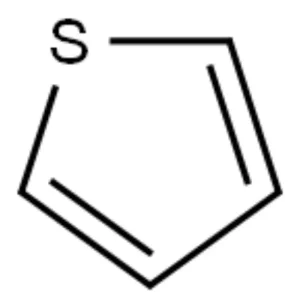
Thiophene C4H4S

Buy Thiophene C4H4S CAS:110-02-1 Supplier, Factories

View Details
2',4'-Dichloroacetophenone

High-Quality 2',4'-Dichloroacetophenone CAS:2234-16-4 Suppliers

View Details
Sulfamide H4N2O2S

OEM Sulfamide H4N2O2S CAS:7803-58-9 Manufacturers

View Details
Durene 1,2,4,5-Tetramethylbenzene

OEM Durene/1,2,4,5-Tetramethylbenzene CAS No.: 95-93-2

View Details
4-Nitrobenzoic acid

Buy 4-Nitrobenzoic acid C7H5NO4 CAS:62-23-7 Manufacturers

View Details
Heat Transfer Oil L-QC320

High-Quality Heat Transfer Oil L-QC320 Factories, Factory

View Details
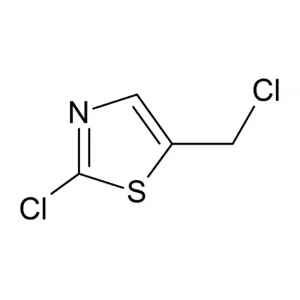
2-Chloro-5-chloromethylthiazole

Wholesale 2-Chloro-5-chloromethylthiazole CAS:105827-91-6

View Details
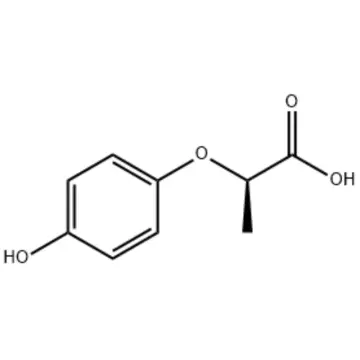
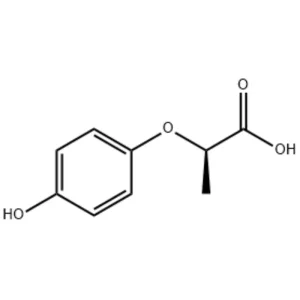
(R)-(+)-2-(4-Hydroxyphenoxy)propionic acid

High-Quality (R)-(+)-2-(4-Hydroxyphenoxy)propionic acid

View Details

Need Technical Consultations or Volume Sourcing Quotations?

Optimize your formulation and supply chain stability today. Contact our technical sales division directly.

+86 15853357907