Explore our highly refined chemical intermediates, industrial solvents, and customized compound formulations engineered to support global manufacturing demand.
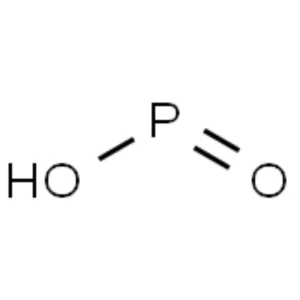
CAS 64742-89-8, classified globally as Solvent Naphtha (petroleum), light aliphatic, is a complex, highly refined combination of hydrocarbons obtained by the distillation of crude petroleum. Characterized primarily by aliphatic hydrocarbons containing carbon numbers predominantly in the C5 through C11 range, this high-performance liquid solvent is widely recognized in the industrial chemical sphere under trade classifications such as VM&P Naphtha (Varnish Makers' and Painters' Naphtha) and Light Aliphatic Solvent Naphtha.
Due to its high volatility, clean evaporation rate, and excellent solvency for non-polar substances, CAS 64742-89-8 serves as an indispensable raw material in downstream formulations. It is highly valued by paint manufacturers, adhesive compounders, rubber processing plants, and extraction facility managers who require low aromatic residues combined with consistent chemical stability.
In modern manufacturing, securing a resilient supply of premium grade CAS 64742-89-8 is critical to ensuring operational continuity and maintaining the structural integrity of final consumer products.
Understanding the molecular properties and ASTM standards is essential for matching chemical solvents to precise application requirements.
Under ASTM D86 standard specifications, light aliphatic solvent naphtha demonstrates a tight boiling point distribution. By minimizing heavy ends and aromatic rings (such as benzene and toluene fractions), OEM manufacturers can provide high-purity solvents that comply with stringent VOC and environmental health standards.
| Parameters | Standard Specifications | Typical Analytical Values | Testing Methodology |
|---|---|---|---|
| Boiling Range (Initial - Dry Point) | 95°C – 140°C | 98°C – 135°C | ASTM D86 |
| Density at 15°C (g/cm³) | 0.700 – 0.745 | 0.725 | ASTM D4052 |
| Aromatic Content (wt%) | < 0.1% max | 0.02% | Gas Chromatography |
| Flash Point (Abel) | < 15°C | 8°C | ASTM D93 |
| Aniline Point | 50°C – 62°C | 58°C | ASTM D611 |
| Kauri-Butanol (KB) Value | 30 – 45 | 36 | ASTM D1133 |
| Copper Strip Corrosion (3h at 50°C) | Class 1 max | Class 1a | ASTM D130 |
This technical breakdown highlights why light aliphatic hydrocarbon solvent CAS 64742-89-8 is preferred over aromatic counterparts in applications requiring quick drying times and limited swelling of rubber and elastomers. The low KB value indicates mild solvency, which prevents it from dissolving sensitive substrates while still allowing effective dissolution of natural resins, rubbers, and waxes.
Expert market analysis detailing shifting trade regulations, regional consumption patterns, and compliance requirements across key international markets.
As global environmental regulations like REACH (EU) and TSCA (US) become more stringent, downstream manufacturers are under pressure to eliminate hazardous air pollutants (HAPs). OEM manufacturers of CAS 64742-89-8 are shifting to highly refined, dearomatized grades that offer the same solvency while reducing harmful emissions, ensuring regulatory compliance and safeguarding worker health.
Recent supply chain disruptions have highlighted the vulnerability of long-distance chemical shipping. Strategic buyers are shifting from just-in-time procurement to localized distribution networks. Manufacturers positioned inside comprehensive petrochemical parks, such as the Qilu Chemical Industrial Park in Zibo, can leverage established pipeline connections and logistics hubs to reduce overseas lead times.
While fossil-derived VM&P Naphtha remains the industry standard, research is accelerating toward blending hydrocarbon solvents with bio-based alternatives. Strategic partnerships between chemical raw material producers and academic institutions are paving the way for hybrid solvent systems that lower carbon footprints without sacrificing evaporation rates or solute stability.
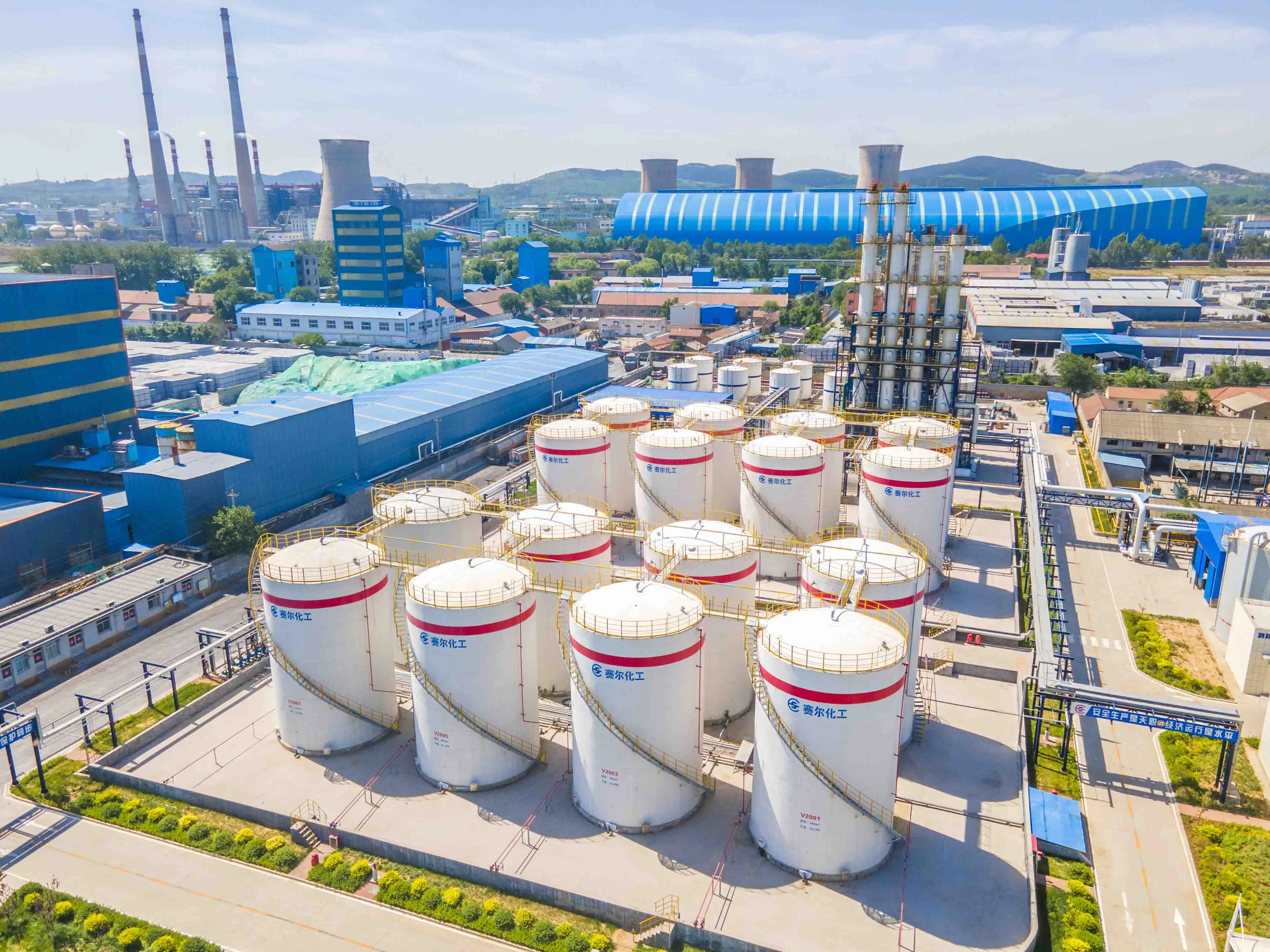
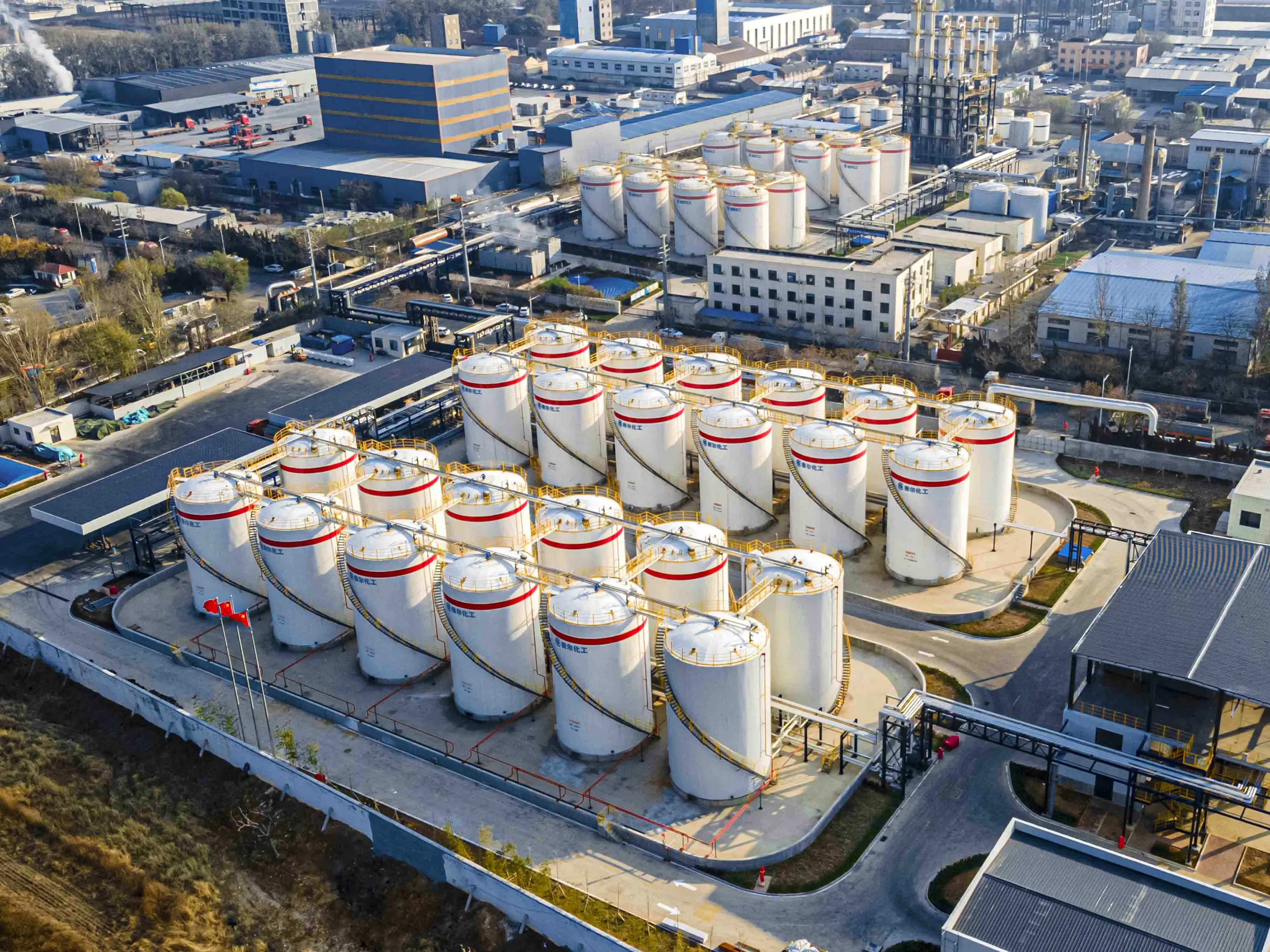
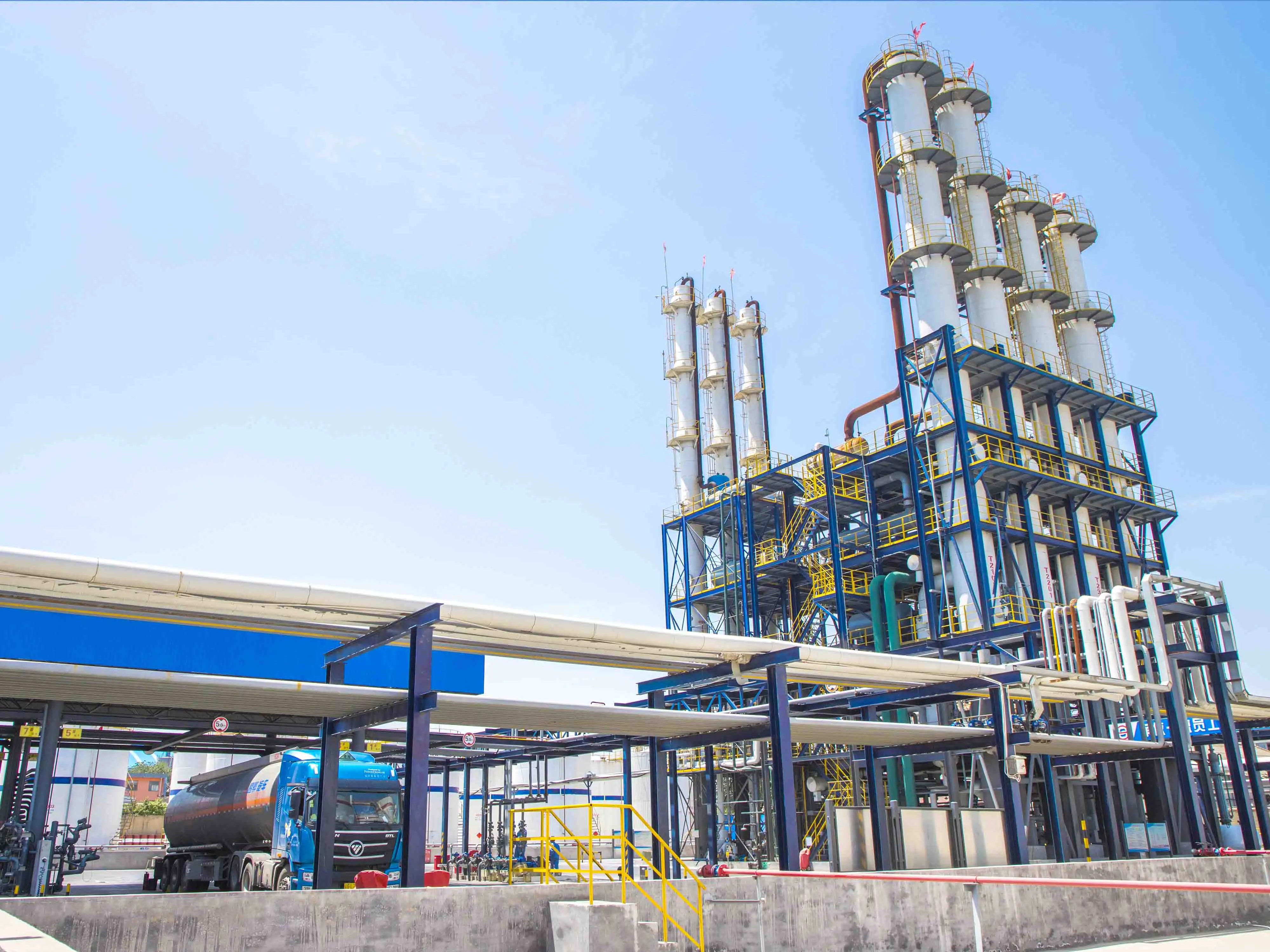
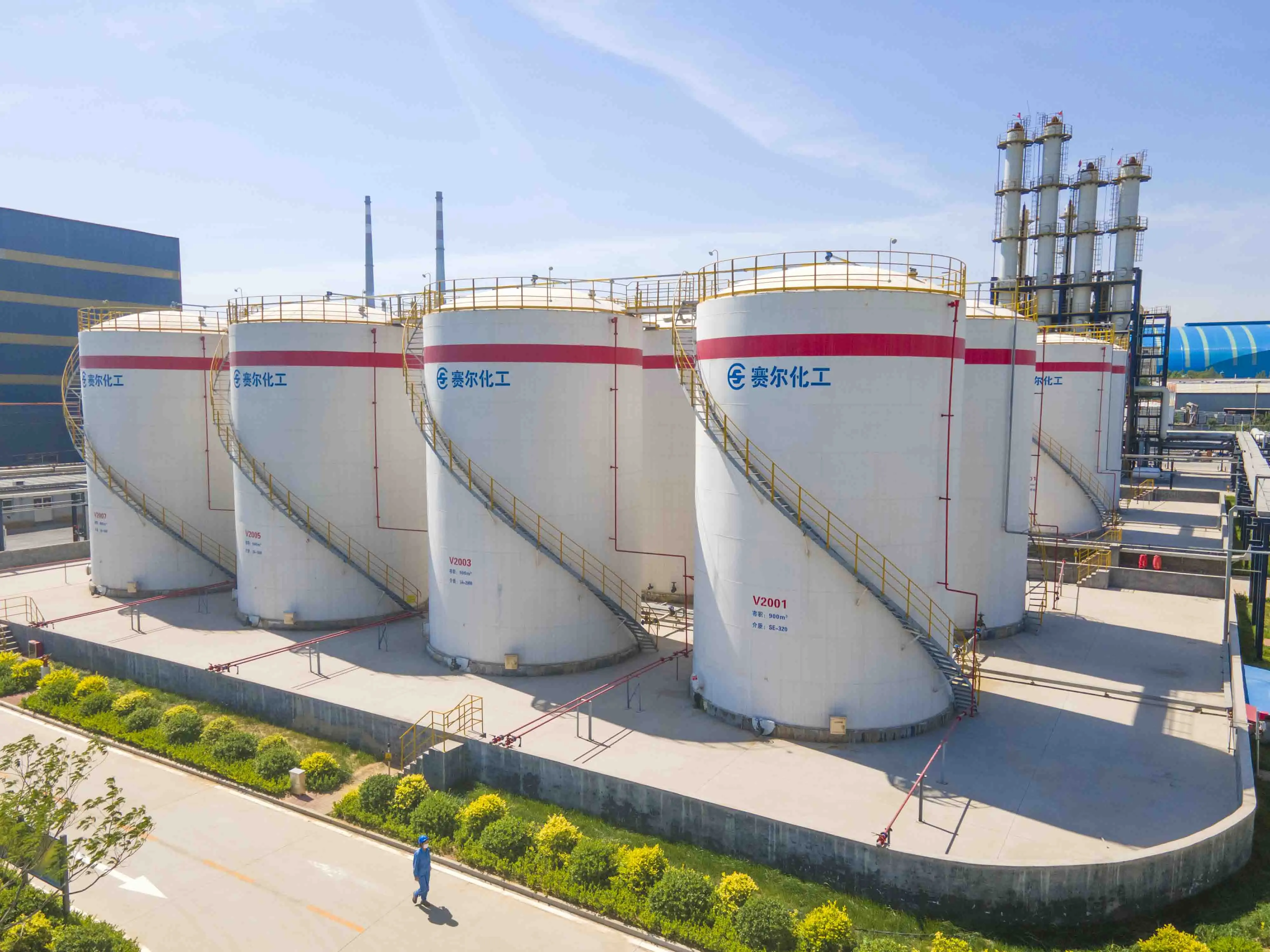
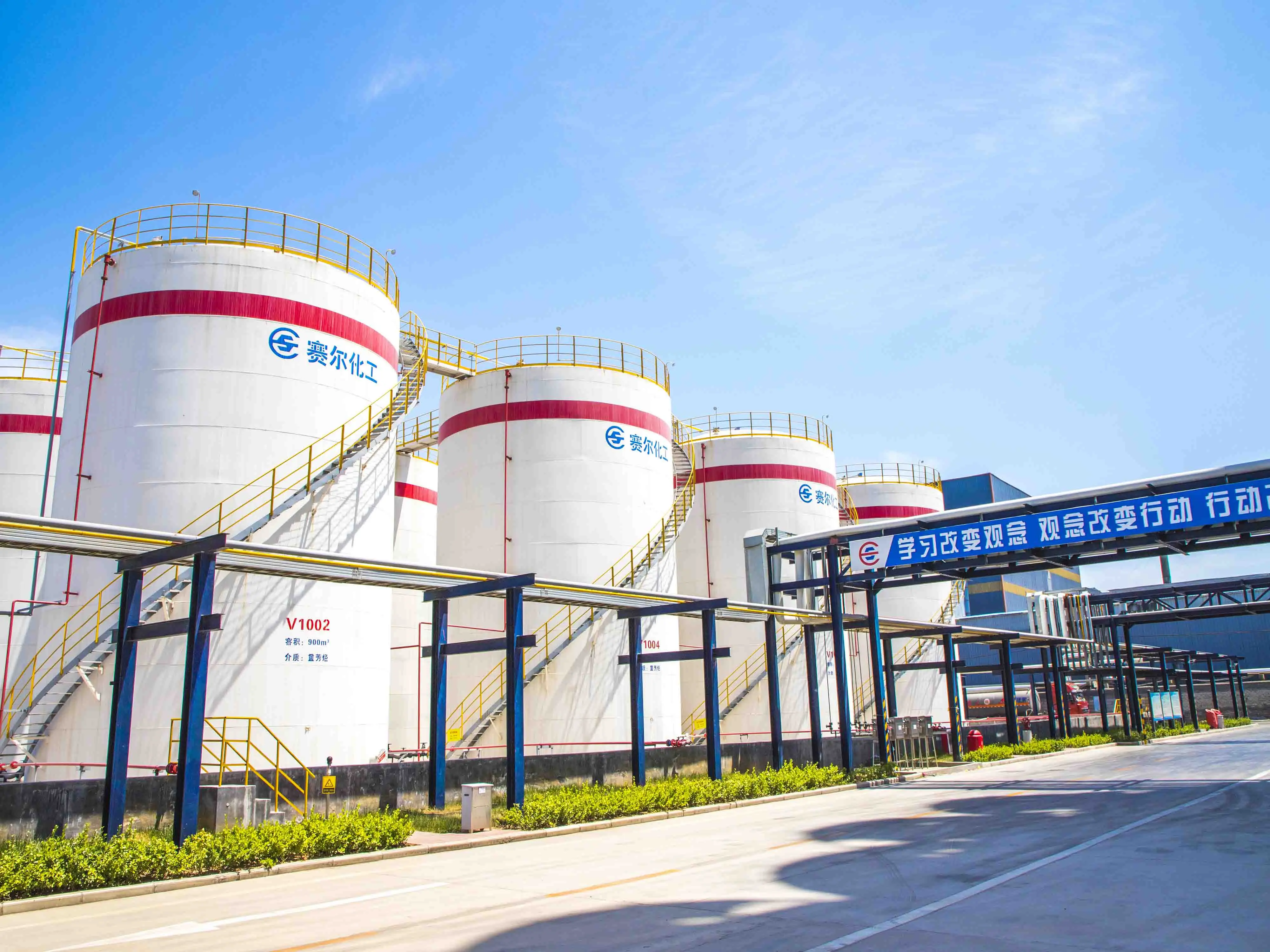
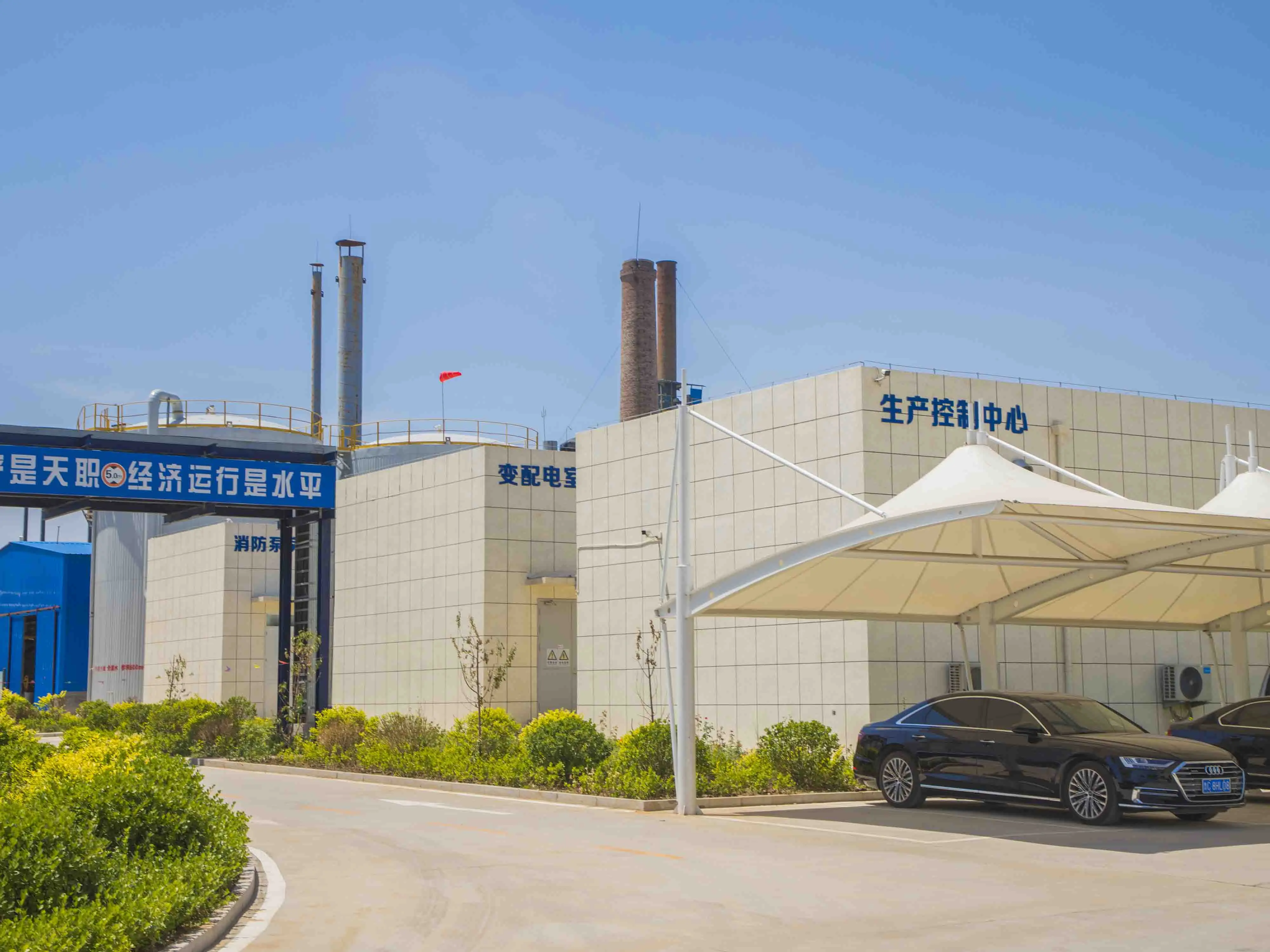
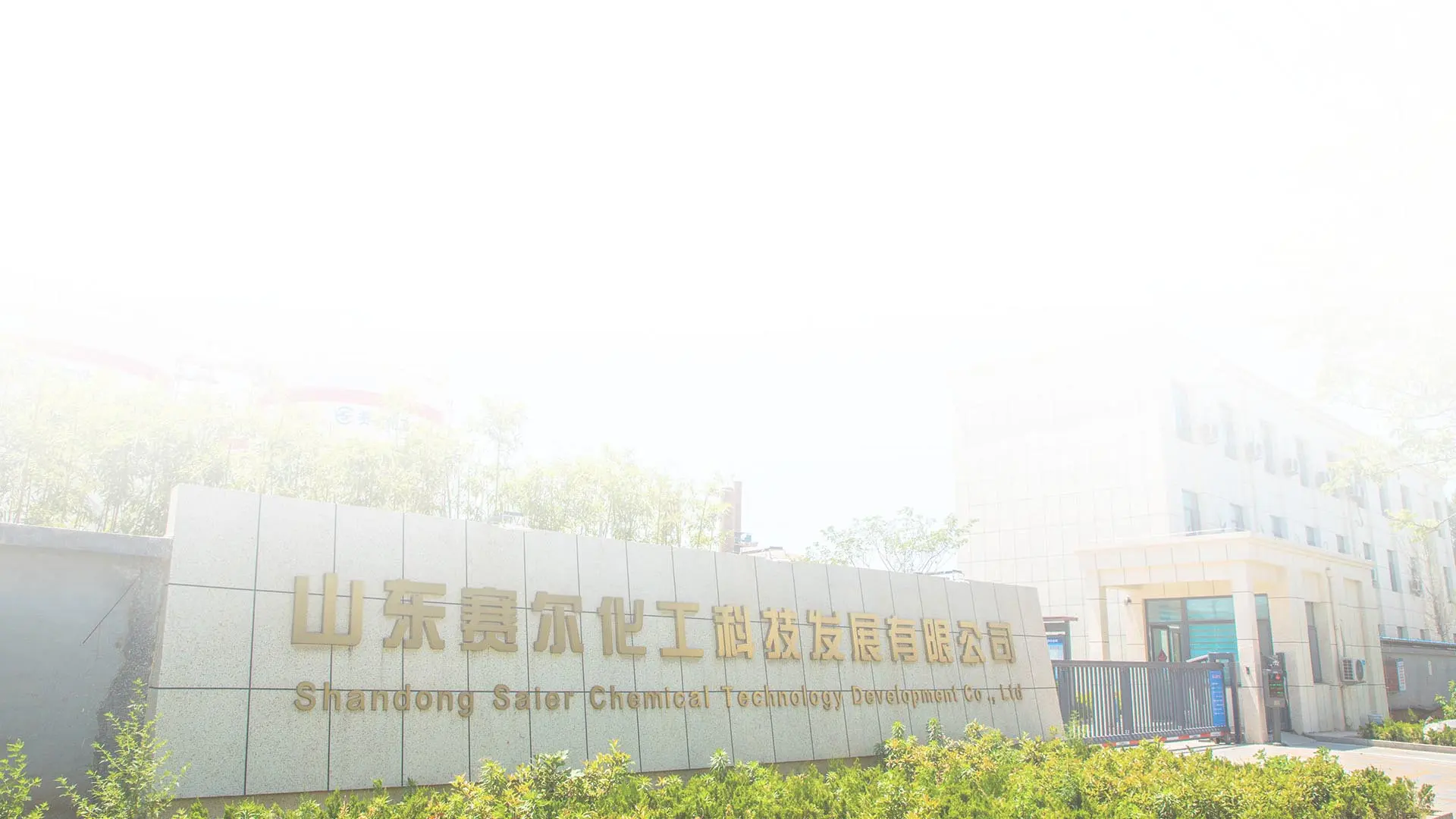
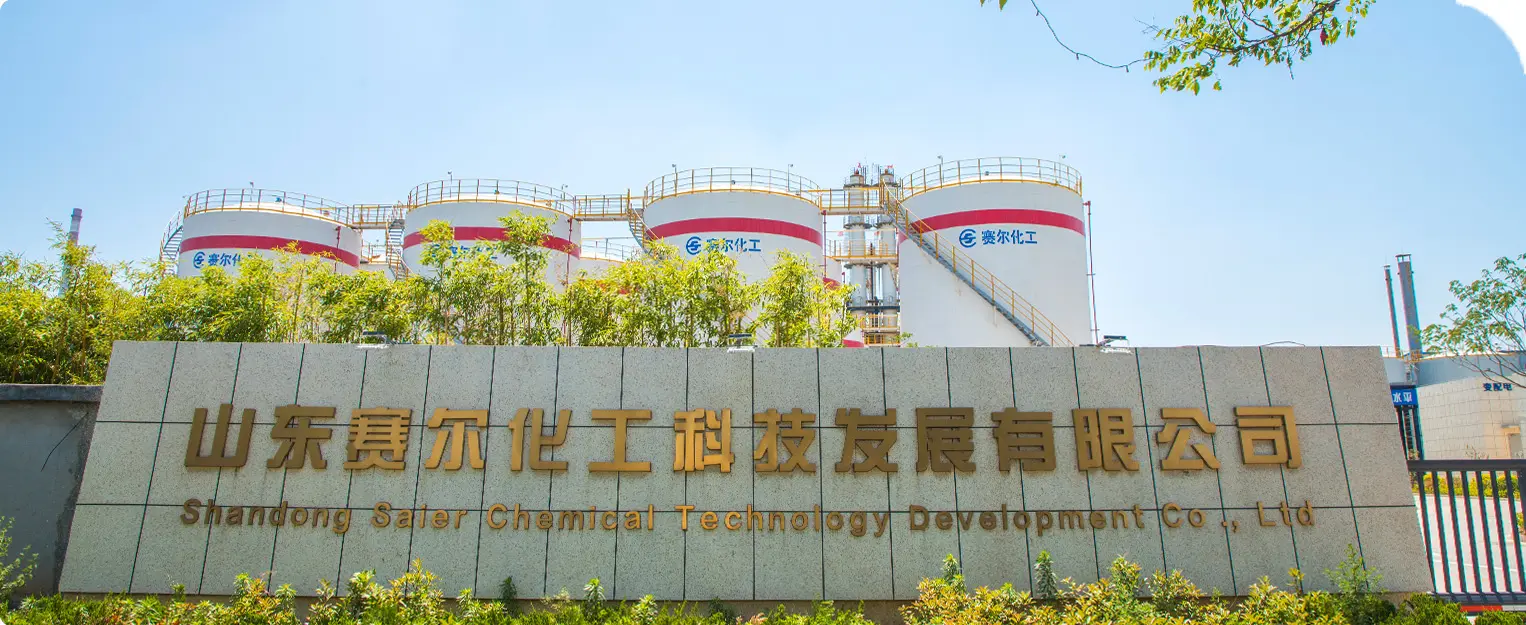
Founded in December 2004, Shandong Saier Chemical Technology Development Co., Ltd. has established itself as an industry leader in the refining, production, and distribution of high-performance aromatic solvents, aliphatic solvents, and fine chemical intermediates. Headquartered in Zibo City, Shandong Province, within the well-established Qilu Chemical Industrial Park, the company benefits from world-class chemical infrastructure and proximity to major shipping ports.
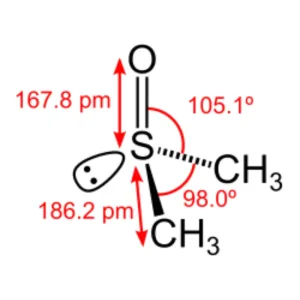
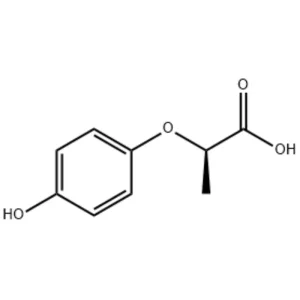
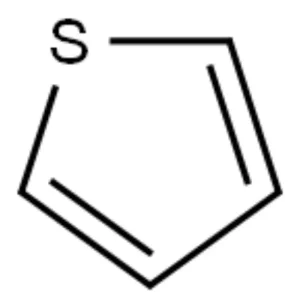
With a robust registered capital of 60 million yuan, Saier Chemical began its journey focused on producing basic industrial chemicals. Today, the company has grown into a national high-tech enterprise, operating a state-of-the-art manufacturing facility with an annual processing and distribution capacity of 720,000 tons. Our comprehensive catalog features high-boiling aromatic solvents (including TOPSOL and KOCOSOL series S-100, S-150, S-150ND, S-180, and S-200), Heat Transfer Oil L-QC320, Durene, and diverse intermediates like HPA, DMSO, and Thiophene.
Our strategic partnerships with major domestic refineries and aromatic complexes (including Sinopec, PetroChina, ChemChina, Zhejiang Petrochemical, and Hengli Petrochemical) ensure a consistent supply of premium raw materials. This strong foundation allows us to supply both domestic markets and global buyers across Asia, Europe, the Americas, and Southeast Asia, guaranteeing product consistency and security of supply.
How global industries utilize light aliphatic solvent naphtha to achieve optimal drying rates, precise solvency, and chemical compatibility.
In the coatings sector, CAS 64742-89-8 is a widely used fast-evaporating solvent in spray formulations. Its fast drying time helps prevent sagging and running in quick-dry industrial enamels and primers. By adjusting the ratio of light aliphatic solvent naphtha to high-boiling aromatic solvents (such as S-100 or S-150), formulation engineers can optimize dry times to suit varying atmospheric conditions.
Adhesive manufacturers use CAS 64742-89-8 to dissolve rubber blocks, elastomers, and tackifying resins. Its low aromatic content prevents deterioration of rubber polymer structures. The solvent evaporates quickly after application, leaving a strong, consistent bond, which is ideal for tapes, contact adhesives, and pressure-sensitive sealants.
In tire production, rubber surfaces must remain tacky for bonding before vulcanization. CAS 64742-89-8 is applied to clean and soften the green rubber interfaces, ensuring strong adhesion between components without degrading the physical properties of the vulcanized rubber.
For gravure and web-offset printing, quick solvent release is necessary to prevent smudging on high-speed presses. CAS 64742-89-8 serves as an effective carrier solvent for pigment dispersions, evaporating quickly under air-drying systems to produce sharp, smear-free images on packaging materials.
In metalworking, removing protective oils and anti-rust coatings from parts is crucial before painting or assembly. The low residue and quick evaporation of CAS 64742-89-8 ensure metal surfaces are thoroughly cleaned and dry, leaving no trace elements that could interfere with downstream coating processes.
In agriculture, emulsifiable concentrates (EC) require stable carrier solvents to ensure uniform active ingredient distribution. CAS 64742-89-8 provides a stable medium that mixes well with emulsifiers and active ingredients, delivering effective crop protection when sprayed.
Saier Chemical relies on advanced refining technology to deliver high-performance solvents with ultra-low environmental impact.
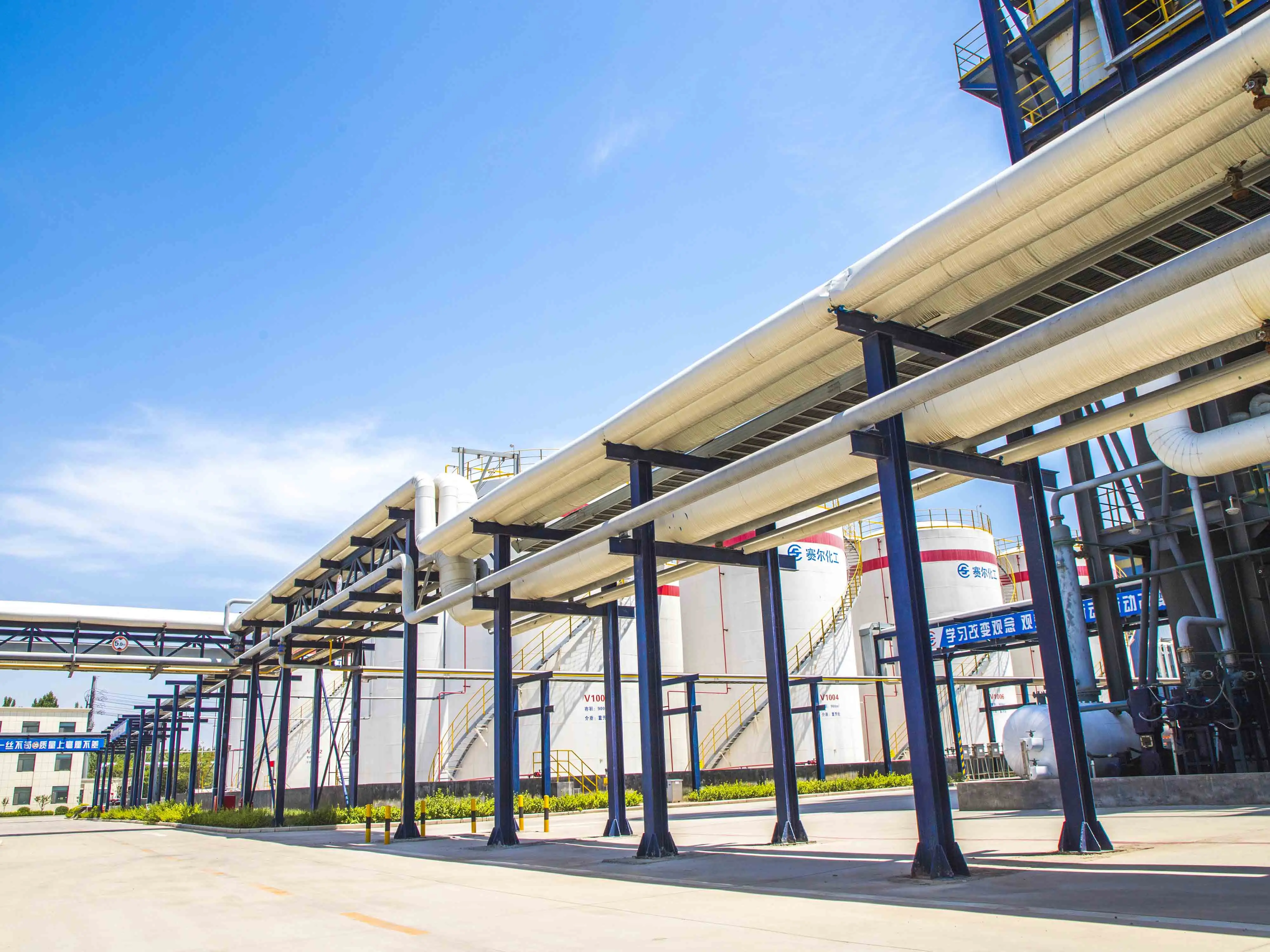
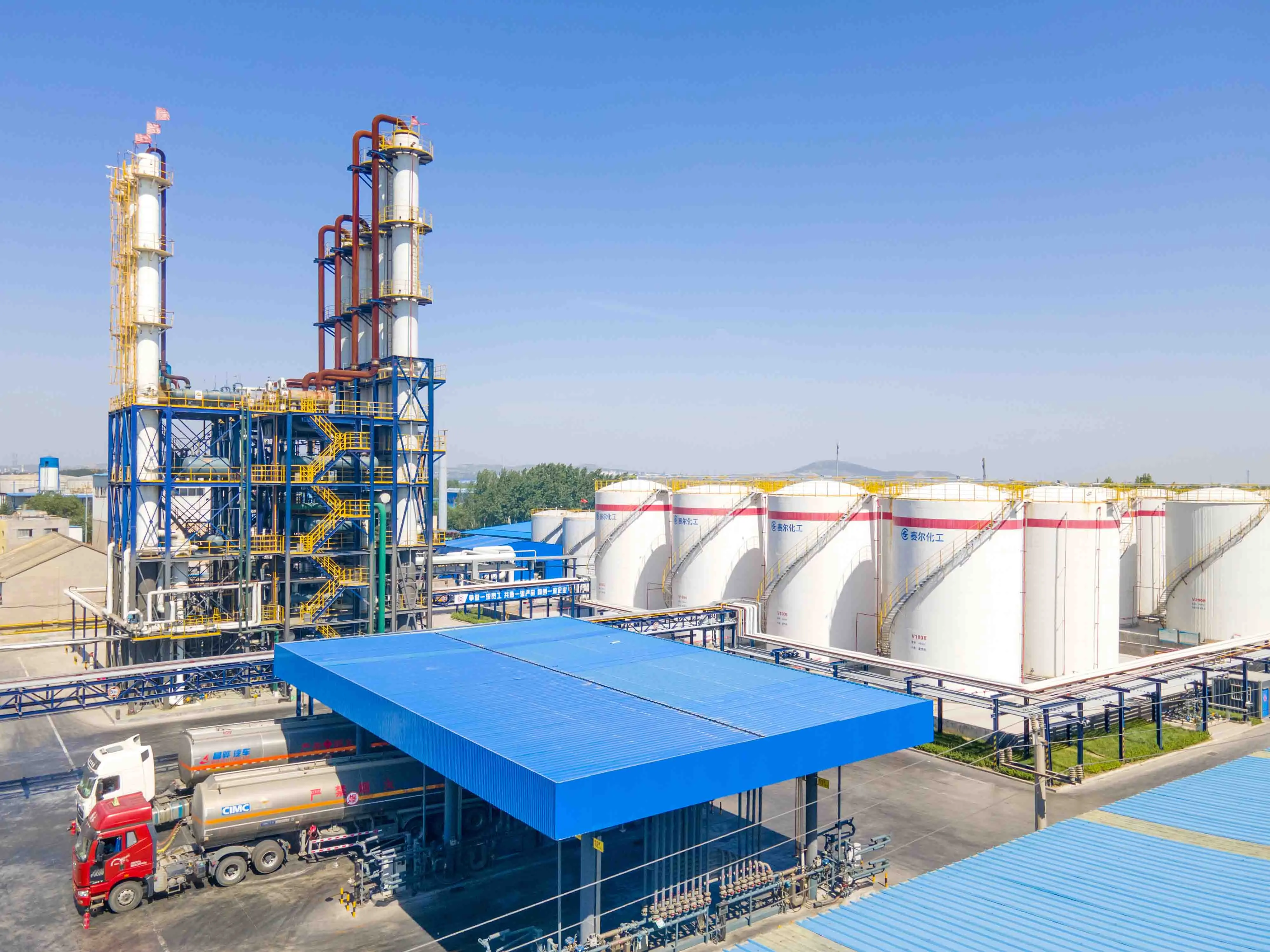
Our refining facility utilizes continuous fractional distillation systems under strict thermal controls. By processing crude C10 aromatics and light petroleum cuts through a multi-stage column system, we can separate fractions with precise boiling ranges.
To meet global demands for low-toxicity materials, we employ catalytic hydrodearomatization to reduce aromatic ring levels to less than 100 ppm. This process converts benzene, toluene, and xylene fractions into stable saturated naphthenic and paraffinic hydrocarbons, producing a high-purity solvent that meets safety regulations while preserving its physical properties.
Our automation systems monitor all flow parameters, temperature profiles, and pressures in real time. This continuous feedback loop ensures that every batch of CAS 64742-89-8 leaving our facility matches our target specifications, reducing batch-to-batch variation.
By integrating our systems with direct pipeline logistics from major refining complexes, we maintain high uptime and insulate our production processes from raw material shortages, helping us meet long-term supply agreements with global distributors.
Comprehensive technical and commercial answers to help procurement directors make informed decisions.
From highly specialized aromatic solvents to advanced chemical intermediates, our products are manufactured to meet demanding global standards.
Partner with Shandong Saier Chemical to access our 720,000-ton capacity, continuous fractionation technology, and secure raw material pipelines. Our technical support team is ready to assist with custom solvent blending, chemical profiling, and global logistics coordination.
Contact our sales engineering team to request sample quantities for lab testing, product specification sheets (COA), or detailed safety documentation (SDS).
Send RFQ via Email Saier Chemical