Explore our premium-grade structural chemical products manufactured under strict ISO quality standards.
Technical Overview of 2-Heptanone CAS 110-43-0 properties and performance benchmarks.
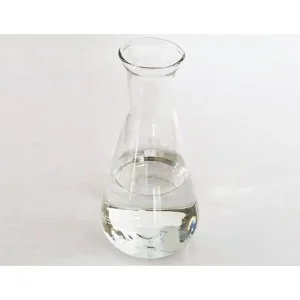
Methyl Amyl Ketone (MAK), systematically classified as 2-Heptanone, exhibits an optimized combination of low density, moderate evaporation rate, high flash point (39.5°C), and exceptional solvent activity. With a chemical molecular formula of C7H14O and CAS No. 110-43-0, it has become a backbone solvent for high-performance organic coatings seeking compliance with VOC limits.
In high-solids resin systems, viscosity management determines paint application quality. MAK provides superior viscosity reduction compared to traditional solvents like MIBK or n-butyl acetate. Its high solvent activity allows formulators to reduce the volume of solvent required, paving the path for high-solids acrylic, polyester, and polyurethane formulations.
As regulatory entities tighten emissions criteria globally, OEM manufacturers rely on MAK's low vapor pressure (0.28 kPa at 20°C) and photochemical reactivity characteristics to lower ambient ozone contribution. Its favorable safety profile makes it less hazardous under current OSHA and REACH guidelines than highly volatile alternatives.
Shandong Saier Chemical Technology Development Co., Ltd. — Delivering chemical engineering excellence since 2004.
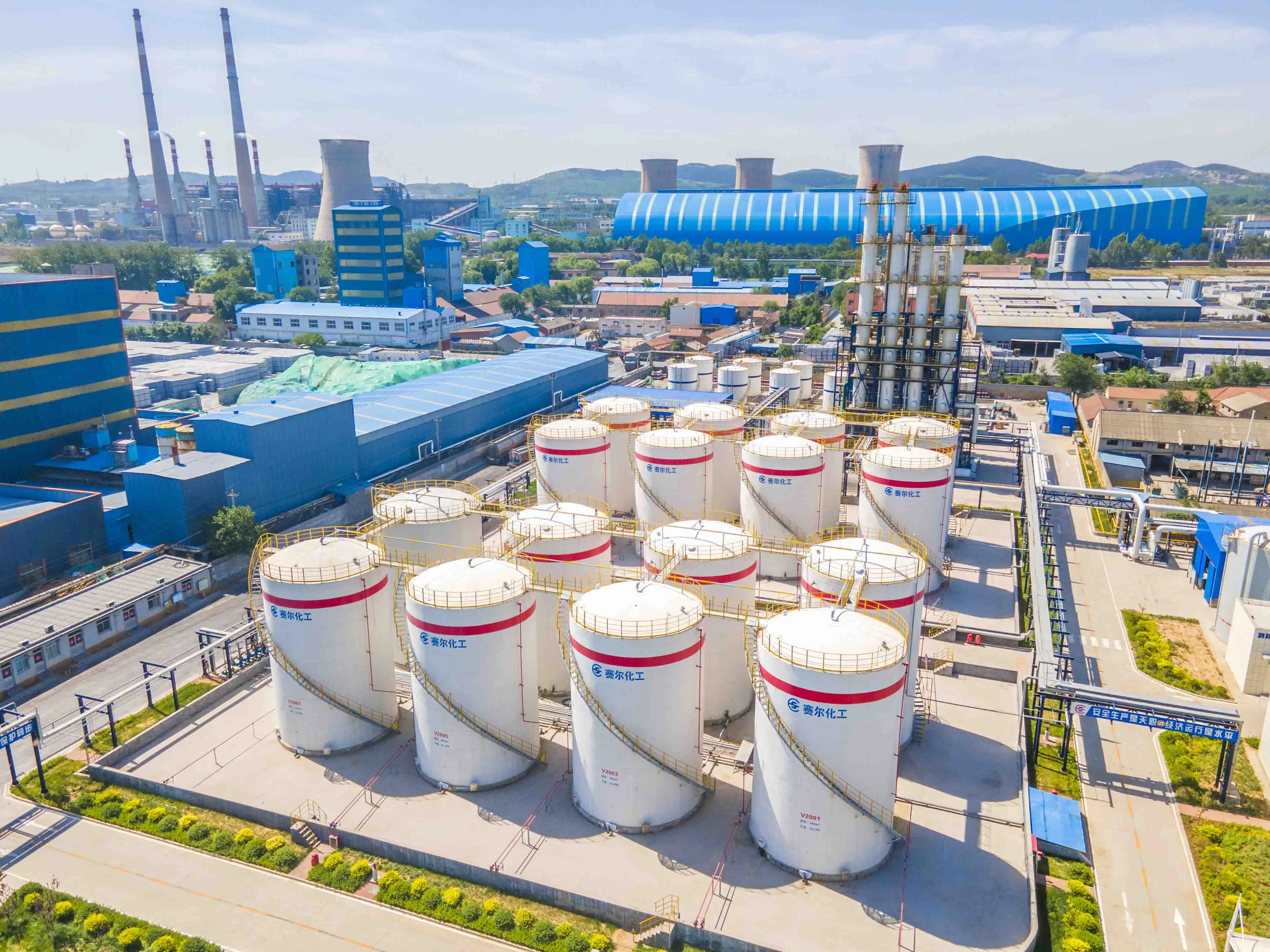
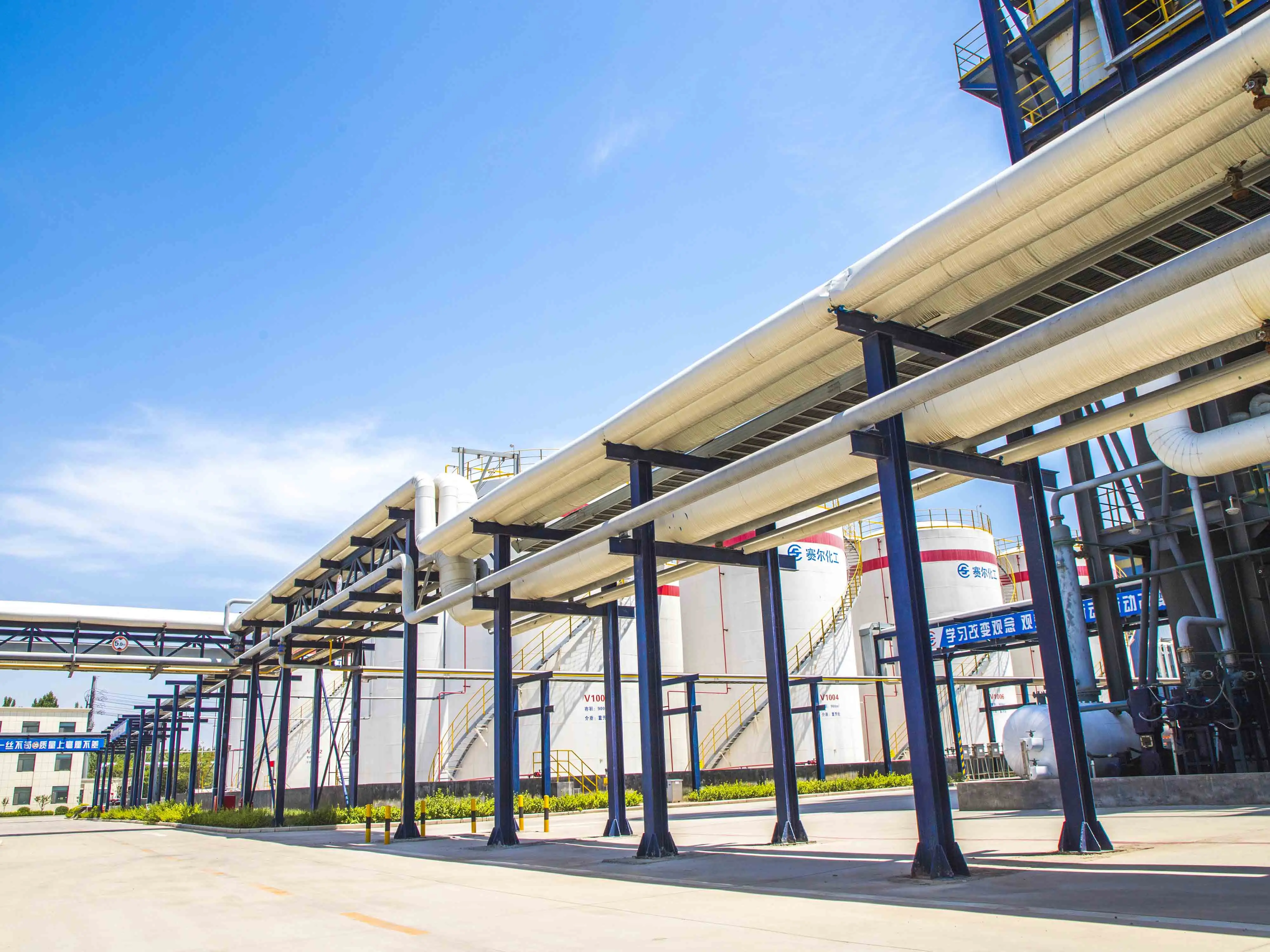
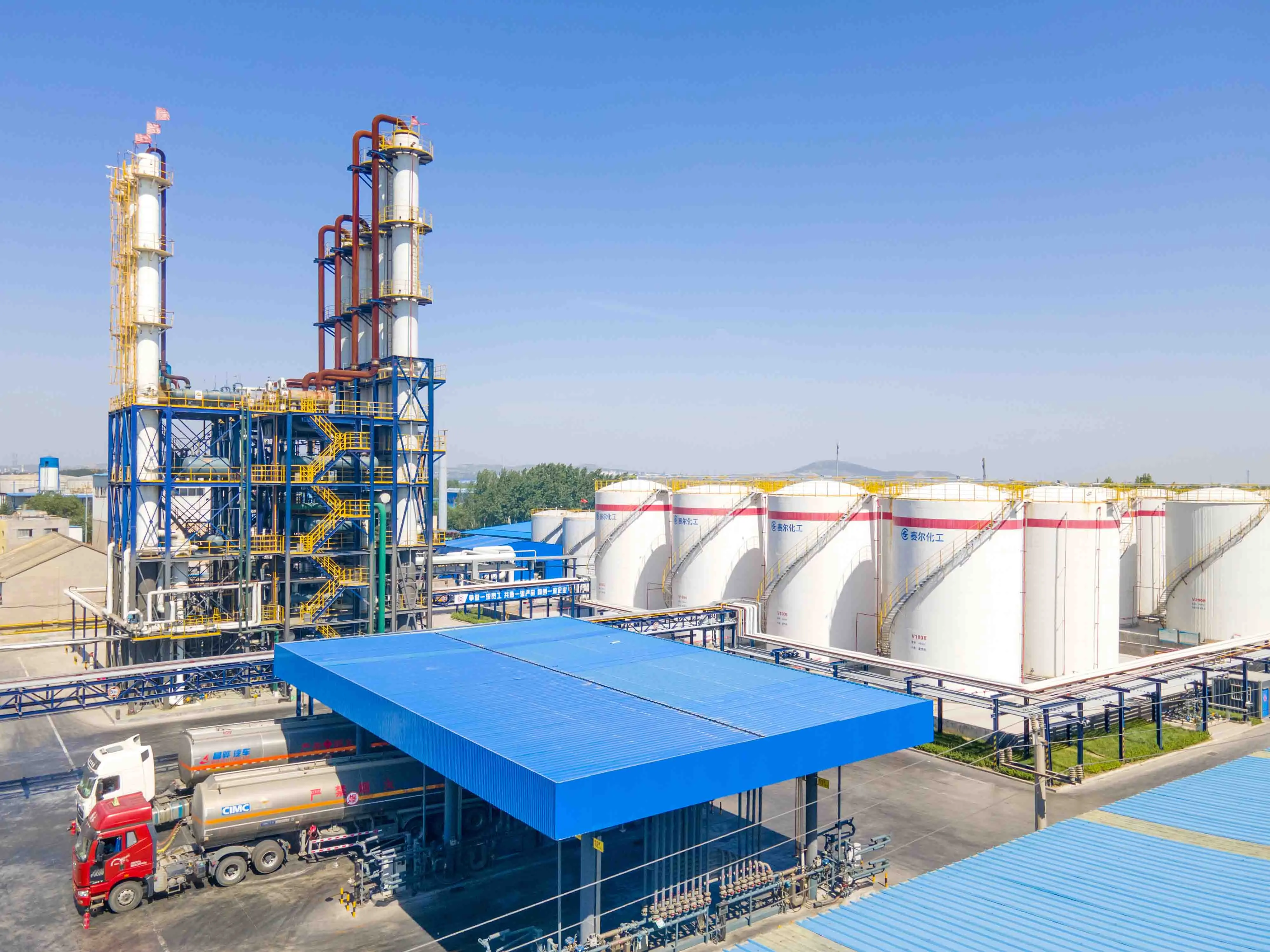
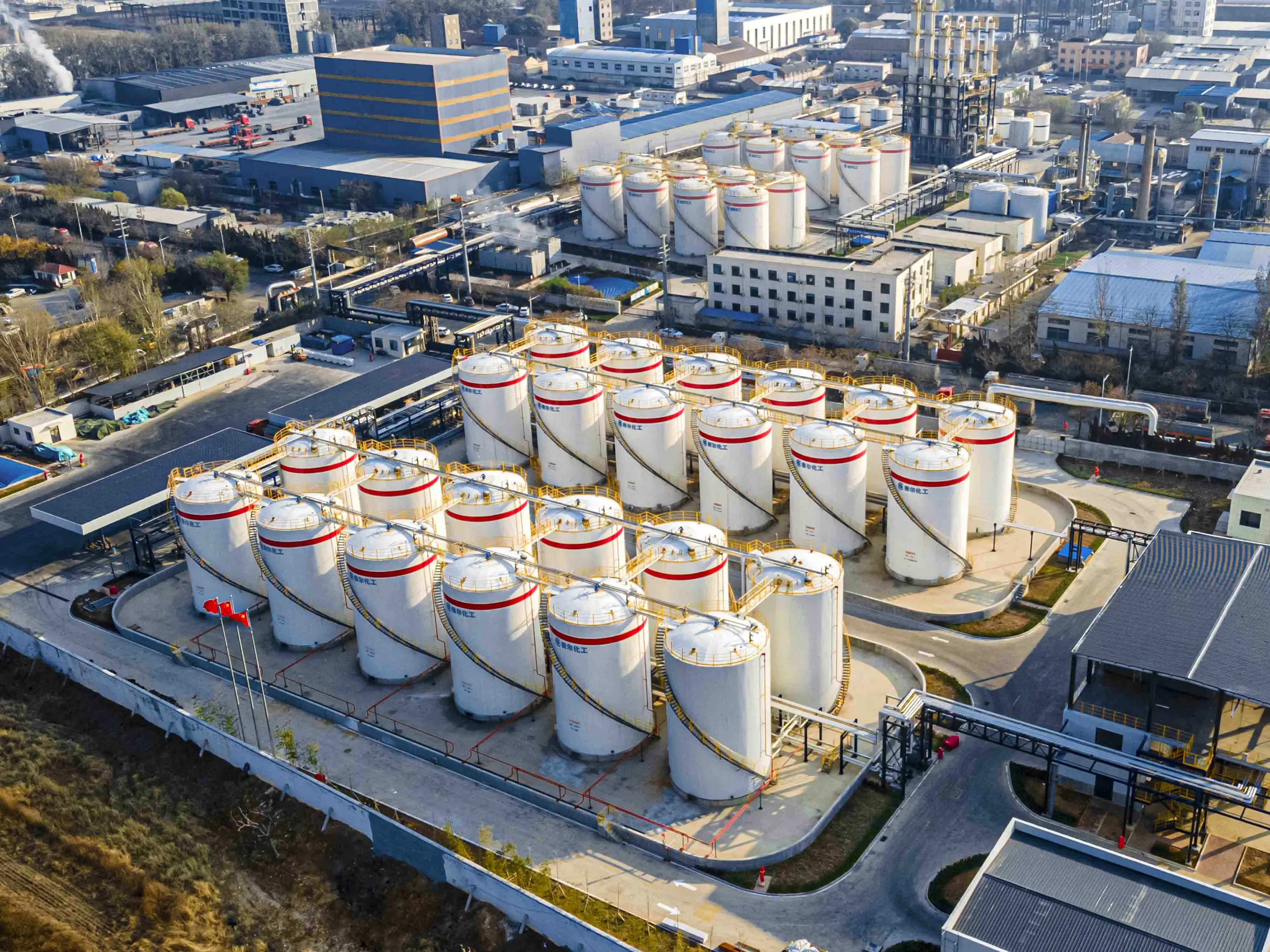
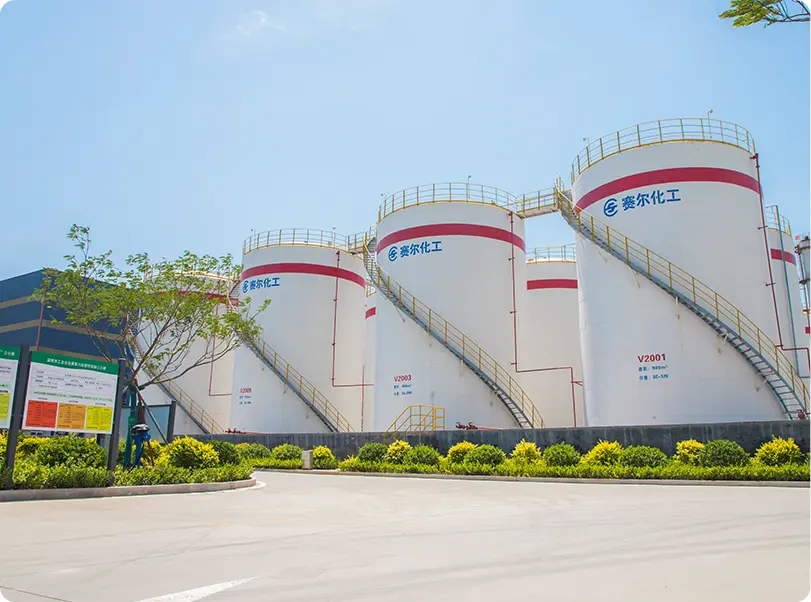
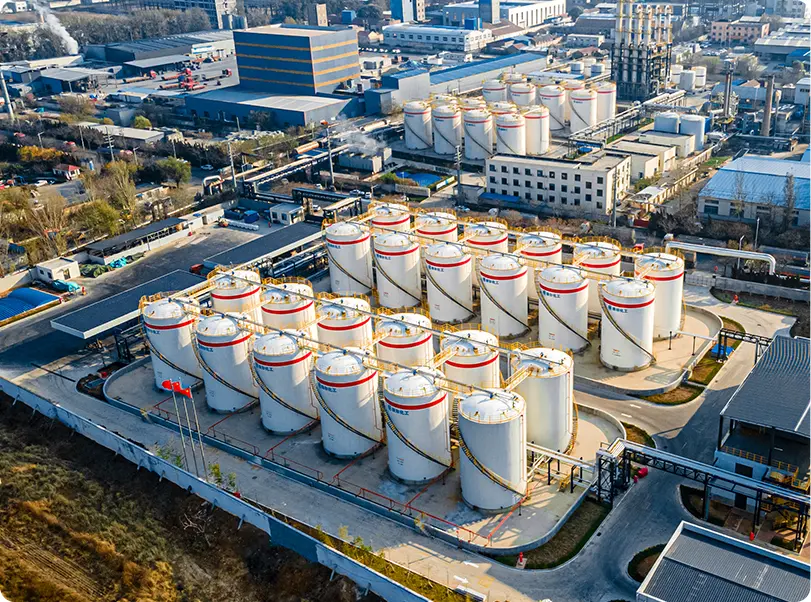
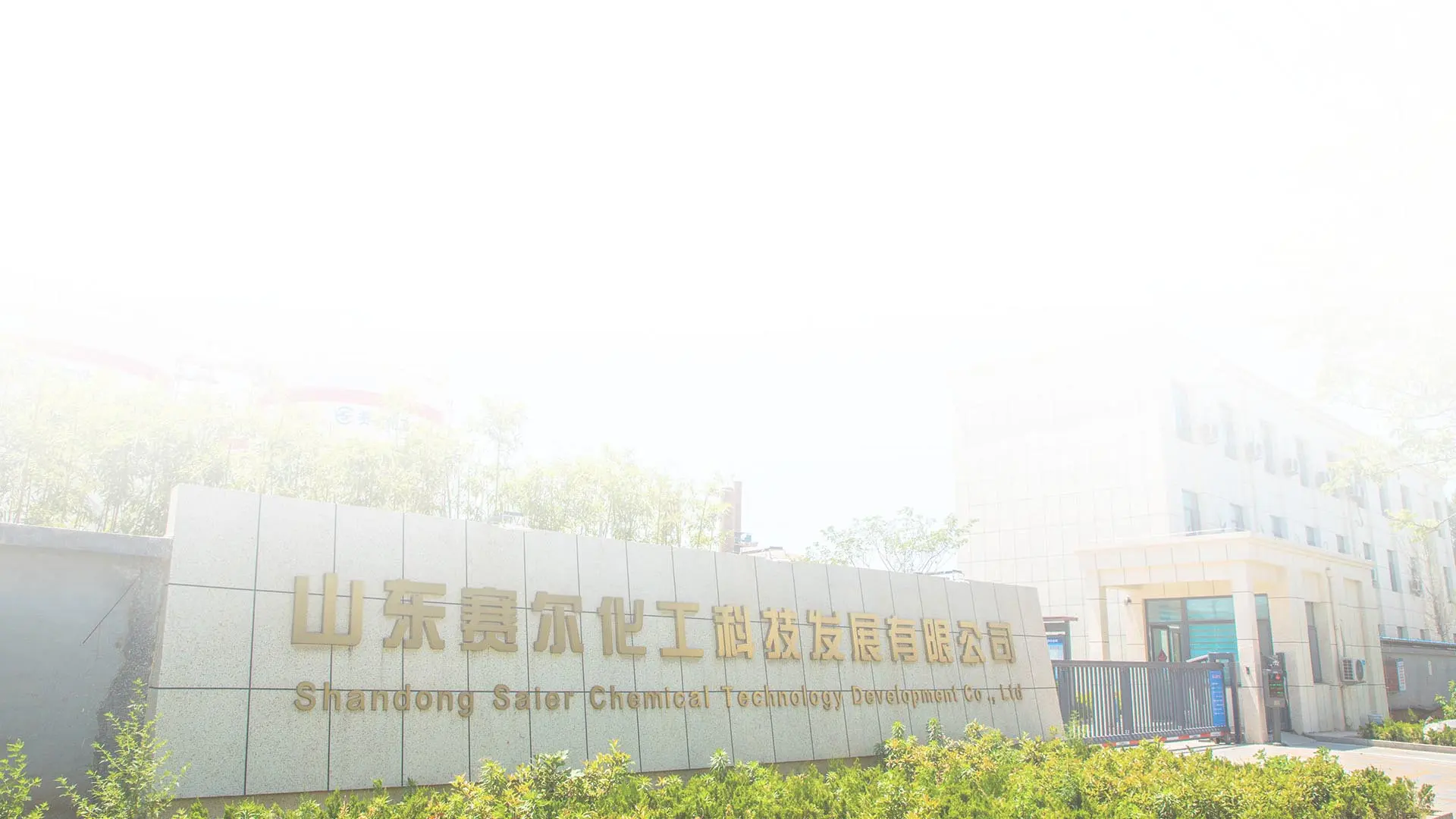
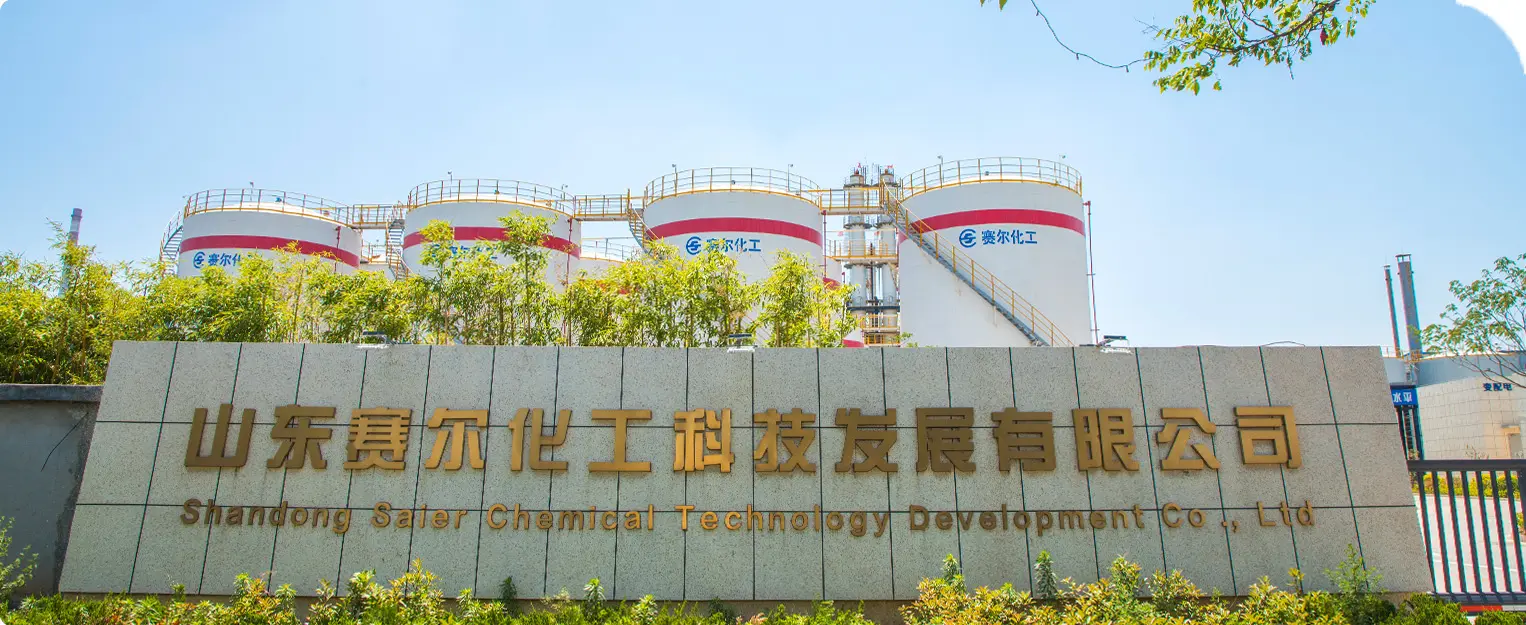
Founded in December 2004, Shandong Saier Chemical Technology Development Co., Ltd. operates a major production site at No.207, WeiLiu Road, Qilu Chemical Industrial Park, Linzi, Zibo City, Shandong Province. This location links us directly with localized petrochemical networks, guaranteeing stable access to downstream materials from Sinopec and PetroChina.
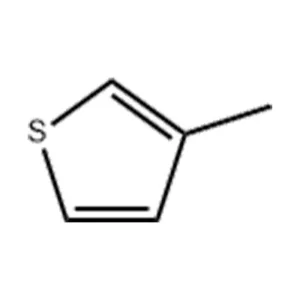
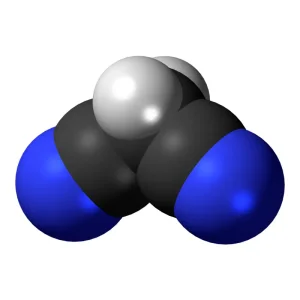
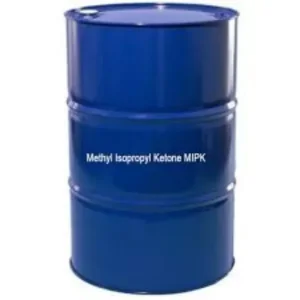
Our operational framework relies on refining synergies with Hengli Petrochemical and Zhejiang Petrochemical. We specialize in producing key products like environmentally friendly high-boiling aromatic solvents (Solvent naphtha, TOPSOL, KOCOSOL, Aromatic Hydrocarbon, TOLUENE AROMATIC HYDROCARBON, NAFTA DISOLVENTE SOLVESSO) such as S-100, S-150, S-150ND, S-180, and S-200. Our pipeline also includes Heat transfer oils L-QC320 and chemical intermediates such as durene, PVC plasticizers, thiophene, 1,3-Cyclohexanedione, MIPK, TMOF, TMOA, HPA, and TMG.
Recognized as a national high-tech enterprise, Saier invests continuously in process engineering to minimize carbon footprints and lower raw emission counts. By optimizing energy recycling systems and chemical rectification stages, we provide OEM clients with high-purity ketones that meet stringent structural specifications for international distribution.
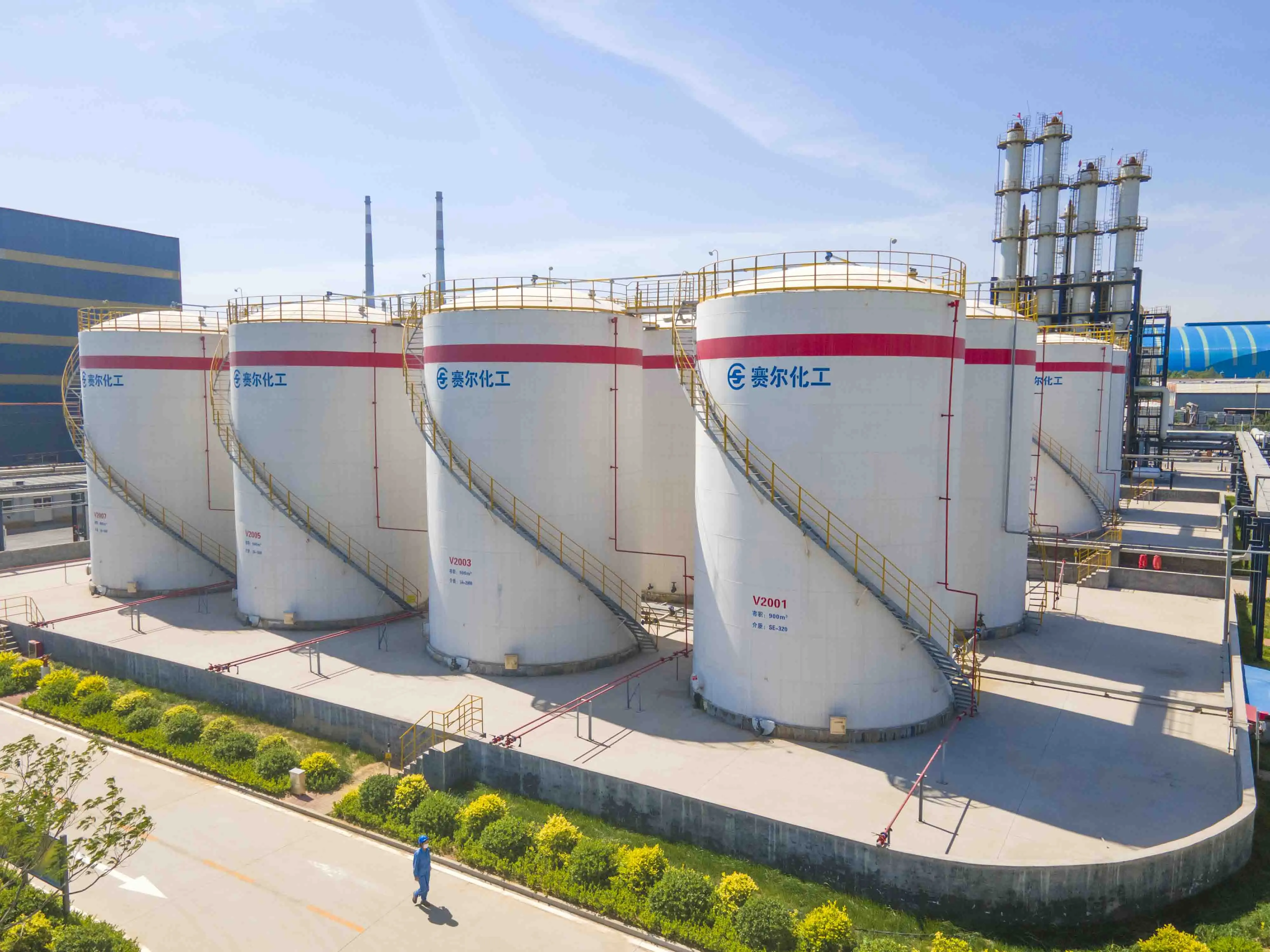
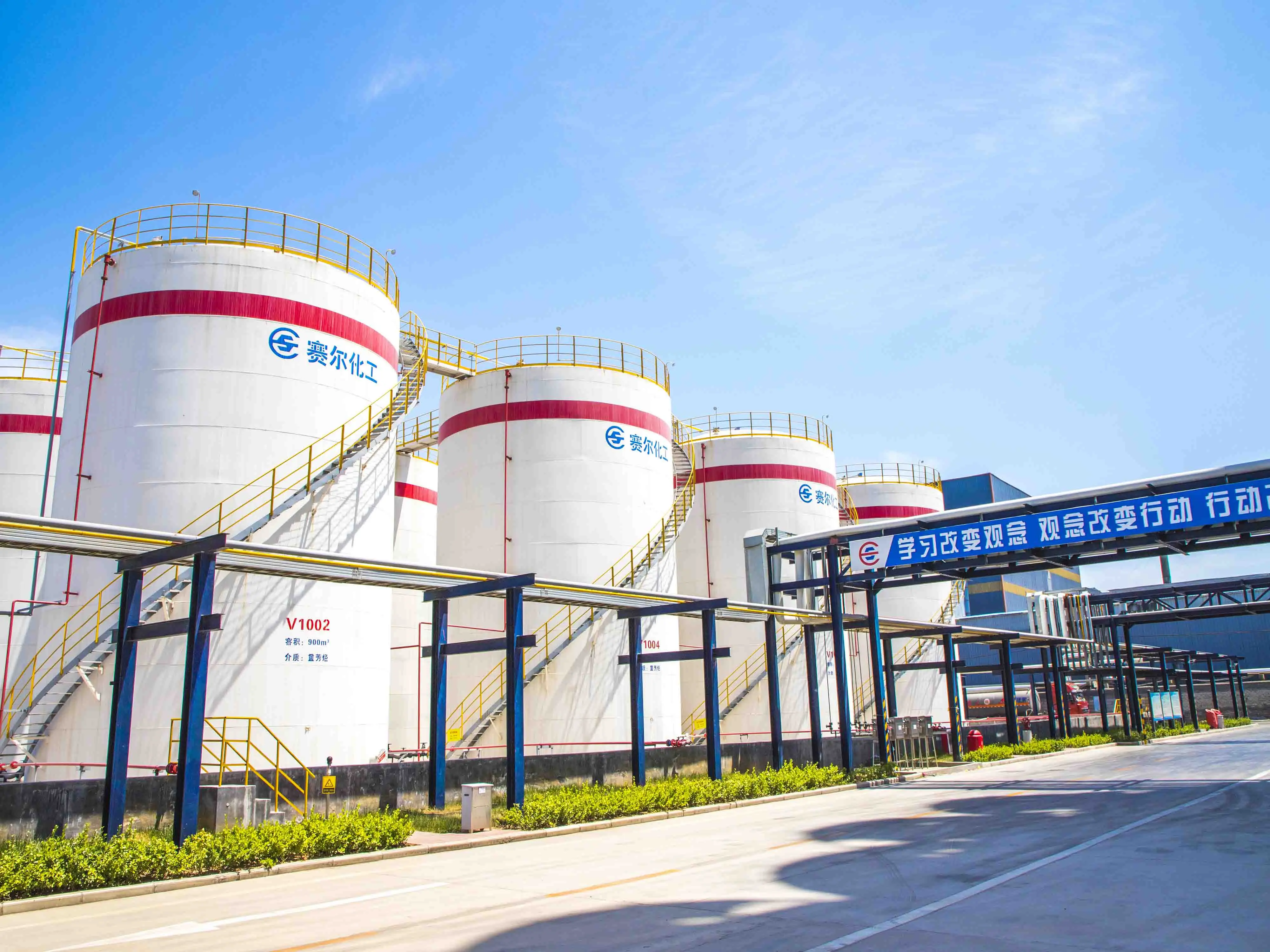
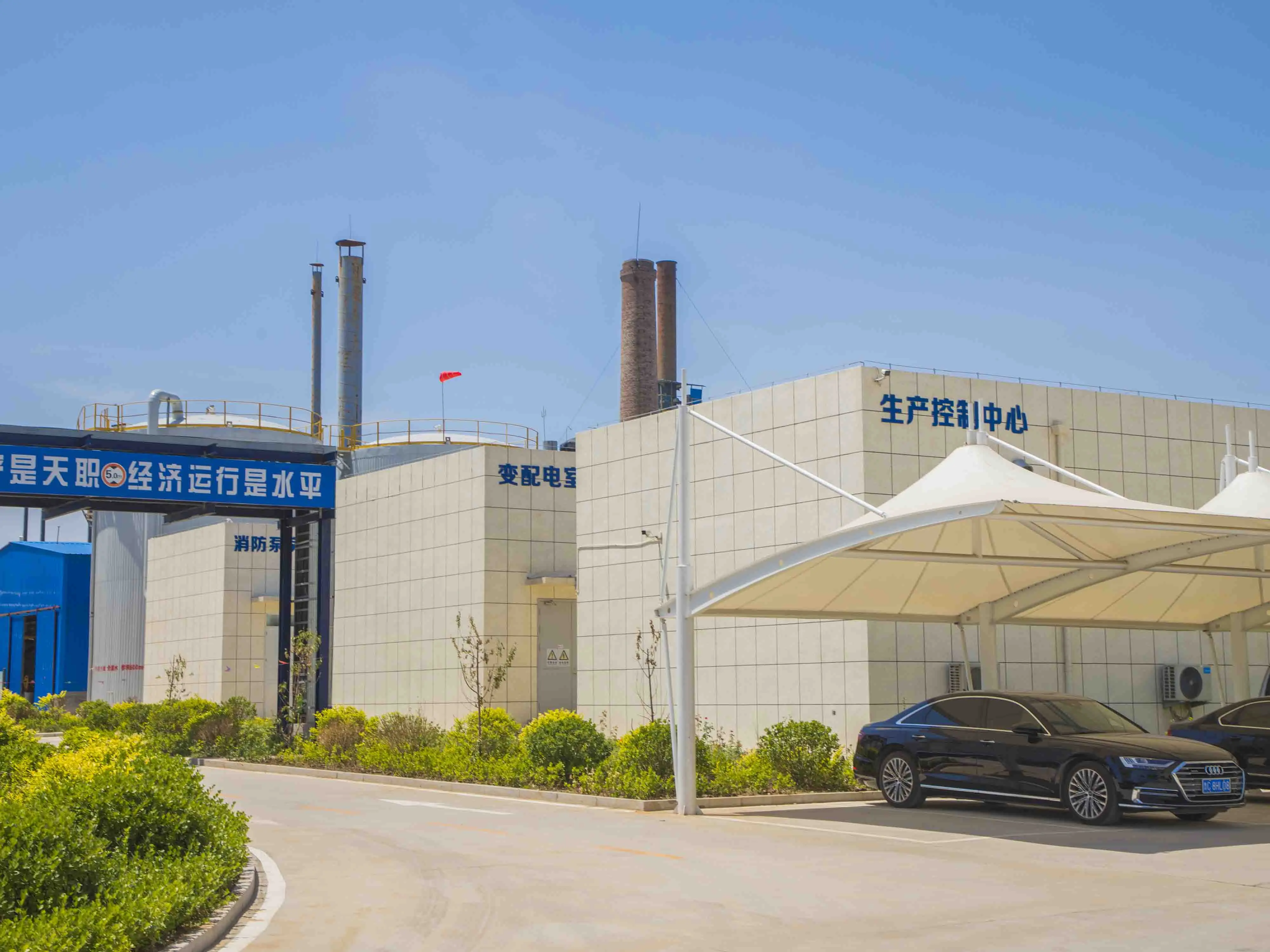
How our production processes deliver chemical stability and structural purity.
Our production utilizes highly selective metal catalyst matrices to run catalytic dehydrogenation of 2-heptanol. By maintaining strict control over thermal ranges and pressure gradients, we limit the formation of unwanted heavy elements, keeping primary assay purity above 99.5%.
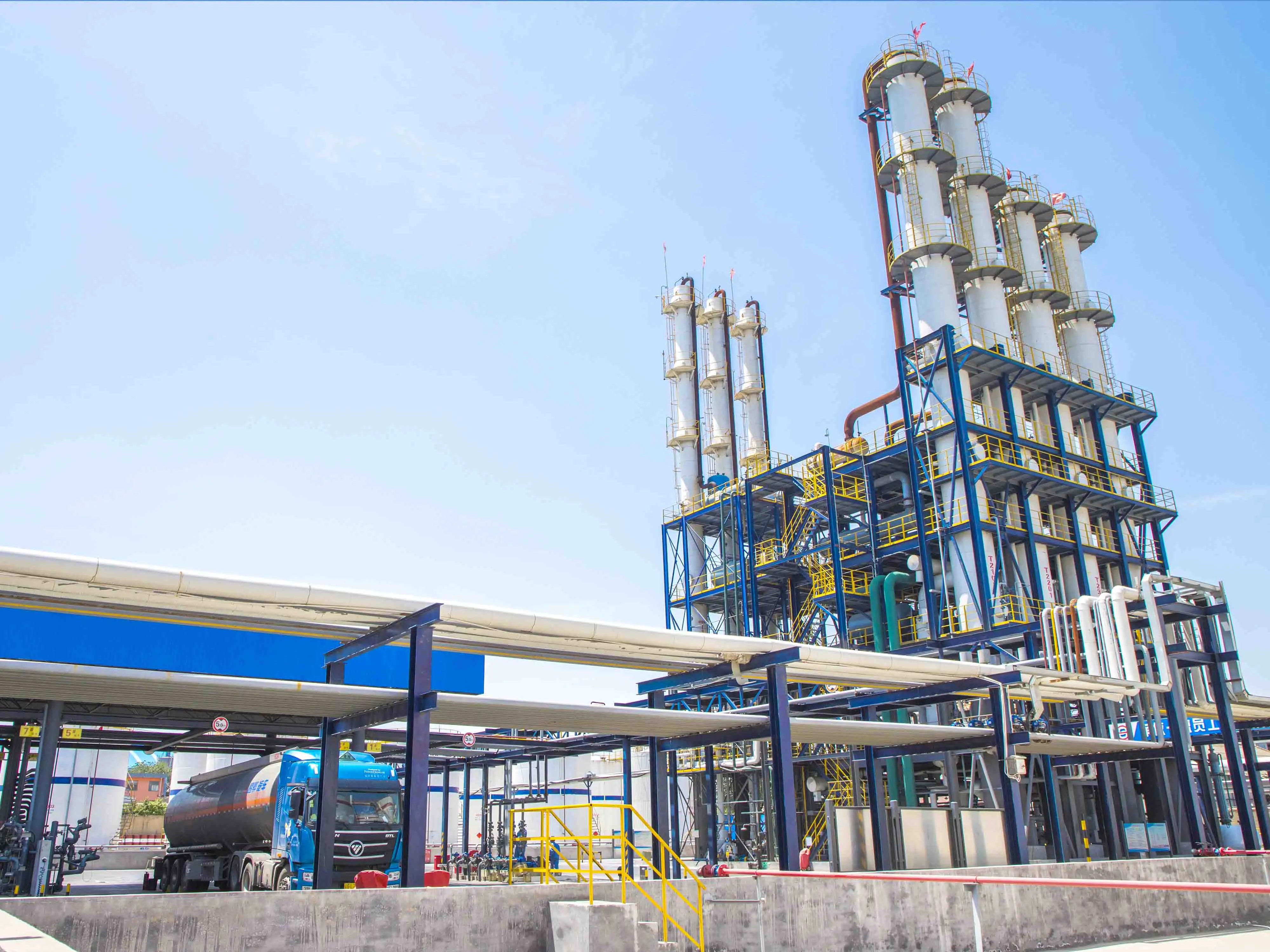
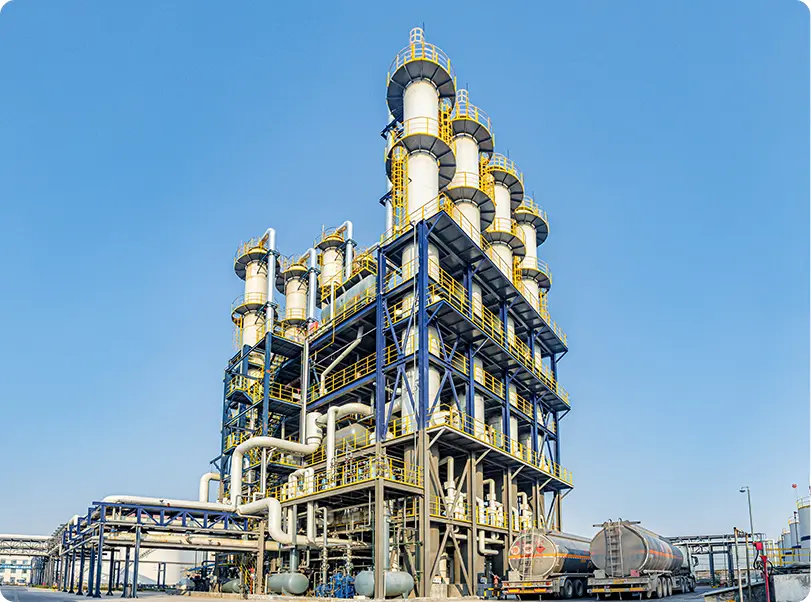
Using advanced multi-stage vacuum fractional distillation columns, we isolate 2-Heptanone from lighter reaction byproducts. This precise separation removes trace metals and moisture, ensuring our final solvent matches the sensitive formulation needs of automotive urethane finishes.
Each batch undergoes online gas chromatography (GC) and Karl Fischer titration analysis. We track physical parameters including color indexes (Pt-Co max 10), non-volatile residues, and moisture volumes (max 0.05 wt%) to verify compliance with OEM specifications.
Where performance meets chemistry in global heavy industries.
MAK acts as an active tail solvent in automotive clearcoats. Its low evaporation rate keeps the wet paint film open longer, which allows air bubbles to escape and leads to superior leveling, gloss, and paint DOI (Distinctness of Image).
Aircraft structural surfaces require thin, uniform layers of epoxy and polyurethane primers. MAK's high solvency lowers polymer viscosity without exceeding strict regional VOC thresholds.
Marine structures face high levels of humidity and corrosion. High-solids epoxy barriers formulated with 2-Heptanone apply easily via airless spray systems, forming tough, defect-free coatings.
High-purity grades of MAK are used in the semiconductor sector. It functions as an organic solvent in photolithography resists and stripping steps where residue-free evaporation is crucial.
Why global chemical purchasers rely on Shandong Saier's integrated logistics.
Our plant's location within the Qilu Chemical Industrial Park gives us direct access to raw material pipelines from Sinopec and PetroChina. This deep integration shields our customers from sudden price swings and feedstock shortages that can stall less-integrated plants.
Operating near major logistics hubs like Qingdao Port allows us to handle bulk orders quickly. Whether you need ISO tanks, flexibags, or steel drum shipments, we offer streamlined customs processing and reliable transport paths to Europe, Asia, and the Americas.
Backed by an annual production capacity of 720,000 tons of chemical intermediates and aromatic fractions, we accommodate diverse packaging demands, tailored purity levels, and customized OEM solvent blends.
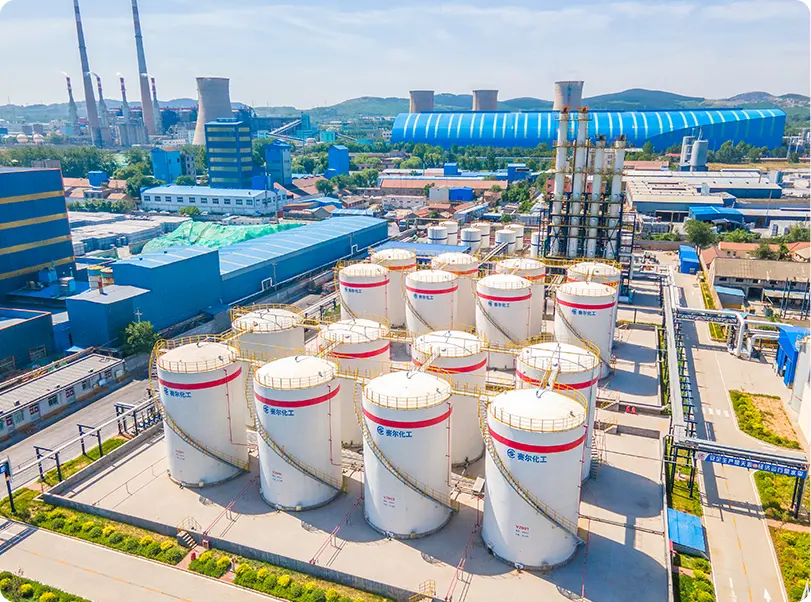
Balancing active solvency with industrial emissions management.
Produced using C10 aromatics via continuous fractional distillation. It delivers a colorless, transparent, and aromatic organic solvent profile that aligns with international hydrocarbon solvent standards.
Focuses on synthesis customization, building tailored intermediate chains, and purifying specialty solvents to meet strict purity requirements for downstream clients.
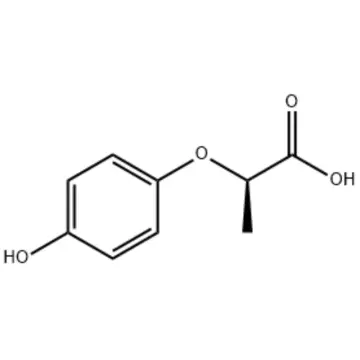
Our intermediates serve as foundational building blocks for specialized resin manufacturing. They support our goal of delivering stable, reliable, and sustainable chemical supplies globally.
Expert technical insights regarding MAK applications, formulation chemistry, and global supply logistics.
Additional commercial products from our industrial synthesis lines.
Partner with a reliable manufacturer to optimize your industrial coatings. Our technical team is available to assist with formulation reviews, blend customization, and supply scheduling.
Call us Free: +86 15853357907
Request Technical Data Sheets Saier Chemical