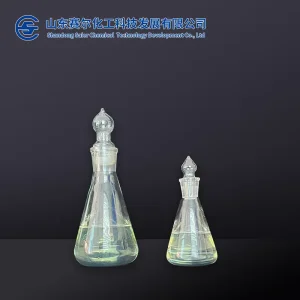
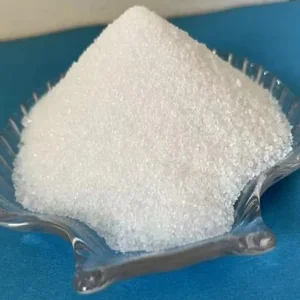
Premium formulated Heat Transfer Fluids and specialty intermediates engineered to support Romanian automotive, petrochemical processing, and pharmaceutical synthesis plants.
Romania has rapidly transitioned to become one of the premier industrial and manufacturing corridors in Central and Eastern Europe (CEE). Anchored by manufacturing powerhouses in Ploiești, Cluj-Napoca, Brașov, Timișoara, and Sibiu, the demand for stable heat transfer technology has reached unprecedented levels. Key sectors, including automotive parts manufacturing, rubber extrusion, advanced polymer processing, and agricultural petrochemical formulations, rely on closed-loop, high-temperature thermal fluids like the L-QC320 Heat Transfer Oil to maintain continuous operational productivity.
Modernization of local processing facilities is heavily driven by energy-efficiency directives from the EU. The replacement of outdated direct steam heating systems with advanced liquid-phase thermal oil systems allows Romanian manufacturers to reduce energy expenditure, decrease emissions, and achieve finer temperature regulation (+/- 1°C). Our supply chain offers direct, bulk-tank container and flexibag shipments from Qilu Chemical Industrial Park straight to the Port of Constanța, supporting Romanian enterprises in keeping pace with dynamic production deadlines.
A critical challenge for Romanian chemical engineers is managing thermal degradation (cracking) and oxidative decay of heat transfer oils. When mineral oils are exposed to temperatures exceeding their thermal limit, the hydrocarbon chains break down. This cracking produces volatile, low-boiling components (light ends) which lower the system flash point, and heavy polycyclic molecules (heavy ends) which form coke deposits, causing system fouling, localized hot spots, and eventual tube failure.
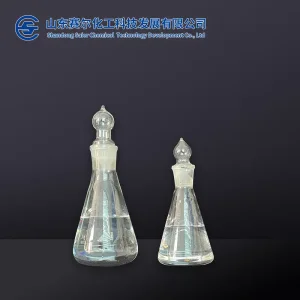
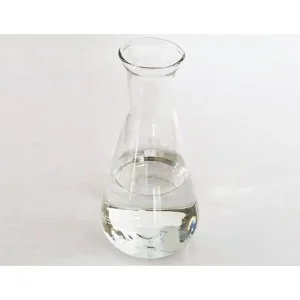
Saier Chemical's L-QC320 Heat Transfer Oil is formulated using highly refined mineral base oils combined with proprietary alkyl-aromatic compounds and radical scavengers. This unique composition delivers high-performance metrics under continuous high-temperature stress:
| Typical Properties | Standard Method | L-QC320 Specifications | Operational Impact for Buyers |
|---|---|---|---|
| Max. Bulk Temperature | - | 320 °C | Safe continuous operation in modern liquid phase boilers |
| Max. Film Temperature | - | 340 °C | Prevents thermal cracking at the tube-wall boundary layer |
| Kinematic Viscosity (40°C) | ASTM D445 | 30.5 - 34.0 mm²/s | Optimal pumping efficiency during cold-start sequences |
| Flash Point (PMCC) | ASTM D93 | > 210 °C | Mitigates high-temperature fire hazards in open systems |
| Auto-ignition Temperature | ASTM E659 | > 350 °C | Exceeds peak design operating parameters for safety margin |
| Conradson Carbon Residue | ASTM D189 | < 0.03 wt% | Reduces carbon sludge accumulation in heat exchangers |
To maximize system lifetime (often achieving 5 to 8 years of uninterrupted service), our engineering team recommends implementing a strict nitrogen blanketing protocol on the expansion tank. This step isolates the hot oil from oxygen, virtually eliminating oxidation. Oxidation generates organic acids that increase the fluid's Total Acid Number (TAN), accelerating system corrosion and varnish deposits.
Exporting high-performance chemical fluids and aromatic solvents into the European Union demands strict compliance with regulatory structures. Shandong Saier Chemical operates under robust REACH registrations, ensuring that all aromatic solvents (S100, S150, S180, S200) and intermediate chemicals supplied to Romania adhere to current ECHA (European Chemicals Agency) standards.
We leverage multimodal transportation channels to offer cost-competitive DDP/CIF shipping solutions. Shipments typically depart from the Port of Qingdao or Tianjin via premier shipping lines, arriving directly at the Port of Constanța. From Constanța, we partner with domestic rail and road transport systems to deliver directly to your facility in industrial parks like Ploiești Industrial Park, Tetarom (Cluj), or Eurobusiness Park (Oradea).
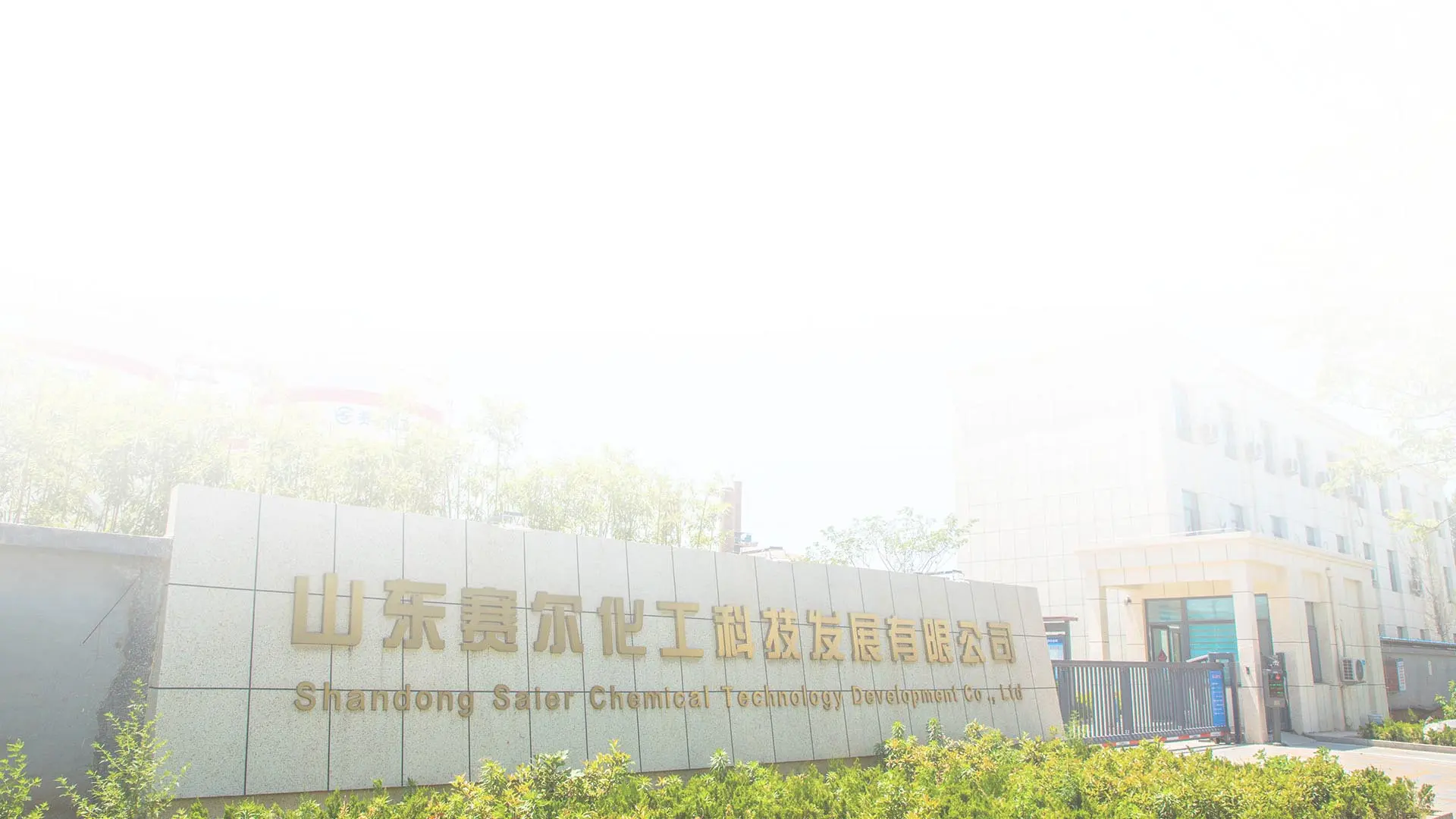
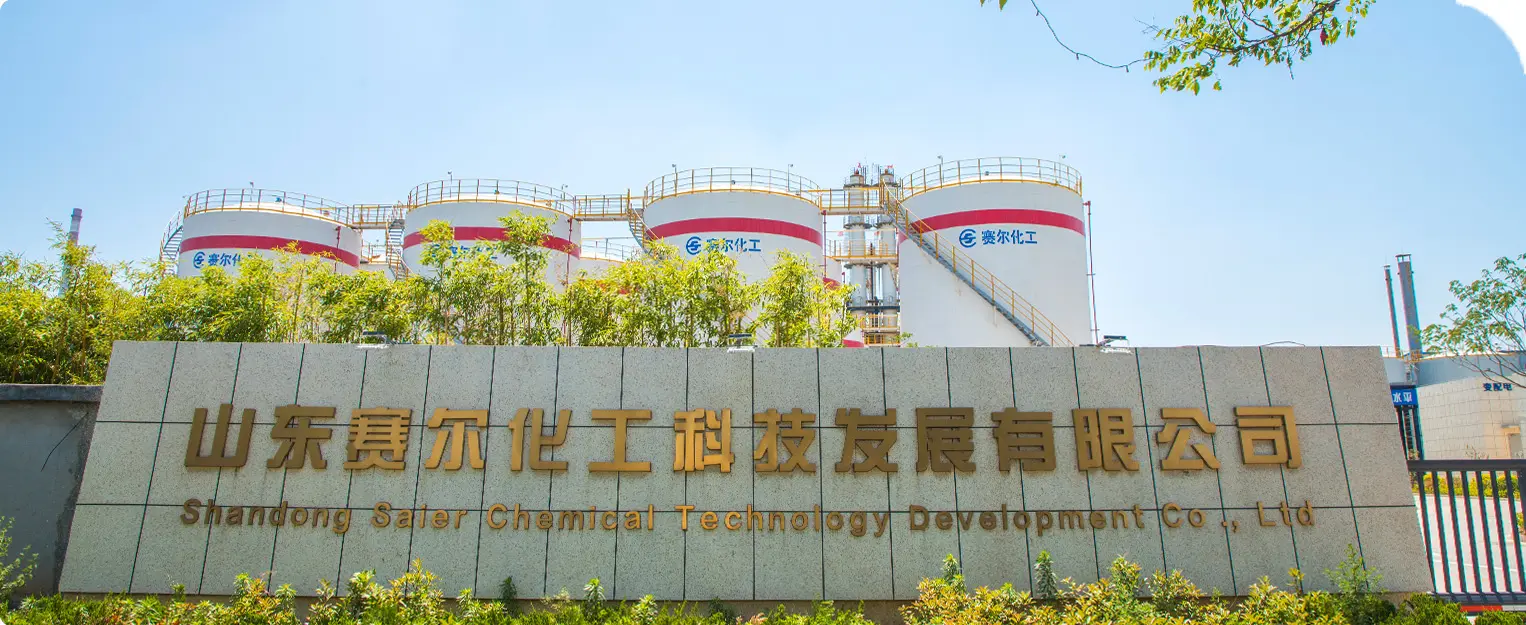
Founded in December 2004, Shandong Saier Chemical Technology Development Co., Ltd. has grown into a leading specialty chemical manufacturer. Strategically located within the Qilu Chemical Industrial Park in Zibo City, Shandong Province—adjacent to national petrochemical complexes—our facility spans advanced production zones equipped with modern automation and fractional distillation columns.
Our raw material strategy relies on direct pipeline and contract procurement from national refining leaders, including Sinopec, PetroChina, ChemChina, Zhejiang Petrochemical, and Hengli Petrochemical. This guarantees a steady supply of high-grade C9/C10 aromatic streams and base oils, protecting our production against upstream volatility and ensuring consistent quality for export markets.
With an annual capacity of 720,000 tons, Saier Chemical utilizes smart refining technologies to split aromatic hydrocarbons and formulate specialty heat transfer oils. By maintaining digital control over temperature profiles during distillation, we achieve narrow boiling-range cuts, resulting in low-volatility solvents and high-purity intermediates that meet the rigorous requirements of global customers.
Explore our full line of export-grade chemical solutions, manufactured under strict ISO 9001 and ISO 14001 guidelines to match demanding international specifications.
The operational limit is defined by both the bulk fluid temperature (320°C) and the boundary film temperature (340°C). Operating above these limits accelerates thermal cracking, producing volatile light ends that lower the flash point, and heavy carbon residues that form scale inside system tubing, reducing overall thermal efficiency.
Our L-QC320 is refined to maintain a kinematic viscosity of 30.5 to 34.0 mm²/s at 40°C. Its pour point and low-temperature viscosity profiles prevent overloading circulation pumps during startup, ensuring smooth oil flow and stable system pressure even in cold ambient temperatures.
We supply products in 200L steel drums (170-180 kg/drum), 1000L IBC tanks, and bulk flexitanks (20-24 metric tons per 20GP container) to meet different storage requirements and installation sizes at destination ports.
Yes, all our exported aromatic solvent naphtha products (S100, S150, S180, S200) conform to EU REACH specifications. We provide comprehensive Safety Data Sheets (SDS) matching GHS standards for smooth clearance at Constanța and other EU entry points.
To extend fluid life, keep bulk temperatures within design parameters, maintain turbulent flow in heater tubes (minimum velocity of 2 m/s), and use a nitrogen blanket in the expansion tank to prevent contact with oxygen, which reduces oil oxidation and acid formation.
Get in touch with our applications engineering team to receive customized pricing, REACH technical dossiers, or direct logistics estimates for delivery to Romania.
 Saier Chemical