Premium grade industrial thermal oils engineered to meet Germany's rigorous DIN 4754 engineering standards.
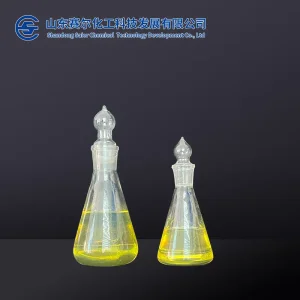
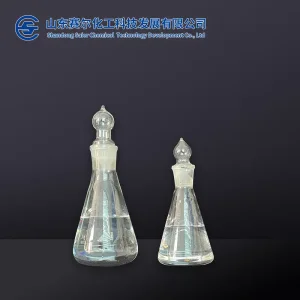
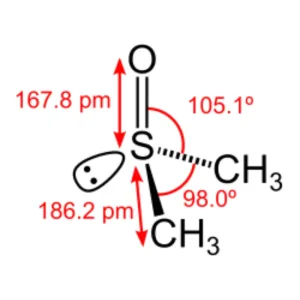
In modern industrial processes, the precision of thermal control systems directly determines both product quality and operational safety. In Germany—the industrial heart of Europe—manufacturing environments demand unmatched efficiency, environmental compliance, and long-term chemical reliability. This technical document addresses the critical variables in selecting, implementing, and maintaining heat transfer fluids, synthetic aromatic solvents, and custom chemical intermediates designed to run high-performance thermal cycles.
Germany stands as a global leader in high-tier manufacturing, driving innovation across automotive assembly, petrochemical processing, fine chemical synthesis, food and beverage manufacturing, and renewable energy storage. Each of these industries relies on continuous indirect heat transfer mechanisms. The choice of heat transfer oil is not merely a utility procurement decision; it is a vital engineering component that affects thermal system throughput and carbon footprint reduction.
Under the stringent frameworks of the European Green Deal and the German Federal Emission Control Act (BImSchG), operators in Zibo and throughout German industrial zones like the Ruhr Valley, Bavaria, and Ludwigshafen are actively transitioning toward high-flashpoint, low-volatility, and thermally stable heat transfer chemistries. This shift is designed to prevent operational degradation, minimize volatile organic compound (VOC) emissions, and eliminate fluid coke formation within process pathways.
Precise temperature control for batch reactors, polymer synthesis facilities, and distillation units requires consistent viscosity profiles and robust heat transfer coefficients.
High-efficiency operations within automotive paint shops, wood processing presses, and metal finishing lines require reliable thermal oil circulation at high operating temperatures.
Concentrated solar plants (CSP), biomass facilities, and industrial waste heat recovery setups demand fluids that can endure long periods of high thermal stress without breaking down.
Industrial thermal fluids are generally grouped into mineral-based formulations (e.g., L-QC320) and synthetic aromatic formulations. Choosing between these classes depends on the design limits, continuous operating temperatures, and safety requirements of the facility.
Mineral Oils (L-QC320): Refined mineral heat transfer oils offer an excellent balance of affordability and thermal performance. Formulated from premium paraffinic base oils combined with advanced anti-oxidation and anti-cracking additives, L-QC320 operates efficiently at temperatures up to 320°C in closed systems. It is widely used in wood pressing, textile drying, and typical asphalt mixing plants because of its reliable heat capacity and low corrosive tendencies.
Synthetic Aromatic Fluids: For systems running above 320°C, synthetic aromatic fluids (such as alkylbenzene or diaryl ether structures) provide superior molecular stability. These fluids resist thermal cracking—the process where high temperatures break chemical bonds to create volatile, low-boiling components and heavy carbon deposits. In Germany, synthetic formulations are the standard for advanced chemical reactors requiring continuous operation at temperatures up to 350°C and beyond.
When engineering or purchasing heat transfer media, technical managers must evaluate several critical physical and chemical metrics to ensure compatibility and safe operation:
Annual Production Capacity (Tons)
Max Operating Temp (L-QC320)
Established Year
Quality Inspected
Exporting chemical compounds, aromatic solvents, and heat transfer systems to the German market requires strict adherence to European regulations. Shandong Saier Chemical maintains full transparency and compliance across all product lines, including Aromatic Solvent S100, S150, S150ND, S180, and S200 series.
The Registration, Evaluation, Authorisation and Restriction of Chemicals (REACH) regulation is the core safety standard for chemicals entering the EU. We work closely with leading logistics partners and testing agencies to ensure all shipments meet REACH standards, offering complete documentation, Safety Data Sheets (SDS) in German and English, and certified ISO 9001 quality management from production to final delivery.
As EU carbon tariffs (CBAM) and localized sustainability regulations tighten, the thermal management industry is focusing on circularity and energy efficiency. Modern heat transfer operations are moving away from disposable single-use systems toward long-lasting fluids that can be re-refined, filtered, and put back into service. Shandong Saier Chemical is at the forefront of this evolution, investing in processes that reduce production footprint and maximize energy recovery during high-temperature operations.
Established December 2004 | Premium Quality & Process Innovation
Shandong Saier Chemical Technology Development Co., Ltd. has built a strong reputation in the chemical industry since its founding in 2004. Located at No.207 WeiLiu Road in the Qilu Chemical Industrial Park (Linzi, Zibo City, Shandong Province), the company benefits from a modern industrial park infrastructure and close alignment with major refining partners.
With a registered capital of 60 million yuan, Saier Chemical initially focused on premium basic chemicals and high-purity solvents. Today, the facility has a production capacity of 720,000 tons per year. Our high-boiling aromatic solvents and heat transfer oils are distributed worldwide, including major markets in Germany, greater Europe, the Americas, and Southeast Asia.
Send Inquiry NowOur raw materials are sourced directly from major global petrochemical complexes, including Sinopec, PetroChina, ChemChina, and Hengli Petrochemical, ensuring consistent high-purity inputs for chemical synthesis.
Recognized for our advanced research and development in optimizing production processes, lowering energy consumption, and producing clean, high-performance solvents with lower environmental impact.
Our team specializes in managing international chemical logistics, handling custom paperwork, REACH certificates, and ensuring safe delivery to sites across Germany and Europe.
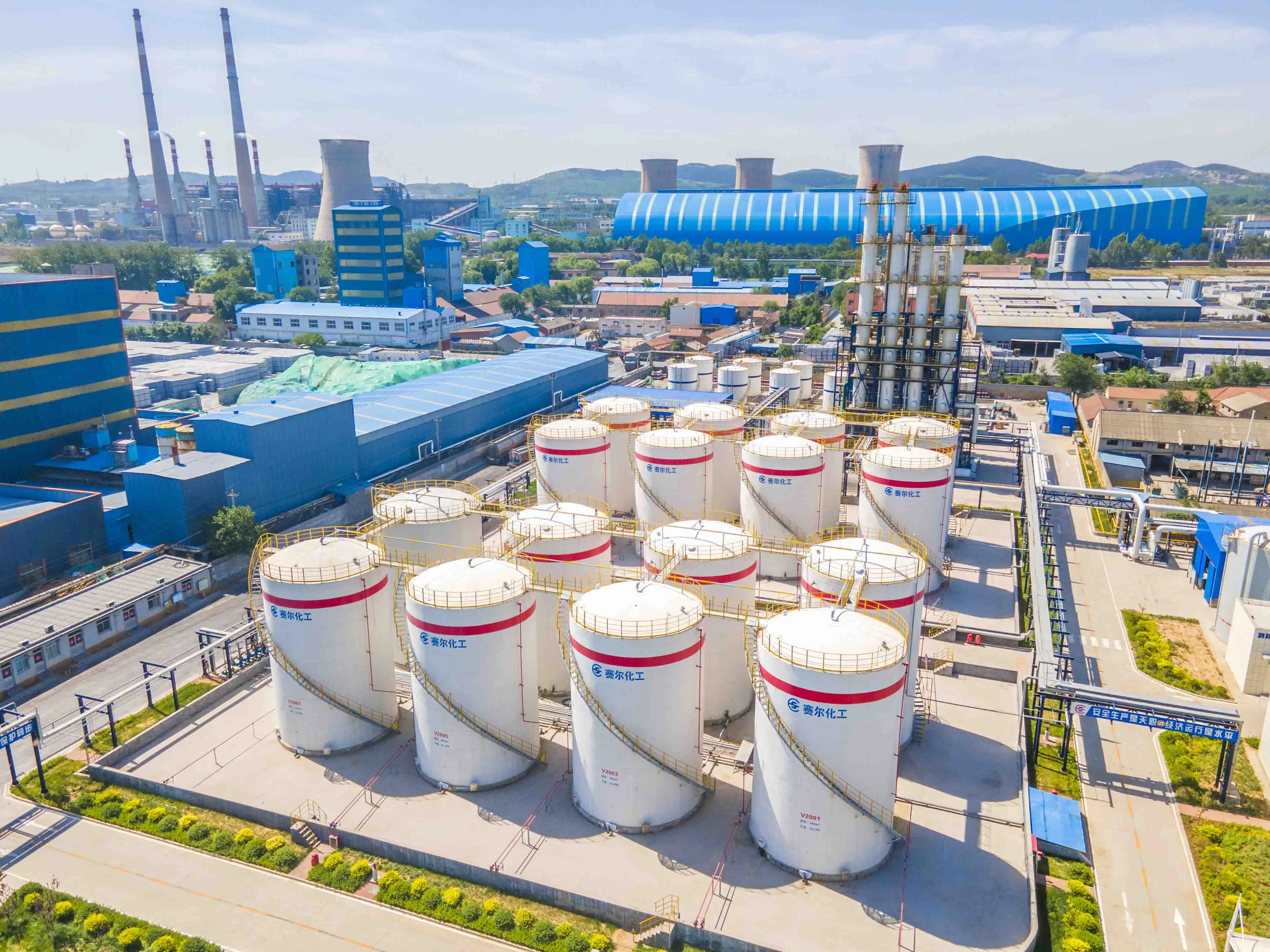
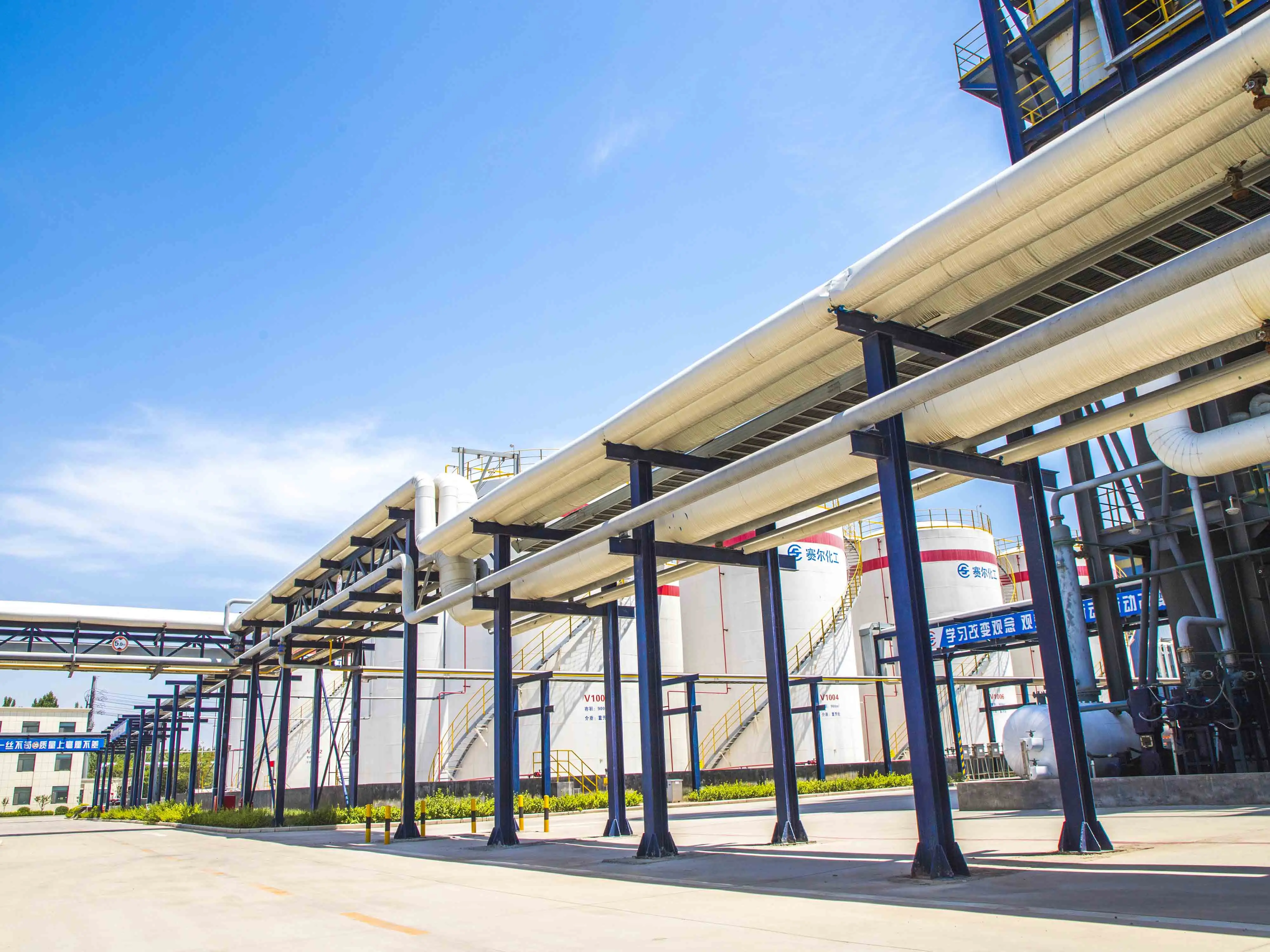
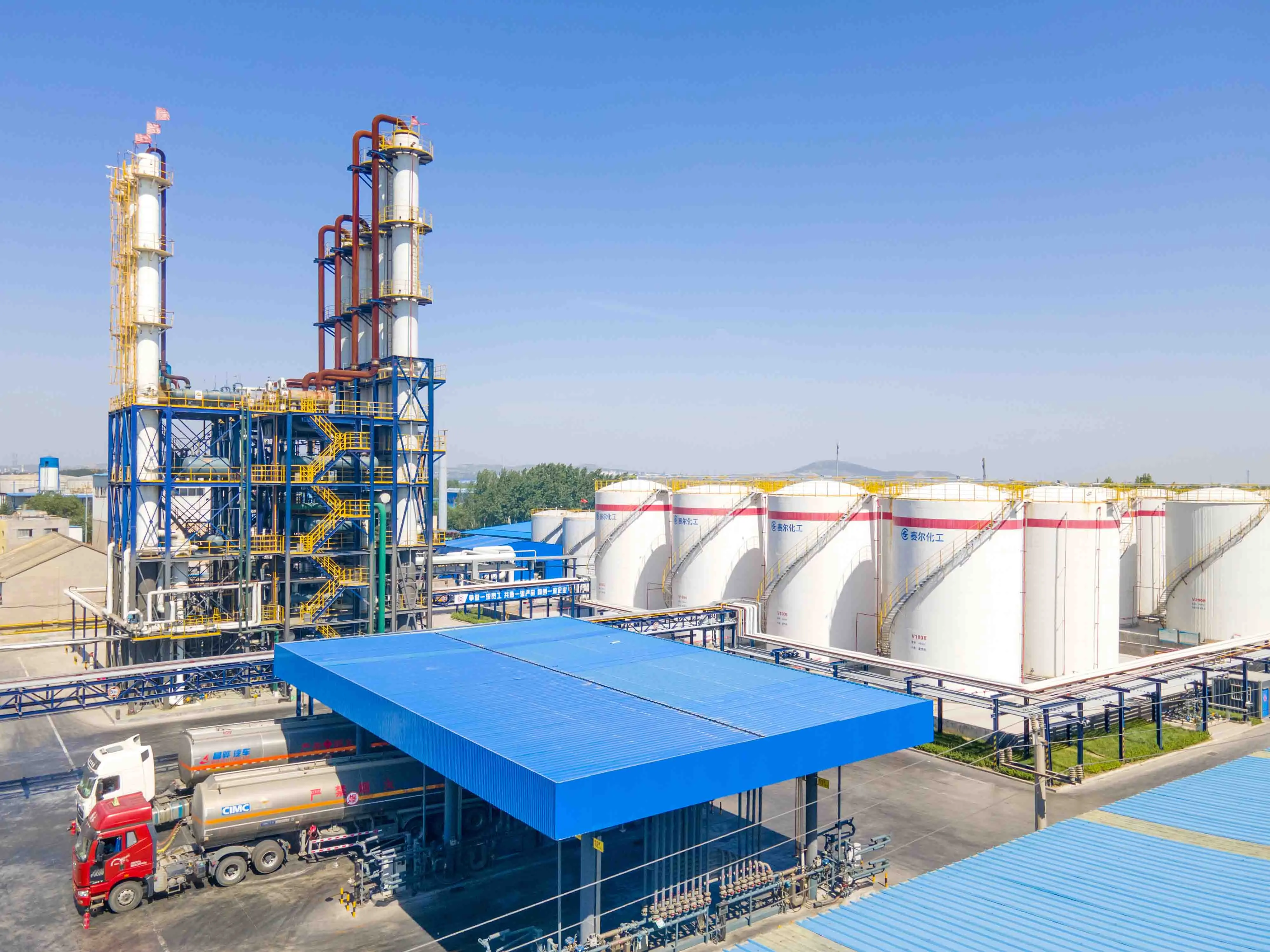
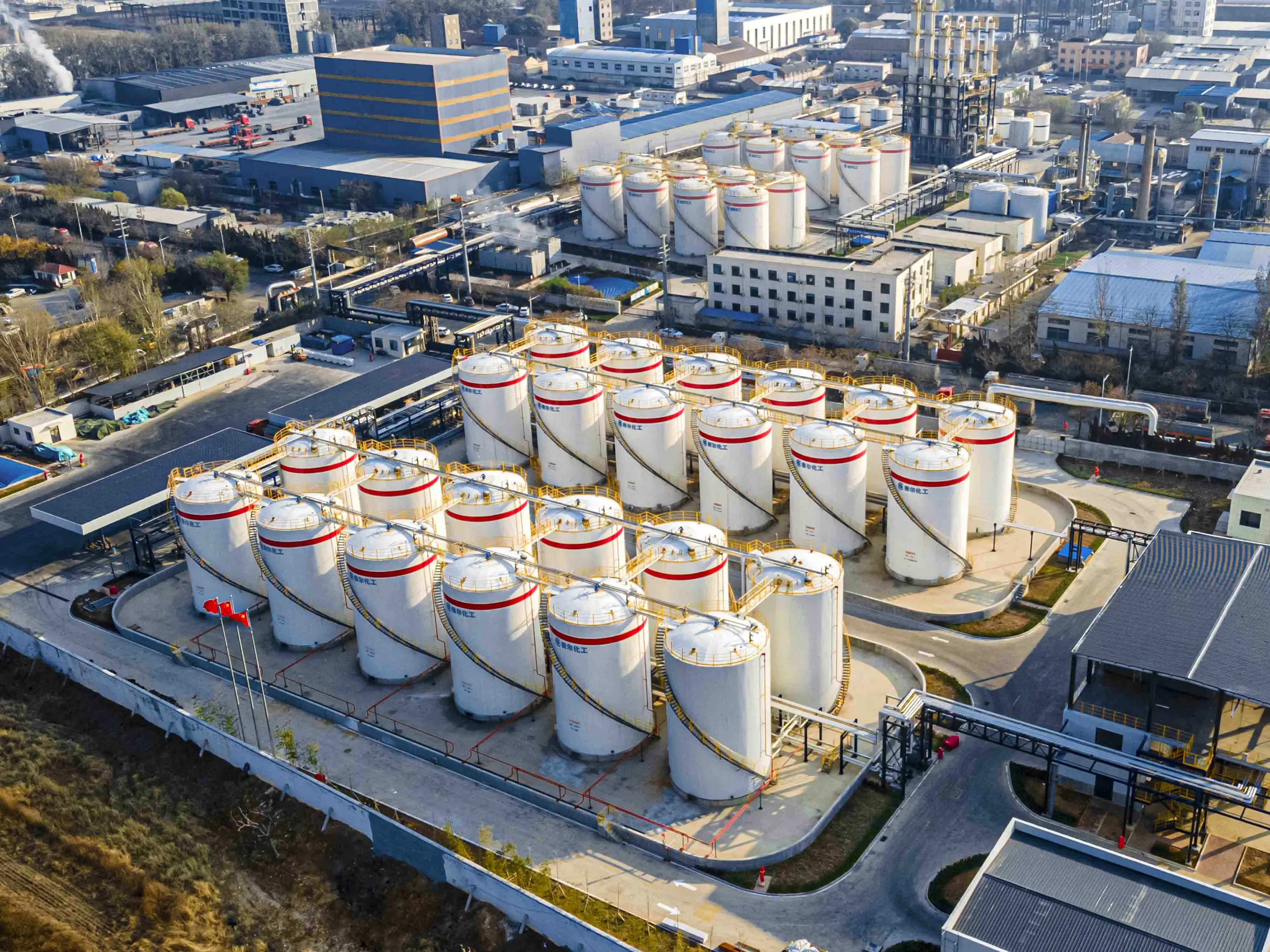
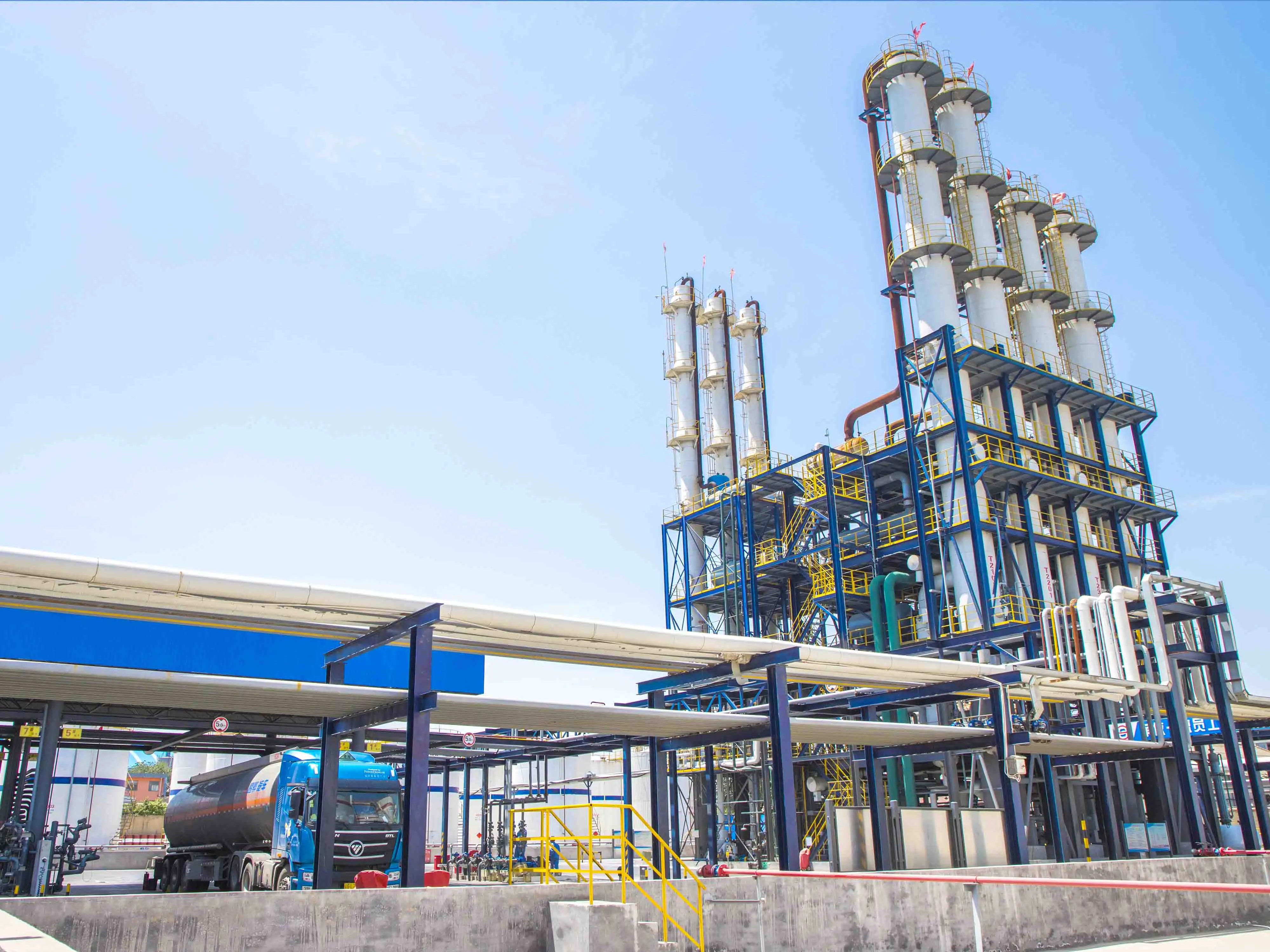
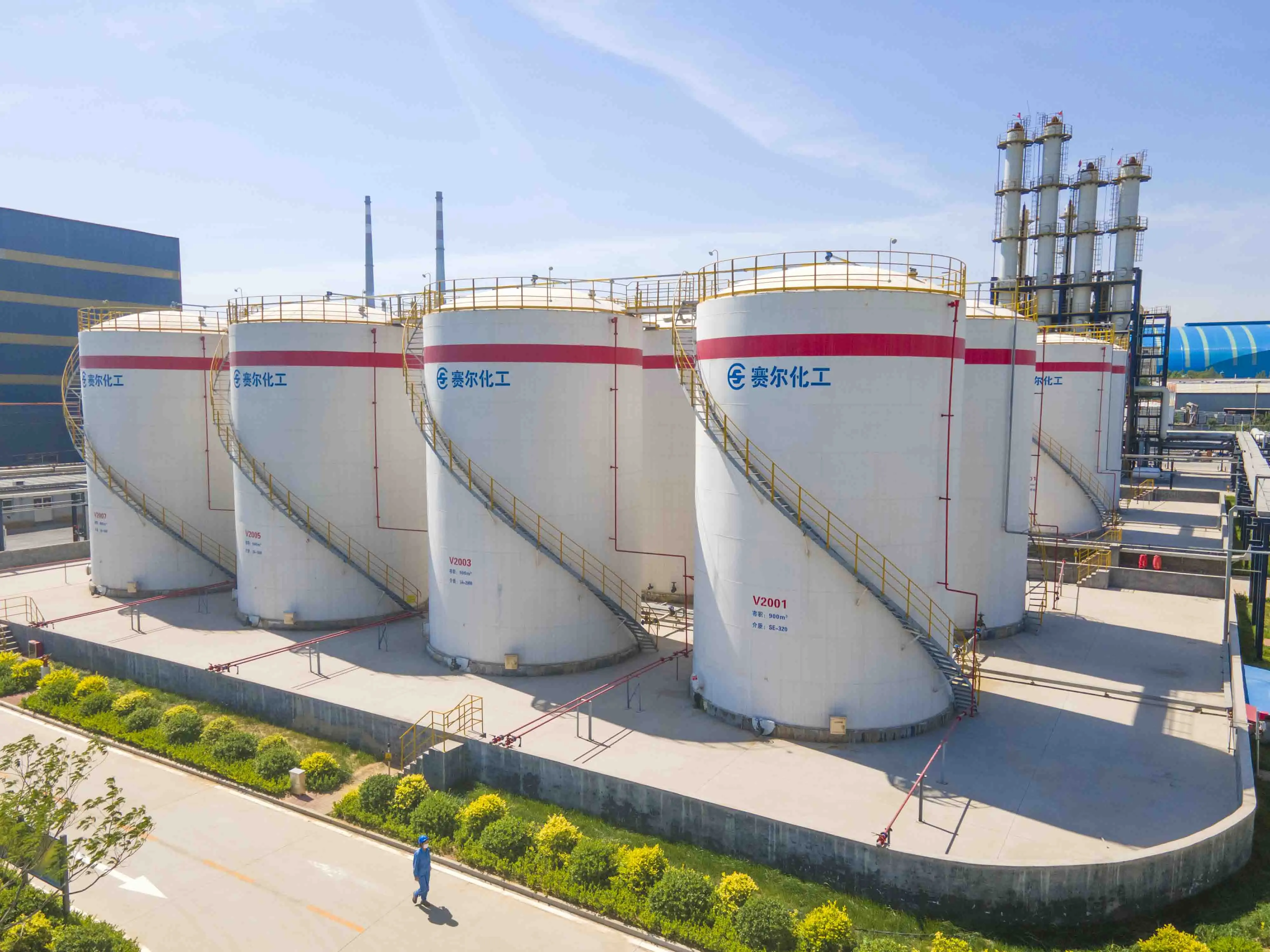
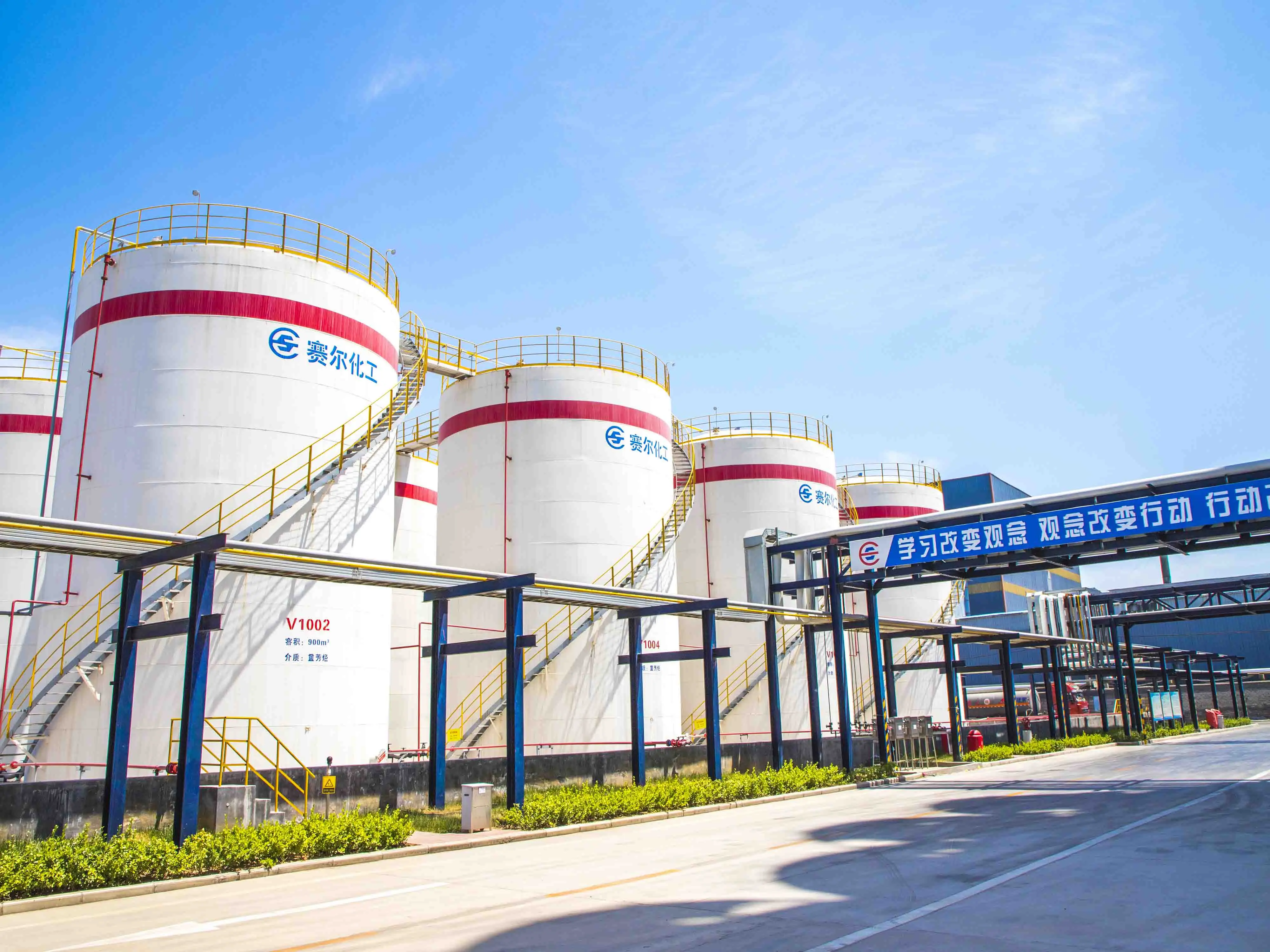
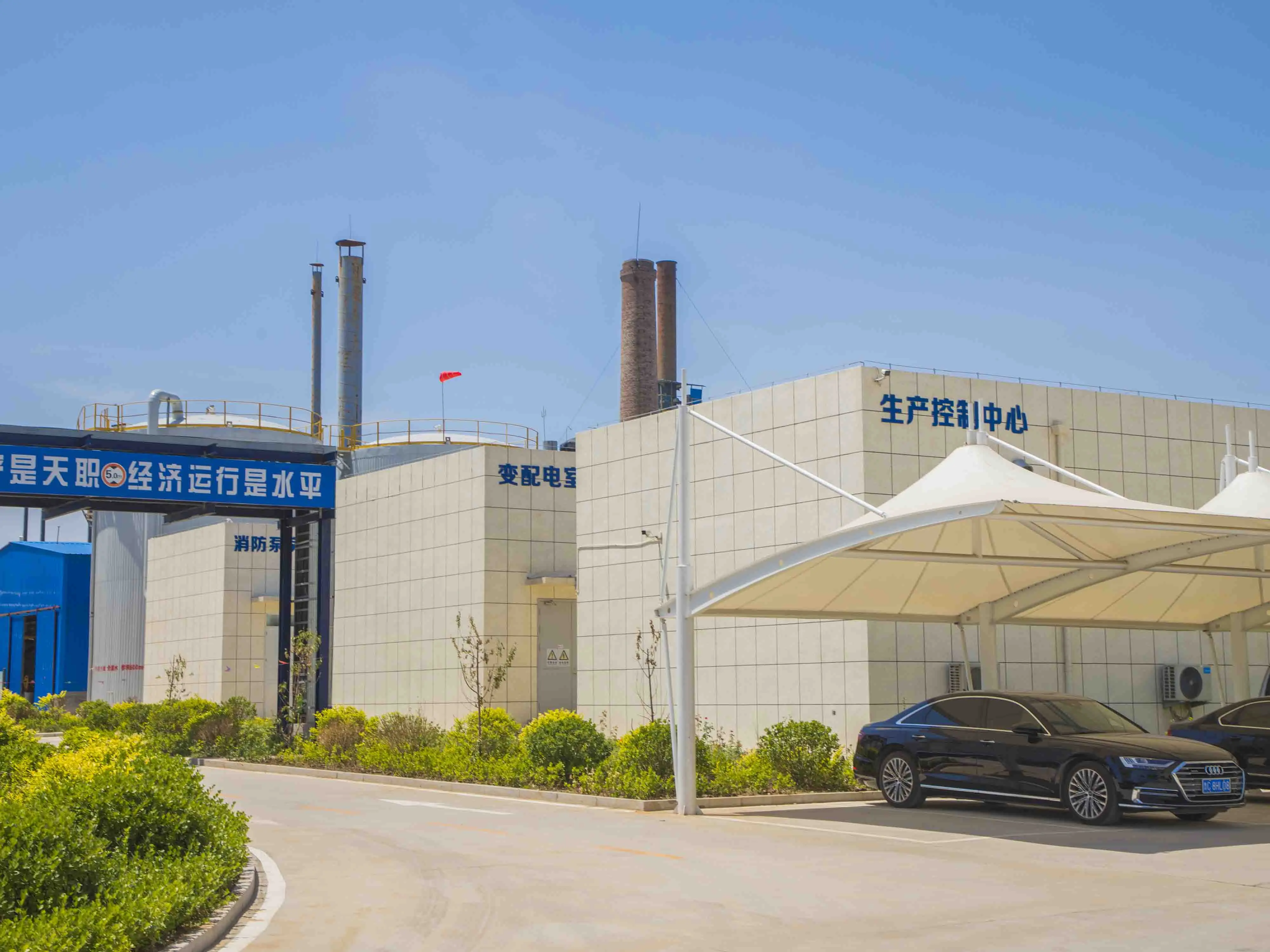
Key information regarding fluid properties, operation, and international shipping to Germany.
Explore our complete catalog of industrial chemicals, intermediates, and high-purity solvents for global industrial applications.
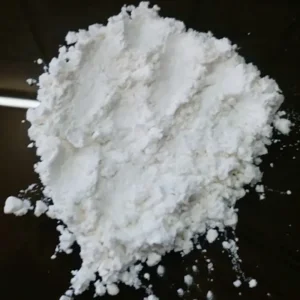
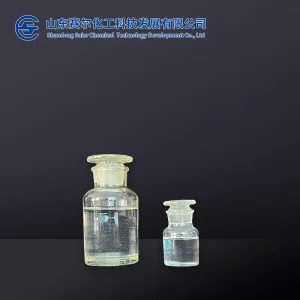
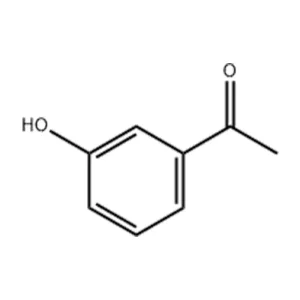
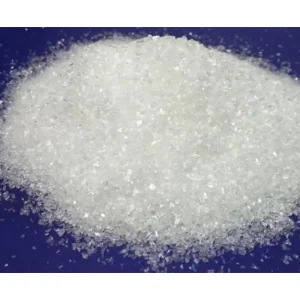
Get in touch with our technical sales team for comprehensive chemical documentation, heat transfer oil samples (L-QC320 series), custom packaging configurations, and customized logistics support.
 Saier Chemical