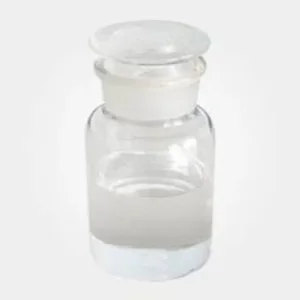
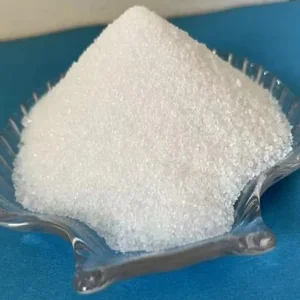
In the contemporary petrochemical domain, Naphtha Petroleum Hydrotreated Light (often classified under CAS Registry Numbers such as 64742-49-0) represents a fundamental backbone feedstock. This highly refined hydrocarbon mixture, derived from the distillation of petroleum and subsequently processed via high-pressure catalytic hydrotreating, offers exceptional purity, low sulfur levels, and low aromatic contents. For procurement executives and chemical engineers looking to buy Naphtha Petroleum Hydrotreated Light, finding reliable exporters and understanding the supply chain dynamics is paramount for maintaining downstream productivity and strict quality control.
The catalytic hydrotreatment process alters the chemical characteristics of raw light naphtha. Under high pressure and elevated temperatures, hydrogen gas reacts with the raw distillates in the presence of specialized catalysts (typically cobalt-molybdenum or nickel-molybdenum on alumina supports). This process accomplishes several chemical transformations: it converts organic sulfur compounds into volatile hydrogen sulfide, transforms nitrogenous impurities into ammonia, and saturates volatile olefins into stable alkanes. The resultant hydrotreated light naphtha exhibits high thermal stability, minimal odor, and exceptional solvent action, making it an indispensable industrial resource.
The international trade of light hydrotreated petroleum naphtha is dictated by the expanding needs of the plastics, polymer, adhesive, rubber, and specialty chemical sectors. Because it contains predominantly C5 to C7 hydrocarbons, it acts as a primary feed for steam crackers producing ethylene and propylene. In addition, its clean-burning characteristics allow it to be utilized directly in specialized industrial combustion engines and localized power generation settings.
As environmental regulations tighten globally—under frameworks such as EU REACH, EPA clean air guidelines, and China's green initiatives—traditional raw naphtha containing elevated sulfur and heavy aromatics is increasingly rejected. The market has shifted towards hydrotreated options. The hydrotreating process decreases the presence of harmful carcinogens, such as benzene, making the solvent significantly safer for workers handling rubber formulations and industrial adhesives. Consequently, global export routes are dominated by refined regions that can operate advanced hydrotreater units alongside large-scale catalytic distillation operations.
Standard solvent naphtha contains unstable unsaturated hydrocarbons and elevated trace sulfur elements. In high-performance coatings and precise chemical synthesis, these impurities trigger oxidation reactions, leading to yellowing, precipitation, and catalyst poisoning in downstream polymerizations. By sourcing hydrotreated light naphtha, companies ensure that active species are saturated, providing a chemically inert carrier solvent that enhances the shelf life of formulated products and minimizes VOC emission hazards.
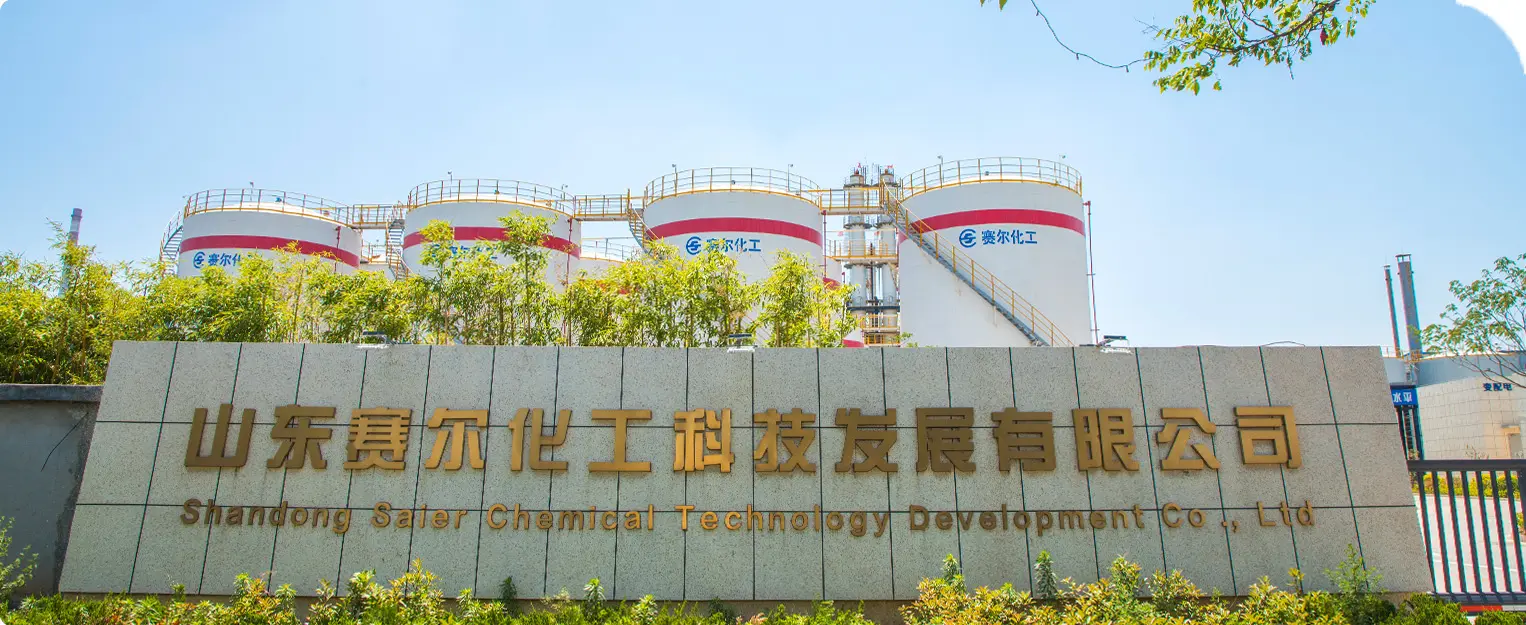
Founded in December 2004 and situated at No. 207, WeiLiu Road, Qilu Chemical Industrial Park, Linzi, Zibo City, Shandong Province, Shandong Saier Chemical Technology Development Co., Ltd. has established itself as an industry pioneer. With a strong financial foundation built upon a registered capital of 60 million yuan, Saier Chemical has evolved from localized chemical distribution into a major manufacturer and exporter of high-grade solvents and intermediates.
Leveraging strategic relationships with key petrochemical giants including Sinopec, PetroChina, ChemChina, Zhejiang Petrochemical, and Hengli Petrochemical, the company secures top-tier refinery inputs. Its state-of-the-art facility boasts an annual production capacity of 720,000 tons. The company produces and exports high-boiling aromatic solvents (including Solvent Naphtha, TOPSOL, KOCOSOL, Aromatic Hydrocarbons, and NAFTA DISOLVENTE SOLVESSO classifications) such as S-100, S-150, S-150ND, S-180, and S-200, as well as premium Heat Transfer Oil L-QC320, durene, PVC plasticizers, and other critical fine chemicals.
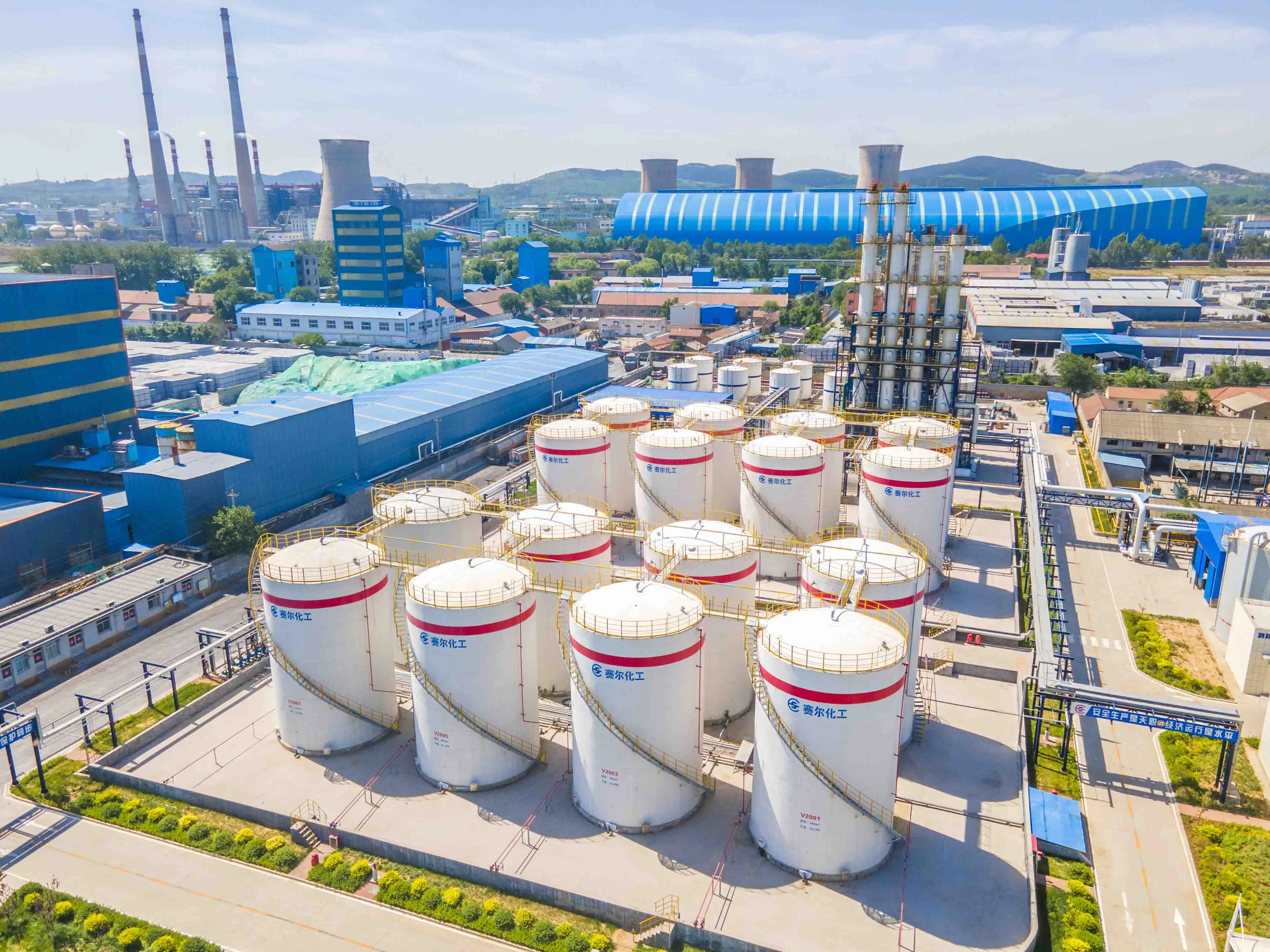
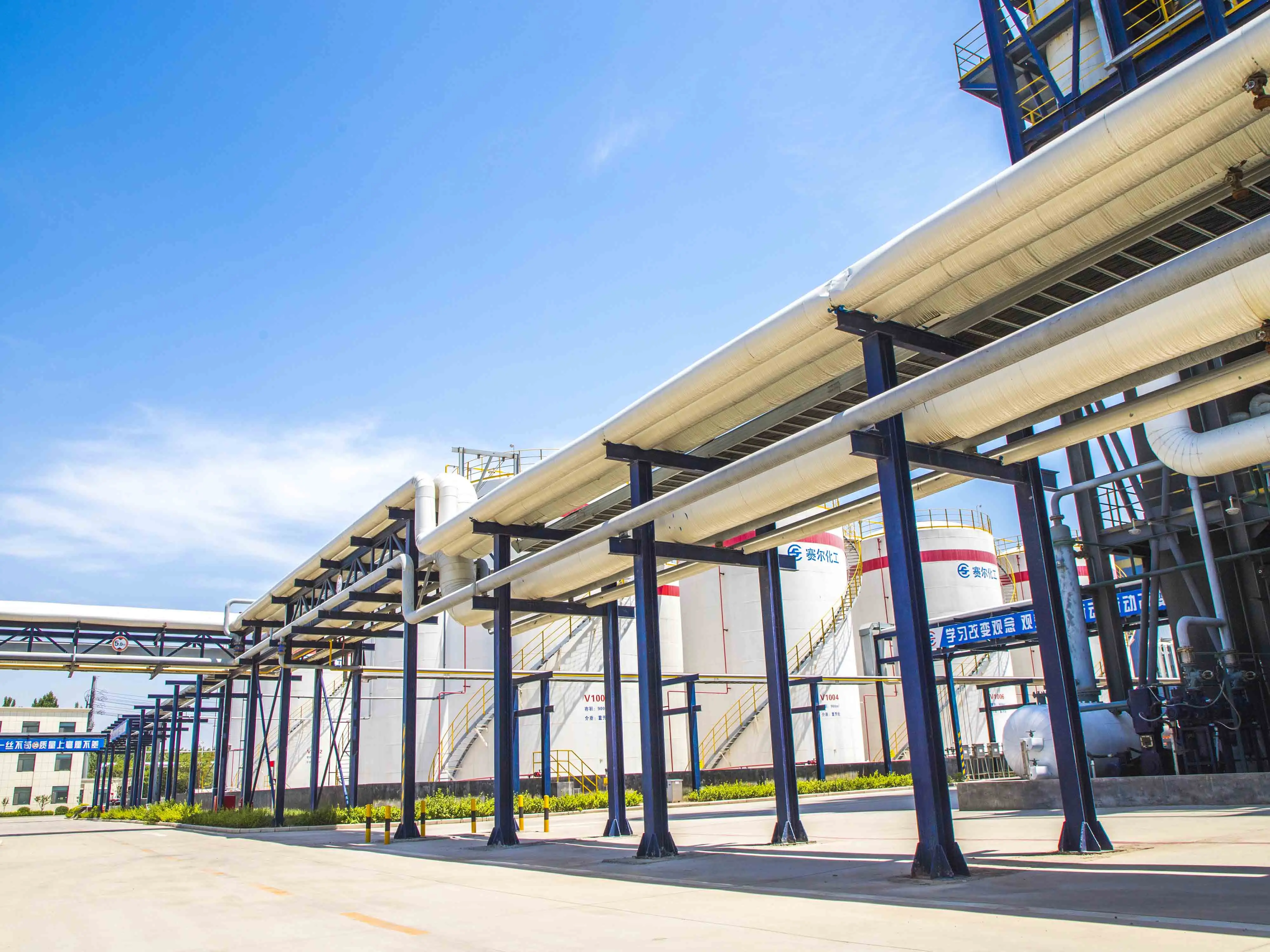
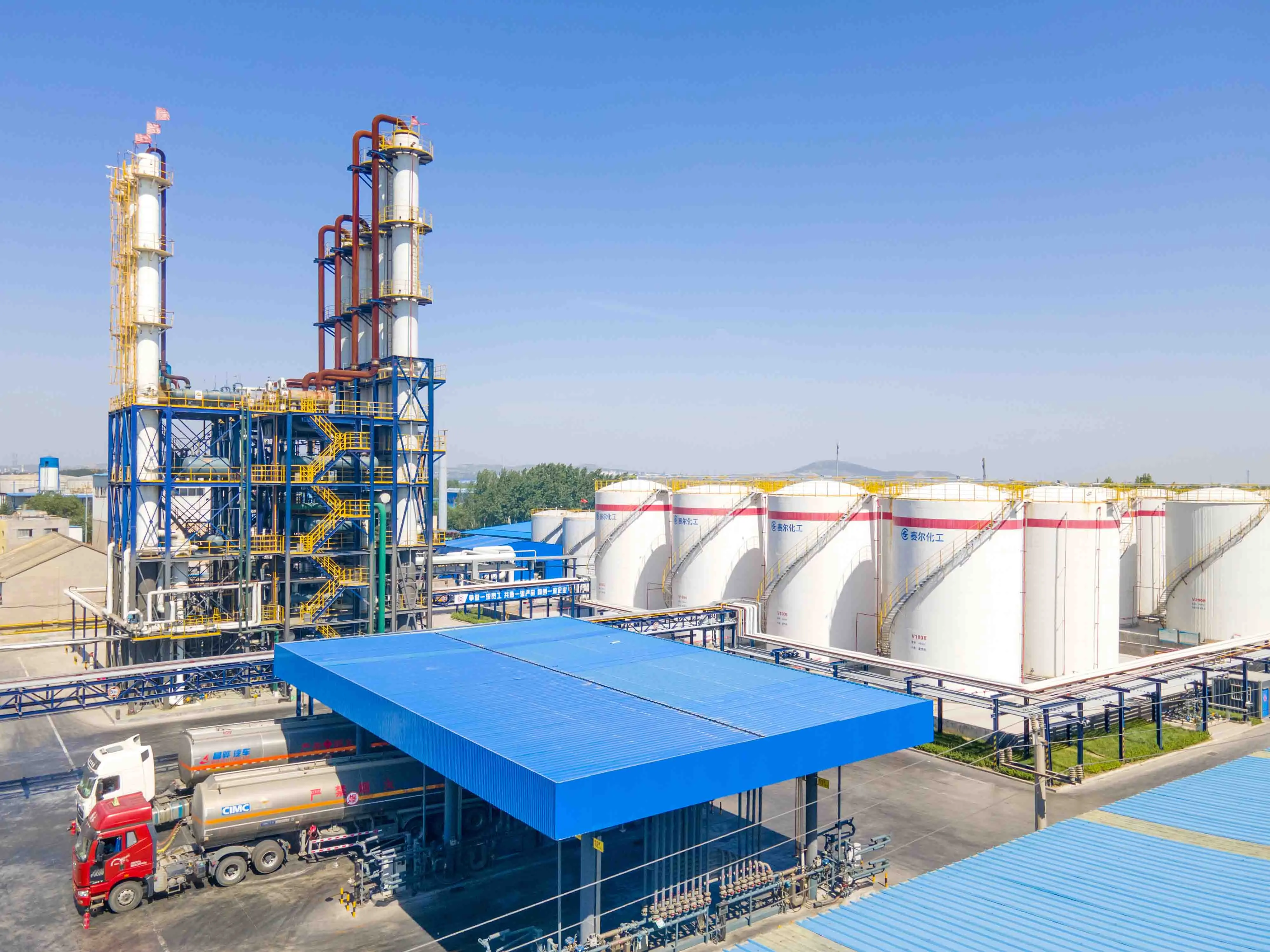
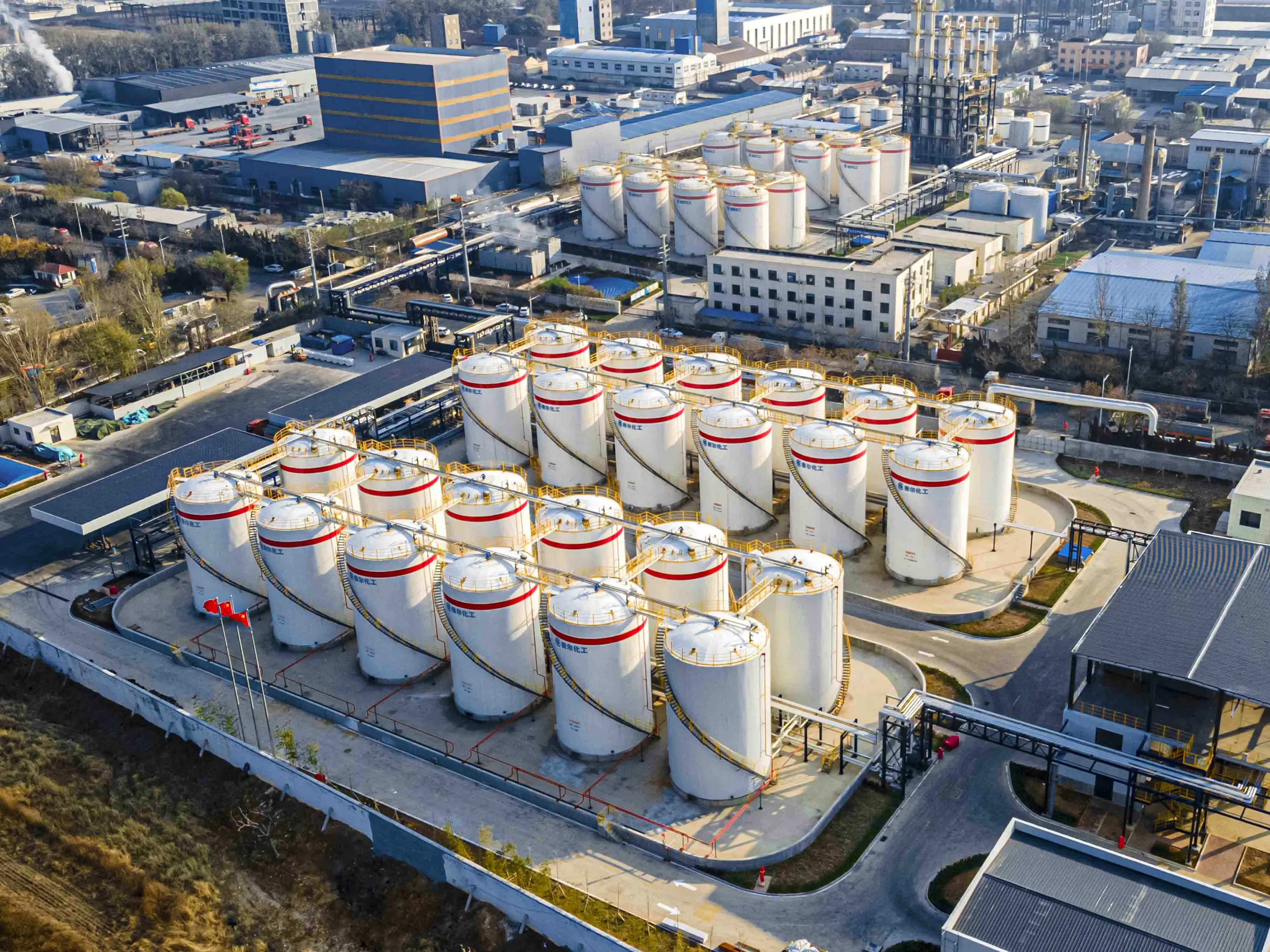
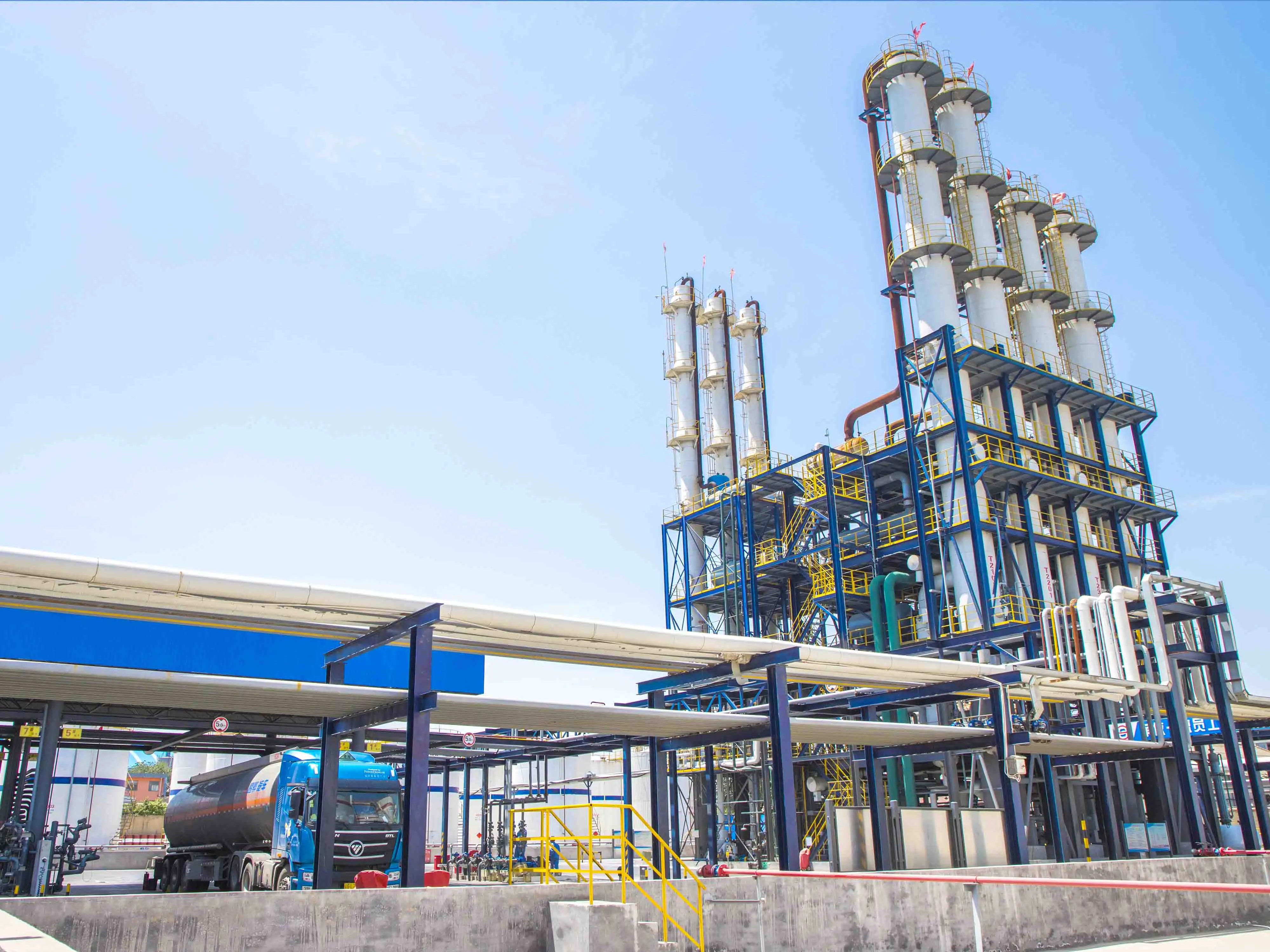
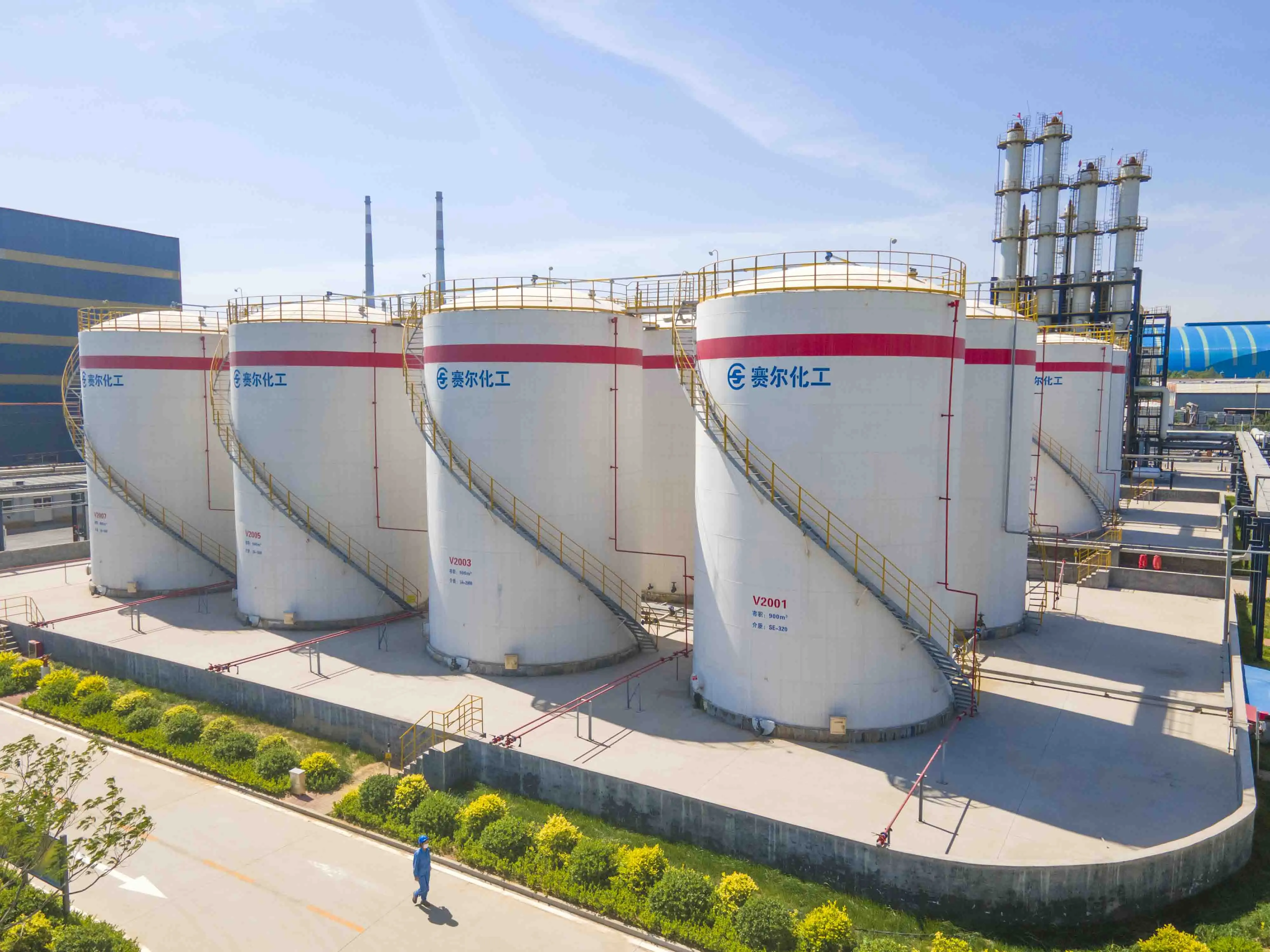
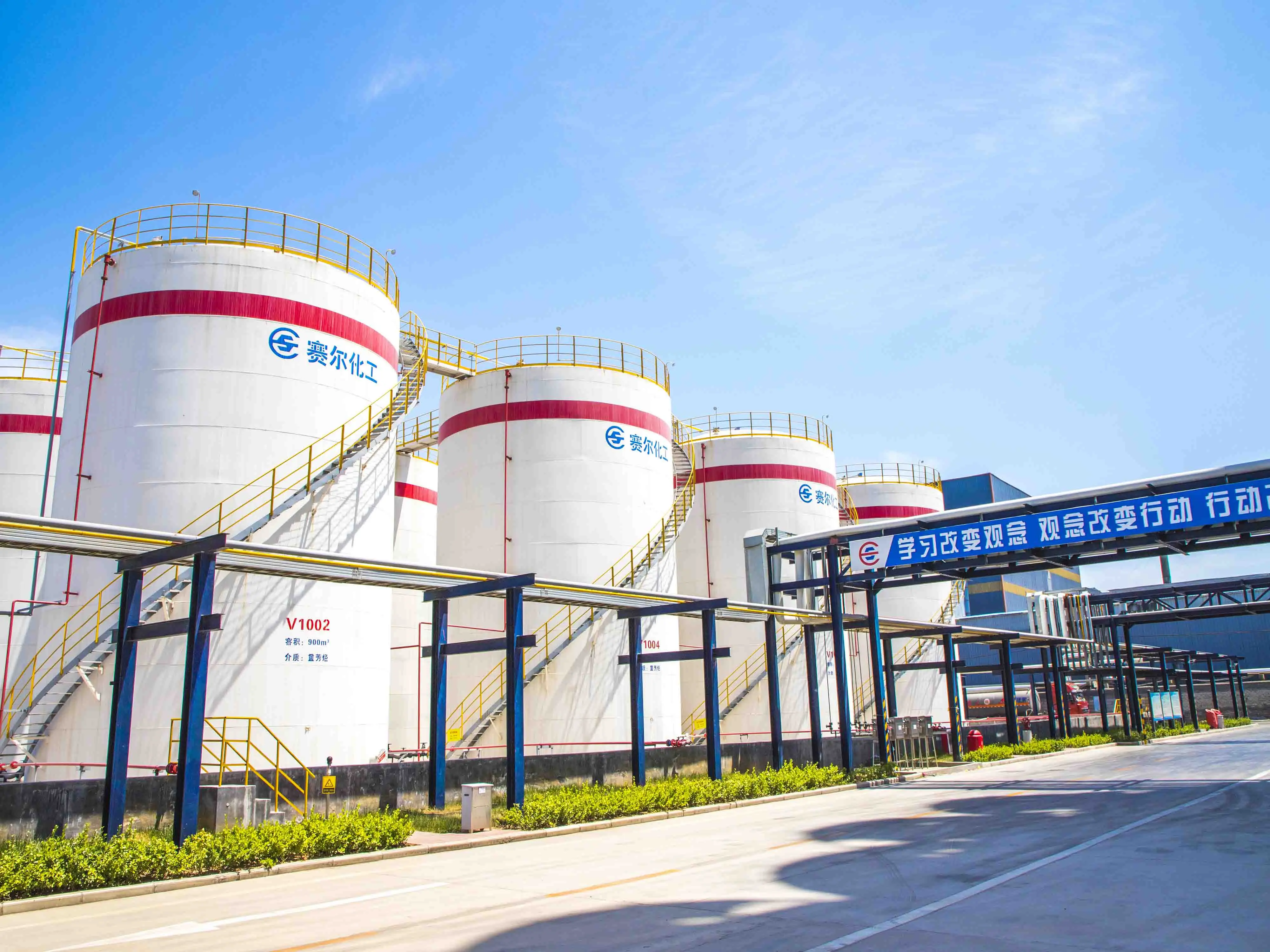
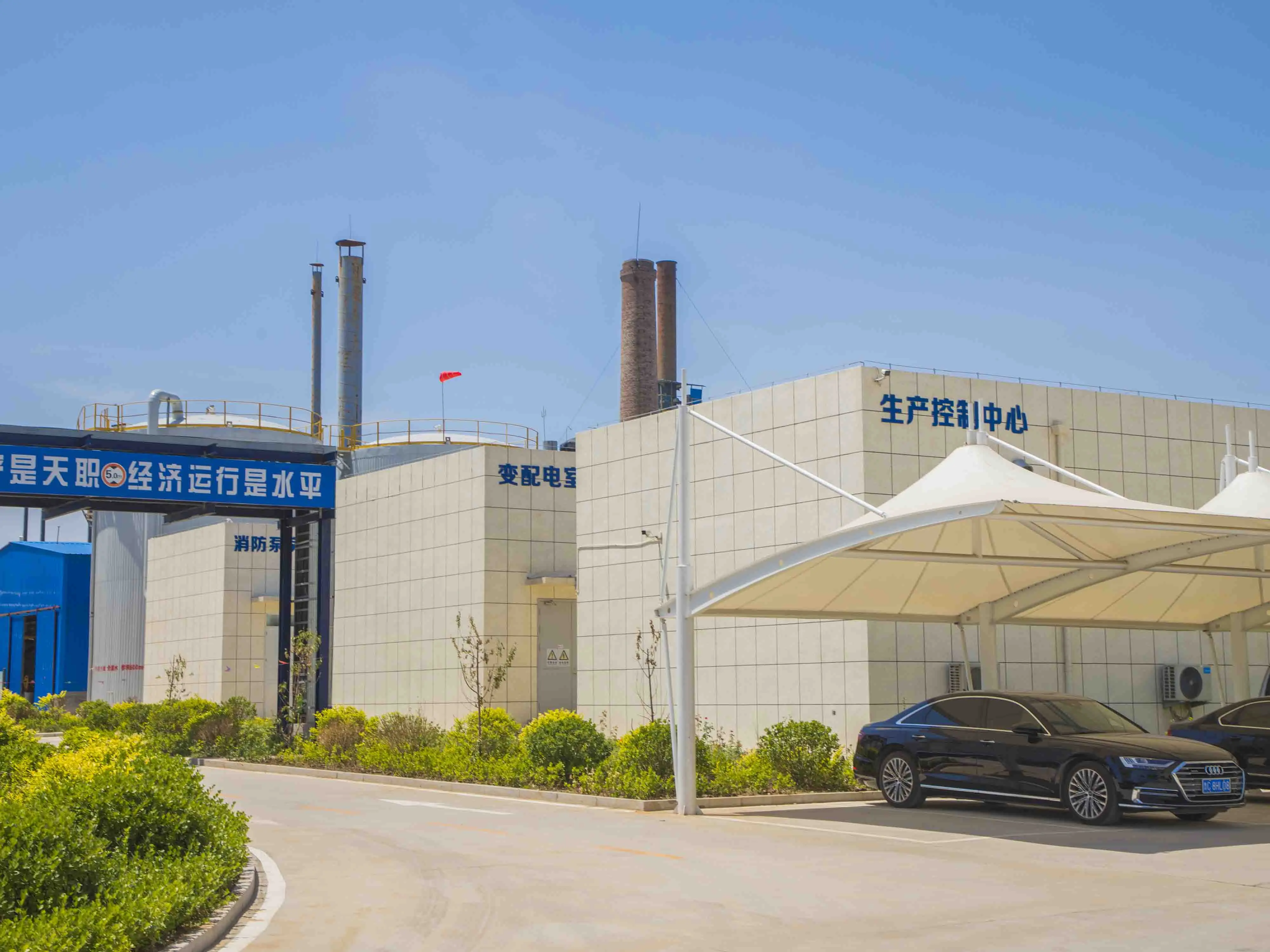
China's chemical manufacturing ecosystem, particularly within designated hubs like the Qilu Chemical Industrial Park, offers unparalleled competitive advantages for international purchasers. These advantages can be analyzed across three major pillars:
Naphtha Petroleum Hydrotreated Light is utilized across a wide variety of localized industrial sectors, each depending on specific chemical properties:
In the vulcanization of rubber and formulation of contact adhesives, rapid solvent flash-off is essential. The light fraction of hydrotreated naphtha provides an optimal evaporation curve. Because it contains no heavy residues, it leaves behind no film defects or oils, resulting in a cleaner and stronger bond in automotive tires, consumer footwear, and industrial piping.
Industrial coatings require volatile liquid carriers that dissolve resin binders without damaging base substrates. Light hydrotreated naphtha serves as a diluent that reduces viscosity for spray applications while flashing off quickly, preventing runs, drips, and bubbles in the final finish.
For industrial degreasing of mechanical components and botanical extraction processes, high solvency power must be paired with low chemical toxicity. The low benzene and sulfur levels in hydrotreated light naphtha satisfy strict labor safety standards while dissolving complex organic fats, waxes, and heavy oils.
For international procurement officers, purchasing large quantities of Naphtha Petroleum Hydrotreated Light requires careful evaluation of safety protocols, packaging options, and logistics. Because of its low flashpoint, it is classified as a Class 3 Flammable Liquid under GHS rules.
Exporters like Saier Chemical manage this by maintaining a robust supply network that serves major international regions including Europe, the Americas, Asia, and Southeast Asia. Standard export configurations include:
The global chemical industry is transitioning towards strict carbon neutrality. Petroleum-derived light solvents are increasingly assessed under Lifecyle Analysis (LCA) criteria. Future innovations will concentrate on "Ultra-Low Naphthalene" and "De-aromatized" grades. Exporters who invest in energy-efficient distillation columns and green hydrogen feedstocks for their hydrotreater units will capture the highest market share in high-value Western markets.
Shandong Saier Chemical Technology Development Co., Ltd. continuously refines its production processes to satisfy the growing global demand for energy-saving, low-emission, and reliable industrial solvents. Contact our export department today for detailed product specifications, safety data sheets (SDS), and custom volume pricing.
Full documentation compliance, SGS/BV inspection support, and direct shipping logistics to major global ports.
Send Inquiry
 Saier Chemical