High-purity fine chemicals, intermediates, and industrial solvent formulations direct from our manufacturing facility.
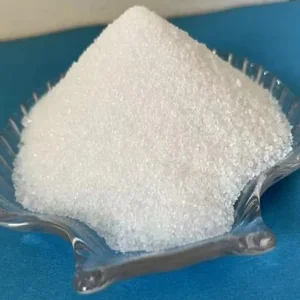
Understanding the strategic importance of C10-C12 heavy aromatic hydrocarbon solvents in modern industry.
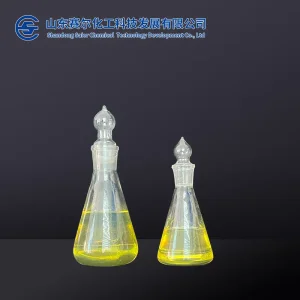
Aromatic 200 (also commercially referred to as Solvent Naphtha 200 or Heavy Aromatic Solvent S200) is a complex mixture of C10-C12 aromatic hydrocarbons. Boasting a high boiling range (typically 230°C to 290°C) and flash point (exceeding 100°C), it serves as a critical medium where thermal stability and safety under high-operating temperatures are non-negotiable. It offers superior solvency power compared to aliphatic alternatives, making it the top choice for complex organic matrices.
The chemical industry relies on Aromatic 200 for formulating agricultural pesticides (specifically Emulsifiable Concentrates - EC), oilfield heavy chemicals, high-performance industrial coatings, and sealants. As regulatory bodies enforce stricter limits on volatile organic compounds (VOCs), the demand has shifted dramatically towards high-boiling aromatic solvents which contribute far less to ozone precursor emissions and exhibit lower evaporation rates under environmental exposure.
A major industrial trend is the regulatory push for Naphthalene-Depleted (ND) variants. Under GHS and REACH guidelines, naphthalene is classified as a category 2 carcinogen. Consequently, global agrochemical and paint companies demand Aromatic 200 ND (with naphthalene content <1% or even <0.1% by weight), creating a technological barrier that only advanced refinery purification units can resolve.
Information Gain Insight: While standard aromatic solvents suffice for basic industrial applications, global enterprises are heavily pivoting towards low-naphthalene variants. Manufacturers in China, like Shandong Saier, have responded by upgrading rectification processes to isolate volatile hazardous compounds, delivering high-performance products matching strict European and American environmental protocols.
Pioneering High-Boiling Aromatic Hydrocarbons and Intermediates since 2004.
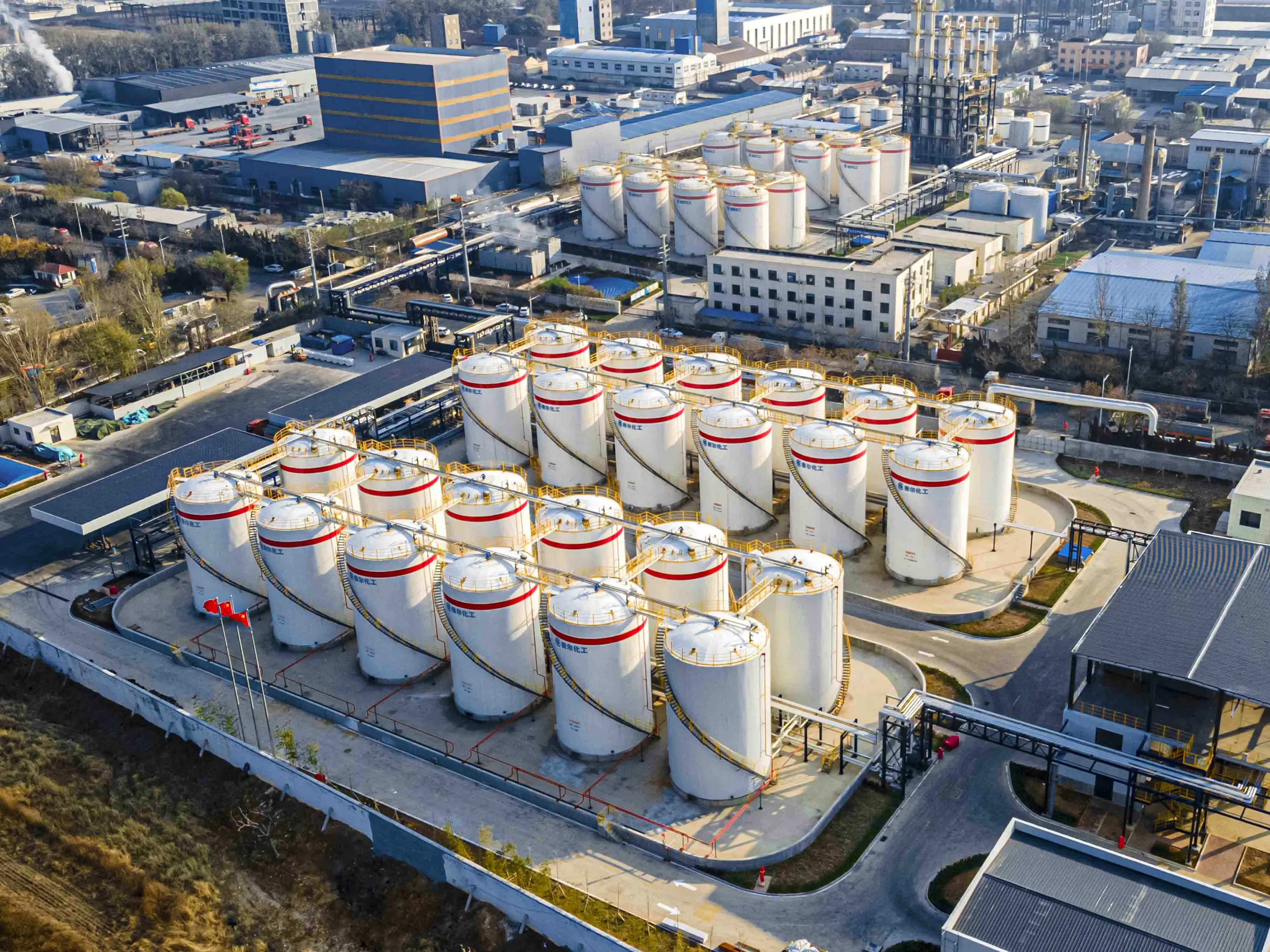
Founded in December 2004 and situated at No.207, WeiLiu Road, Qilu Chemical Industrial Park, Linzi, Zibo City, Shandong Province, Shandong Saier Chemical has established itself as an authoritative manufacturer in the industrial solvent and fine chemical sectors. With a registered capital of 60 million yuan, our facility integrates high-precision continuous separation and fractionation technology with raw feedstock pipelines.
Initially, our production capabilities were tailored around industrial-scale separation of environmentally friendly high-boiling aromatic solvents, including S-100, S-150, S-150ND, S-180, and S-200. Over the years, leveraging raw materials from top-tier refineries (such as Sinopec, PetroChina, ChemChina, Zhejiang Petrochemical, and Hengli Petrochemical), our facility optimized its annual production to achieve a capacity of 720,000 tons per year.
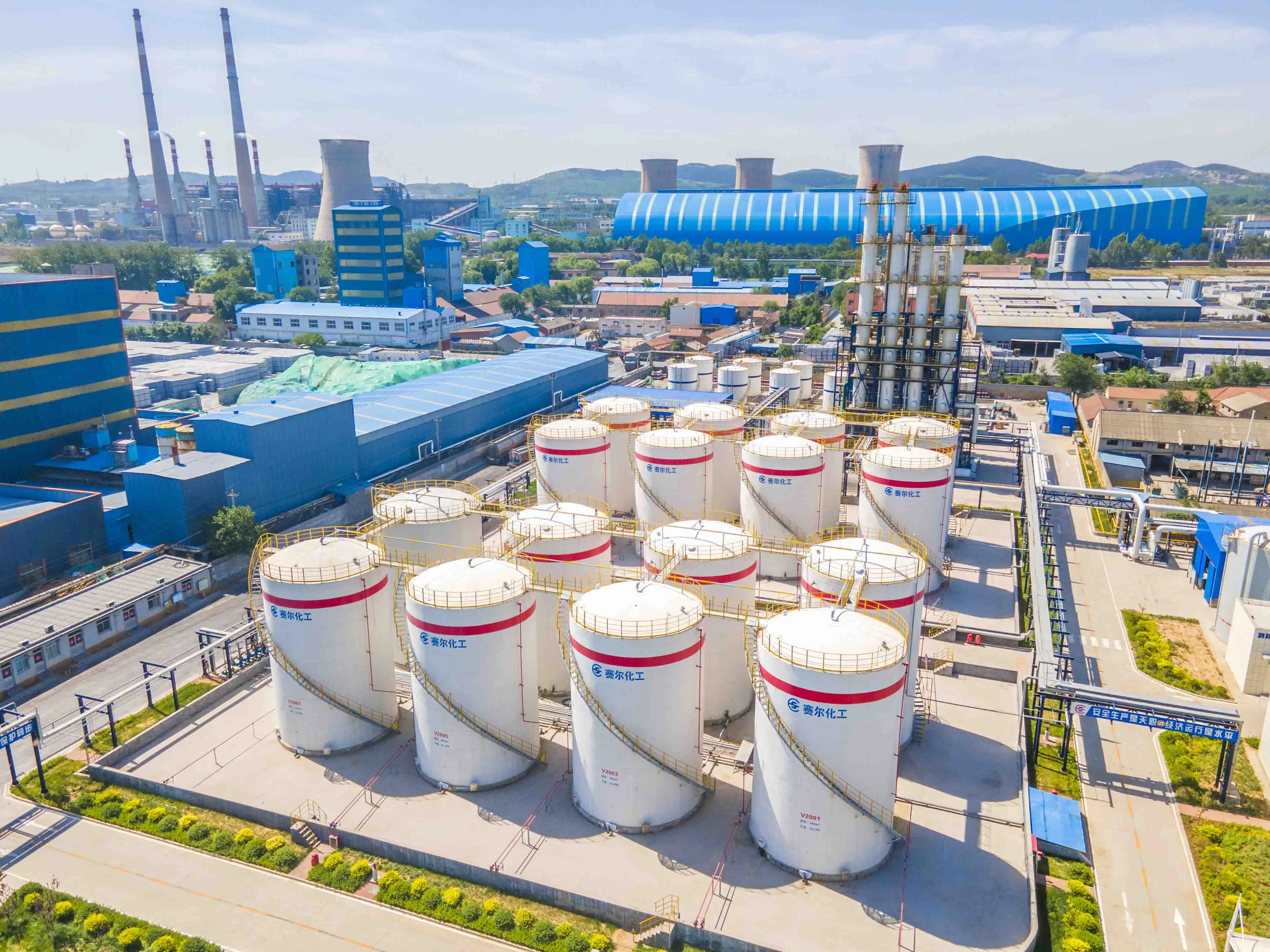
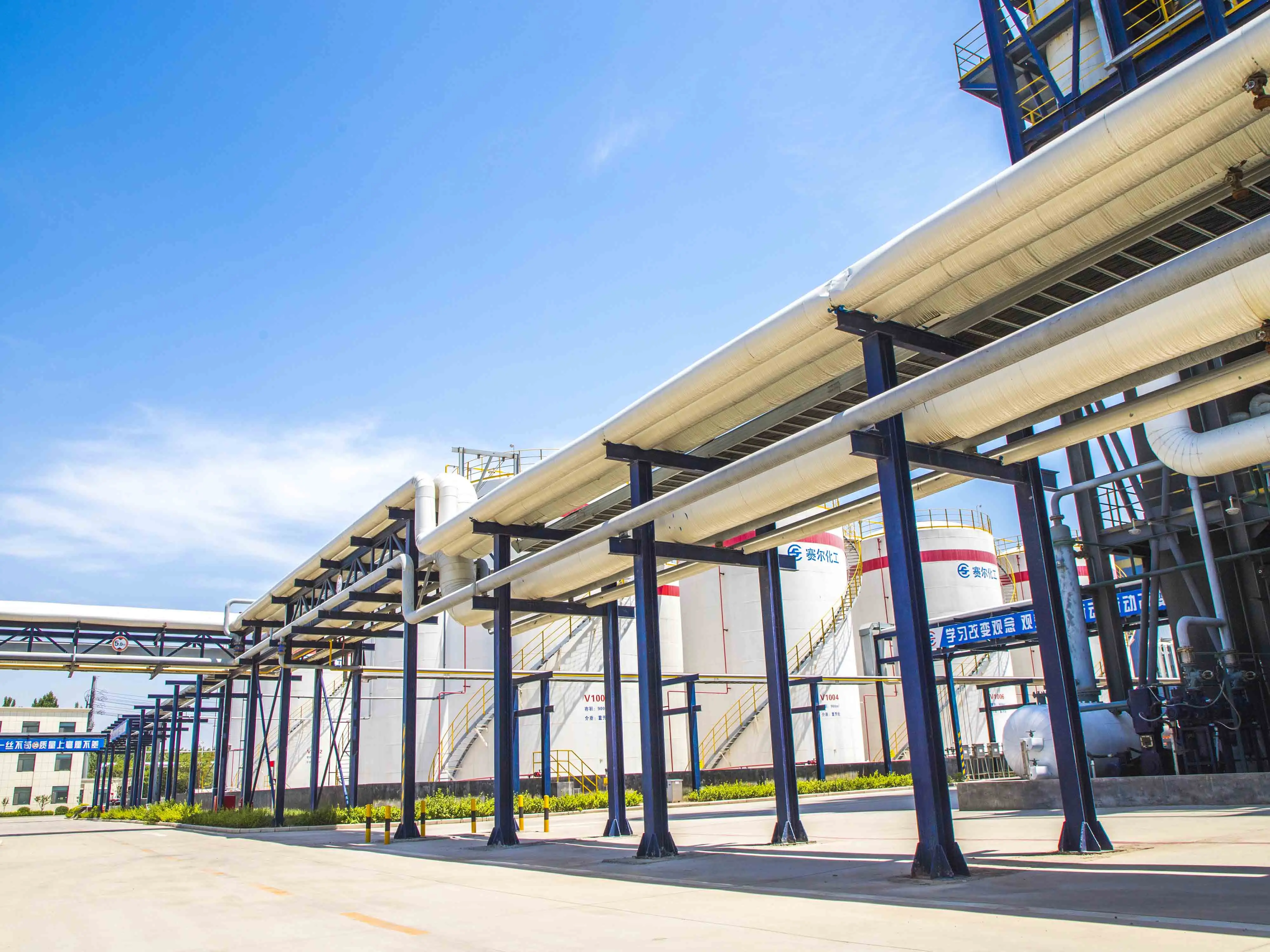
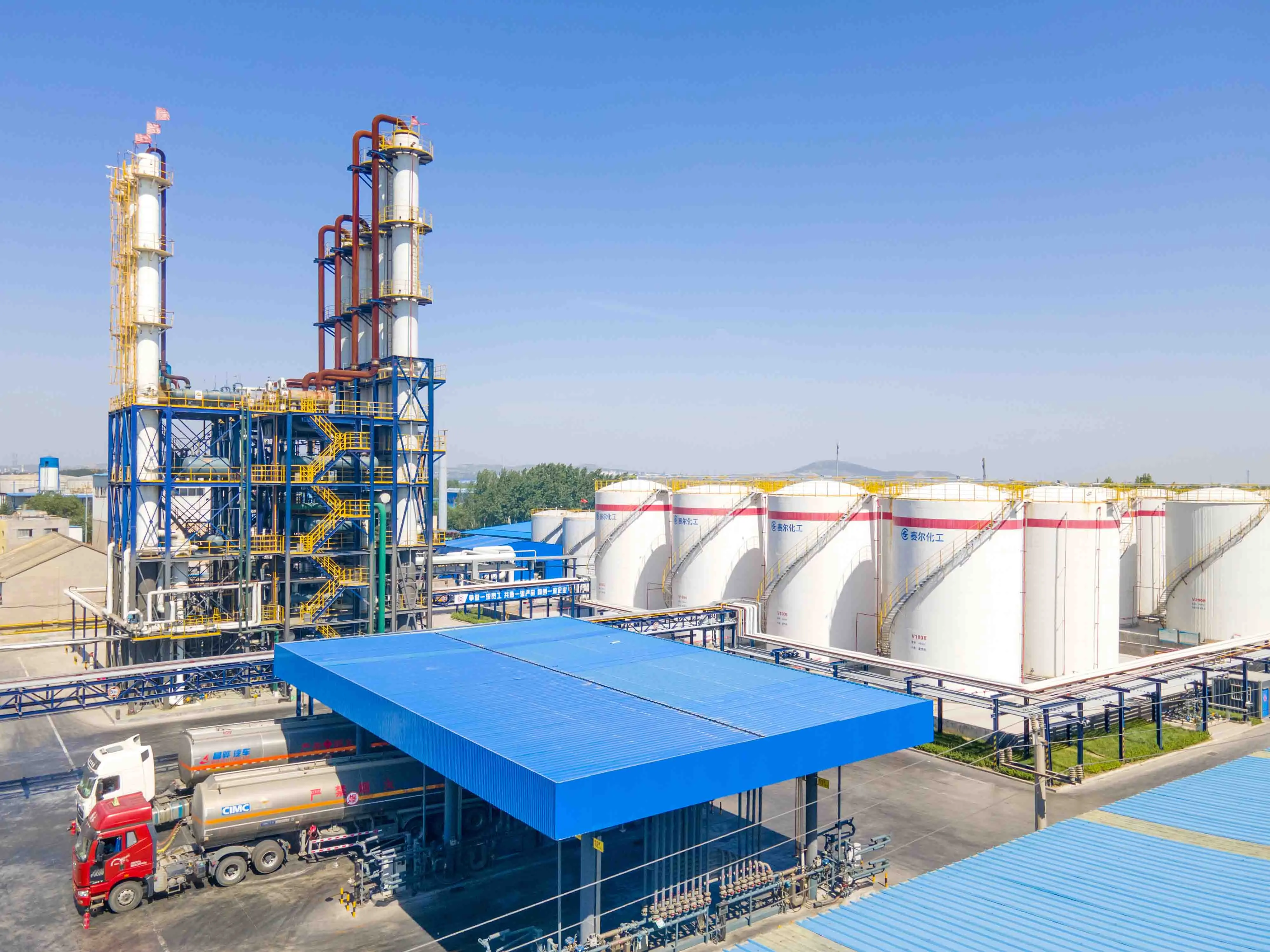
Compare physical and chemical characteristics of Aromatic S100, S150, S180, and S200 to optimize your formulation parameters.
| Product Grade | Boiling Range (°C) | Flash Point (PMCC, °C) | Aromatic Content (% vol) | Density @ 15°C (g/cm³) | Evaporation Rate (BuAc=1) | Primary Industrial Use |
|---|---|---|---|---|---|---|
| Aromatic S100 | 160 - 180 | > 40 | > 99.0 | 0.870 - 0.885 | 0.21 | Industrial paints, printing inks, pesticide emulsifiable concentrates |
| Aromatic S150 | 180 - 210 | > 62 | > 99.0 | 0.890 - 0.905 | 0.06 | Automotive coatings, agricultural ECs, foundry resins |
| Aromatic S180 | 220 - 250 | > 85 | > 99.0 | 0.910 - 0.925 | 0.02 | High-temperature baking enamels, oilfield chemicals, fuel additives |
| Aromatic S200 (200) | 230 - 290 | > 100 | > 99.0 | 0.990 - 1.010 | < 0.01 | Agricultural EC formulations, high-boiling paints, heavy cleaning solvents |
| Aromatic S200 ND (Low Nap) | 235 - 290 | > 100 | > 99.0 | 0.992 - 1.015 | < 0.01 | Environmentally compliant agrochemicals, REACH-regulated formulations |
Saier Chemical utilizes continuous fractionation towers to split crude aromatics into highly narrow boiling cuts. This ensures consistent evaporation curves, predictable solvency rates (Kauri-Butanol value > 90), and reduces contamination of lower boiling components, protecting our customers' downstream quality parameters. By managing the distillation with high-fidelity DCS (Distributed Control Systems), we deliver batch-to-batch uniformity that meets strict international paint and agrochemical specifications.
How Aromatic 200 serves as a crucial component across vital economic sectors.
In the crop protection market, active ingredients (such as pyrethroids, triazoles, and organophosphates) are highly hydrophobic. Aromatic 200 serves as the primary hydrophobic carrier, enabling stable liquid Emulsifiable Concentrates (EC). Its extremely low volatility prevents crystallization of active ingredients on nozzle systems during spray applications, maximizing field efficacy. With the rise of regulatory pressure, Saier's low-naphthalene variants (S200ND) ensure compliance without reducing active solubility.
For coil, container, and automotive coatings, the paint drying curve must be controlled precisely to prevent pinholes, orange peels, and blistering. Aromatic 200, with its very slow evaporation rate, facilitates uniform leveling during high-temperature baking processes (150°C - 200°C). It integrates seamlessly with polyester, polyurethane, and alkyd resin bases, providing high gloss, uniform thickness, and maximum adhesion.
As a heavy organic solvent, Aromatic 200 acts as a highly effective carrier for crude oil flow improvers, wax dispersants, and corrosion inhibitors. Its high flash point ensures safety in offshore and deep downhole operations. It dissolves asphaltene deposits, preventing blockages in transport pipelines and processing units, helping oilfield operations sustain consistent production levels under extreme deep-well pressures.
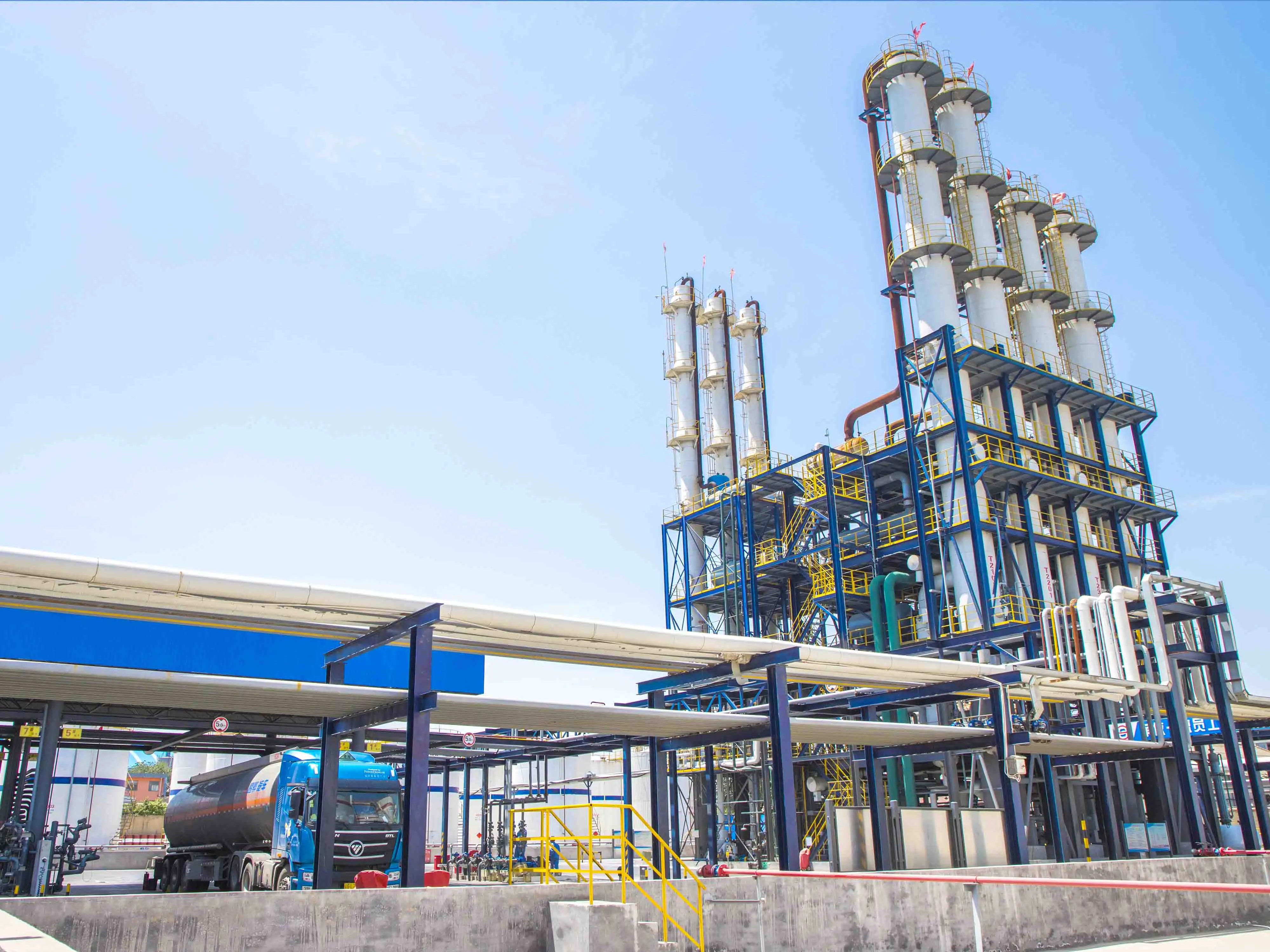
Global regulatory developments, such as the EU Green Deal and similar mandates across North America, are changing how heavy aromatic solvents are used. High-boiling solvents are favored for their low contribution to ozone-forming emissions. Research and development teams are actively searching for solvents that exhibit:
Saier Chemical invests in refining technologies that selectively remove hazardous aromatic rings while preserving the solvent's raw dissolving capability, providing an optimized solution for global formulators.
Managing raw material risk and quality control in international chemical logistics.
One of the primary challenges for global chemical procurement managers is feedstock price volatility and spot market shortages. Saier Chemical works under long-term supply contracts with major domestic petrochemical giants (Sinopec, PetroChina, ChemChina, Zhejiang Petrochemical). This secures stable raw material access even during global refining cuts, allowing us to guarantee price predictability and supply continuity for our international partners.
Located near major commercial ports (Qingdao, Tianjin), we offer diverse shipping configurations to match our buyers' local distribution networks. We supply products in:
Every product batch is tested at our on-site QC laboratories using gas chromatography-mass spectrometry (GC-MS) to verify distillation curves, aromatic concentration, and trace impurities. We welcome third-party inspections (SGS, Intertek) prior to vessel loading and cooperate fully with global agrochemical EHS audits to ensure complete product traceability.
Key technical and procurement questions answered by our chemical engineering specialists.
Explore our broader industrial chemical lineup manufactured at our Qilu Industrial Park facility.
Whether you require standard Aromatic 200 or specialized Naphthalene-Depleted (ND) versions, our chemical synthesis team will help configure parameters to match your solvent demands.
 Saier Chemical