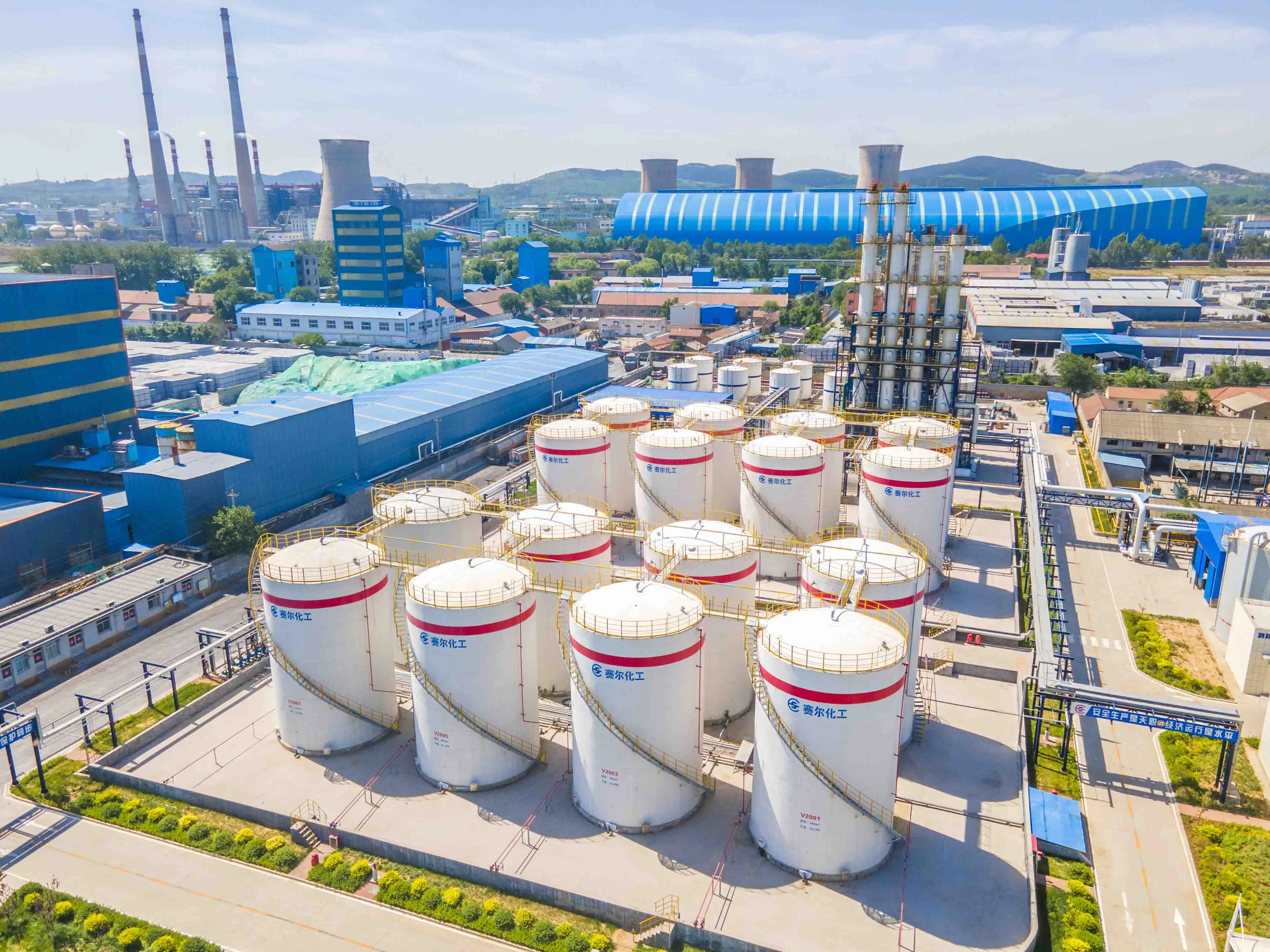
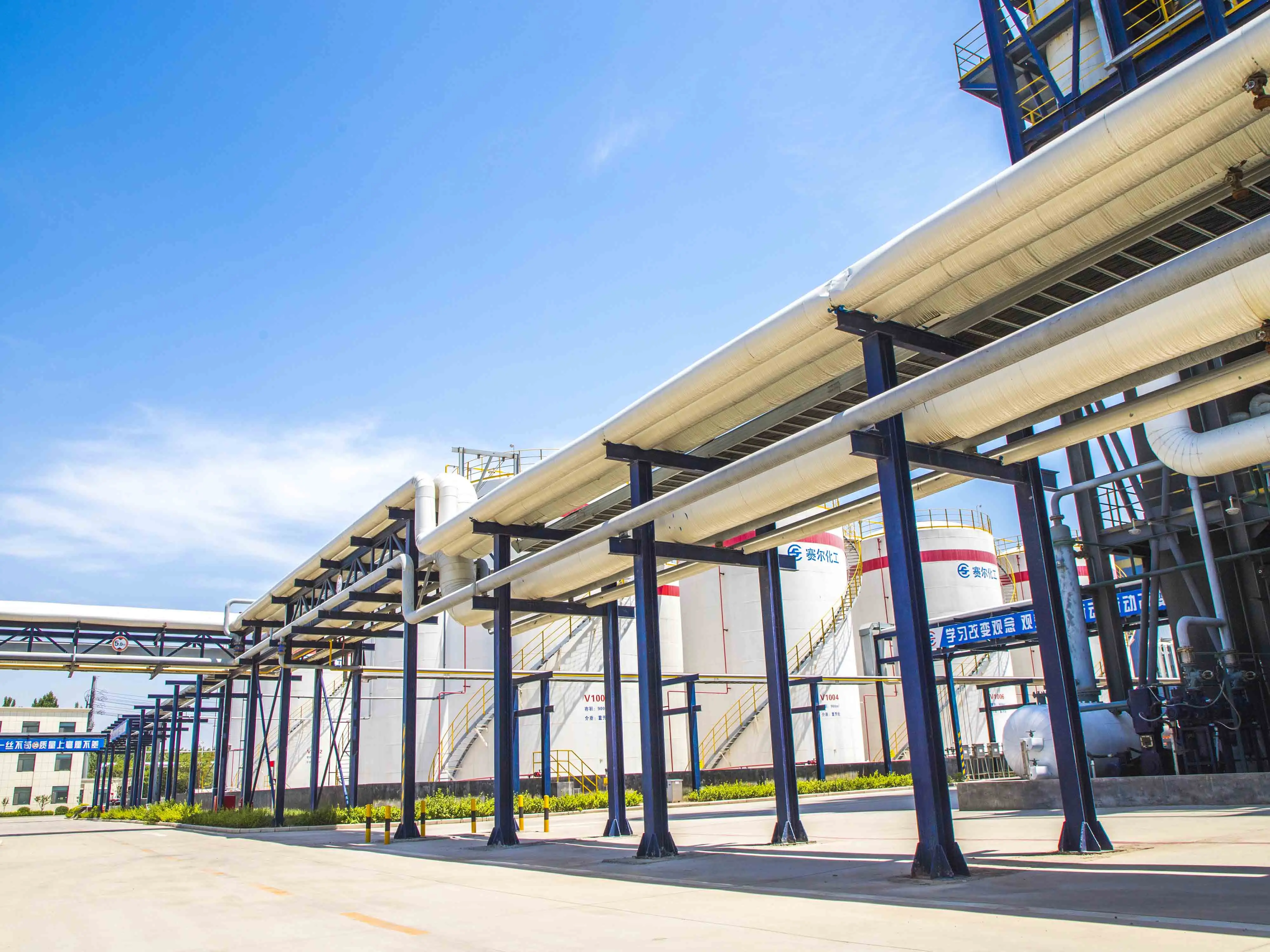
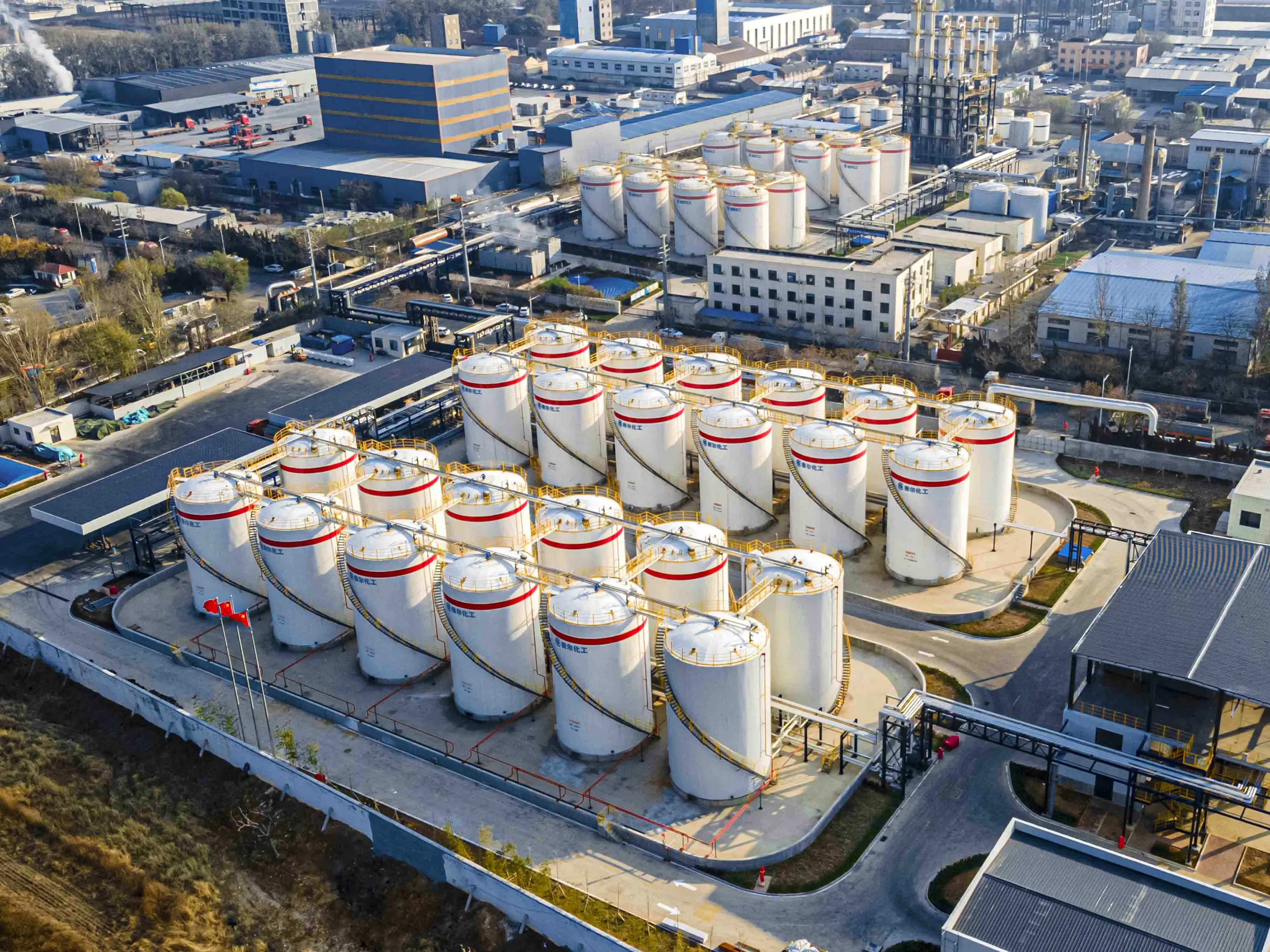
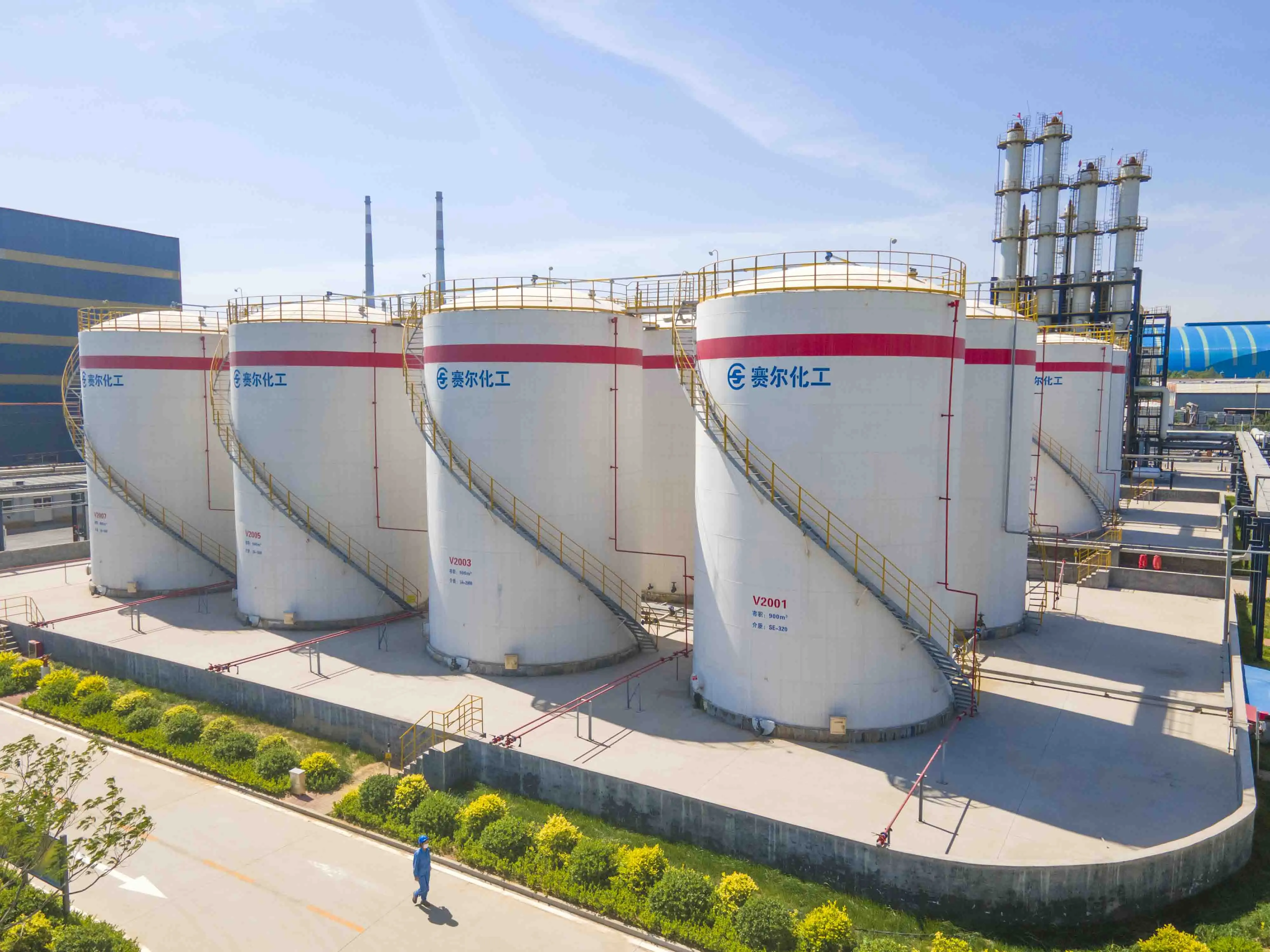
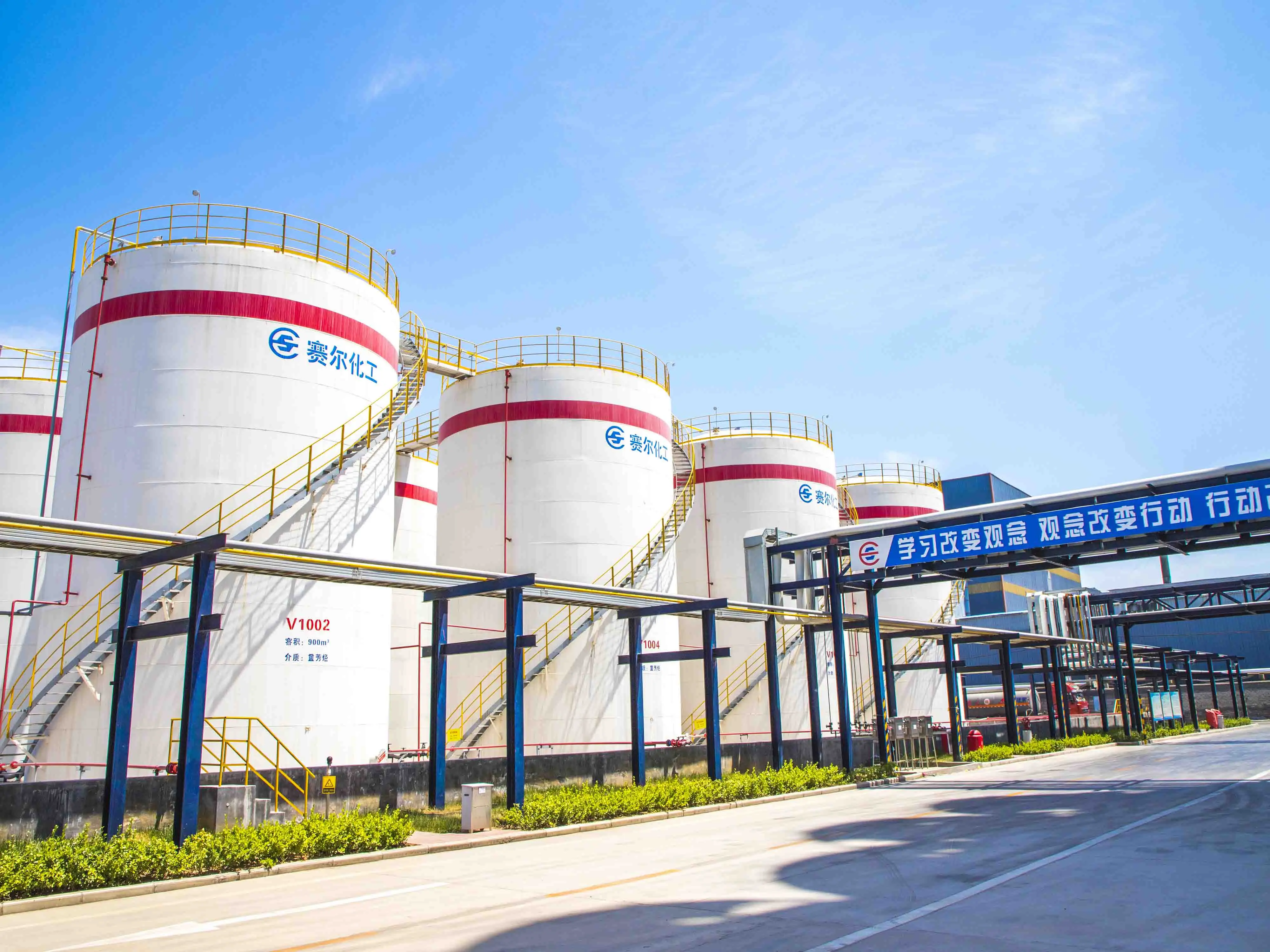
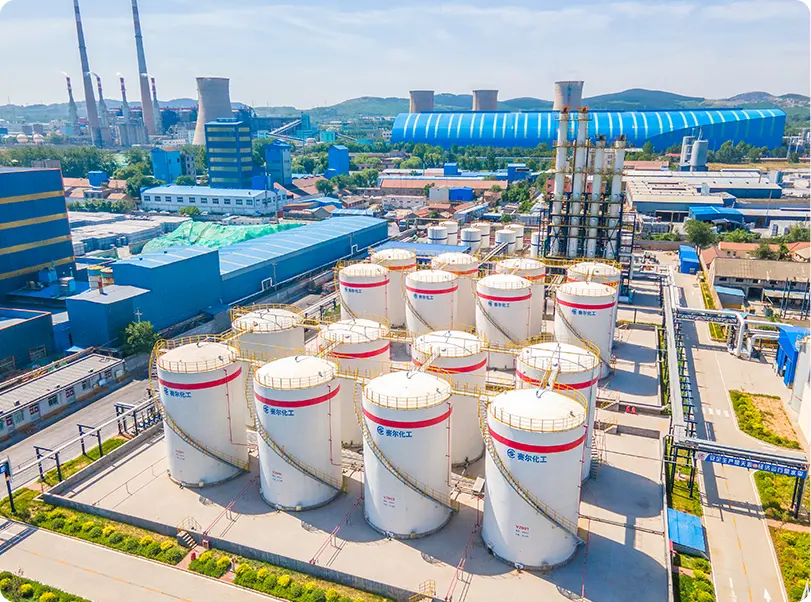
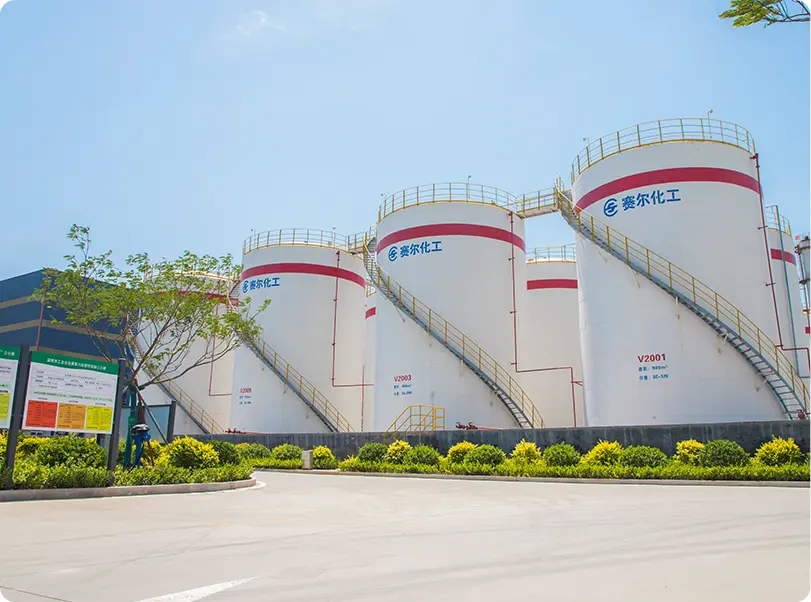
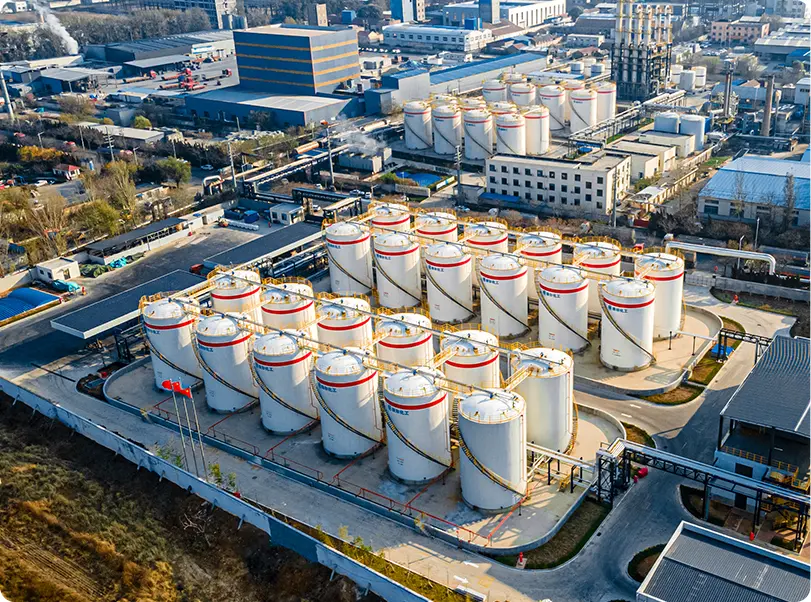
Shandong Saier Chemical Technology Development Co., Ltd. has established itself as a leading force in the chemical industry since its founding in December 2004. Strategically located at No. 207, WeiLiu Road, Qilu Chemical Industrial Park, Linzi, Zibo City, Shandong Province, the company occupies a vital position within one of China's most advanced chemical clusters. Benefiting from Zibo's historical significance as a petrochemical hub, Saier Chemical leverages localized raw materials and excellent logistics infrastructure to distribute products to markets worldwide.
With an initial registered capital of 60 million yuan, Saier Chemical built robust production pipelines that quickly gained traction in domestic markets including Beijing, Shanghai, Tianjin, Hebei, Shandong, and Henan. As global energy demands shifted, the enterprise scaled its operations to achieve a substantial manufacturing capacity of 720,000 tons per year. Sourcing its premium feedstocks from leading refineries like Sinopec, PetroChina, ChemChina, Zhejiang Petrochemical, and Hengli Petrochemical, the company delivers high-purity aromatic solvents to critical markets in Asia, Europe, North America, and Southeast Asia.
"Our dual product-line strategy targets High-Boiling Aromatic Solvents (S100, S150, S150ND, S180, S200) alongside advanced specialty intermediates, driving technological innovations in pesticide emulsification, high-performance coatings, and advanced thermal systems."
Industrial aromatic hydrocarbon fluids are complex mixtures of C9 to C12+ alkylbenzenes, naphthenes, and polycyclic structures. Classified by their distillation parameters, these high-boiling point petroleum distillates provide exceptional solvency compared to aliphatic counterparts. Their value is determined by their high KB (Kauri-Butanol) value, which measures their ability to dissolve resins, polymers, and active ingredients.
| Product Grade | CAS Registry Number | Major Hydrocarbon Range | Boiling Range (°C) | Typical KB Value | Flash Point (PMCC, °C) |
|---|---|---|---|---|---|
| Aromatic Solvent S100 | 64742-95-6 | C9 - C10 | 154 – 179 | 91 | > 42 |
| Aromatic Solvent S150 | 64742-94-5 | C10 - C11 | 179 – 214 | 95 | > 62 |
| Aromatic Solvent S150ND | 64742-94-5 (ND) | C10 - C11 | 181 – 209 | 94 | > 63 |
| Aromatic Solvent S200 | 64742-94-5 | C11 - C12+ | 230 – 290 | 98 | > 100 |
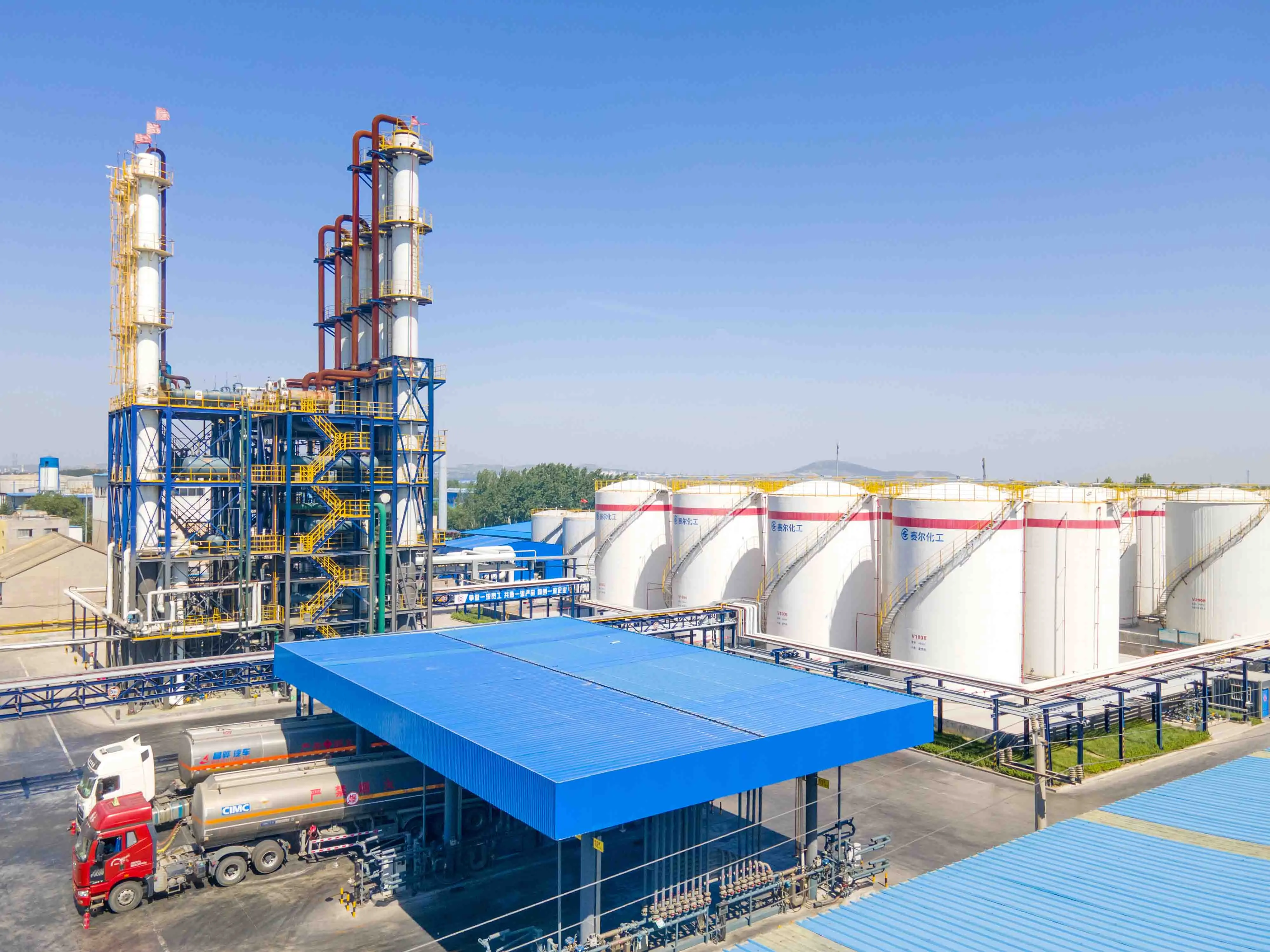
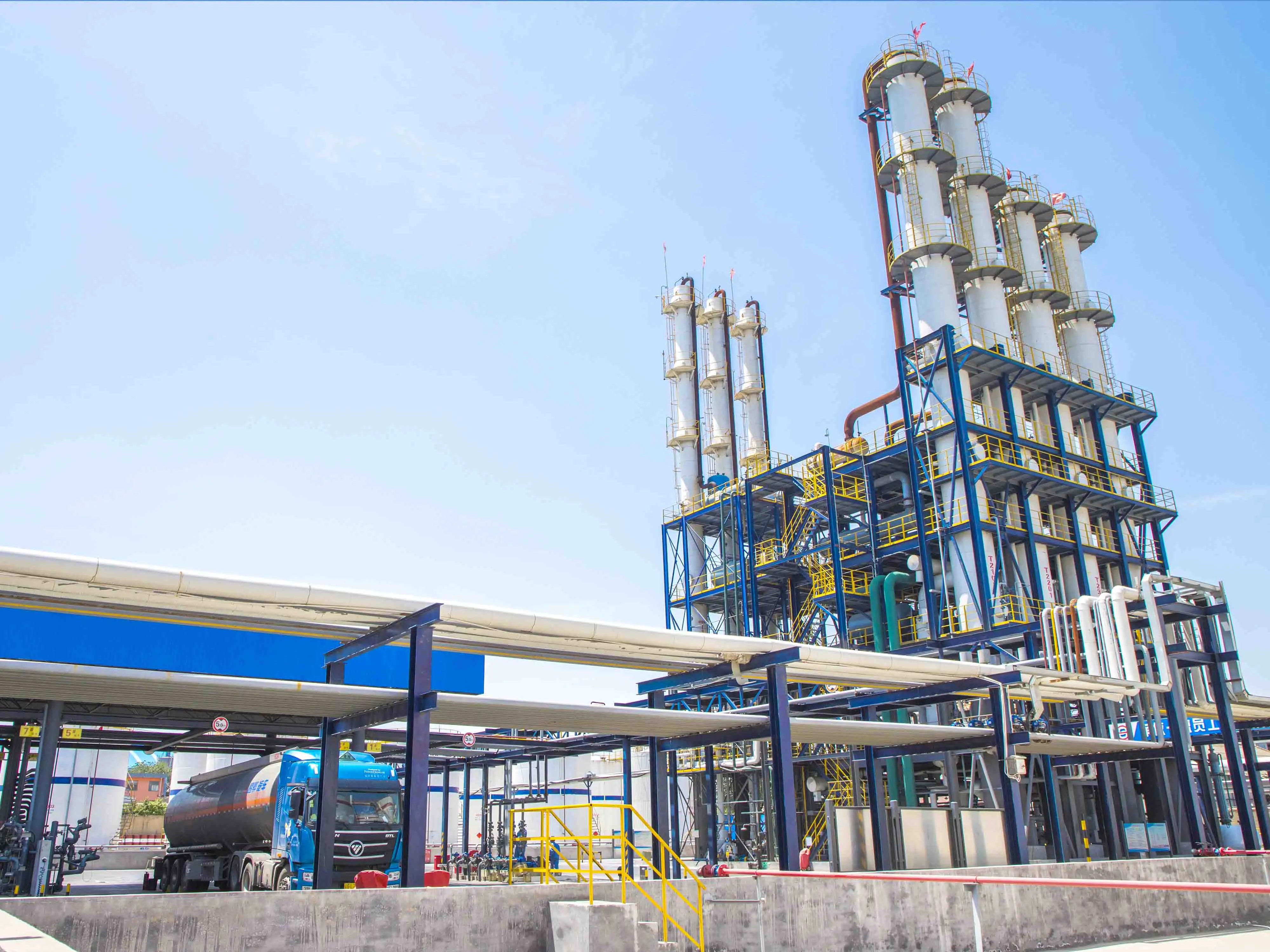
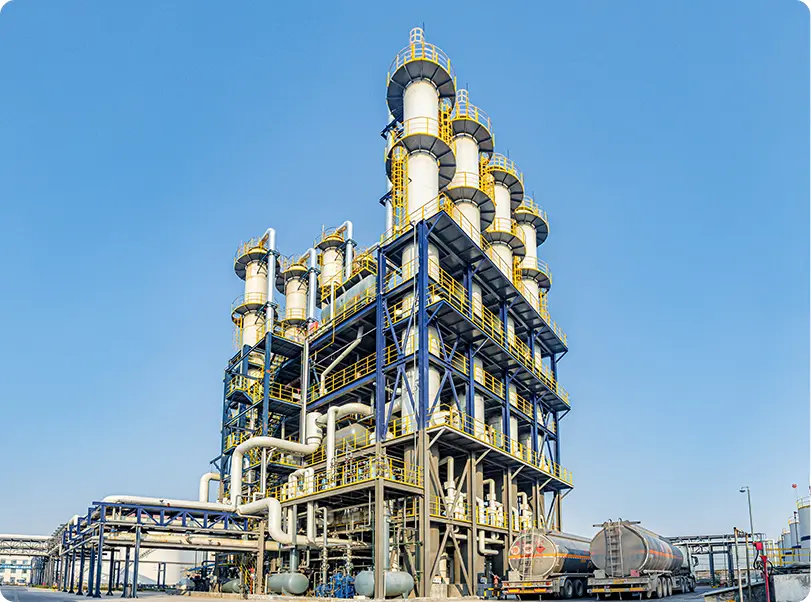
In response to international regulatory mandates, Shandong Saier Chemical has optimized its fractionation lines to produce Naphthalene Depleted (ND) solvents. Standard aromatic fluids contain up to 10% naphthalene, a substance classified as a potential hazard. Through advanced vacuum distillation and catalytic refining, Saier reduces naphthalene to under 1.0% or 0.1% while maintaining the solvency properties of the carrier fluid.
This development is key for agricultural applications. Lowering naphthalene content reduces phytotoxicity risks, preventing chemical burns on target crops while keeping active ingredients in solution. It also complies with strict European REACH mandates and EPA environmental standards, helping global buyers import high-performing chemical carriers that meet modern regulatory requirements.
To maintain our position in industrial chemistry, Shandong Saier Chemical follows a detailed technical roadmap focused on safety, efficiency, and sustainability:
Our aromatic fluids support diverse operations across multiple key industries:
In pesticide manufacturing, active chemical ingredients are often insoluble in water. Aromatic Solvents S100 and S150 act as effective carrier solvents for Emulsifiable Concentrates (EC) and Suspoemulsions (SE). Their strong solvency ensures that active agents remain dissolved during storage and transport, even under low-temperature conditions.
For baked enamels, wood coatings, and marine protective paints, control over evaporation rates is essential. S100 and S150 evaporate predictably, helping coatings level and cure without defects like pinholing or blistering. Their high solvency makes them compatible with alkyd, acrylic, epoxy, and polyurethane resin systems.
Our Heat Transfer Oil L-QC320 provides thermal stability and oxidation resistance in closed-loop heating systems. Capable of operating up to 320°C without significant cracking, this fluid ensures efficient heat transfer in chemical processing, oil refining, and textile manufacturing.
The primary differences are their boiling ranges, flash points, and molecular structures. S100 contains mostly C9 hydrocarbons and boils between 150°C and 180°C, providing faster evaporation. S150 relies on C10 alkylbenzenes, boiling between 180°C and 210°C, and offers a higher flashpoint for safer handling. S200 uses C11 to C12 structures, boiling above 230°C, and is designed for applications requiring high temperatures and low evaporation rates.
Naphthalene is classified as hazardous to aquatic life and a suspected human carcinogen. Reducing naphthalene below 1.0% (or 0.1% in ultra-pure grades) minimizes environmental risks, prevents leaf damage (phytotoxicity) on treated crops, and simplifies import compliance in markets with strict environmental regulations like Europe and North America.
The KB value measures relative solvent power. Aromatic hydrocarbon fluids have high KB values (90 to 98) compared to aliphatic hydrocarbons (30 to 45). This high solvency allows them to dissolve difficult resins and active chemical complexes, keeping formulas stable at lower overall solvent volumes.
L-QC320 is formulated with refined base oils and oxidation inhibitors. It resists thermal cracking and polymer formation, maintaining a clean system with consistent heat transfer efficiency at bulk temperatures up to 320°C.
We partner with major producers including Sinopec, PetroChina, ChemChina, Zhejiang Petrochemical, and Hengli Petrochemical. Sourcing from these large-scale operations ensures a consistent supply of crude feedstock, supporting our 720,000-ton annual capacity and maintaining quality standards across our product lines.
 Saier Chemical