Pioneering strict purity standards to control industrial benzene exposure and ingestion risks globally.
Deep Technical Analysis on Mitigating Toxicity and Industrial Occupational Hazards in Global Chemical Intermediates
Benzene is historically known for its high industrial utility, but it presents severe safety challenges including chemical ingestion toxicity, inhalation risk, and long-term environmental hazards. Modern chemical synthesis requires strict limits on benzene impurities, driving the market toward highly refined, benzene-depleted intermediate alternatives that guarantee workplace safety.
Global regulatory bodies such as the US EPA, European REACH, and OSHA have established strict toxicological benchmarks. Meeting these standards requires high-precision analytical reference materials and solvents designed to quantify, isolate, and mitigate trace benzene compounds in manufacturing pipelines.
Replacing traditional heavy aromatic solvents with low-naphthalene and low-benzene alternatives (such as S-150ND and high-boiling solvents) allows manufacturers to maintain process efficiency while safeguarding operators against accidental inhalation or oral ingestion of dangerous hydrocarbons.
A National High-Tech Enterprise Dedicated to Environmental Safety and Chemical Innovation
Shandong Saier Chemical Technology Development Co., Ltd. has embarked on an impressive journey since its establishment in December 2004. Situated at No.207, WeiLiu Road, Qilu Chemical Industrial Park, Linzi, Zibo City, Shandong Province, the company has continuously evolved and thrived in the highly competitive chemical industry.
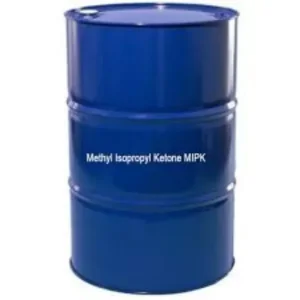
In early Time, with a registered capital of 60 million yuan, the company laid a solid financial foundation. Initially, it focused on the production of basic chemical products. The initial product lineup included environmentally friendly high-boiling aromatic solvents (Solvent naphtha, TOPSOL, KOCOSOL, Aromatic Hydrocarbon, TOLUENE AROMATIC HYDROCARBON, NAFTA DISOLVENTE SOLVESSO) such as S-100, S-150, S-150ND, S-180 and S-200, Heat transfer oils L-QC320 and other main Intermediate products along with products like durene, PVC plasticizers, thiophene, 1,3-Cyclohexanedione, MIPK, TMOF, TMOA, HPA, TMG.
These products were mainly sourced from major refineries and aromatic plants such as Sinopec, PetroChina, ChemChina, Zhejiang Petrochemical, and Hengli Petrochemical. By leveraging these reliable raw material sources, the company was able to ensure product quality from the start. At that time, the production capacity was 720,000 tons per year, and the products were mainly sold in domestic markets Beijing, Shanghai, Tianjin, Hebei, Shandong, Henan, as well as to Sinopec and PetroChina. And it is capable of being sold to global markets, including regions such as Asia, Europe, America, and Southeast Asia and so on. This domestic market focus helped the company gain a firm foothold in the industry and build a reputation for its products.
As the years passed, Shandong Saier Chemical Technology Development Co., Ltd. recognized the importance of innovation and technological advancement. It began to invest significantly in research and development. The company aimed to improve production efficiency, enhance product quality, and develop more environmentally friendly products.
For instance, in response to the growing demand for energy-saving and environmentally friendly products in the market, the company started to optimize its production processes. It explored new production technologies to reduce energy consumption and waste generation. This led to the company's recognition as a national high-tech enterprise, which not only brought more policy support but also enhanced its brand image in the industry.
How Multi-National Industrial Chemical Buyers Ensure Quality, Safety, and Eco-Efficiency
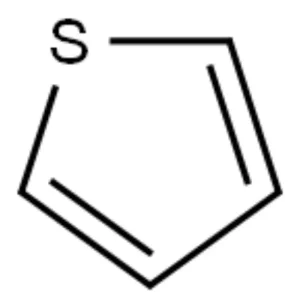
For chemical intermediates such as 2-Chloro-3-(trifluoromethyl)pyridine and Thiophene, global B2B procurement managers require rigorous gas chromatography-mass spectrometry (GC-MS) profiles. The presence of trace carcinogens, specifically benzene, must be strictly limited to parts-per-billion (ppb) scales to ensure down-stream agricultural or medical products pose no risk of accidental human ingestion or toxic residues.
Traditional solvents are being systematically phased out due to toxicological concerns. High-boiling aromatic solvents, especially S-150ND (Naphthalene Depleted), serve as direct, safer replacements. Our refining columns extract hazardous volatile compounds, creating eco-friendly vehicles for agrochemical emulsifiable concentrates (EC).
Sourcing raw materials from petroleum giants like Sinopec and PetroChina allows Shandong Saier to enforce a closed-loop quality control program. From crude aromatic separation to molecular filtration, every metric is logged, ensuring complete batch traceability for global ISO 9001 and ISO 14001 audits.
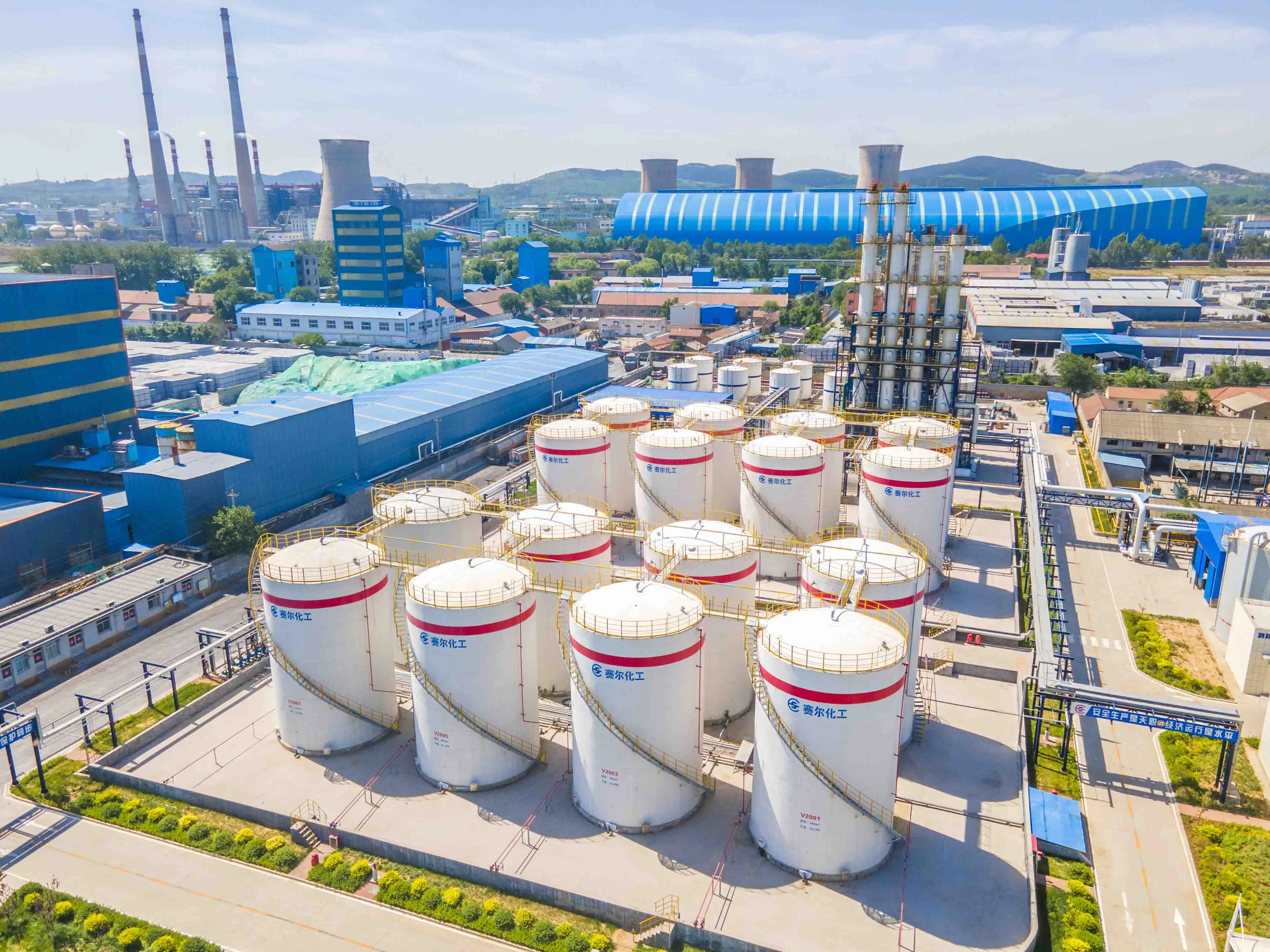
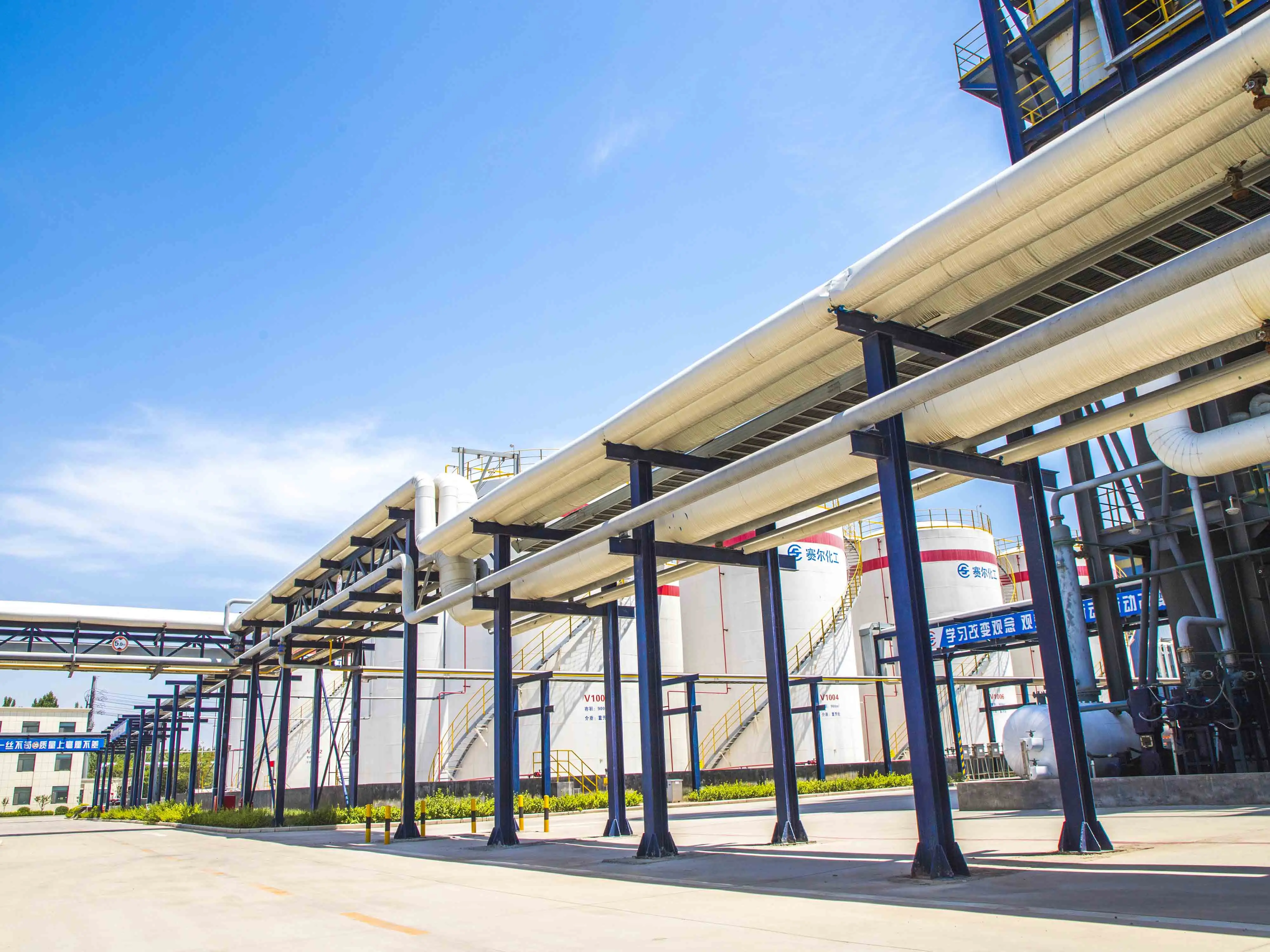
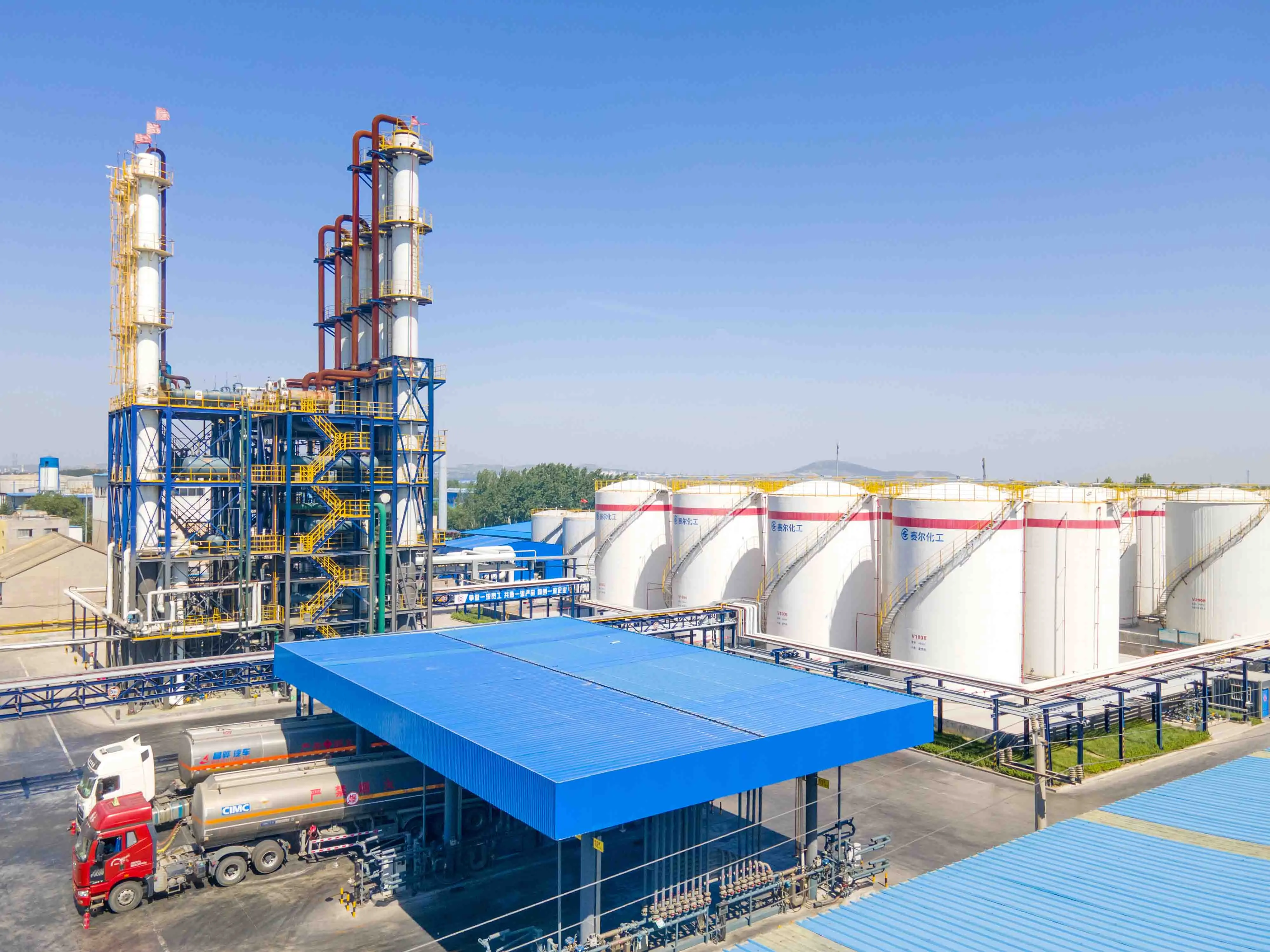
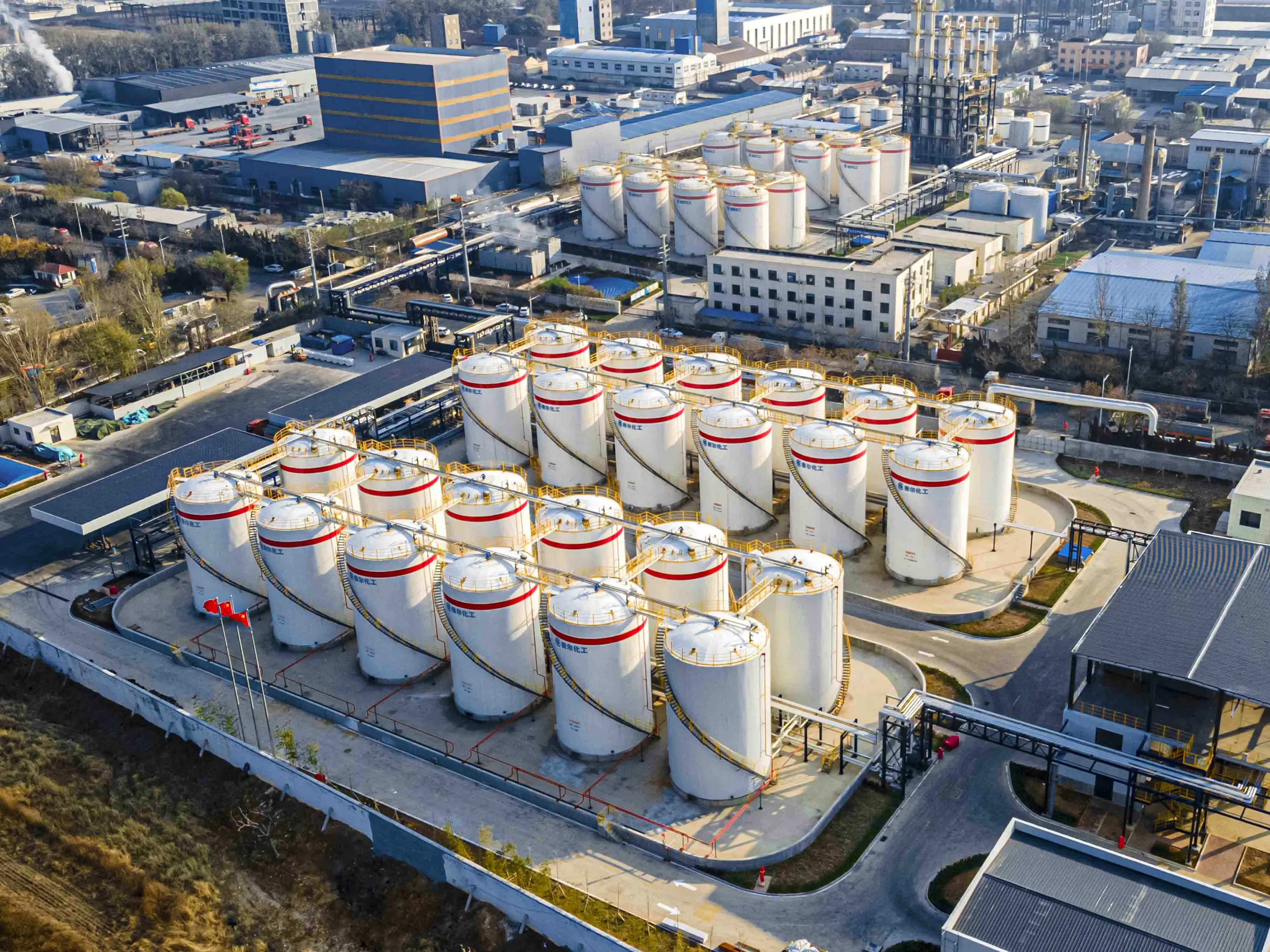
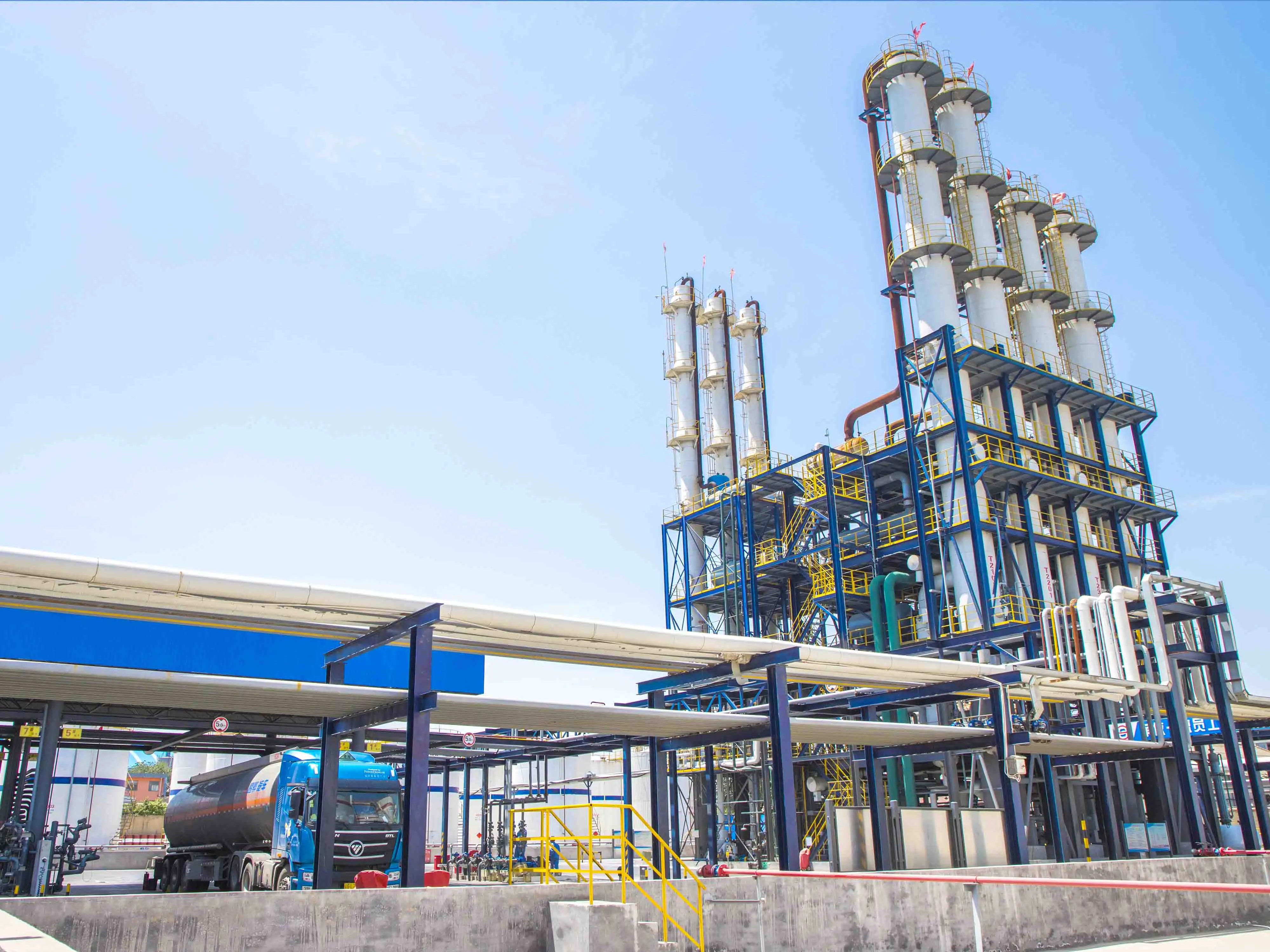
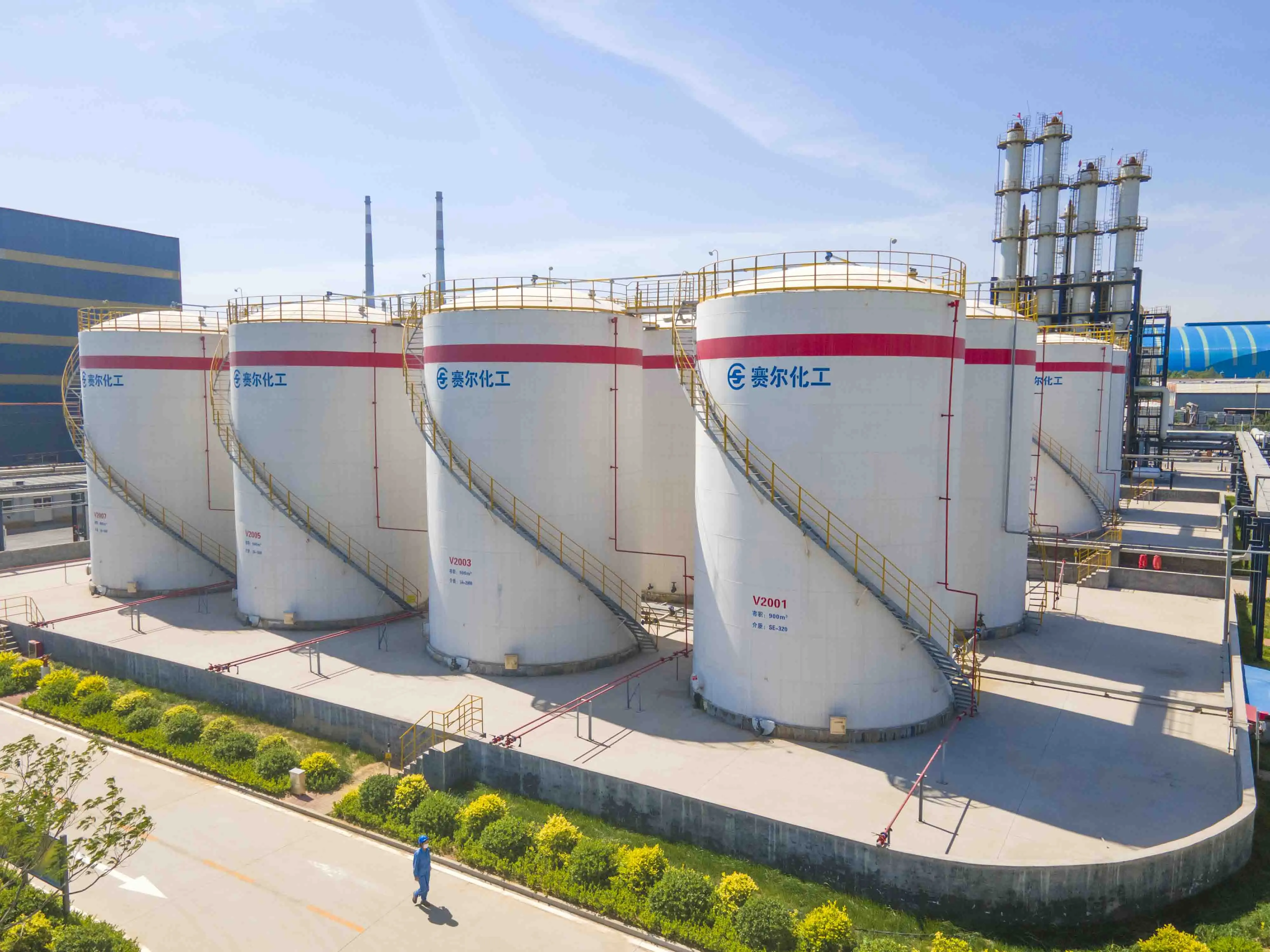
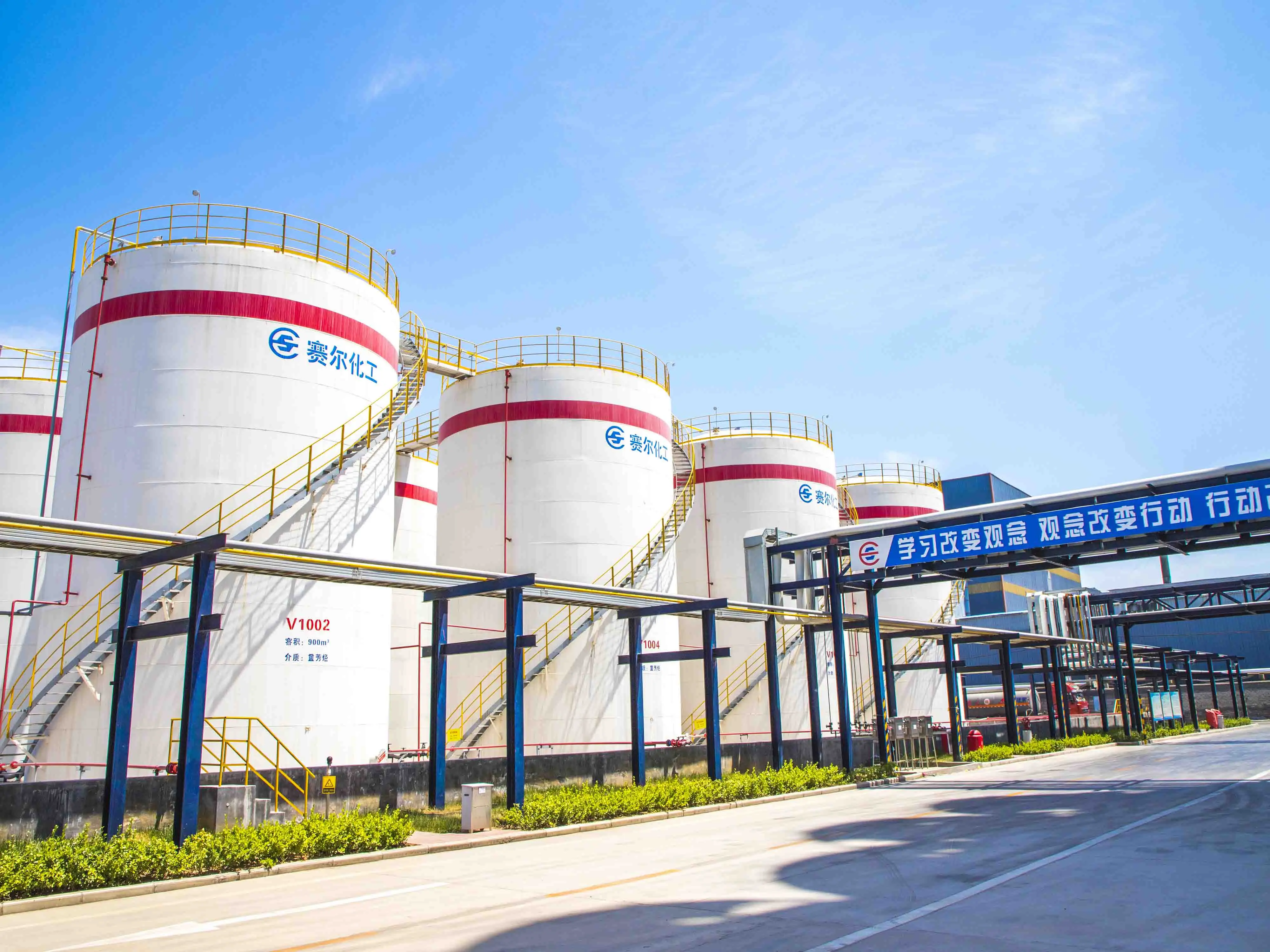
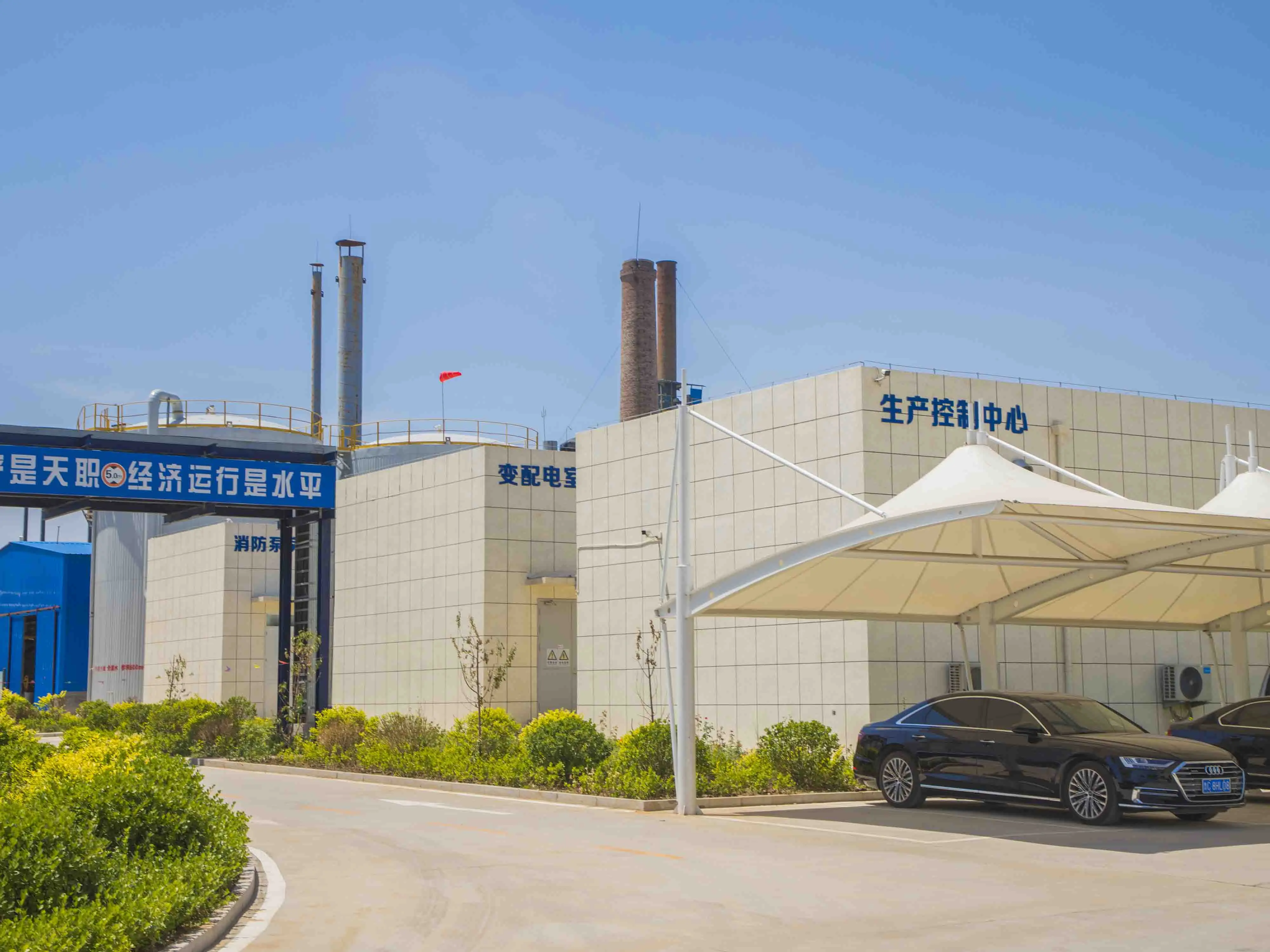
State-of-the-art production base at Qilu Chemical Industrial Park
Driving Towards Zero-Benzene Impurities & High-Efficiency Catalysis
By investing in selective hydrogenation catalysis, we plan to further reduce the residual aromatic hydrocarbons in specialized industrial formulations. This allows us to decrease toxicological risk profiles, offering solvents with minimal occupational ingestion and respiratory concern.
We are integrating AI-controlled continuous rectification column systems. Real-time infrared spectrometry monitors distillate purity, keeping volatile residues like benzene far below standard chemical regulation thresholds.
As EU and US chemical regulations tighten, we are scaling up regulatory filing programs to support overseas agrochemical, pharmaceutical, and electronics industries with fully certified, pre-registered chemical intermediates.
Seamless Global Export Logistics Meeting International Safety Regulations
Every shipment is accompanied by detailed Safety Data Sheets (SDS) in accordance with the Globally Harmonized System of Classification and Labelling of Chemicals (GHS). We actively manage toxicological data, defining ingestion prevention guidelines, dermal toxicity ratings, and hazard control plans for all materials.
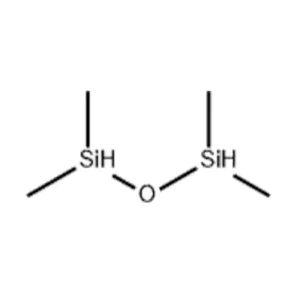
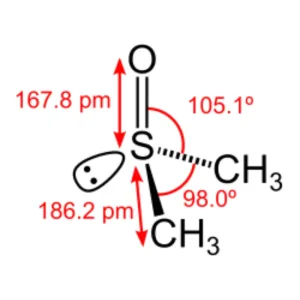
To avoid transit leaks and occupational hazard exposures, we offer specialized ISO tanks, steel drums, and customized container solutions. Materials like DMSO and 1,1,3,3-Tetramethyldisiloxane are packed under inert nitrogen gas blankets to ensure long-term stability and transport safety.
Expert answers on safety, chemical properties, and procurement standards.
Shandong Saier utilizes advanced multi-stage vacuum fractional distillation columns. By processing raw materials through high-precision temperature profiling, we successfully isolate volatile toxic components like benzene. This process reduces hazardous contaminants to negligible levels, ensuring our aromatic solvents (like S-150ND) and organic intermediates meet the strictest global toxicological safety standards, eliminating risk in down-stream applications.
Naphthalene-depleted solvents, such as our Aromatic Solvent S-150ND, are designed to drastically lower exposure to hazardous polycyclic aromatic hydrocarbons (PAHs). Reducing the naphthalene content to less than 1% significantly lowers toxicological risks (such as occupational ingestion, skin contact, or inhalation toxicity) while maintaining high solvency and flashpoints, which are crucial for stable agricultural pesticide formulation.
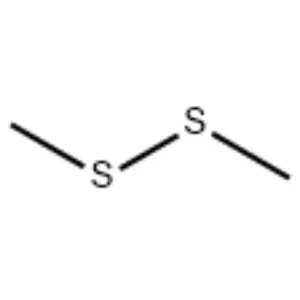
We implement industrial-grade heavy packaging solutions, utilizing epoxy-lined steel drums and ISO tanks. Materials that react to moisture or oxygen, such as siloxanes or organosulfurs (DMSO, DMDS), are packed under nitrogen gas blankets with double-seal safety valves to prevent hazardous leaks or accidental ingestion risks during maritime shipping and local distribution.
Shandong Saier is a certified National High-Tech Enterprise. We comply fully with the ISO 9001:2015 Quality Management System and ISO 14001:2015 Environmental Management System. We provide comprehensive COA (Certificate of Analysis), MSDS, and REACH-compliant registration files to guarantee seamless logistics through customs globally.
High-efficiency raw materials and intermediates optimized for global distribution.
 Saier Chemical