Explore our premium refinery-grade hydrocarbons, functional fine chemicals, and specialty aromatic solvents manufactured at our state-of-the-art Zibo chemical complex.
A comprehensive whitepaper on technical standards, refining evolution, and global procurement paradigms for petrochemical intermediates.
Petroleum Naphtha, as a primary intermediate distillate, sits at the epicenter of modern petrochemical synthesis. Spanning a boiling range typically between 30°C and 200°C, it contains a complex mixture of paraffinic, naphthenic, and aromatic hydrocarbons. Light naphtha serves as the premium feedstock for steam crackers producing ethylene and propylene, while heavy naphtha is routed to catalytic reformers to generate high-octane gasoline components and crucial BTX (Benzene, Toluene, Xylene) aromatics.
Within this spectrum lies the high-boiling aromatic fraction, universally recognized in industrial formulations under terms like solvent naphtha, TOPSOL, KOCOSOL, and Solvesso. These solvents possess a narrow distillation range, high flash points, and superior solvency power (measured via Kauri-Butanol or KB value), making them irreplaceable in coatings, agrochemical formulations, and high-performance resins.
The global regulatory landscape, governed by stringent policies such as REACH in Europe and EPA guidelines in North America, is pushing the chemical industry toward safer, cleaner, and environmentally responsible chemical processing. Historically, aromatic solvents carried significant levels of naphthalene, a designated environmental hazard and potential carcinogen. Today, the demand for *low-naphthalene* aromatic solvents (such as S150ND and S200 ND, where ND stands for naphthalene-depleted) has shifted from a premium option to a mandatory baseline.
Modern factories are employing advanced fractional distillation and chemical extraction technologies to reduce naphthalene levels to under 1% (and increasingly under 0.1% or 1000 ppm) without compromising the high KB value and solvency properties of the hydrocarbon vehicle. This transition requires significant capital investments in multi-stage, high-efficiency distillation towers and real-time gas chromatography diagnostics at the plant level.
How Shandong Saier Chemical combines geographic leverage, capital depth, and major refinery partnerships to guarantee supply chain continuity.
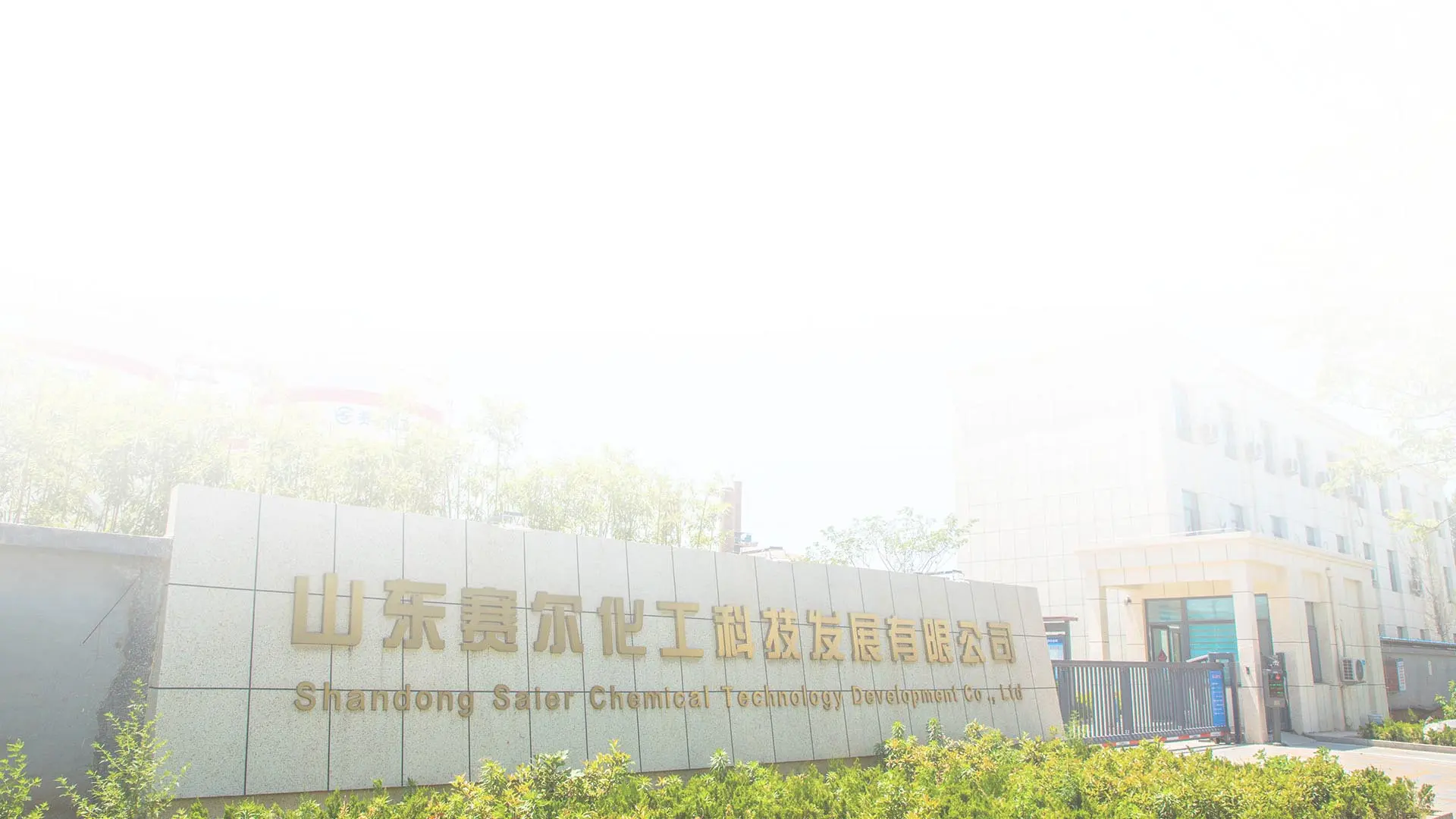
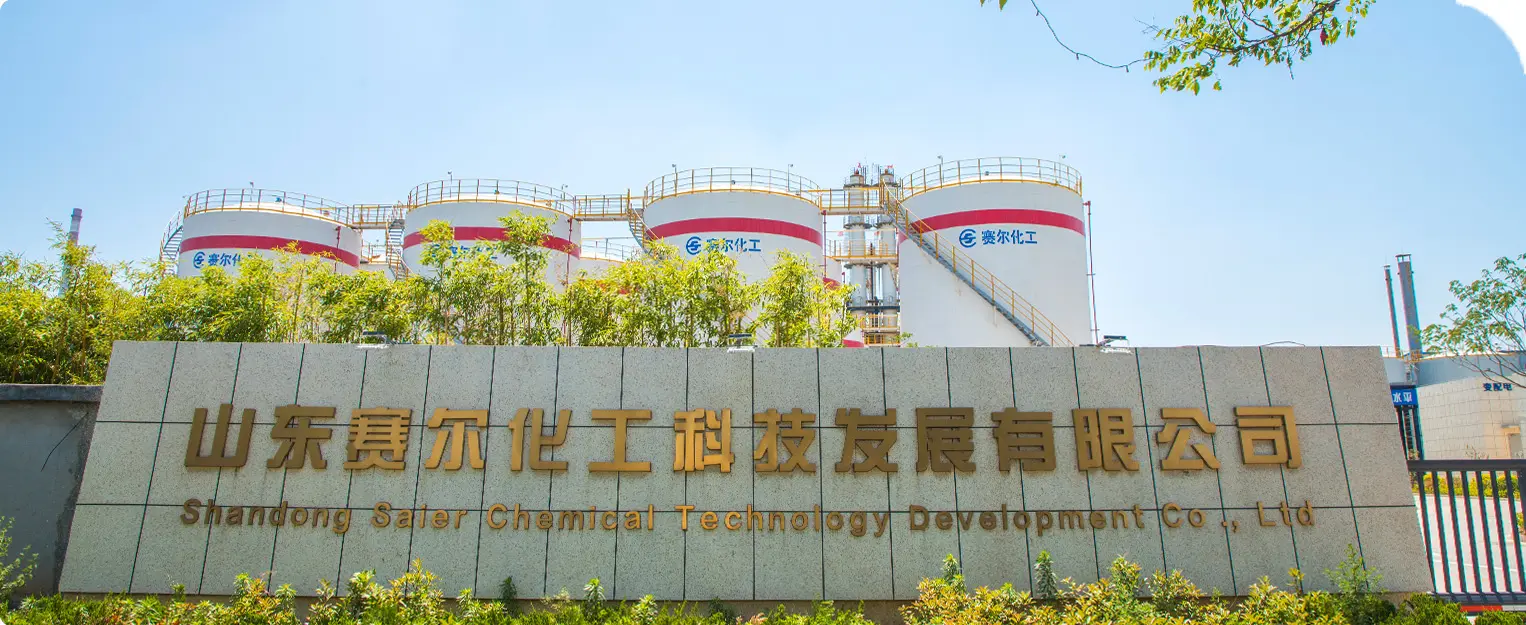
Founded in December 2004, Shandong Saier Chemical Technology Development Co., Ltd. has established an industry-leading footprint in the heart of Zibo City's chemical cluster. Operating from No.207, WeiLiu Road within the prestigious Qilu Chemical Industrial Park, the company benefits from shared utilities, deep technical talent pools, and integration with major regional chemical pipelines. Backed by a registered capital of 60 million yuan, our facility is engineered to run continuous, heavy-duty processing operations under strict safety and environmental protocols.
Our initial product framework focused heavily on key industrial solvents and intermediates, establishing a massive refining and separation footprint. Today, our annual capacity stands at 720,000 tons per year, supplying domestic hubs like Beijing, Shanghai, Tianjin, Hebei, Shandong, and Henan, alongside strategic industrial accounts at Sinopec and PetroChina. Globally, our shipping corridors reach vital markets across Asia, Europe, the Americas, and Southeast Asia.
In the chemical sector, upstream cost control and purity security dictate market competitiveness. Shandong Saier Chemical has established long-term supply agreements with the world's most prominent state-owned and private refining giants, including Sinopec, PetroChina, ChemChina, Zhejiang Petrochemical, and Hengli Petrochemical. This allows us to source raw C10 and C12 aromatic cuts directly from high-capacity reformates and steam crackers.
By bypassing brokers and sourcing directly from major refineries, we achieve two critical structural advantages:
Explore the operational, administrative, and technological heart of our production facilities in Zibo, Shandong Province.
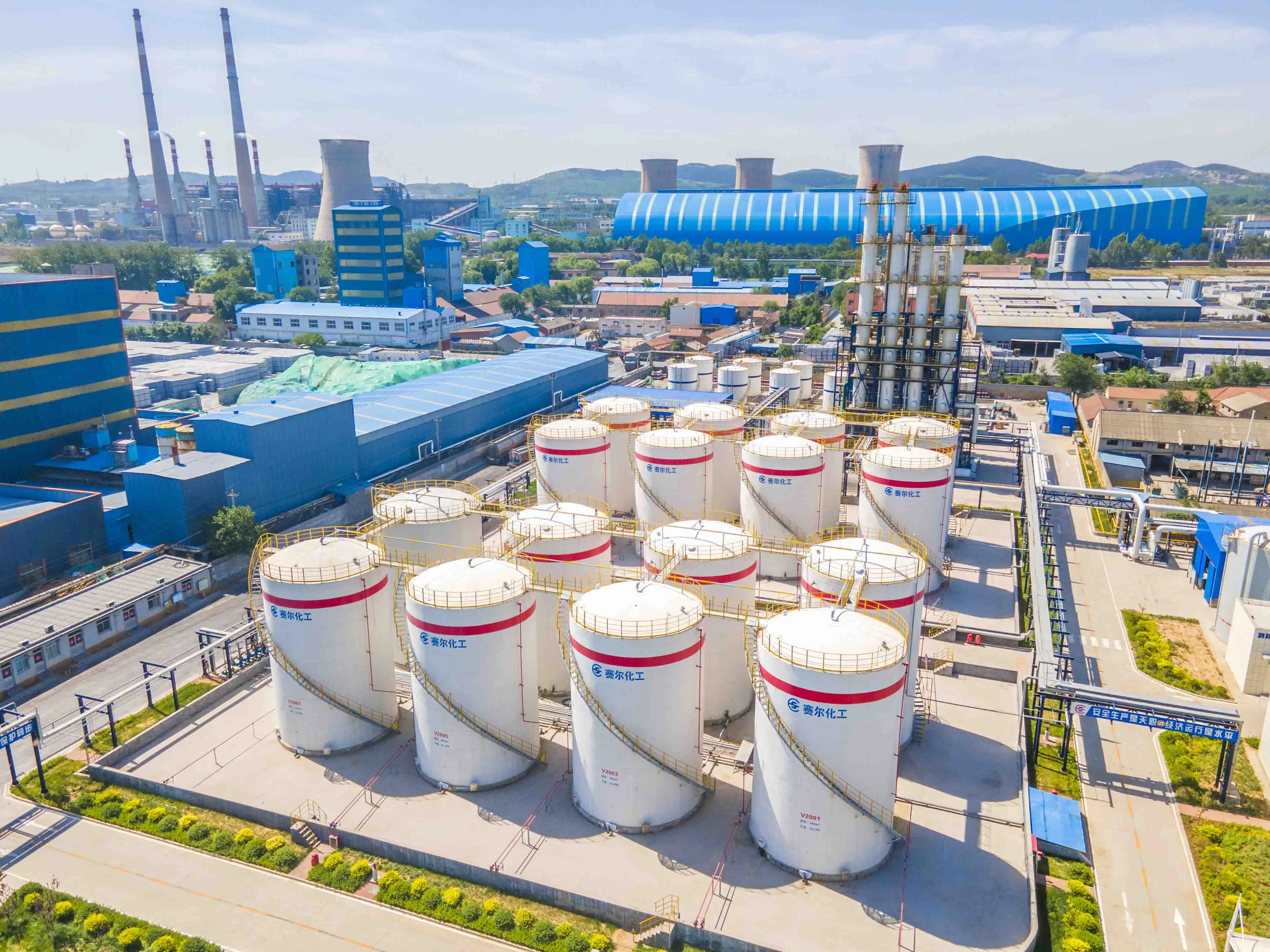
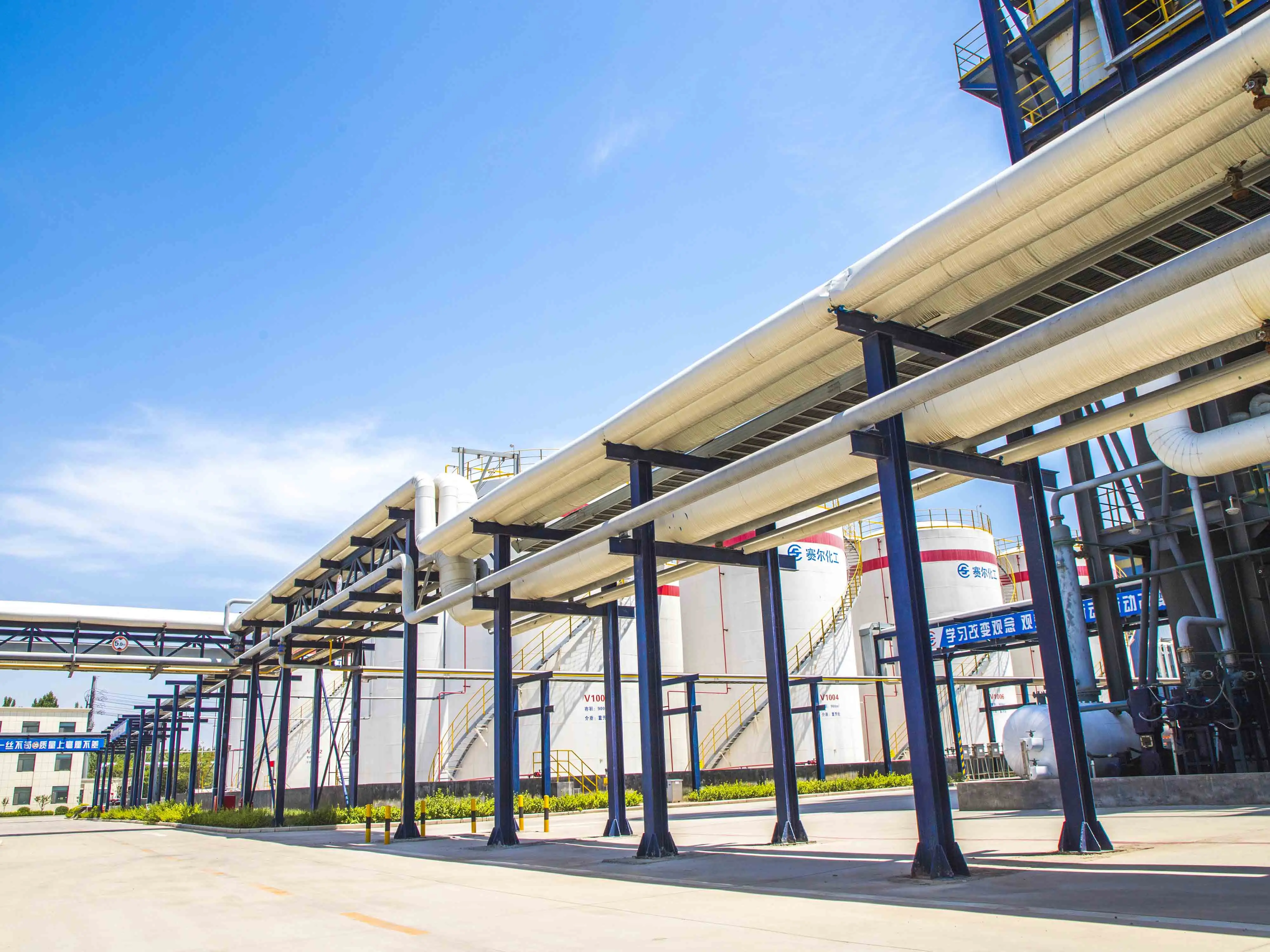
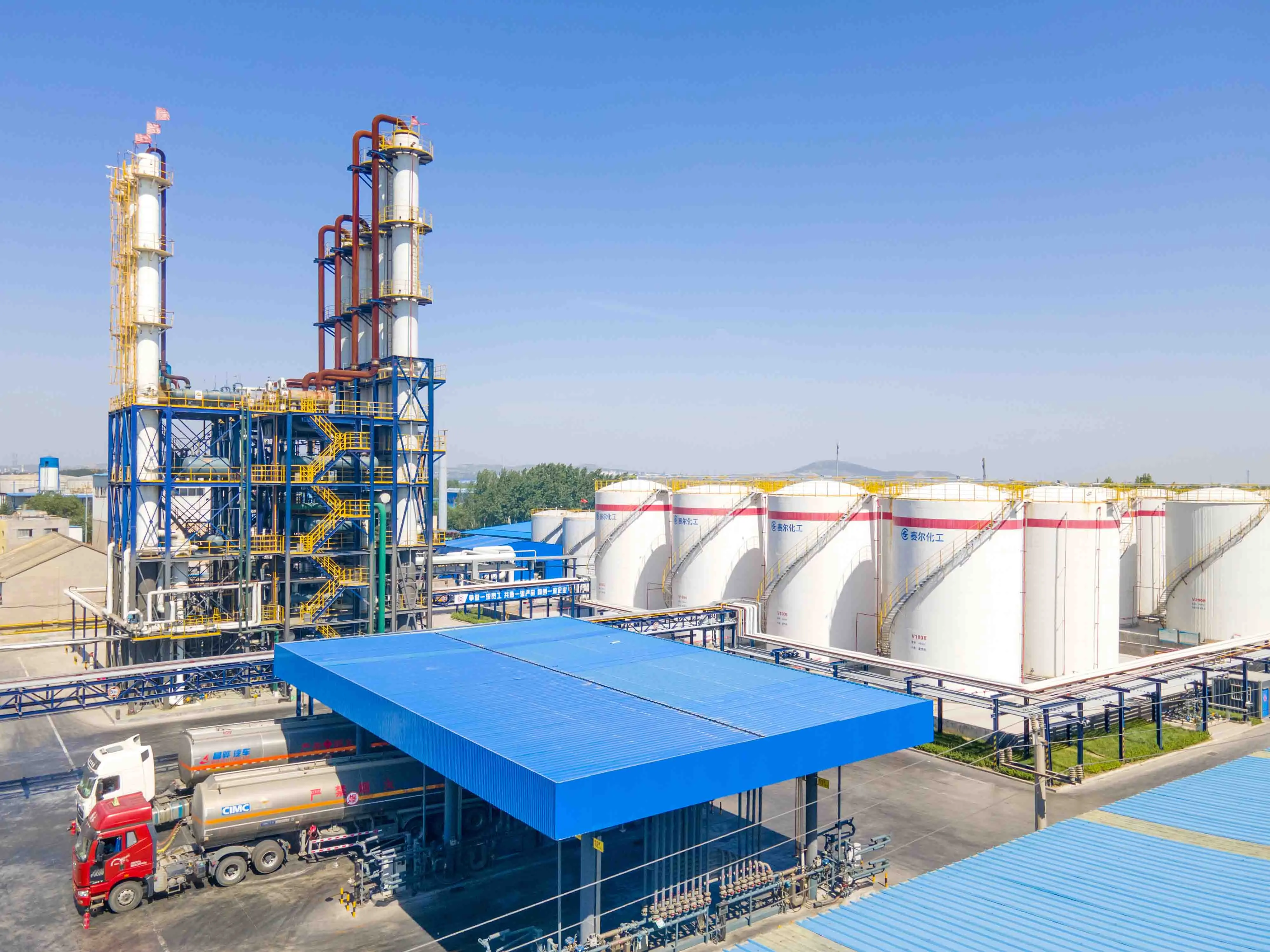
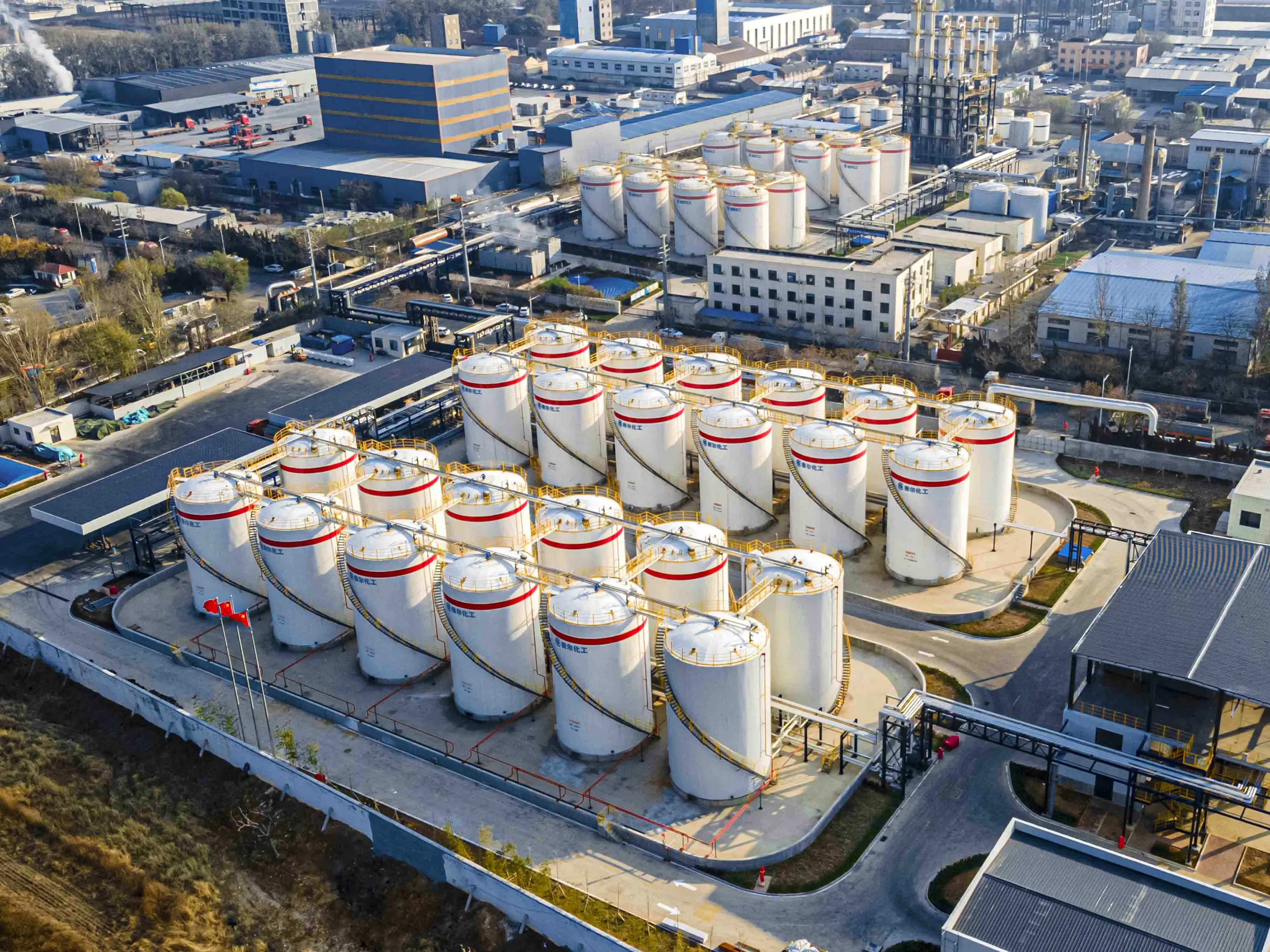
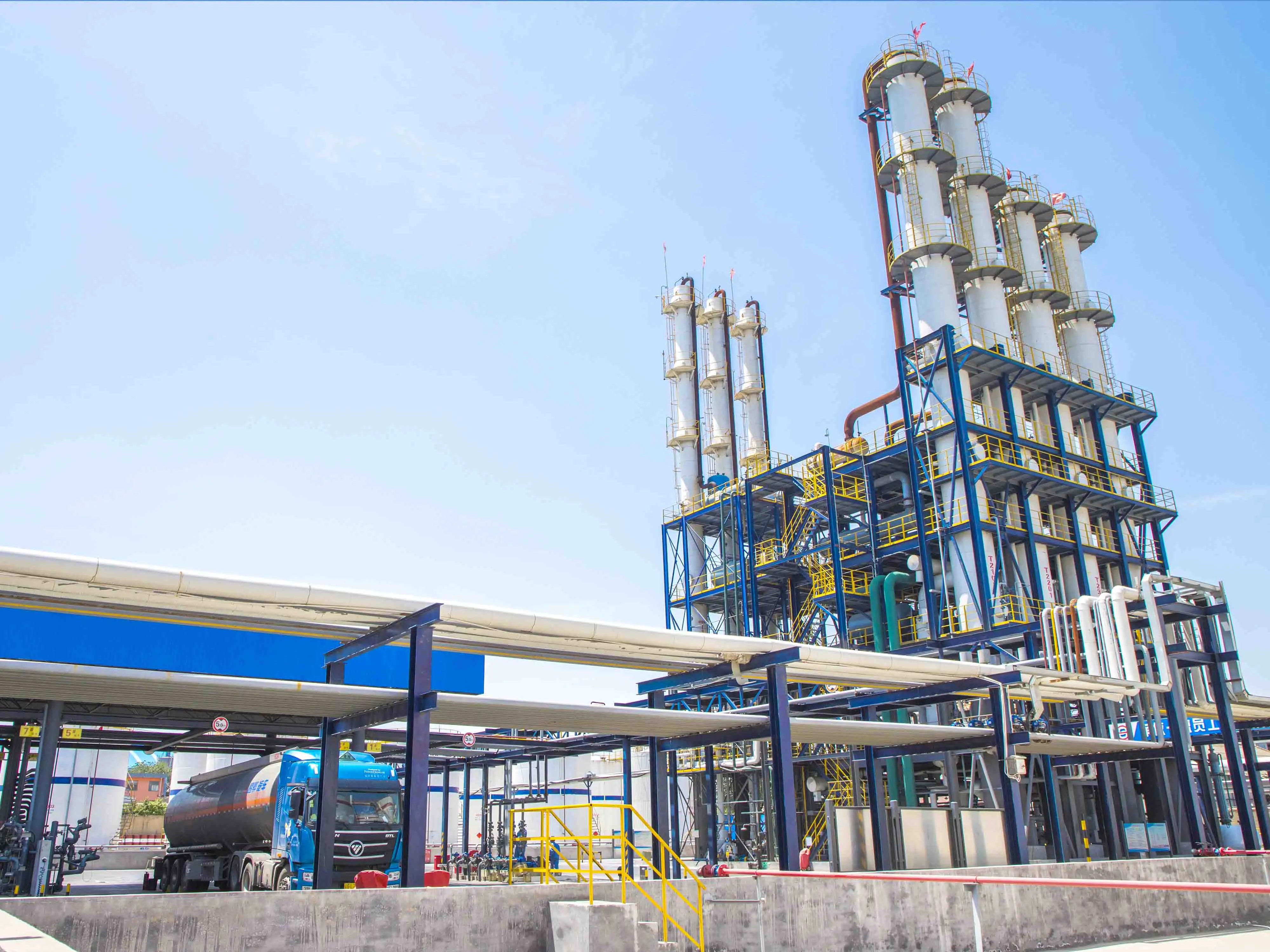
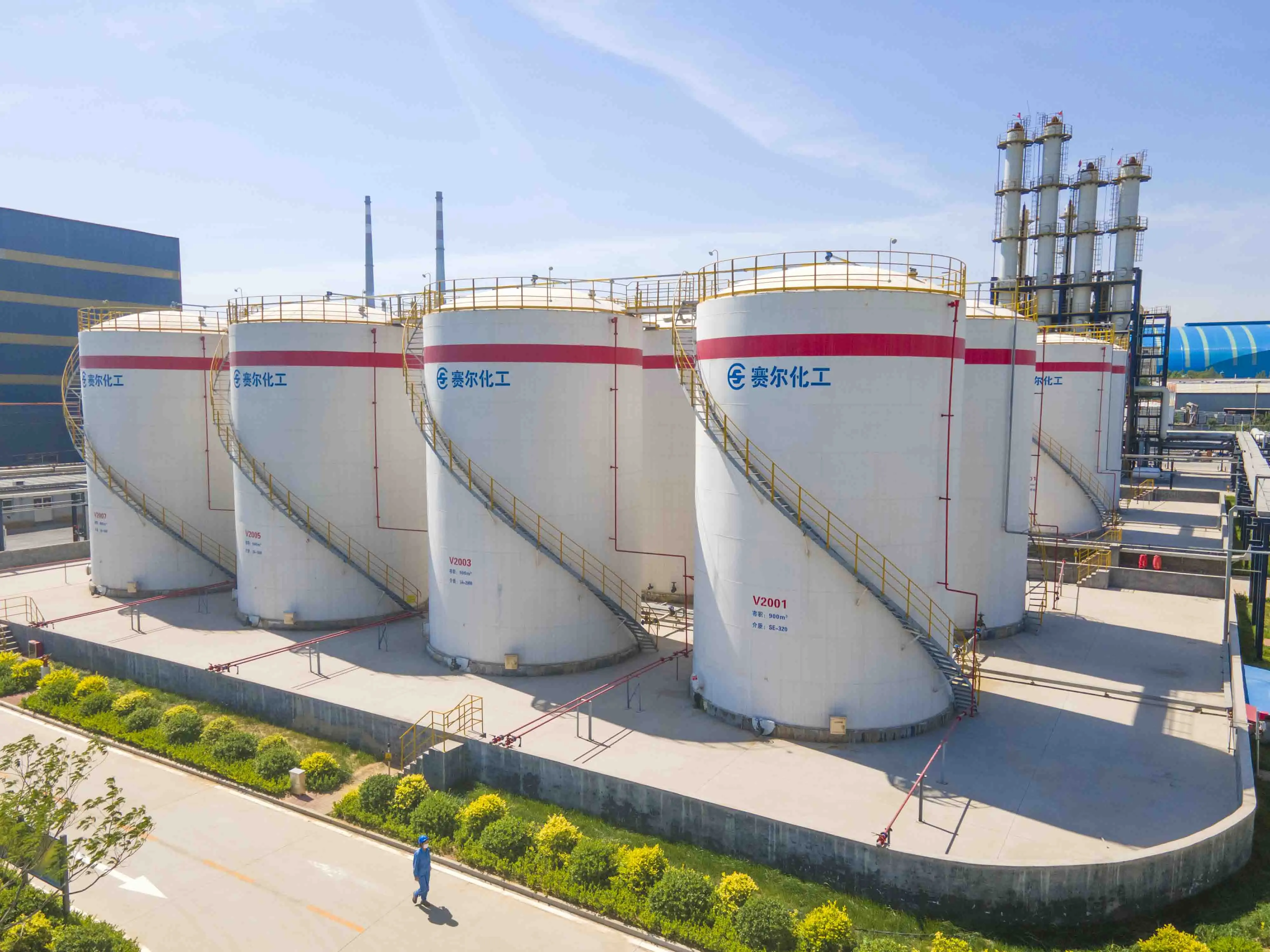
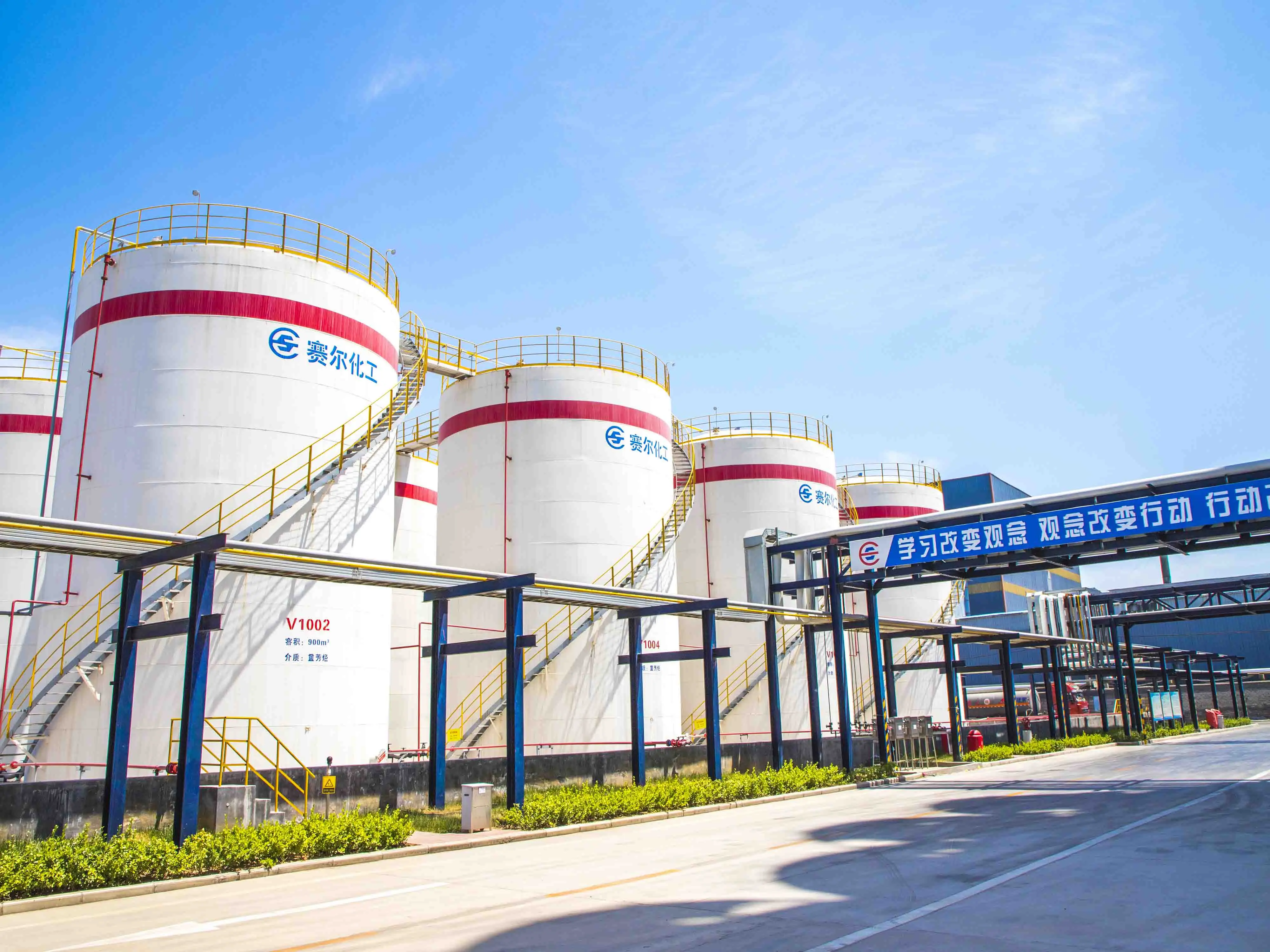
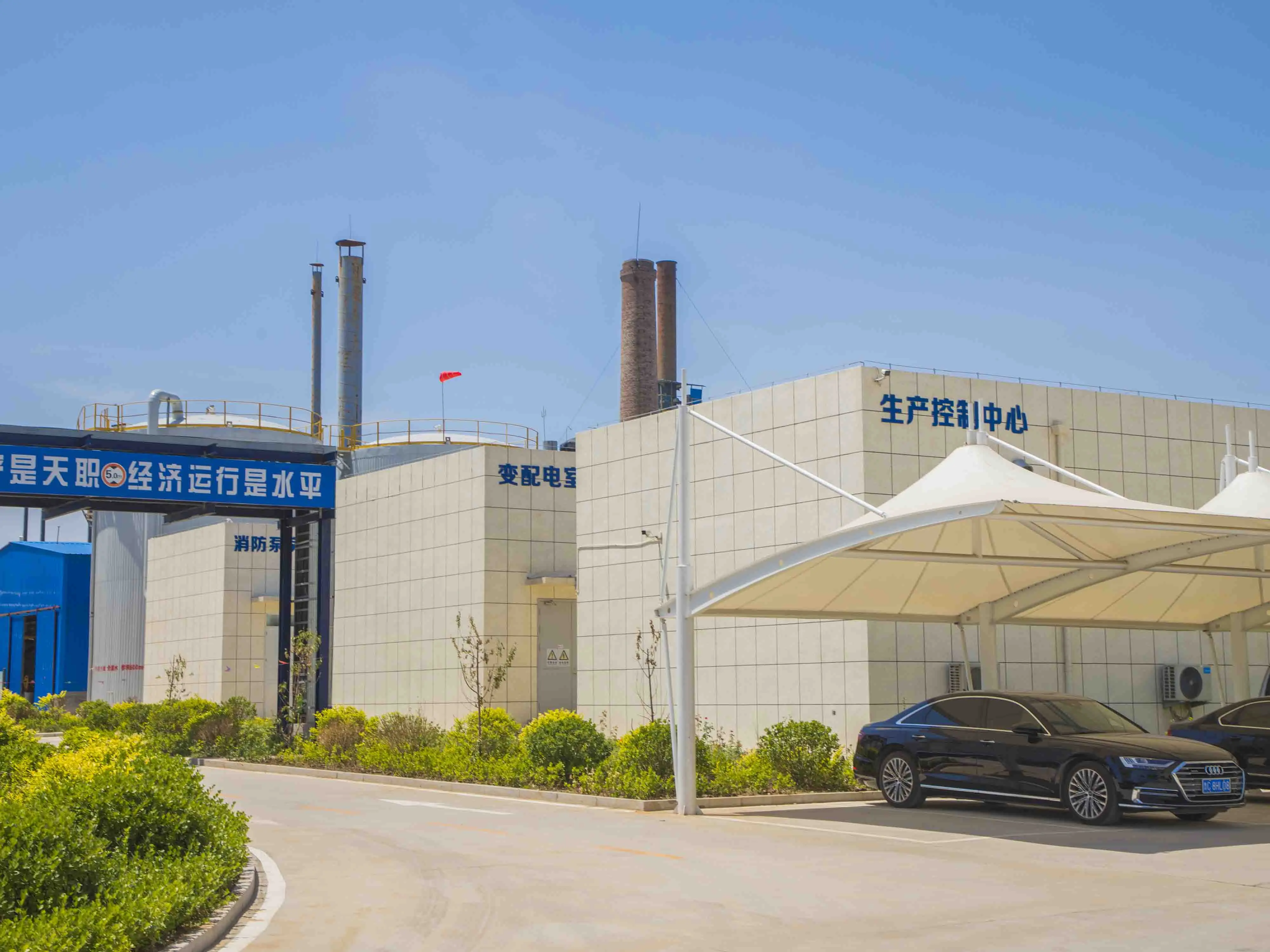
Analyzing how digital integration, automated process loops, and clustered logistics create a superior value proposition for global procurers.
The concept of "China Factory 4.0" is not merely about using robots; it represents a fundamental overhaul of chemical manufacturing via vertical system integration. At Shandong Saier Chemical, this is realized through our Distributed Control Systems (DCS) and integrated ERP frameworks. Every step of our fractional distillation process—from the initial heating of heavy aromatic feedstocks to the multi-stage condensation of narrow cuts—is managed by centralized digital control loops. This guarantees a level of batch-to-batch consistency that manual processing cannot achieve.
Supply chain resilience is further strengthened by Zibo City's status as a major industrial logistics hub. Our close proximity to the ports of Qingdao and Tianjin, combined with direct rail access and dedicated fleet contracts, allows us to dispatch finished solvents in ISO tanks, IBC drums, or bulk vessels within short lead times. Even during peak seasonal demand or regional transport bottlenecks, our integrated storage terminal acts as a reliable buffer, maintaining operations for weeks without interruption.
How our aromatic solvents and fine chemical intermediates function inside key global industrial sectors.
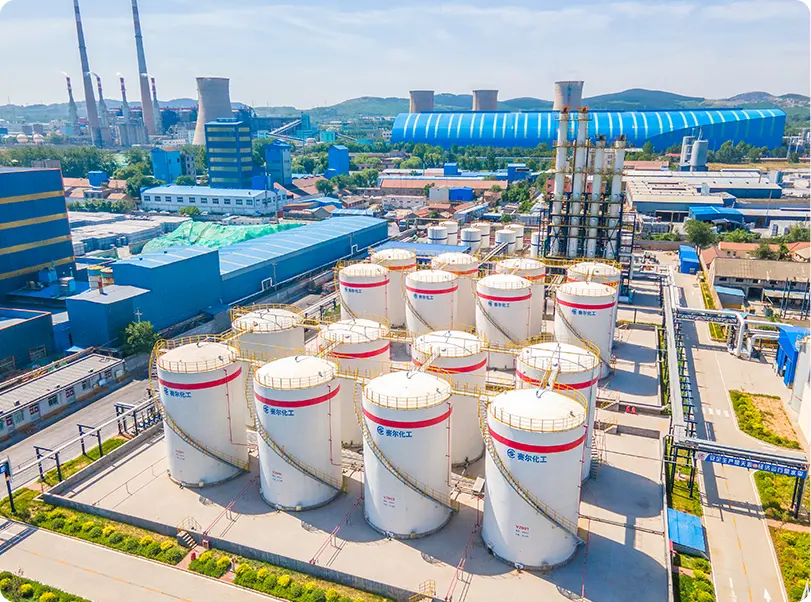
Our low-naphthalene aromatic solvents (S150ND and S200ND) serve as premium inert carriers for emulsifiable concentrates (EC). High active ingredient loading capacity combined with low phytotoxicity profiles ensures crop safety and reliable field performance.
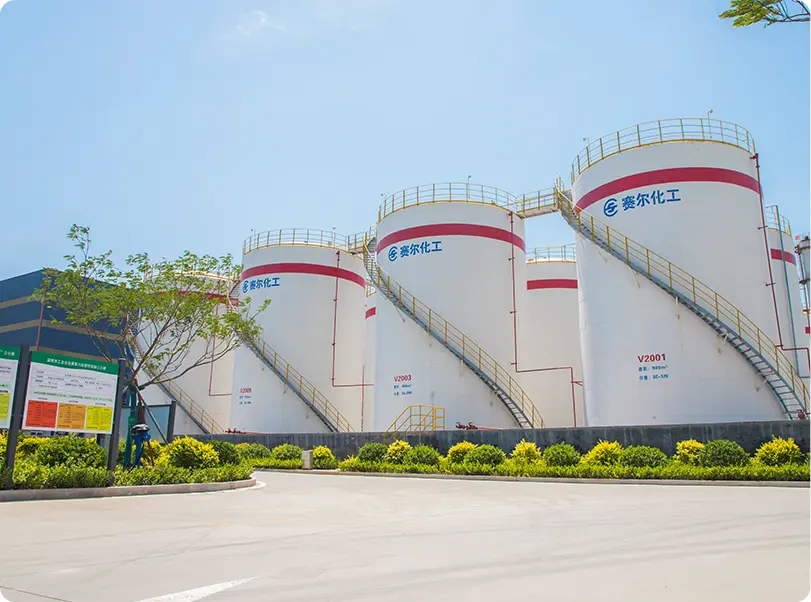
High solvency power (KB value > 90) enables uniform resin dissolution in high-solid automotive primers, marine anti-corrosive paints, and coil coatings. Promotes excellent flow, leveling, and gloss development during heat curing cycles.
Intermediates like Durene, 1,3-Cyclohexanedione, and MIPK serve as synthesis building blocks for pharmaceuticals, polymer additives, and engineering plastics. High chemical purity protects downstream yields.
Understanding the strict parameters that procurement officers must evaluate to minimize supply risk and ensure product safety.
Ensuring compliance with international shipping codes (IMDG). Selecting Aromatic Solvent S100 (Flash point > 40°C) versus S150 (Flash point > 62°C) is critical for matching safety storage classifications at buyer destinations.
Kauri-Butanol values measure relative solvency strength. Standardizing KB values between 90 and 99 ensures our materials dissolve polyurethane, alkyds, and acrylic binders effectively without requiring formula adjustments.
High-end catalytic synthesis demands extremely low levels of organic sulfur (typically below 1-5 ppm). Our hydrodesulfurization processes protect downstream catalysts from contamination and poisoning.
Detailed technical explanations addressing composition, process safety, regulatory compliance, and procurement dynamics.
The differences lie in their distillation ranges, hydrocarbon structures, and physical properties. S100 consists primarily of C9 alkylbenzenes (such as trimethylbenzenes and propylbenzenes) with a boiling range of 160°C to 180°C and a flash point above 40°C. S150 is rich in C10 aromatics with a distillation window of 180°C to 210°C and a flash point above 62°C. S200 contains C11-C12 di- and tri-methylnaphthalenes and other heavier aromatic structures, boiling between 230°C and 290°C with a flash point exceeding 100°C. Each corresponds to different evaporation rate requirements in industrial systems.
Achieving naphthalene-depleted (ND) statuses requires precise multi-column fractional distillation. Our facility utilizes a series of continuous vacuum rectification columns with high stage counts. Because naphthalene has a boiling point of 218°C, which sits very close to the boiling points of higher alkylbenzenes, we carefully manage column temperature profiles and reflux ratios. This allows us to separate the naphthalene-rich cut from the solvent stream, bringing the final concentration below 1000 ppm (0.1%) while keeping the total aromatic content above 99%.
L-QC320 heat transfer oil is formulated using deeply refined base stocks blended with high-performance thermal stability additives. It offers a high bulk temperature limit of 320°C, high thermal conductivity, and outstanding resistance to thermal cracking and oxidation. This prevents carbon sludge build-up on heat exchanger tubes, maintaining high system efficiency and reducing downtime in paint, polymer, and food manufacturing plants.
By working closely with majors like Sinopec, PetroChina, and ChemChina, we secure consistent supply allocations of raw reformates. This structural integration shields us from spot-market supply shocks, allowing us to guarantee our global buyers long-term volume availability and more predictable pricing models compared to independent processors.
Browse our extended catalog of aromatic solvents, synthesis intermediates, and specialized manufacturing chemicals available for wholesale distribution.
 Saier Chemical