High-purity organic intermediates, specialized chemical solvents, and L-QC320 grade heat transfer oils optimized for high-temperature closed-loop configurations.
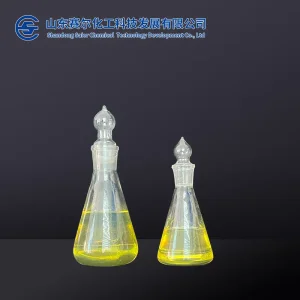
The demand for high-performance heat transfer oils (also referred to as thermic fluids or thermal fluids) in the United States is experiencing robust growth. Driven by the expansion of chemical processing facilities, industrial manufacturing, concentrated solar power (CSP) generation, and the food processing sector, US operators seek products that offer superior thermal stability, reduced carbon fouling, and extended fluid lifetimes.
Thermal fluids play a vital role in indirect heating systems where uniform temperature control is critical. Unlike direct heating methods, indirect heat transfer systems utilizing oils such as the L-QC320 grade prevent hot spots, enhance operational safety, and dramatically lower overall energy consumption. Across key industrial belts—including Texas, Louisiana, and the Midwest—thermal fluid integrity is heavily regulated under ASTM standards and OSHA safety guidelines.
On a global scale, the industrial market demands strict conformance with standardized heat transfer oil specifications. High-temperature applications typically operate in closed-loop, non-pressurized systems. Fluids designed for these systems must meet specific operational parameters categorized by their maximum bulk temperature and maximum film temperature limits.
Refined paraffinic or naphthenic mineral oils suitable for operating temperatures from -10°C up to 320°C (such as L-QC320). Highly cost-effective with excellent heat transfer coefficients.
Alkylated aromatics and polyalphaolefins (PAO) designed to withstand severe environments from -50°C up to 350°C. Resists thermal cracking and oxidation longer than mineral alternatives.
Commonly implemented in pharmaceutical batch processing and low-temperature refrigeration loops. Non-toxic formulas are ideal for food-grade environments.
Understanding the molecular degradation pathways is critical for plant engineers. Over time, thermal fluids undergo thermal cracking (where high temperatures break larger hydrocarbon molecules into smaller, volatile compounds, lowering the flash point) and oxidation (where contact with air produces acidic sludges and polymers that coat heat exchanger surfaces). Sourcing fluids from reputable global factories with strict Quality Control certifications ensures that the base stock and additive chemistry resist these degradation pathways effectively.
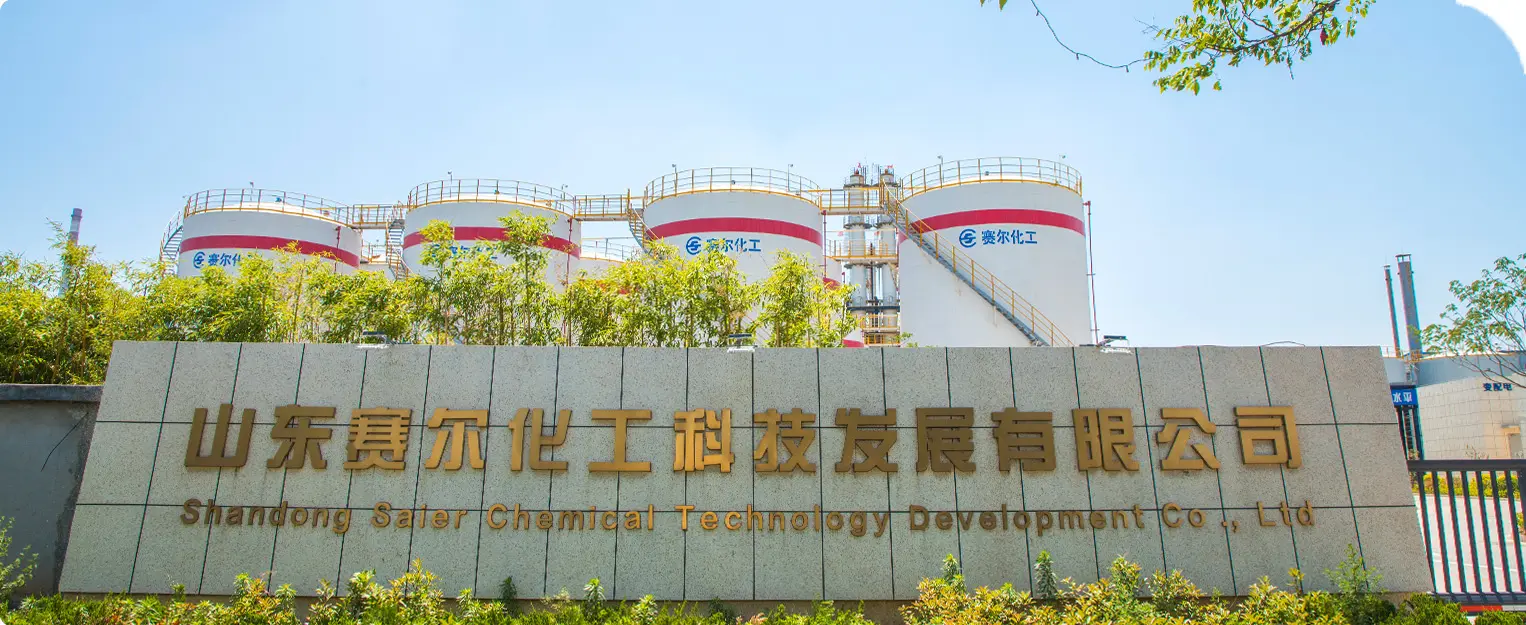
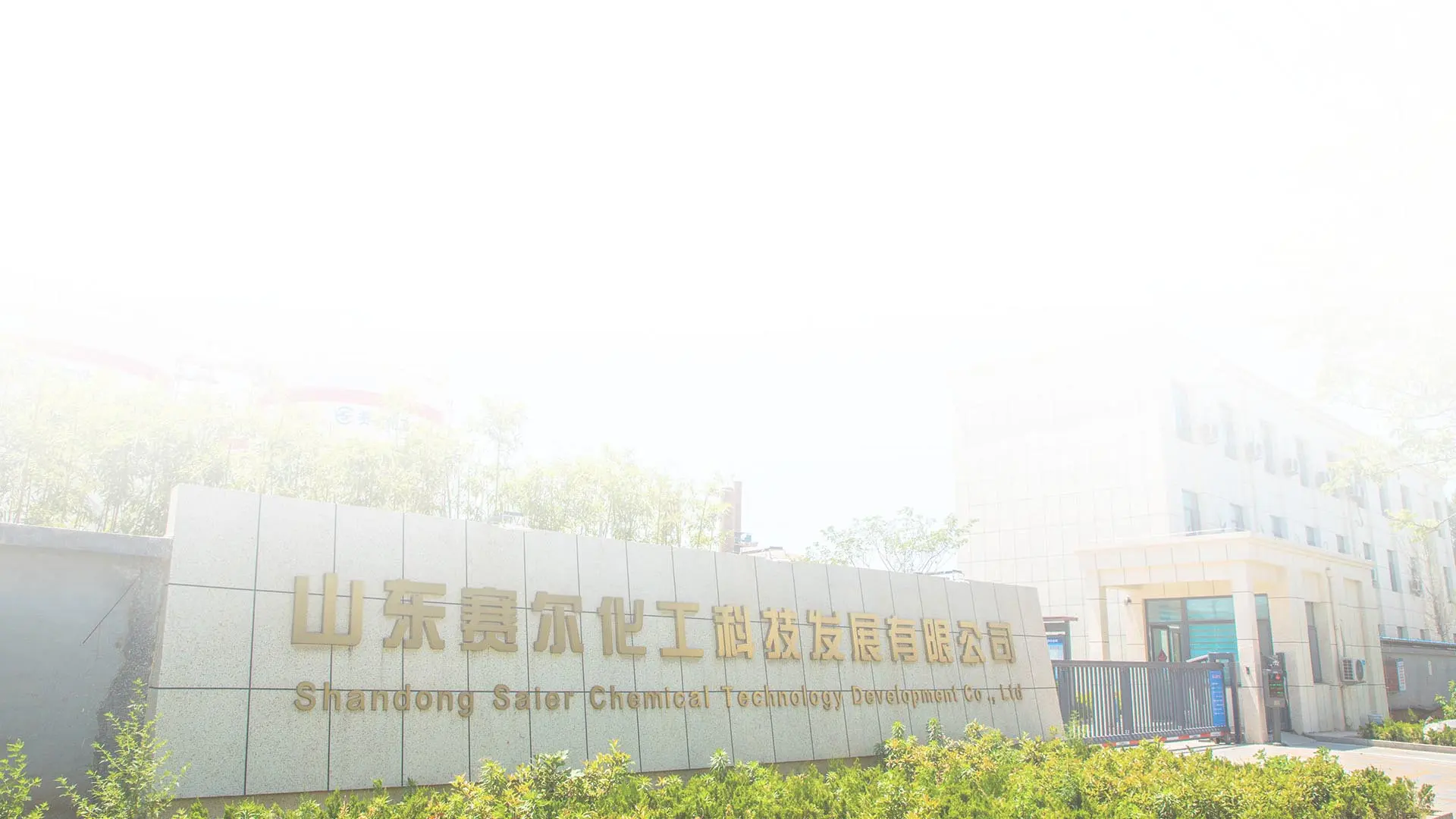
Founded in December 2004, Shandong Saier Chemical Technology Development Co., Ltd. has embarked on an impressive journey. Situated at No.207, WeiLiu Road, Qilu Chemical Industrial Park, Linzi, Zibo City, Shandong Province, the company has continuously evolved and thrived in the highly competitive chemical industry.
In its early stages, with a registered capital of 60 million yuan, the company laid a solid financial foundation. Initially, it focused on the production of basic chemical products. The initial product lineup included environmentally friendly high-boiling aromatic solvents (Solvent naphtha, TOPSOL, KOCOSOL, Aromatic Hydrocarbon, TOLUENE AROMATIC HYDROCARBON, NAFTA DISOLVENTE SOLVESSO) such as S-100, S-150, S-150ND, S-180 and S-200, Heat transfer oils L-QC320, and other main intermediate products along with products like durene, PVC plasticizers, thiophene, 1,3-Cyclohexanedione, MIPK, TMOF, TMOA, HPA, and TMG.
These high-quality raw materials were mainly sourced from major refineries and aromatic plants such as Sinopec, PetroChina, ChemChina, Zhejiang Petrochemical, and Hengli Petrochemical. By leveraging these reliable raw material sources, the company has been able to ensure product quality from the start. At that time, the production capacity reached 720,000 tons per year, and the products were sold in domestic markets including Beijing, Shanghai, Tianjin, Hebei, Shandong, and Henan, as well as to Sinopec and PetroChina. Today, the facility is fully capable of serving global markets, including regions such as North America, Europe, Asia, and Southeast Asia.
As the years passed, Shandong Saier Chemical Technology Development Co., Ltd. recognized the importance of innovation and technological advancement. It began to invest significantly in research and development. The company aimed to improve production efficiency, enhance product quality, and develop more environmentally friendly products. For instance, in response to the growing demand for energy-saving and environmentally friendly products in the market, the company started to optimize its production processes. It explored new production technologies to reduce energy consumption and waste generation. This led to the company's recognition as a national high-tech enterprise, which brought both policy support and enhanced its brand image in the industry.
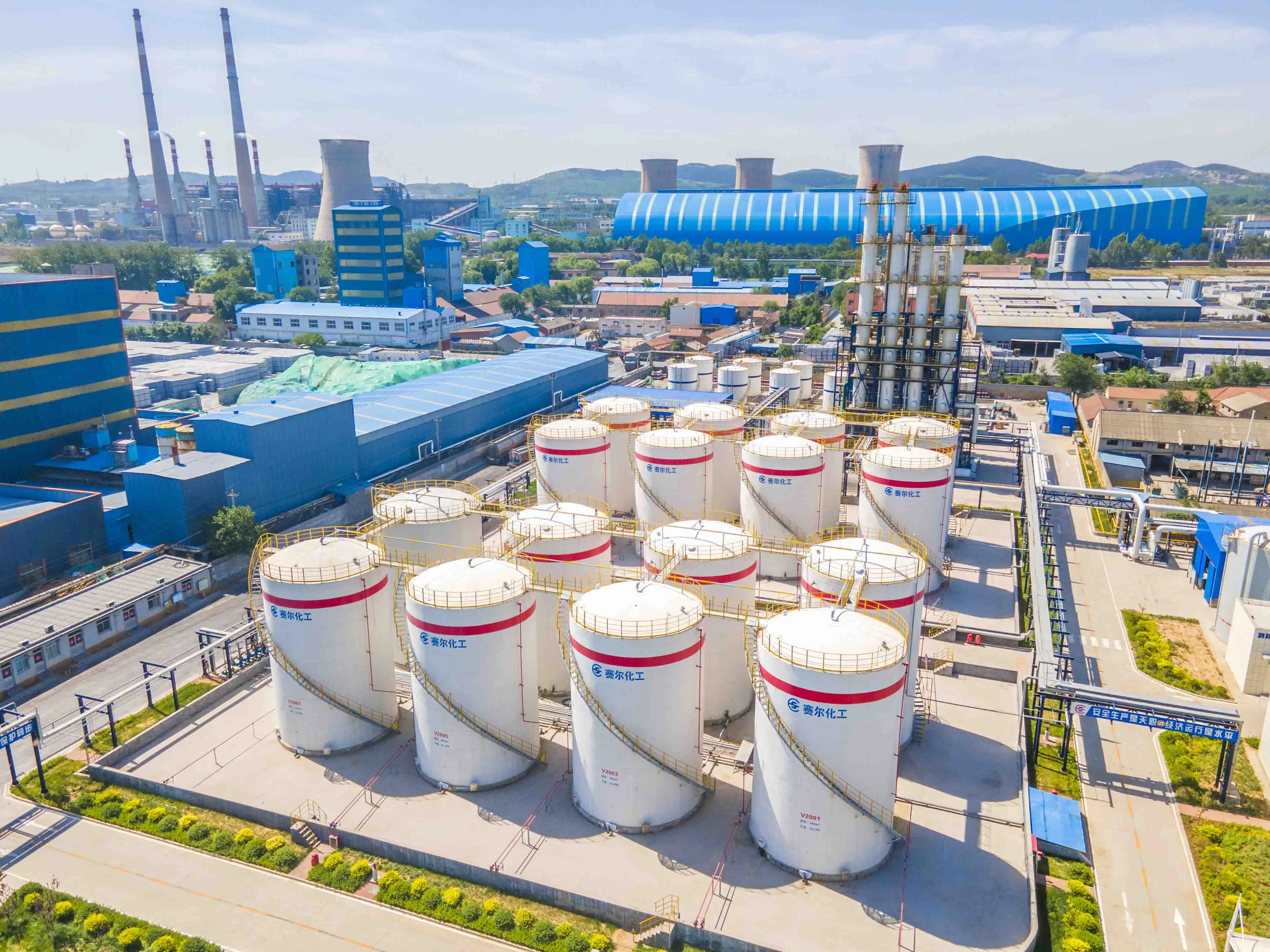
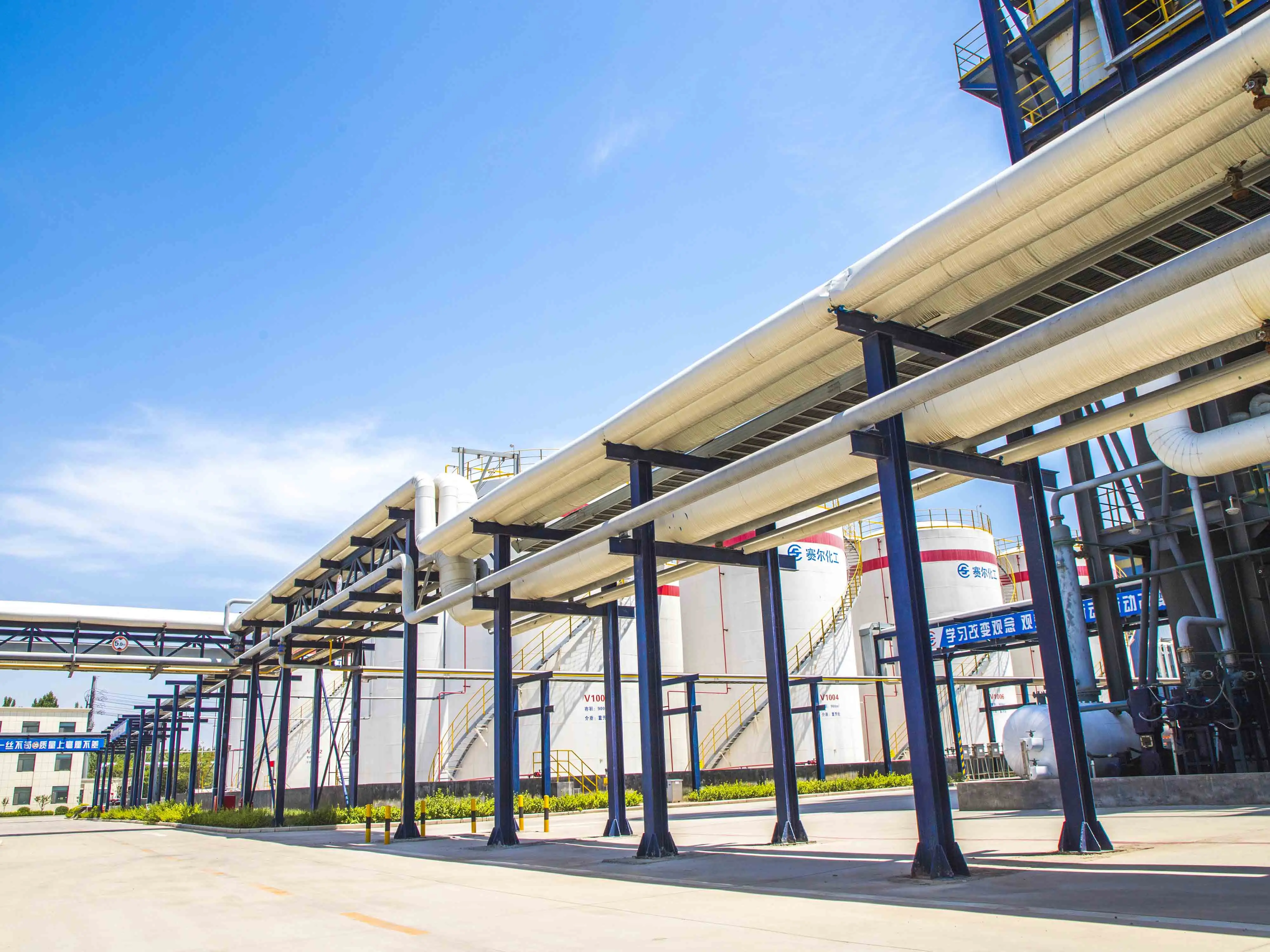
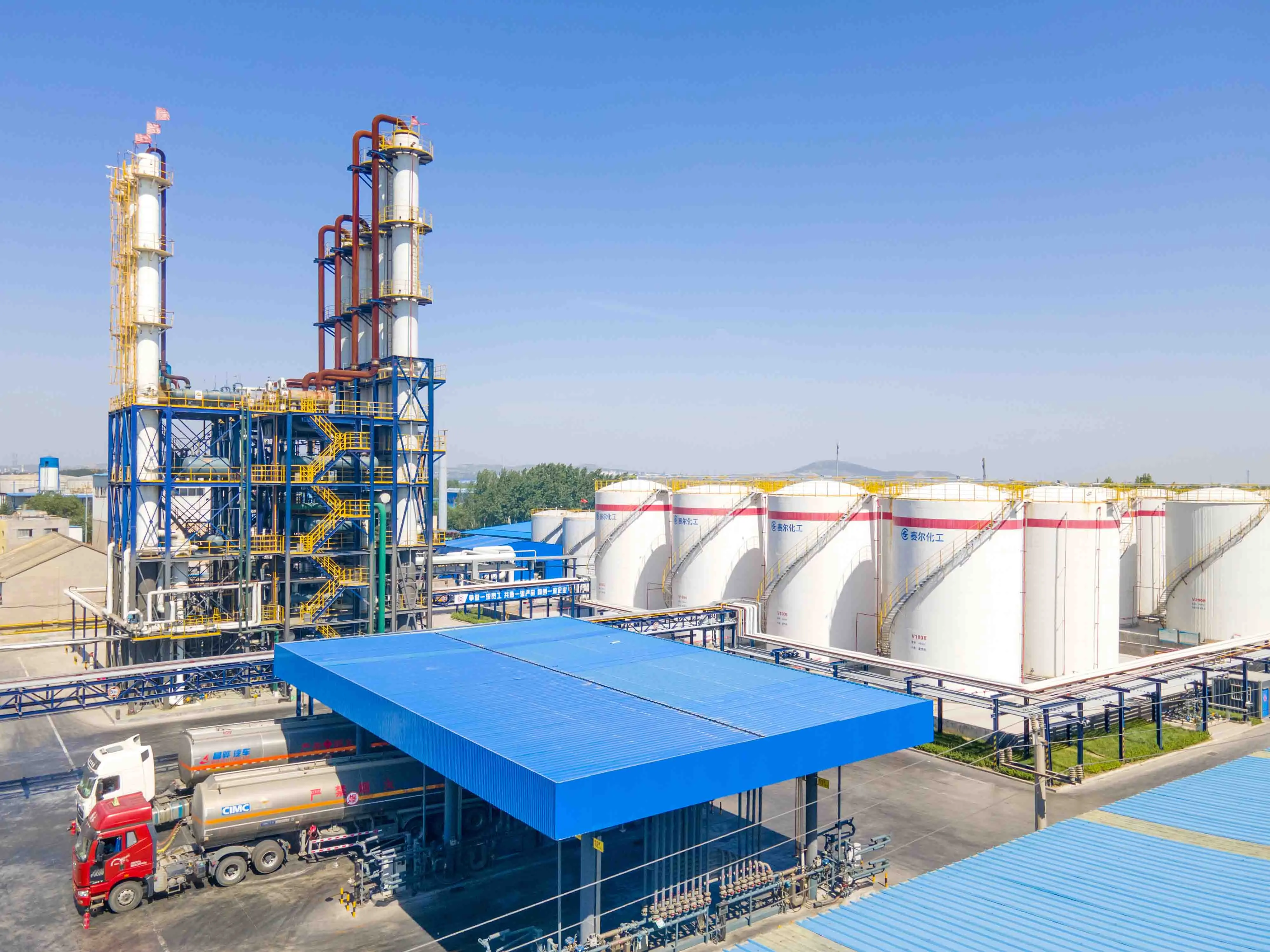
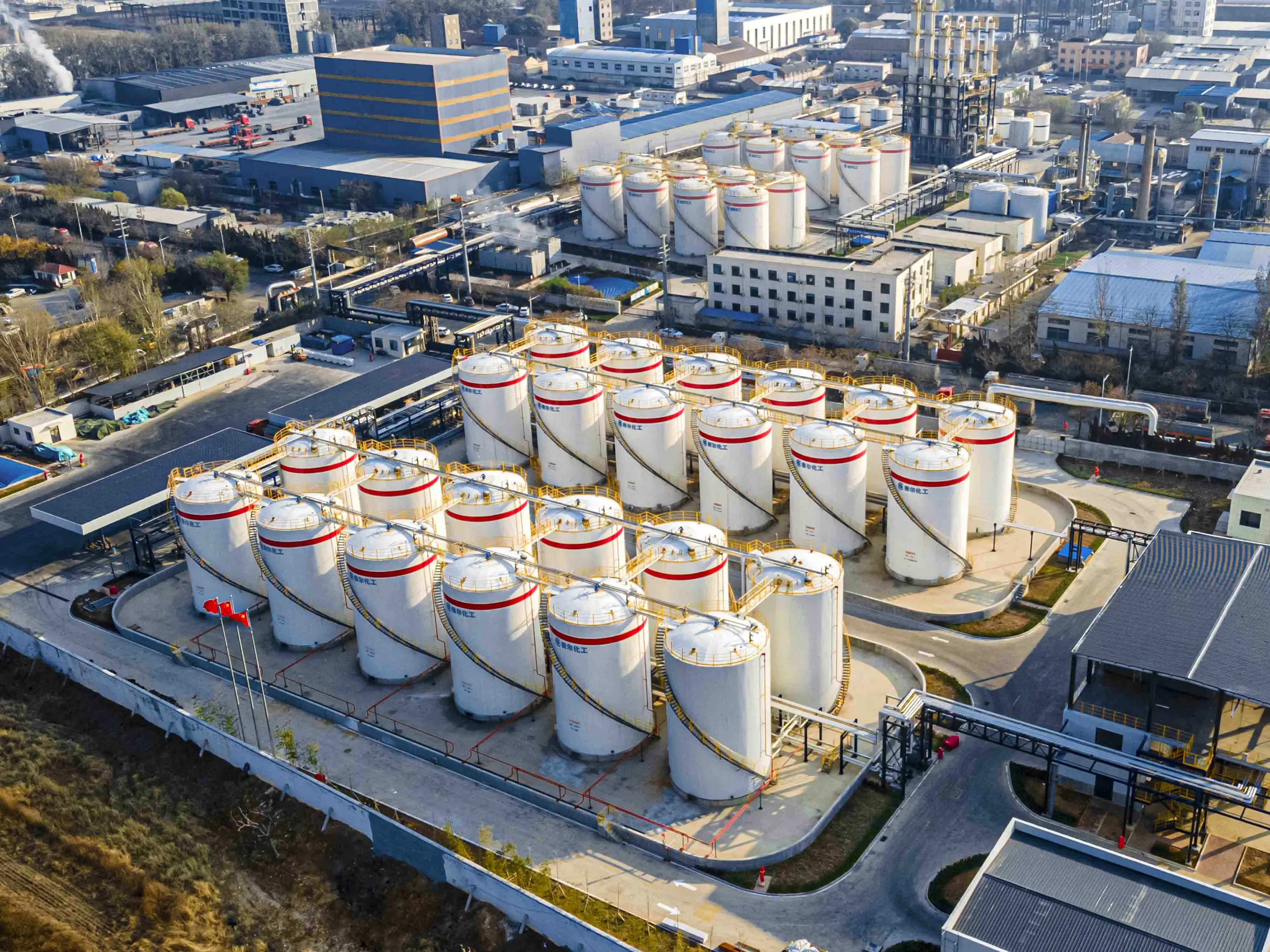
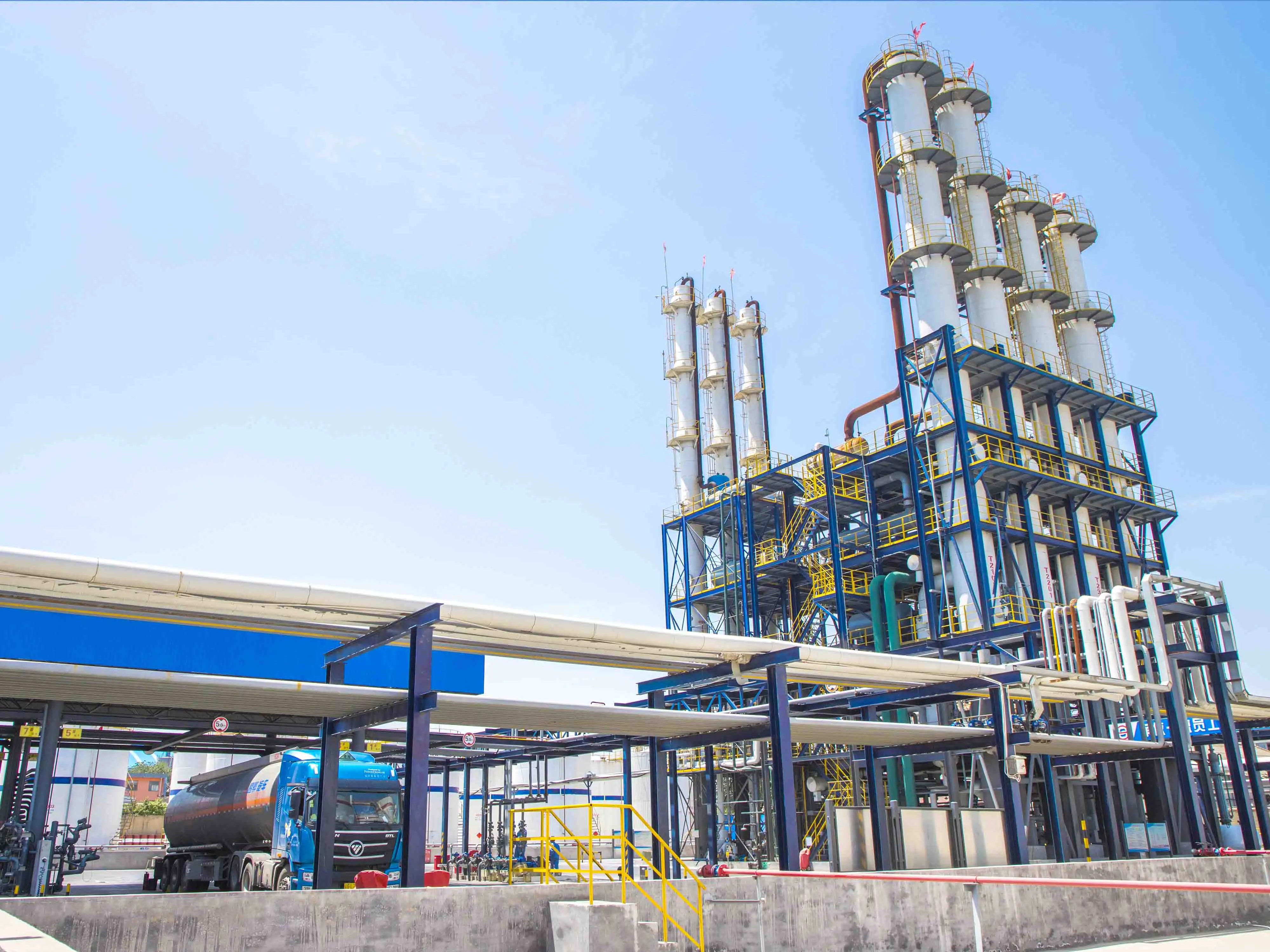
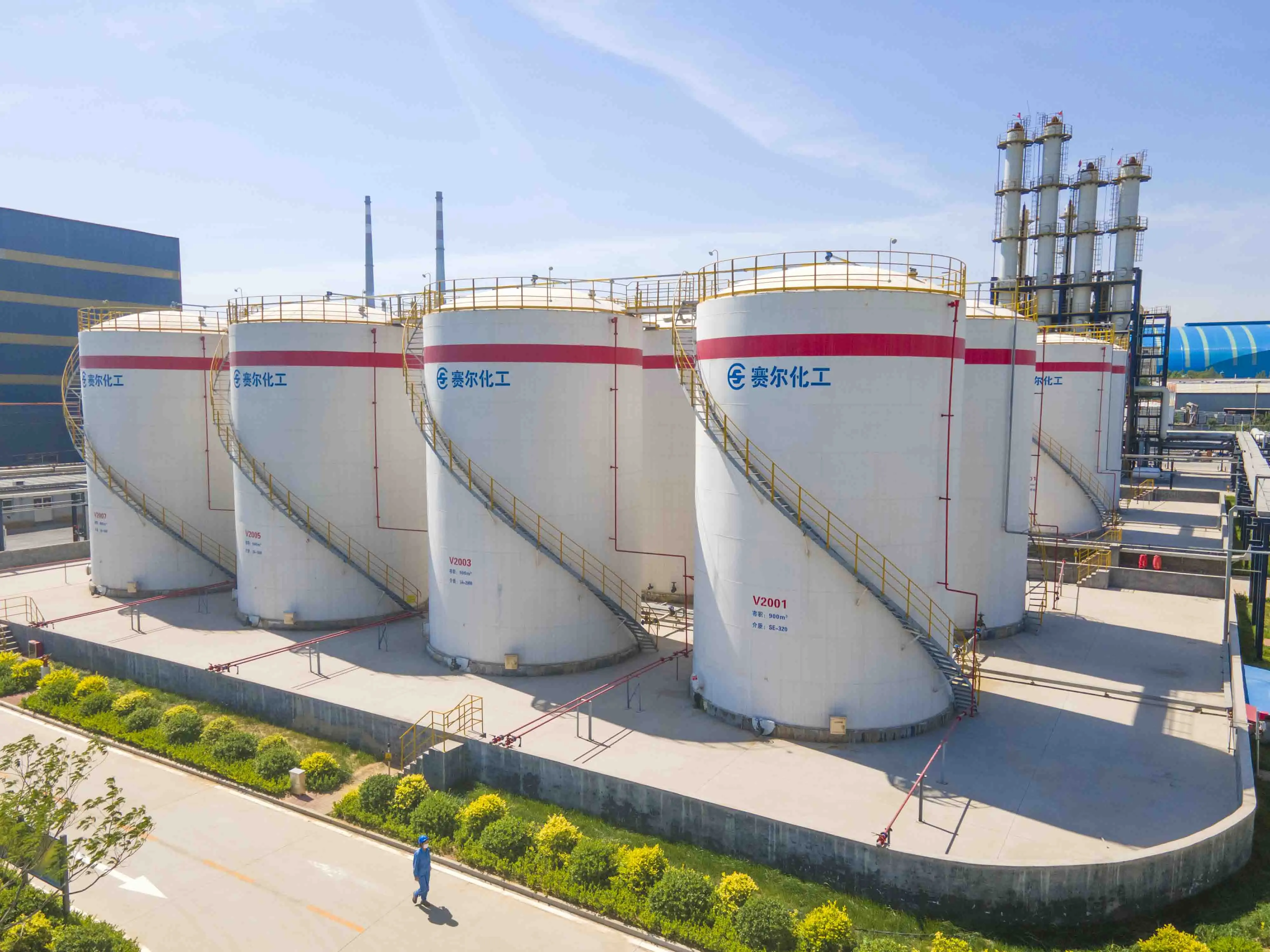
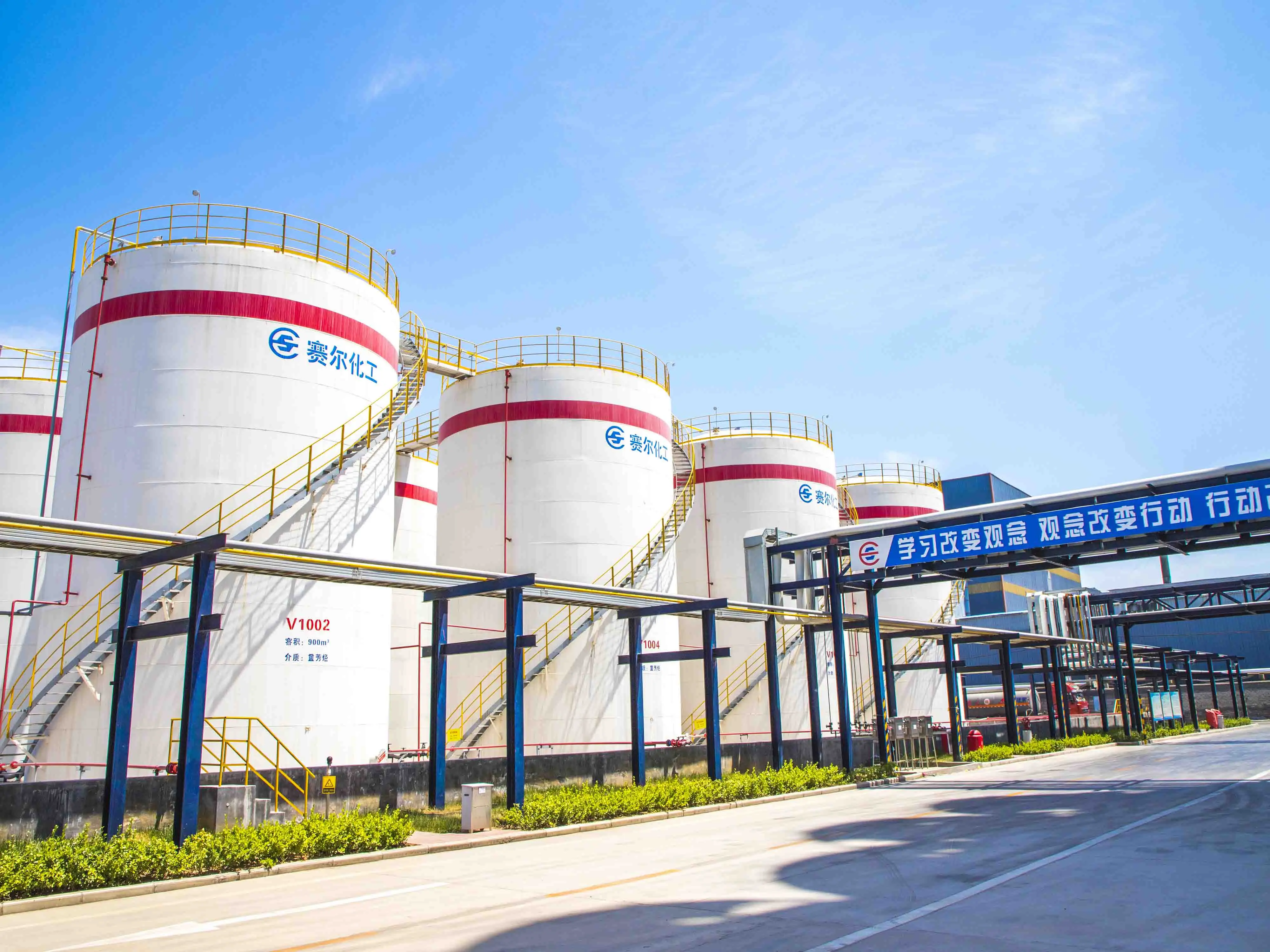
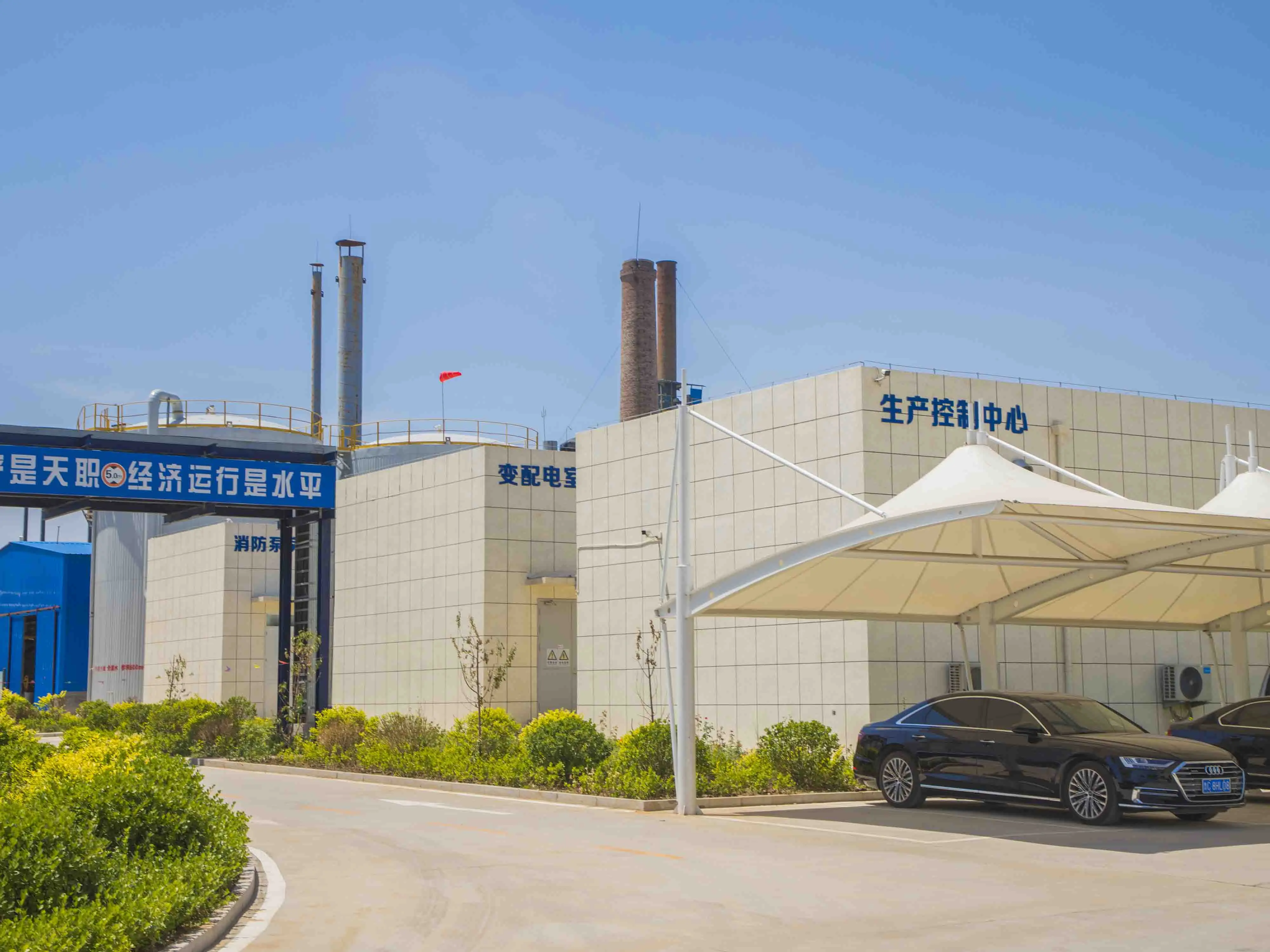
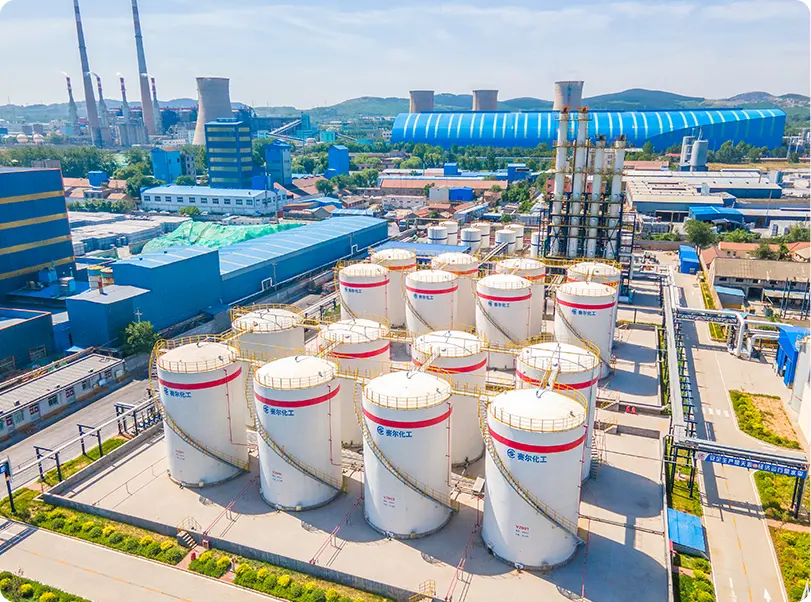
Industrial thermal oils must be selected according to specific applications. Below are the key scenarios across United States manufacturing plants where Shandong Saier’s range of high-efficiency fluids provides maximum economic value:
From reactors in Texas Gulf Coast petrochemical plants to specialty organic synthesis in New Jersey, stable heat transfer oils like the L-QC320 maintain uniform temperature profiles to preserve batch yield and avoid hazardous thermal excursions.
Asphalt terminals require continuous heating loops operating between 150°C and 200°C. S-150 and L-QC320 series provide outstanding thermal endurance, low vapor pressure, and non-corrosive characteristics in carbon steel piping.
Industrial baking ovens, deep frying systems, and deodorization lines utilize indirect thermal loops. Operating with certified non-toxic heat transfer fluids ensures zero toxic residue risk while optimizing heat exchange rates.
L-QC320 thermal fluid is formulation-engineered with highly refined paraffinic base oils combined with proprietary high-performance antioxidants. Under ASTM testing methods, it demonstrates a high autoignition temperature (>350°C), low pour point (-15°C), and exceptional specific heat capacity (2.2 kJ/kg·K at 200°C). This allows system designers to minimize heat exchanger surface areas and reduce pump energy consumption. By resisting cracking and oxidation, L-QC320 maintains system efficiency and prevents the formation of insulative carbon deposits inside heating coils.
As the industrial sector shifts toward decarbonization, modern thermal fluid systems must evolve. Sustainable solutions demand energy-efficient operations with minimal carbon footprints. The next generation of thermal fluids focuses heavily on the following advancements:
Shandong Saier Chemical’s R&D department is working alongside global petrochemical institutes to pioneer low-carbon aromatic solvents and synthetic thermal oils. Our objective is to deliver fluids that provide extended operational lifetimes while remaining fully compliant with upcoming US EPA regulations and international environmental directives.
Technical insights on selection, maintenance, safety, and operational longevity of industrial thermal fluids.
Our high-purity chemical range includes aromatic solvents, fine chemical intermediates, and specialized compounds optimized for diverse industrial processes.
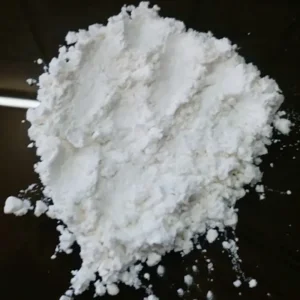
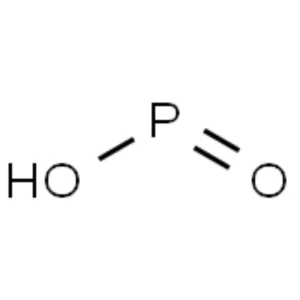
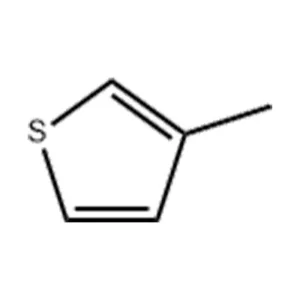
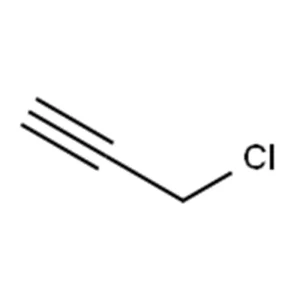
Looking for other chemical products? Check out our Sodium Hypophosphite CAS:7681-53-0, Sodium Dimethyldithiocarbamate CAS:128-04-1, Thiophene CAS:110-02-1, and 4-Nitrobenzoic Acid CAS:62-23-7.
Contact our chemical engineering team to receive detailed technical datasheets, SDS documentation, and project-specific pricing proposals.
 Saier Chemical