Explore our selection of premium aromatic solvents, heat transfer media, and high-purity chemical intermediates produced to exact global standards.
In modern industrial chemistry, heavy aromatic solvents occupy a critical role as structural formulation bases. Arosol 200, widely recognized under the industrial classification of Aromatic Solvent S200 (CAS No. 64742-94-5), is a high-performance hydrocarbon mixture dominated by C10-C13 aromatic compounds. It stands out in complex chemical applications due to its high boiling point range, low volatility, exceptionally high solvency power, and elevated flash points, making it a reliable carrier system in agricultural, coating, and cleaning applications.
This industry report acts as a definitive procurement guide for commercial buyers seeking to establish reliable manufacturer relationships in China. By analyzing the engineering parameters of Arosol 200, its local supply chain infrastructure within key economic zones, environmental safety configurations (including low-naphthalene standards), and global logistics pathways, we provide searchers with high-level technical accuracy and practical insights.
Arosol 200 falls under the classification of Solvent Naphtha (petroleum), heavy aromatic. This category contains hydrocarbon blends consisting primarily of aromatic hydrocarbons having carbon numbers predominantly in the range of C10 through C13 and boiling in the range of approximately 230°C to 290°C (446°F to 554°F). Under global harmonization standards, it is recognized for high-performance solvating stability.
Understanding the exact physical-chemical characteristics of heavy aromatic solvents is necessary to ensure the formulation stability of agricultural emulsifiable concentrates (EC), specialized industrial coatings, and oilfield surfactant packages. The table below represents standard operational tolerances for high-purity S200 batches compared alongside its counterpart, S150.
| Analytical Property | Arosol 200 (S200 Standard) | Aromatic Solvent S150 ND | Test Methodology Reference |
|---|---|---|---|
| CAS Number | 64742-94-5 | 64742-94-5 | IUPAC Standard Registry |
| Distillation Range (°C) | 230 – 290 | 180 – 210 | ASTM D86 / ISO 3405 |
| Flash Point (PMCC, °C) | ≥ 100 | ≥ 62 | ASTM D93 / ISO 2719 |
| Aromatic Content (vol%) | ≥ 99.0 | ≥ 99.0 | ASTM D1319 / GC-FID |
| Density at 15°C (g/cm³) | 0.980 – 1.010 | 0.890 – 0.910 | ASTM D4052 |
| Naphthalene Content (wt%) | < 1.0 (ND Standard available) | < 1.0 (Non-Detect grade) | GC-MS Analysis |
| Water Content (ppm) | < 500 | < 500 | Karl Fischer (ASTM E1064) |
Understanding the operational scale of your chemical manufacturing partner is essential for business continuity and risk mitigation. Founded in December 2004, Shandong Saier Chemical Technology Development Co., Ltd. represents a cornerstone of industrial aromatic distillation and fine chemical synthesis in China.
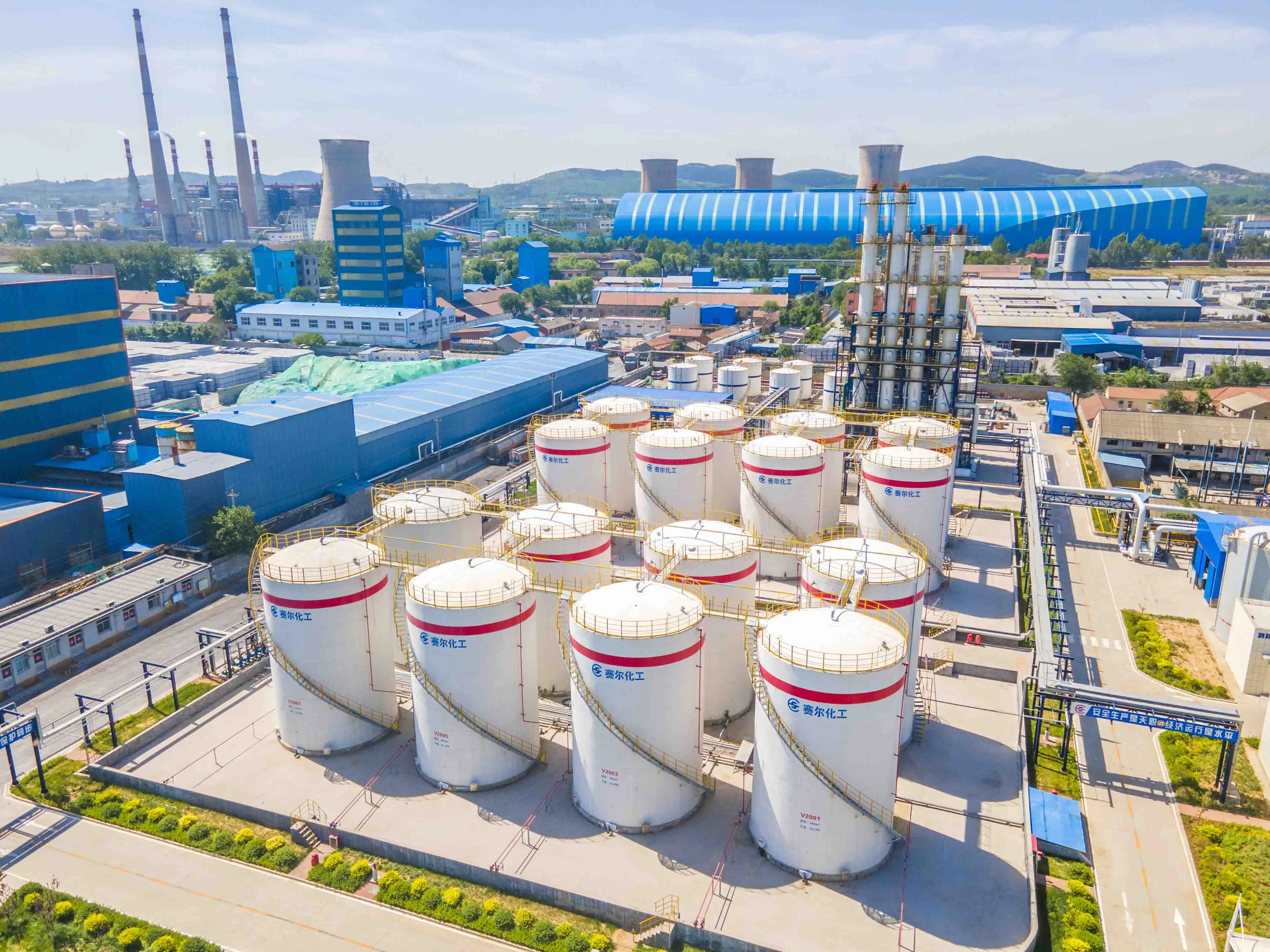
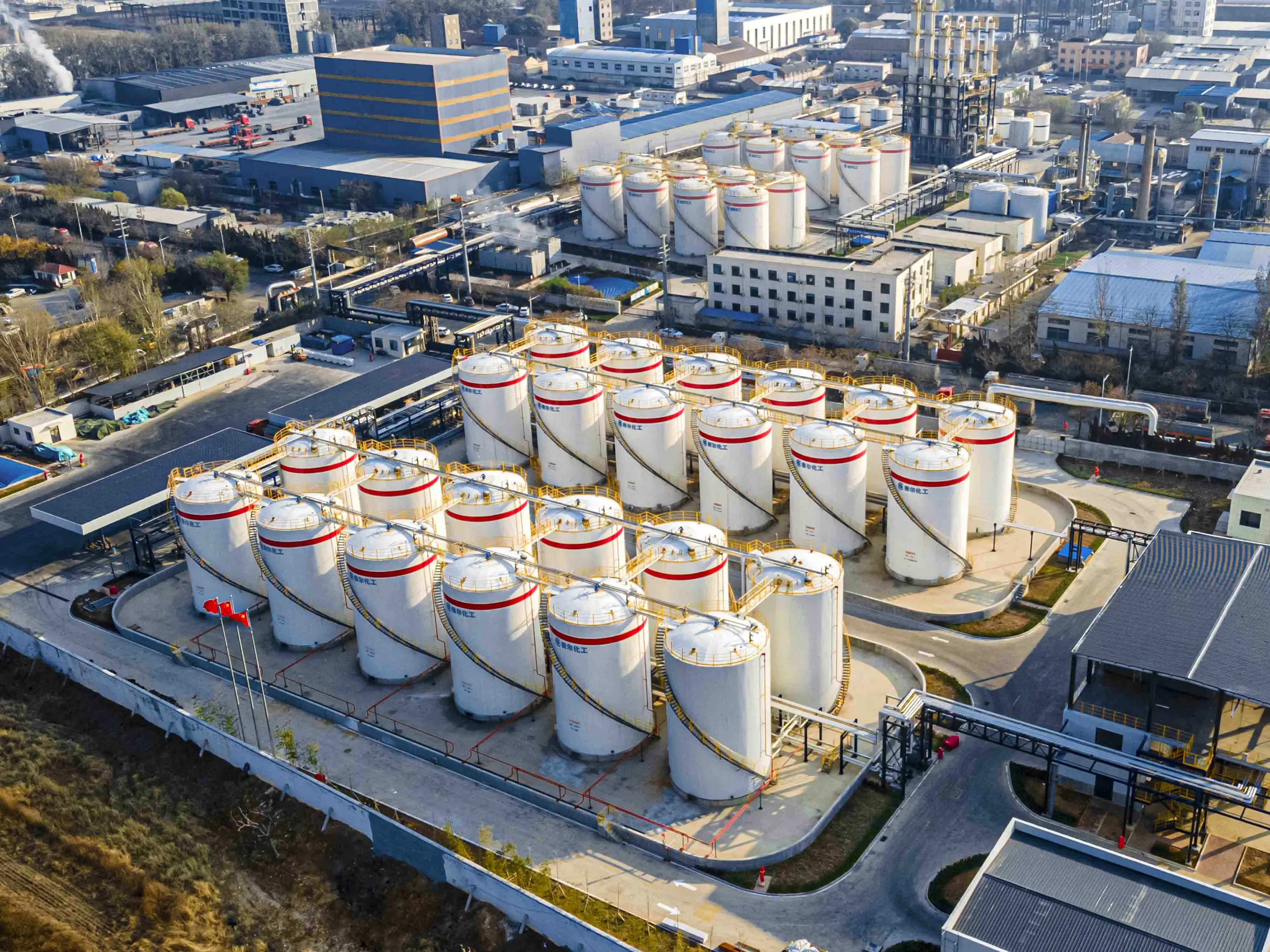
Strategically situated at No.207, WeiLiu Road, Qilu Chemical Industrial Park, Linzi, Zibo City, Shandong Province, our manufacturing facility benefits from direct integrations with regional petrochemical infrastructure. The facility utilizes feedstock directly sourced from Tier-1 petrochemical hubs including Sinopec, PetroChina, ChemChina, Zhejiang Petrochemical, and Hengli Petrochemical, ensuring a reliable chain of custody for chemical feedstocks.
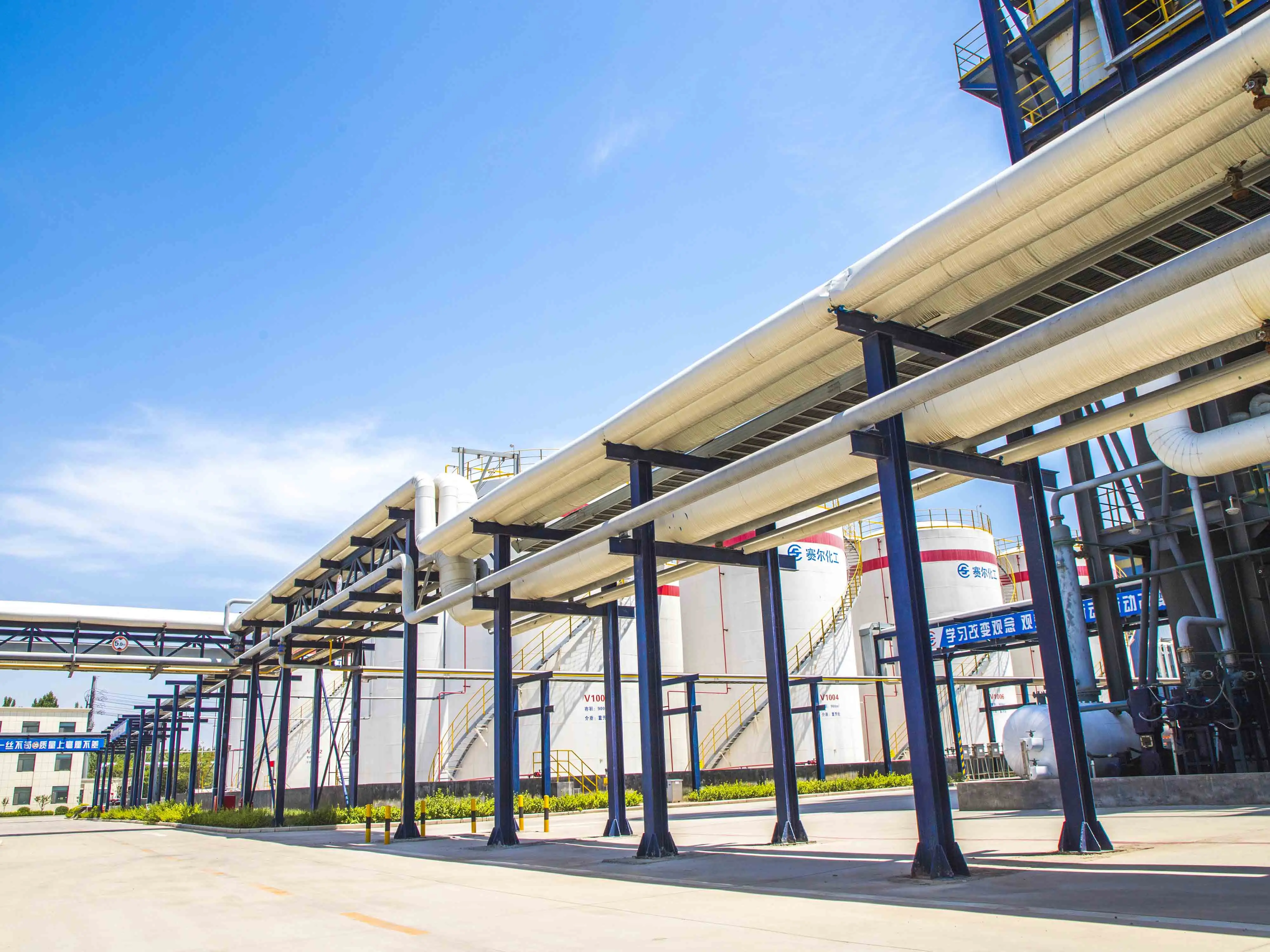
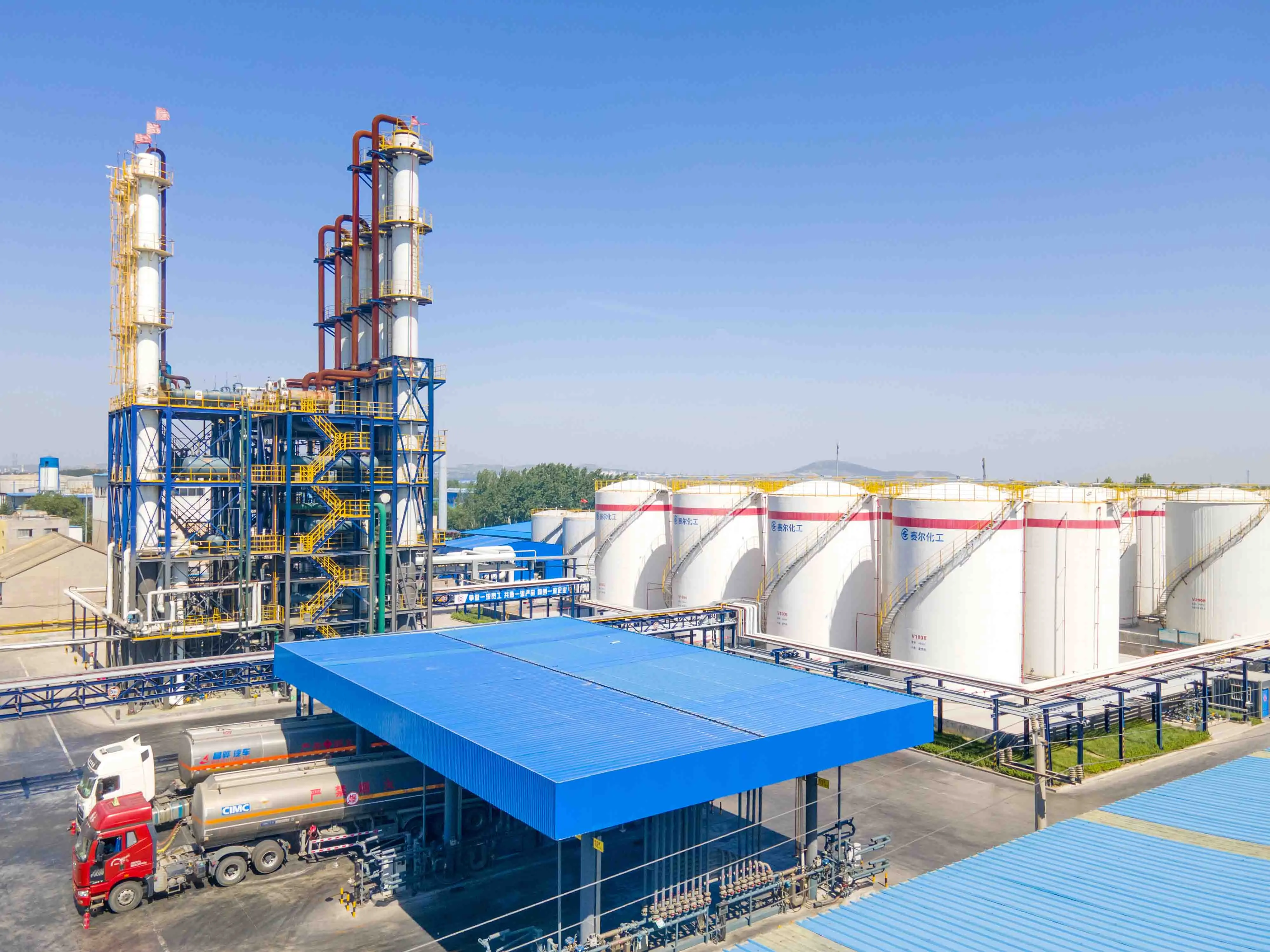
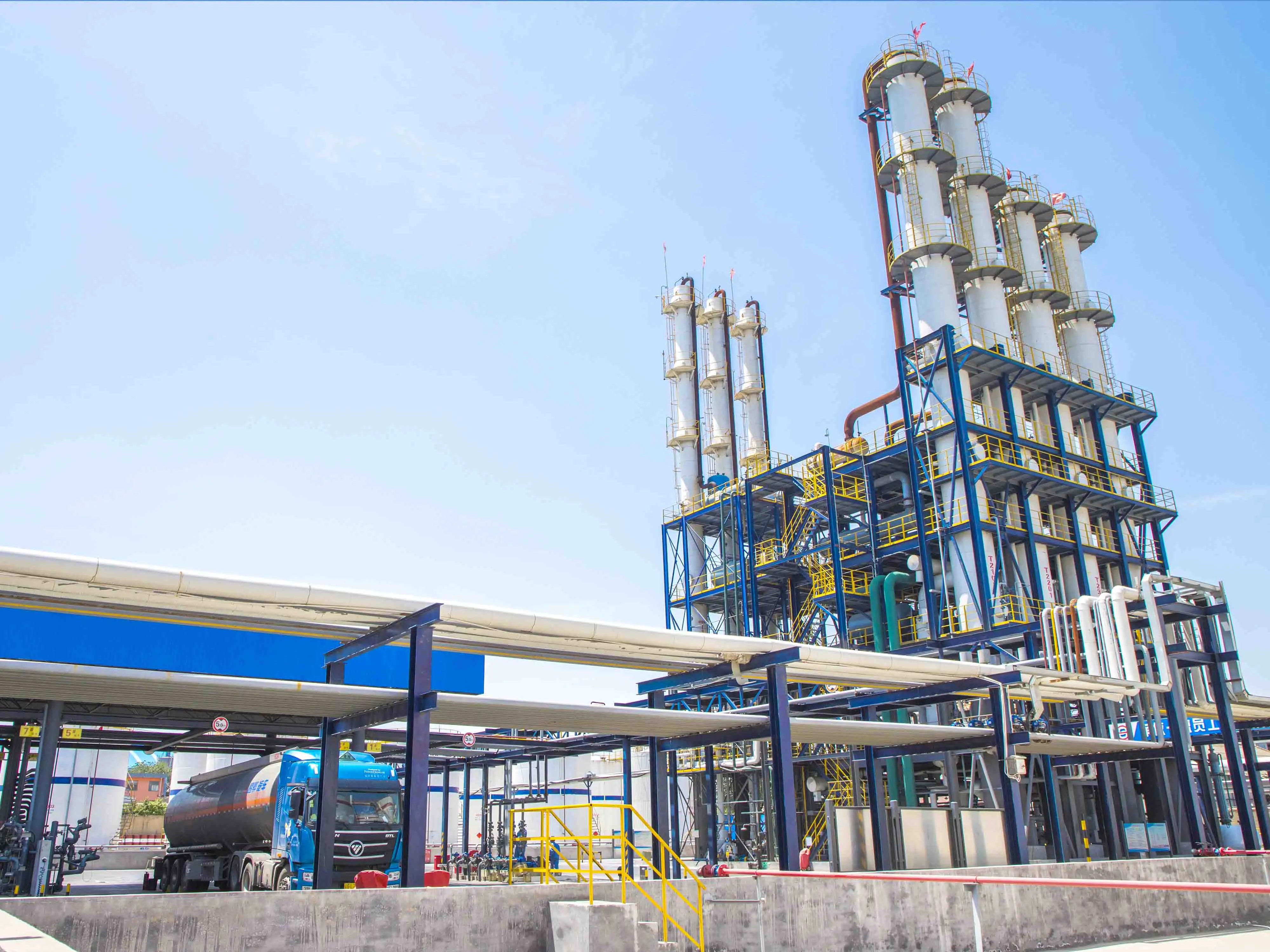
Through continuous capital investments, Shandong Saier Chemical has expanded its industrial capabilities to encompass two specialized manufacturing segments: Aromatic Solvent Series (TOPSOL / Naphtha / Arosol) and Fine Chemical Intermediates. Our standard refinement setup incorporates high-efficiency fractional distillation columns capable of maintaining precise cut temperatures, resulting in low-naphthalene variants of high-boiling aromatic solvents that comply with stringent European and American environmental mandates.
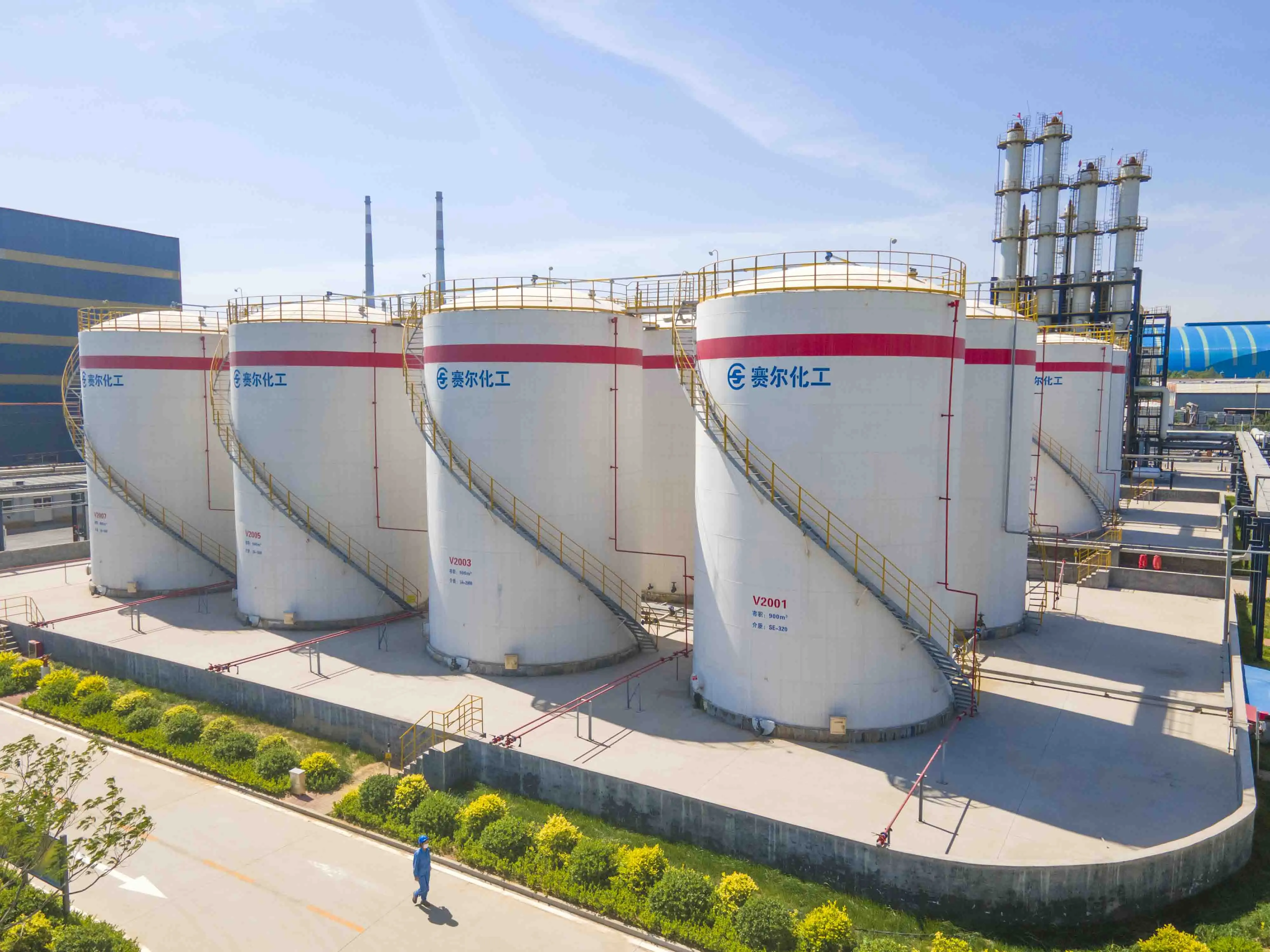
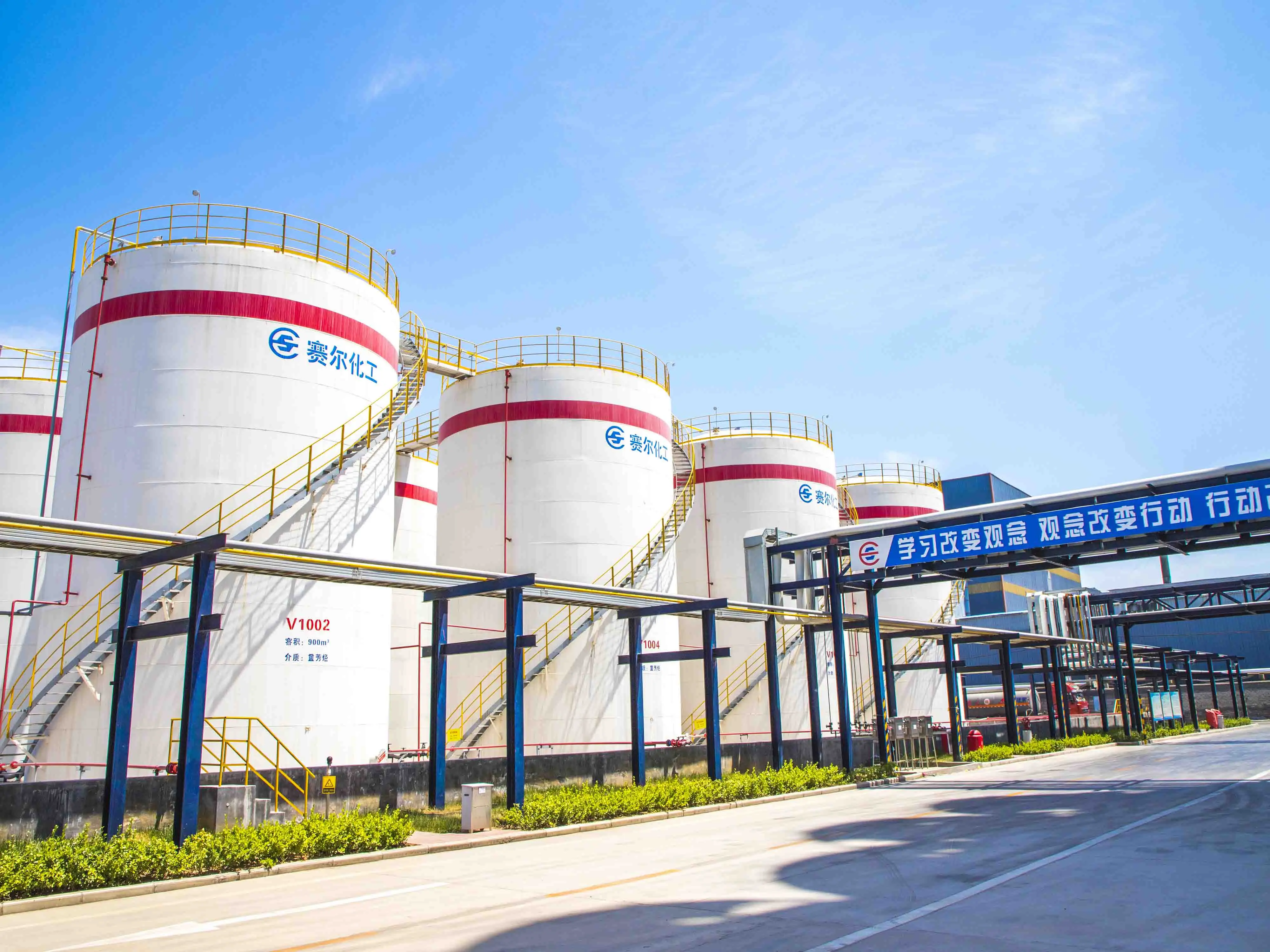
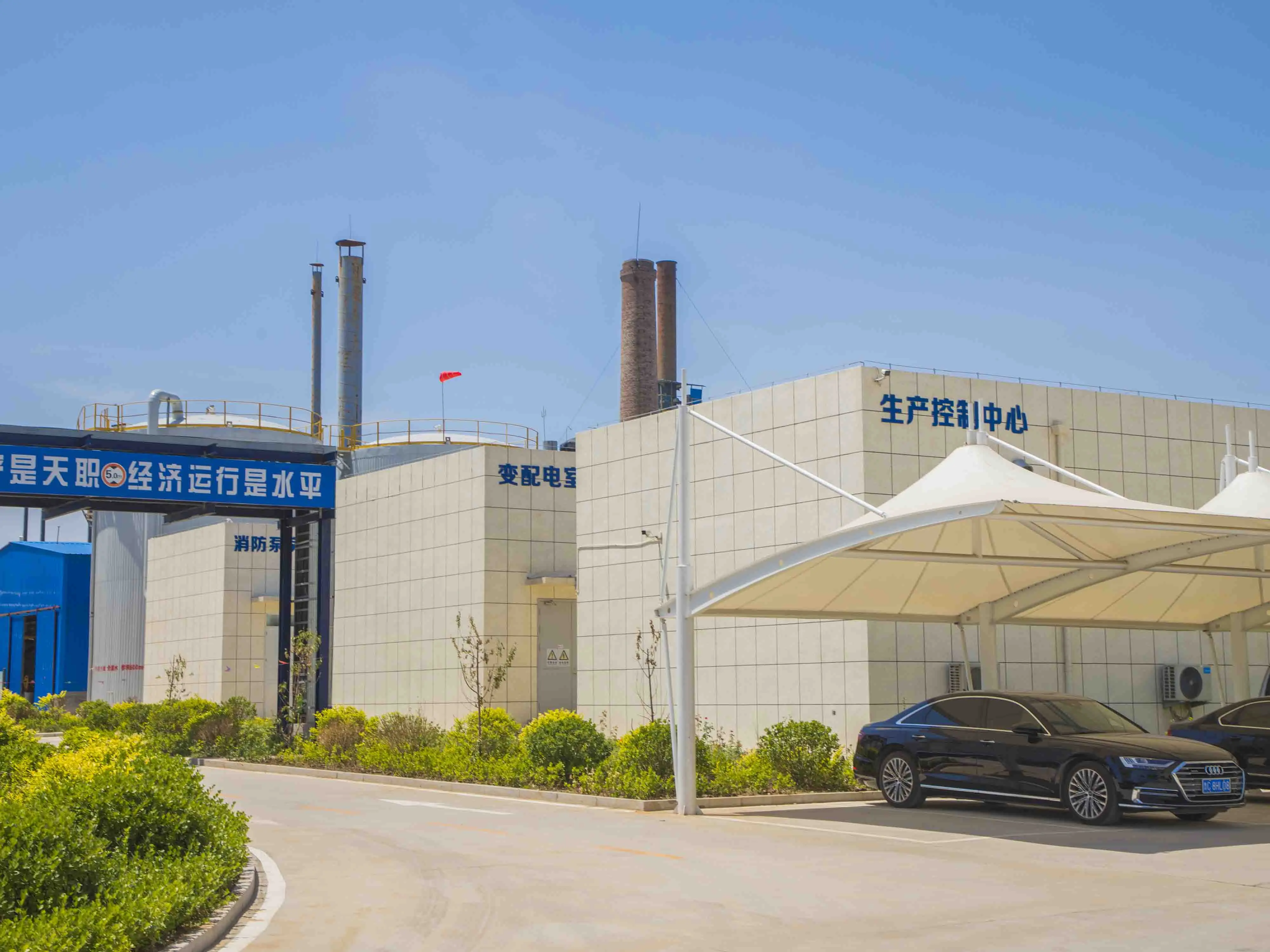
Below are authentic captures of our operating production base, technical administrative office complexes, and compliance-driven production lines located inside the Qilu Chemical Industrial Park.
Distributing bulk chemical solvents globally requires strict adherence to international safety policies and chemical registration frameworks. Shandong Saier Chemical provides full-spectrum regulatory integration to support smooth import processes across various regions:
We work with established third-party laboratories such as SGS, BV, and Intertek to perform pre-shipment analysis (COA validation). This ensures that key criteria—including flash points, aromatic content, distillation ranges, and water levels—match your technical specification sheet before cargo departure.
The industrial consumption of heavy aromatic solvent naphthas is shifting toward optimized environmental performance. Global industrial trends show that regular Aromatic Solvent S200 grades are increasingly being replaced by low-naphthalene (LN) versions, which reduce hazardous air pollutant (HAP) profiles while preserving the physical solvency power of the hydrocarbon ring structure.
Arosol 200's specific high-boiling point cut and aromatic nature make it suitable for several key applications:
Acts as an ideal solvent carrier for active pesticide ingredients in Emulsifiable Concentrates (EC) and Suspo-Emulsions (SE). It provides excellent dissolution performance, preventing crystallization of the active ingredient at low temperatures during storage.
Utilized in high-temperature baked industrial finishes, automotive primers, protective marine coatings, and coil coatings. Its high boiling range supports smooth film formation by preventing rapid evaporation defects like blistering.
Serves as a base solvent for drag reducers, corrosion inhibitors, demulsifiers, and paraffin dispersants. Its elevated flash point (≥ 100°C) is key to safety during high-temperature downhole operations.
To help chemical engineers and purchasing agents optimize their supply chains, we have addressed the most common technical questions regarding the sourcing, classification, and application of Arosol 200.
Review the remaining selections in our portfolio, including pharmaceutical intermediates, polymer additives, and raw materials.
 Saier Chemical